Meniscus Injury in the Elderly: The Surprising Cause Behind It!
Knee joint issues in the elderly, particularly meniscus injuries, often become obstacles to their daily activities. As a crucial cushioning structure within the knee joint, the health of the meniscus directly impacts our mobility and quality of life.
Meniscus injuries do not occur without cause. Many unnoticed daily activities in life may inadvertently lead to such serious consequences. What specific things should we be cautious about?
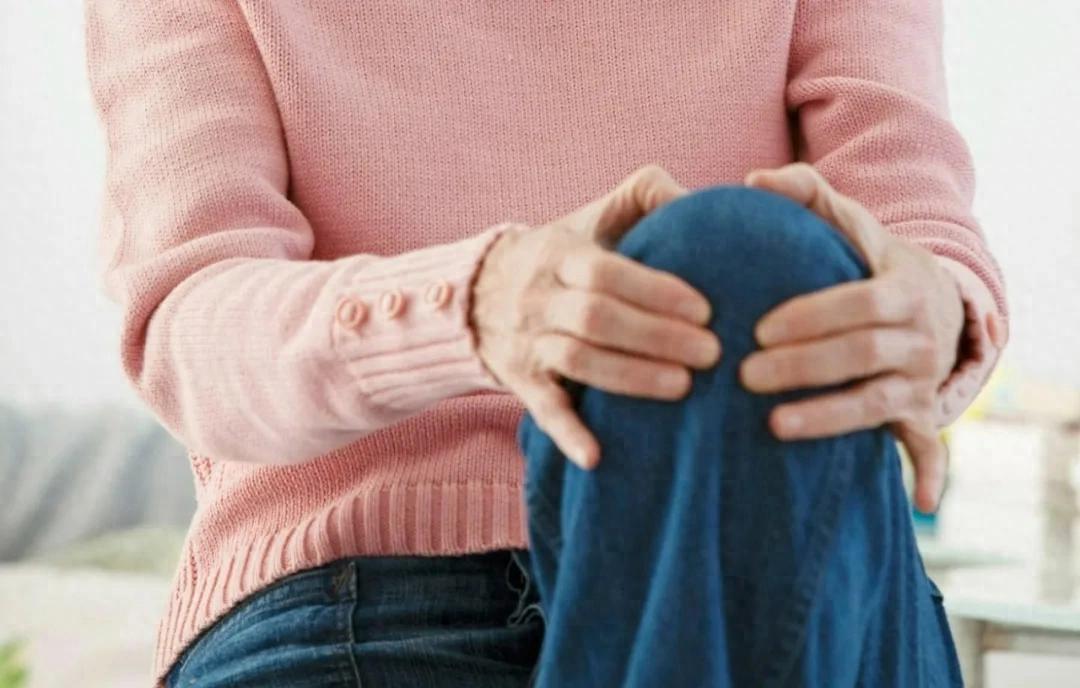
Let’s take a look at the health advice from Dr. Cao Guanglei, Chief Physician of the Knee Preservation Surgery Department at Beijing Jishuitan Hospital, for a patient whose meniscus tear was caused by an activity that seems perfectly normal in daily life.
Aging of the Meniscus: The Inevitability of Natural Wear
As age increases, various bodily functions gradually decline, and the meniscus is no exception. Aging leads to reduced elasticity and increased brittleness of the meniscus, making it more susceptible to damage during daily activities. This natural wear is one of the significant causes of meniscus injuries in the elderly.
Just like Grandma Li (pseudonym) in the video above, the primary reason for her susceptibility to injury was the aging of her meniscus due to age.

Excessive Weight: A Heavy Burden on the Knee Joint
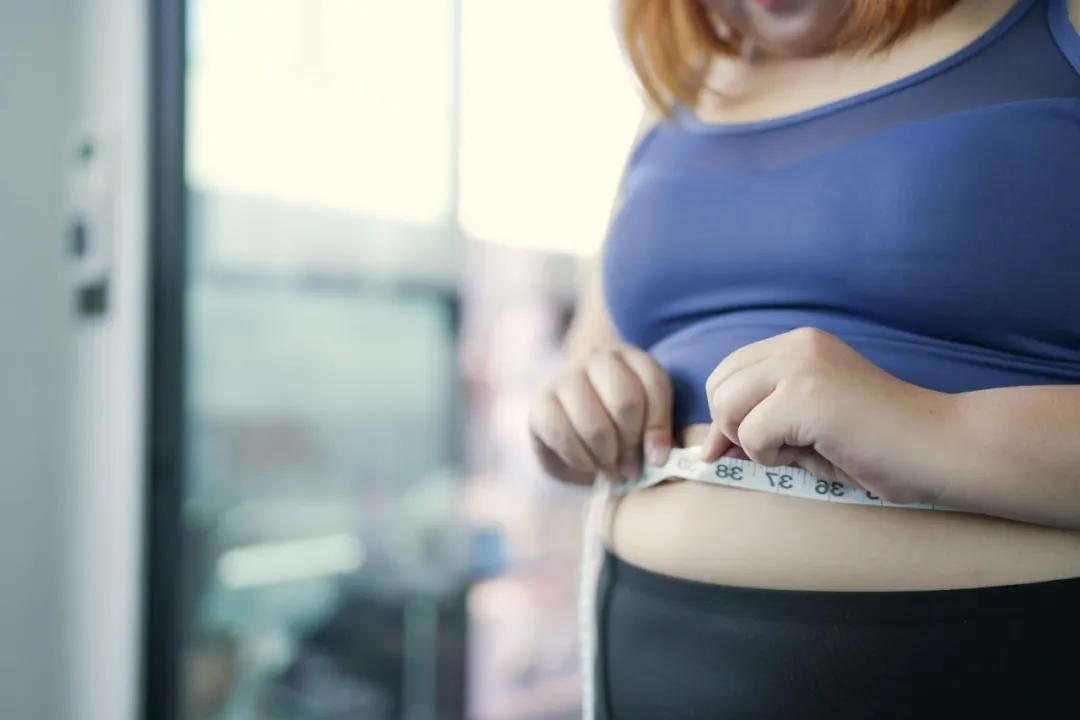
Excessive weight is another major trigger for meniscus injuries in the elderly. Excess body weight not only increases the overall burden on the knee joint but also subjects the meniscus to greater pressure when bearing weight. Over time, this makes the meniscus prone to wear and injury, severely affecting knee joint function.
Due to a decline in basal metabolic rate and dietary factors, the elderly often experience gradual weight gain as they age. This was also a contributing factor for Grandma Li.
Carrying Heavy Loads: The Hidden Risk Behind Holding Grandchildren
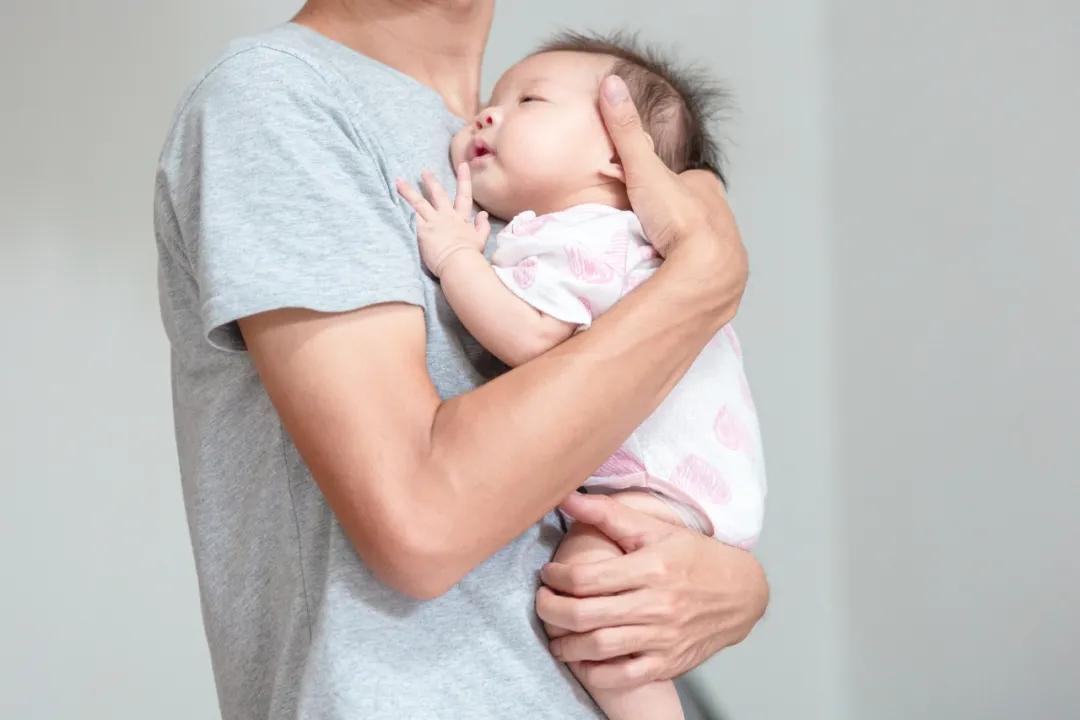
In addition to aging and excessive weight, prolonged carrying of heavy loads is another significant factor leading to meniscus injuries. The term "heavy loads" here refers not only to lifting objects but also includes daily activities such as holding children or carrying grocery baskets.
For instance, while taking care of her grandson, Grandma Li frequently needed to hold the child, which kept her knee joints under prolonged load-bearing conditions, accelerating the wear and tear of her meniscus. This is a very typical case.
It is worth noting that the damage to the meniscus from carrying heavy loads is not solely due to the increased weight. During actual activities, such as holding a child, the posture and distribution of leg strength in the elderly can also affect the stress on the meniscus.
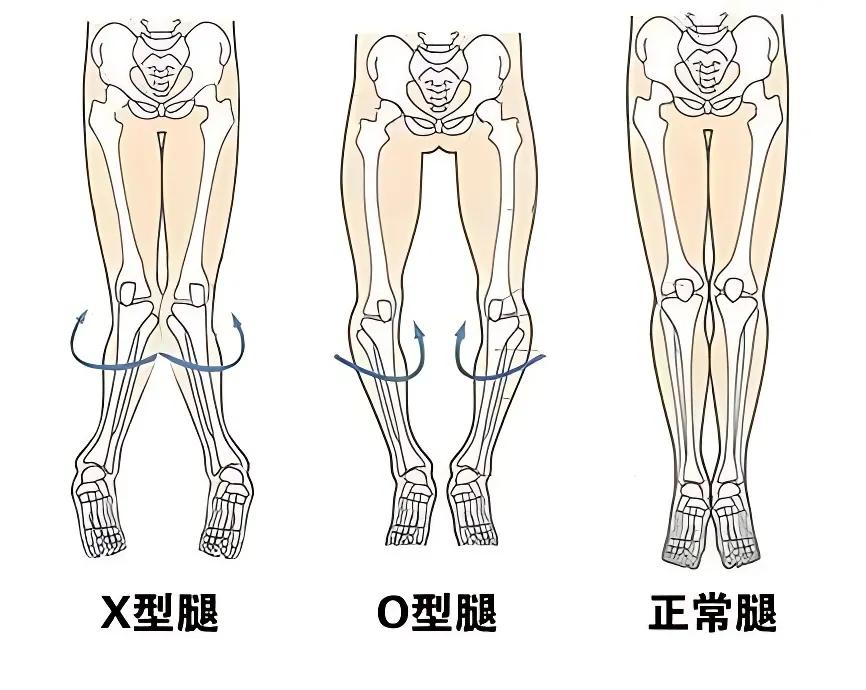
For example, if leg strength is insufficient or the posture is improper, it may cause the knee joint surface to tilt, concentrating the stress on one side of the meniscus and increasing the risk of injury. However, it should be emphasized that this tilting is often due to natural changes in leg alignment in the elderly (such as knock-knees or bow legs) or muscle imbalances, rather than simply a standing posture issue.
How Can the Elderly Prevent Meniscus Injuries?
Based on the above causes, the following preventive measures can be taken:
1. Control Weight: Maintain a reasonable body weight to reduce the burden on the knee joints.
2. Strengthen Leg Muscles: Engage in appropriate exercises, such as straight leg raises, side leg lifts, and wall squats, to enhance the strength of the muscles around the knee joint and improve joint stability.
3. Reduce Load-Bearing Activities: Minimize activities like holding children or carrying heavy objects to avoid excessive pressure on the knee joints.
4. Regular Check-ups: Undergo regular knee joint examinations to detect and address potential knee issues in a timely manner.