Osteoporosis Diet: Recommended and Restricted Foods
With the intensification of societal aging, osteoporosis has become a significant health concern. For individuals with osteoporosis, a reasonable dietary regimen is a crucial means to alleviate symptoms and promote recovery. Today, we will explore the recommended and discouraged foods for osteoporosis patients, helping you understand what to eat and what to avoid.
Recommended Foods
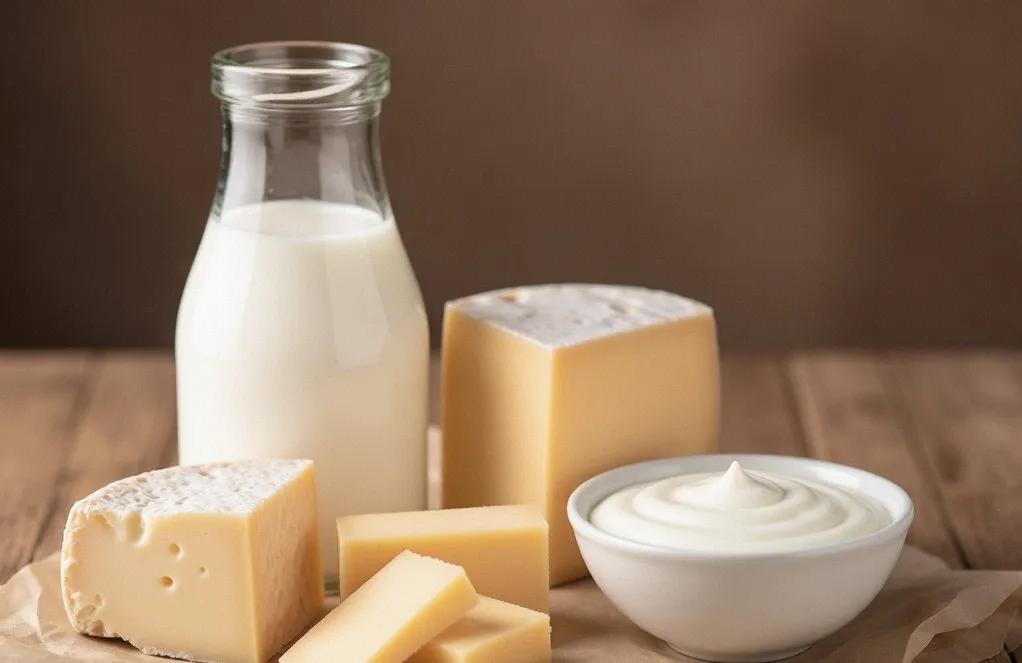
Dairy Products:
Dairy products are a treasure trove of calcium. Milk, yogurt, and cheese are rich in protein and calcium, which are easily absorbed by the body. Yogurt, in particular, has increased solubility of calcium and phosphorus after fermentation, leading to higher absorption rates, making it especially suitable for osteoporosis patients.
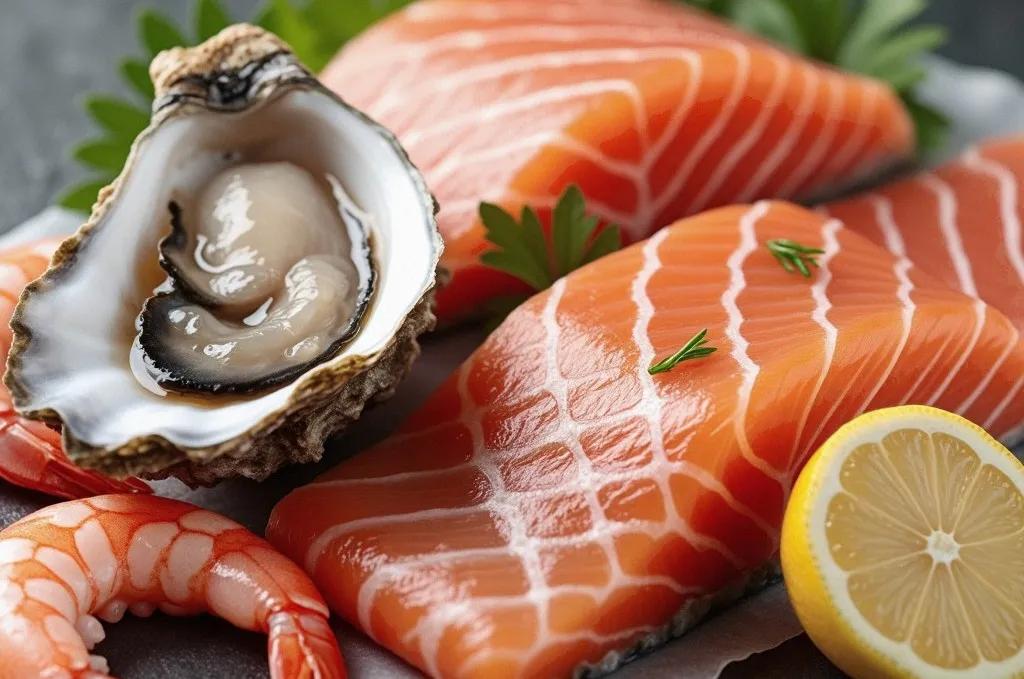
Fish, Shrimp, and Shellfish:
Fish, shrimp, and shellfish are rich in protein, calcium, iron, and other nutrients, which can enhance bone mineral density. They also effectively provide unsaturated fatty acids, helping to lower cholesterol levels and reduce the risk of hypertension and hyperlipidemia.
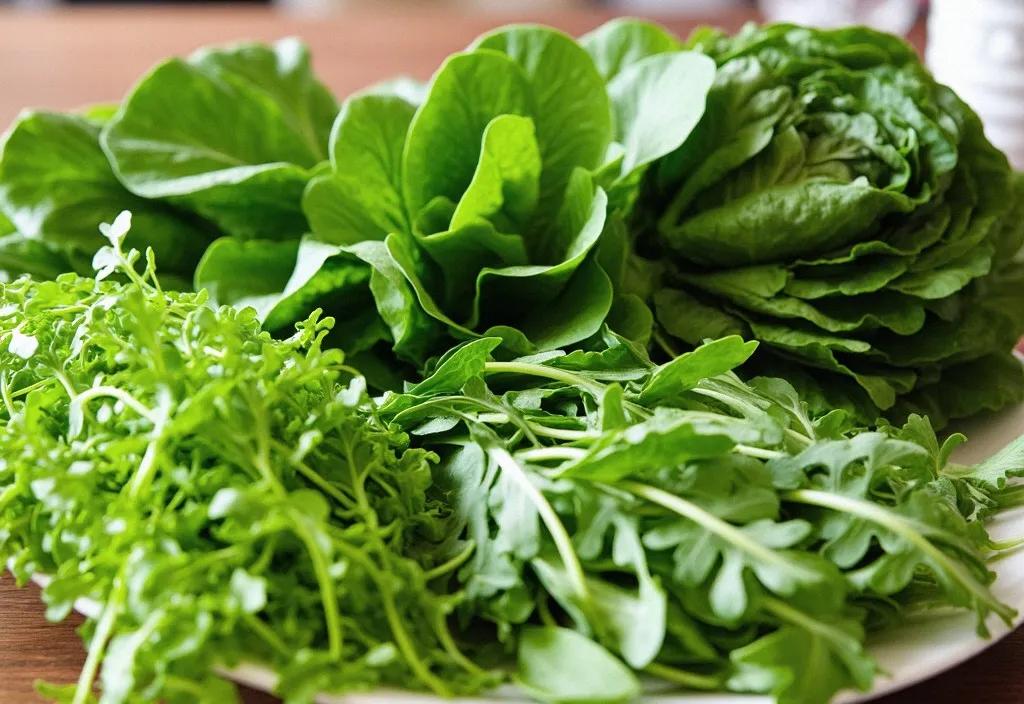
Leafy Green Vegetables:
The benefits of leafy green vegetables for bone strength extend beyond providing calcium, magnesium, and potassium. The final step of bone formation requires a protein called osteocalcin, and the production of this active protein necessitates vitamin K.
Foods rich in vitamin K primarily include leafy green vegetables, soy products, and soybean oil. Among leafy greens, bok choy, mustard greens, kale, Chinese cabbage, and shepherd's purse are exceptionally high in vitamin K.
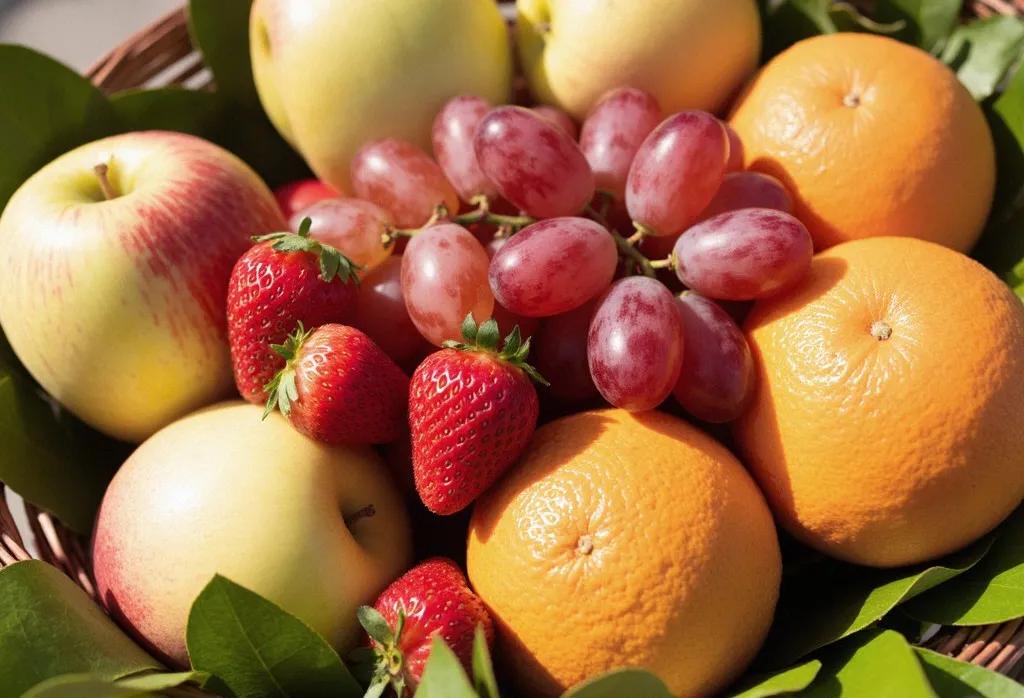
Fruits:
Fruits such as bananas, oranges, and winter jujubes are rich in vitamin C, which aids the body's absorption of calcium. Additionally, the fiber in fruits stimulates intestinal peristalsis, promoting digestion and nutrient absorption.
Common plums are rich in minerals, vitamin K, plant fiber, and phenolic compounds, which can effectively combat inflammation and oxidative stress—two primary culprits of bone loss.
Soy Products:
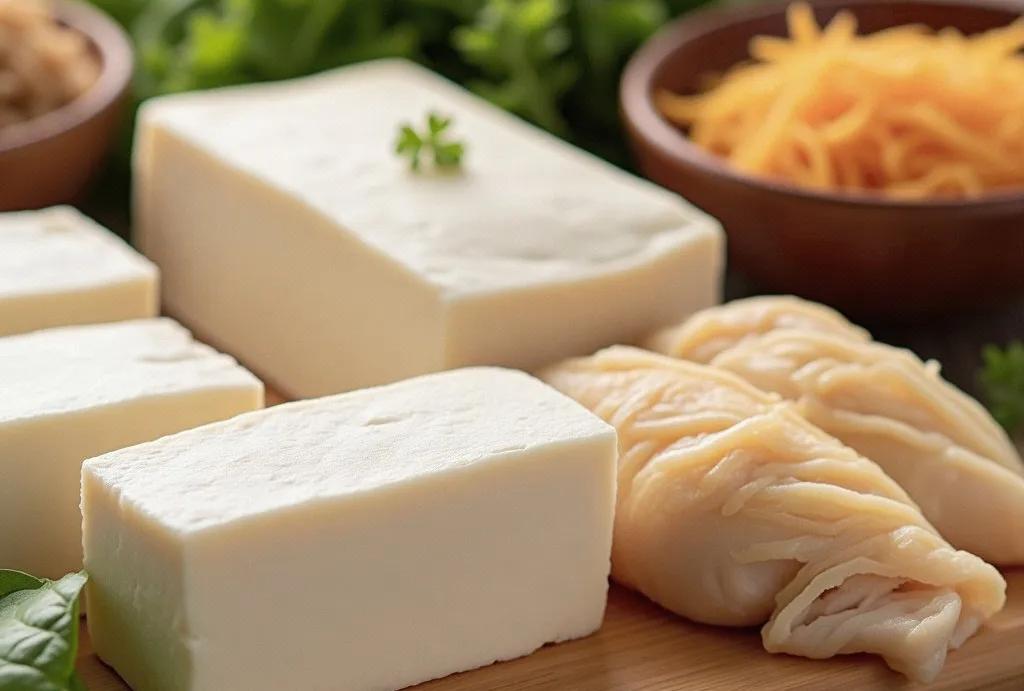
Beyond traditional tofu, the soy product family includes many "potential stars" for calcium supplementation, such as dried tofu, vegetarian chicken, tofu skin, and tofu shreds. Processed through special techniques, they are rich in calcium, protein, and dietary fiber, making them ideal foods for osteoporosis patients.
Among these, dried tofu contains up to 447 mg of calcium per 100g, vegetarian chicken has 319 mg/100g, while tofu skin and tofu shreds contain 239 mg and 204 mg of calcium respectively, truly excellent calcium supplements.
Nuts:
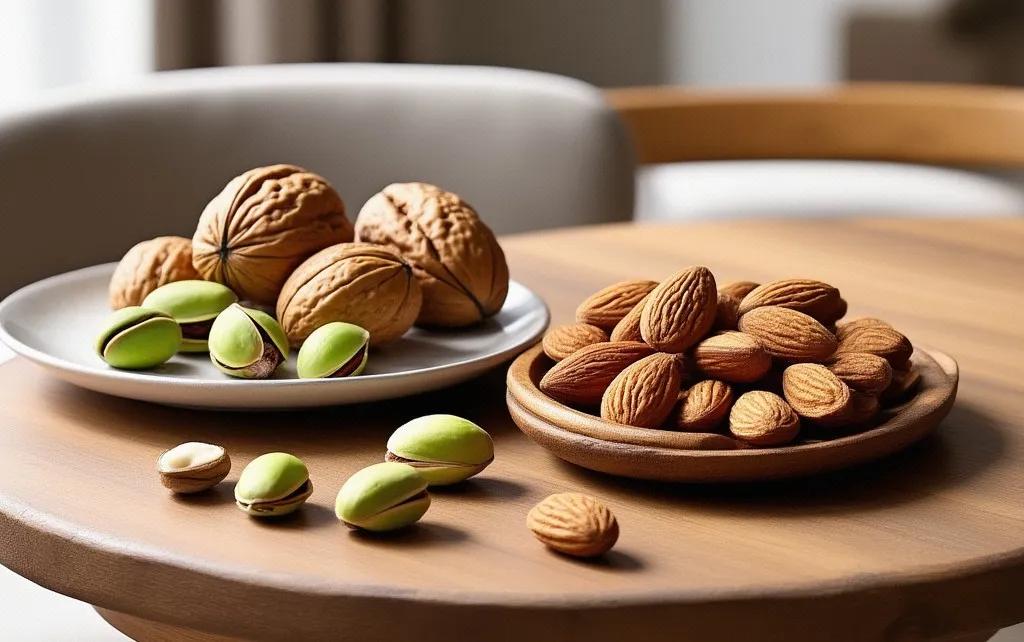
Nuts are packed with unsaturated fatty acids, protein, fiber, and various vitamins and minerals, particularly calcium, which is especially beneficial for bone health. However, note that nuts are also high in calories and should be consumed in moderation.
The "Dietary Guidelines for Chinese Residents (2022 Edition)" recommends an average intake of 70g per week, roughly equivalent to about 10g daily. This is approximately 7-8 cashews, 4 macadamia nuts, or 3 pecans per day; 2-3 walnuts are sufficient; about 20 pistachios or 40 pine nuts.
Foods to Avoid
High-Fat, High-Cholesterol Foods:
01
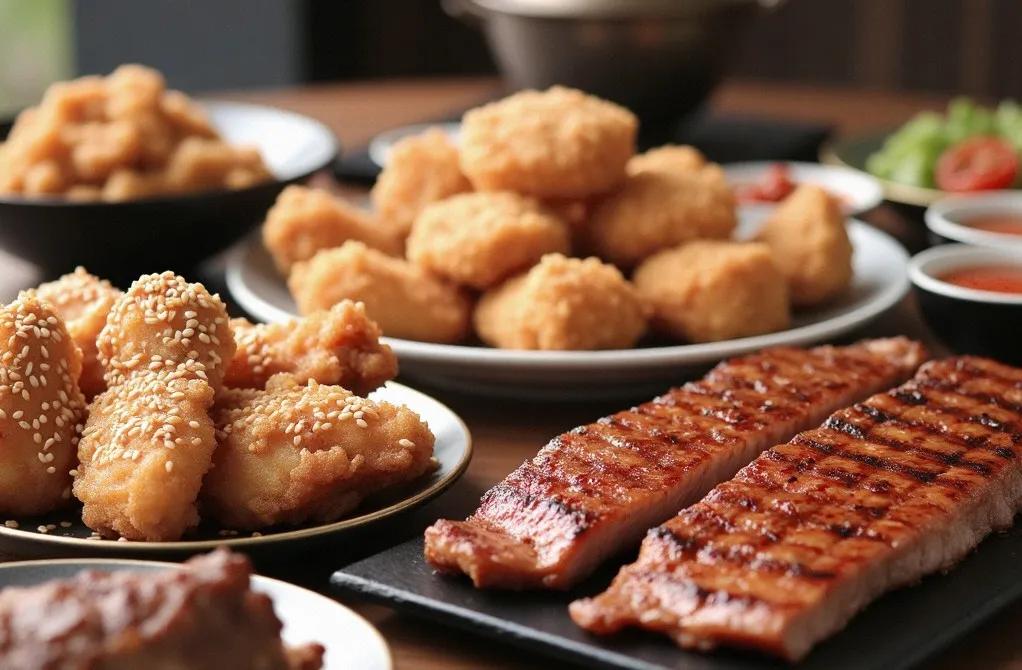
Such as fatty meat, fried foods, animal liver, and certain seafood (e.g., high-cholesterol seafood like squid and crab roe). These foods can easily increase vascular burden and indirectly hinder osteoporosis recovery.
High-Salt Foods:
02
Such as barbecued foods, pickled vegetables, and cured meats. Increased sodium intake promotes urinary calcium excretion, raising the risk of kidney stones and bone loss. Studies show that sodium intake is associated with reduced bone mineral density in the hip or spine. Therefore, a low-salt diet is particularly recommended for osteoporosis patients.

Spicy Foods:
03
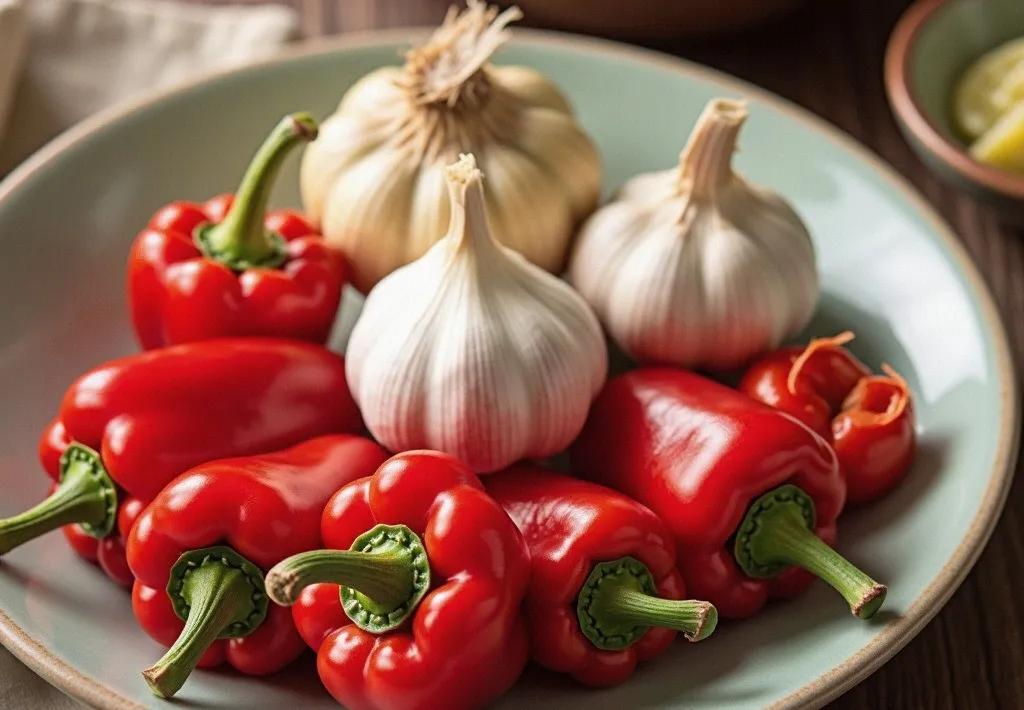
Such as chili peppers, garlic, and ginger. Frequent consumption or large quantities of foods containing them may irritate the gastrointestinal mucosa, affecting nutrient absorption.
High-Sugar Foods:
04
Such as sugar-added chocolate, candy, and cream. A high-sugar diet not only leads to significantly elevated blood sugar levels, impairing calcium absorption and utilization, but also accelerates bone loss. Long-term high-sugar intake may also cause insulin resistance, further hastening osteoporosis progression. Additionally, high-sugar diets can impair kidney function, affecting vitamin D activation and thereby hindering intestinal calcium absorption.

High-Oxalate Foods:
05
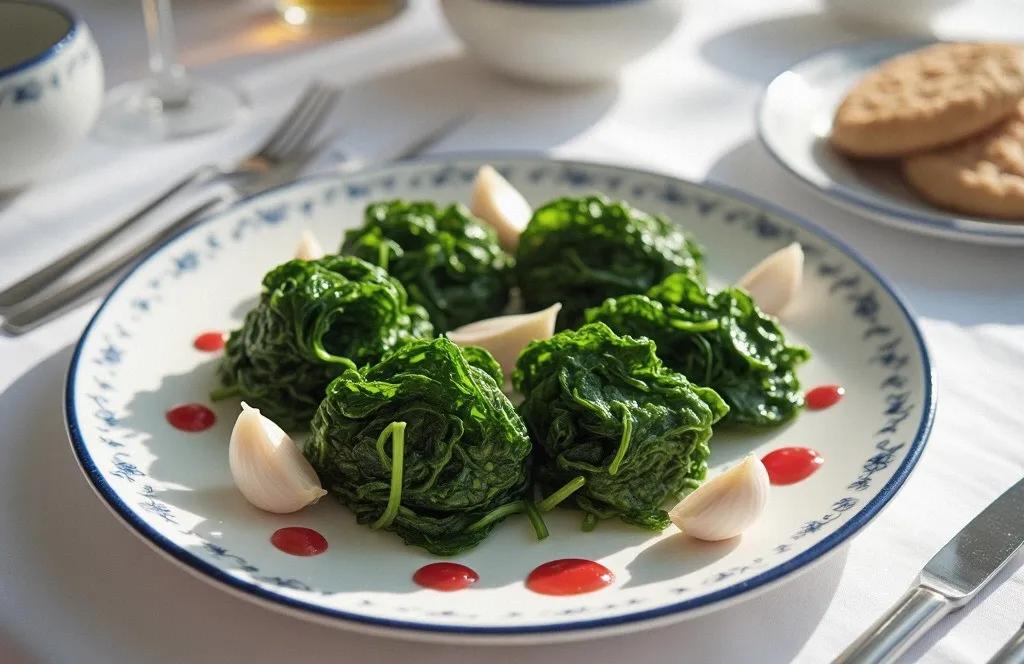
Such as spinach, amaranth, coriander, and purslane. The oxalic acid in these foods can interfere with calcium absorption by the gastrointestinal mucosa and may form calcium oxalate stones, worsening the condition.
Of course, there is a way to reduce oxalic acid: blanching in hot water before cooking can significantly lower its content.
High-Purine Foods:
06
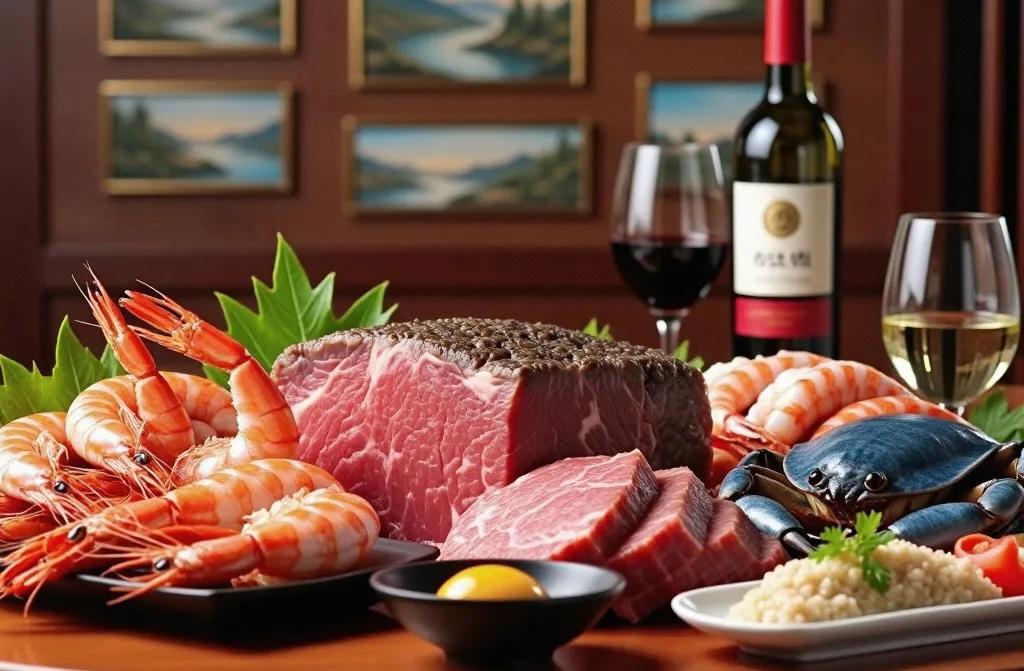
Such as certain seafood, animal organs, legumes, and alcoholic beverages. These foods can easily increase uric acid levels, and hyperuricemia can trigger inflammatory responses and increase oxidative stress. This adversely affects bone cell function, disrupts the balance between bone formation and resorption, leading to relatively enhanced bone resorption and subsequent bone loss.
Carbonated Beverages:
07
Long-term, excessive consumption of carbonated beverages may increase the risk of osteoporosis and fractures. Furthermore, the sugar content in these drinks should not be overlooked, as it can lead to obesity and metabolic syndrome, further burdening bone health.


<