These Non-Calcium Foods Can Actually Prevent Osteoporosis! 5 Recommended Types to Add to Your Diet!
When considering the vast array of foods for preventing osteoporosis, what comes to mind first? Milk, green vegetables, or soy products? You might find it hard to believe, but there is one food—dietary fiber—that contains no trace of calcium yet acts as an unsung guardian in the fortress of bone strength, while also benefiting the regulation of the intestinal environment. How does it provide an umbrella of protection for bone homeostasis? The answers will be revealed in the following text.
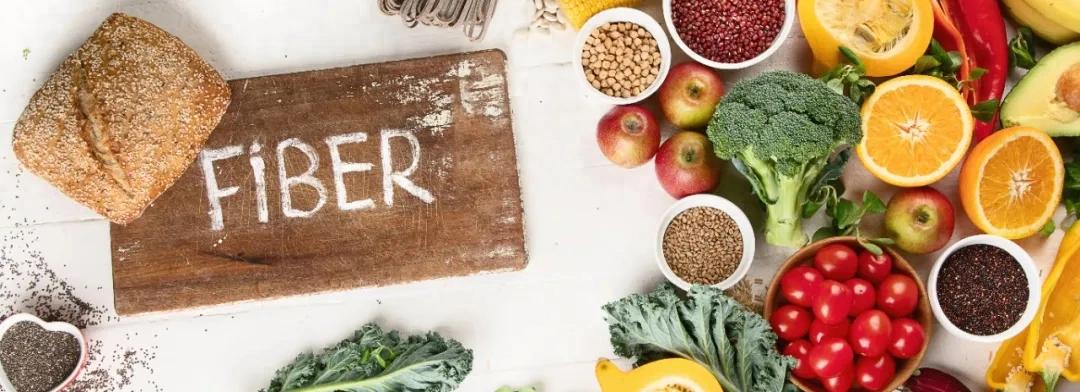
Three Major Bone-Strengthening Effects of Dietary Fiber

1. Promotes Calcium Absorption:
Research has found that after dietary fiber is digested by microorganisms in the intestines, it produces short-chain fatty acids (such as propionic acid, butyric acid, and valeric acid). The colon is the primary site of short-chain fatty acid production in the human body. In the colon, undigested carbohydrates (mainly dietary fiber) are fermented by anaerobic bacteria, generating short-chain fatty acids.
These short-chain fatty acids can influence the metabolism of osteoclasts, significantly reducing bone resorption and increasing bone density. Simultaneously, they also promote calcium absorption, thereby improving bone health.

2. Maintains Appropriate Body Weight:
Dietary fiber helps control appetite and increase satiety, which is crucial for preventing obesity. Obesity is a risk factor for osteoporosis. Therefore, managing weight through dietary fiber helps reduce the risk of developing osteoporosis.

3. Anti-inflammatory Effects:
Some components in dietary fiber possess anti-inflammatory properties, which can alleviate chronic inflammatory responses. Chronic inflammation is closely linked to bone loss and skeletal diseases. Thus, this characteristic of dietary fiber helps lower the risk of bone diseases.

Recommended Foods Rich in Dietary Fiber

Dietary fiber is primarily found in plant-based foods and can be categorized into soluble and insoluble types. The following are some foods rich in dietary fiber:
1. Fruits:
Apples, bananas, pears, strawberries, blueberries, citrus fruits, etc. These fruits are not only delicious but also rich in dietary fiber, which helps promote intestinal peristalsis and maintain gut health.

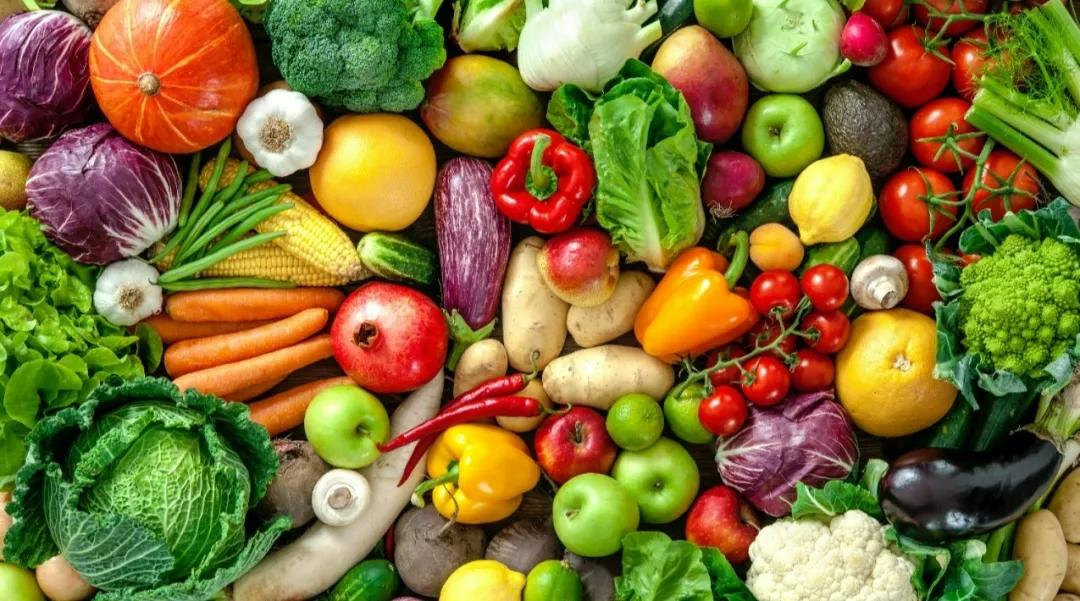
2. Vegetables:
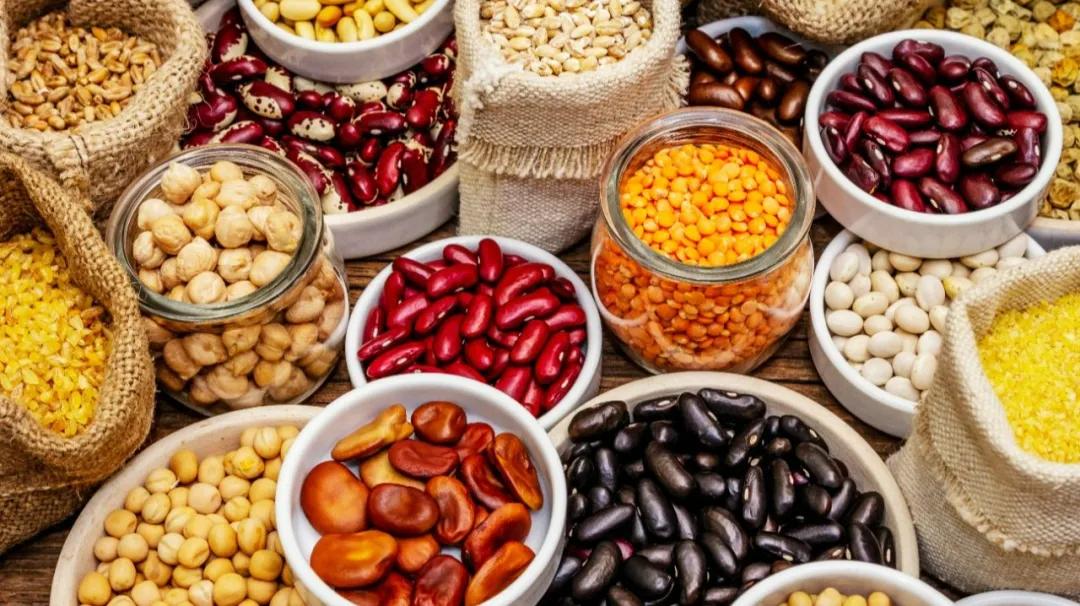
Legumes (such as black beans, chickpeas, red beans), kale, carrots, celery, onions, broccoli, spinach, etc. These vegetables not only provide abundant dietary fiber but also contain various vitamins and minerals, greatly benefiting bone health.
3. Whole Grains:
Oats, brown rice, whole wheat bread, whole wheat pasta, corn, etc. Whole grain foods are rich in dietary fiber, helping to maintain stable blood sugar levels, control weight, and positively impact bone health.
4. Nuts and Seeds:
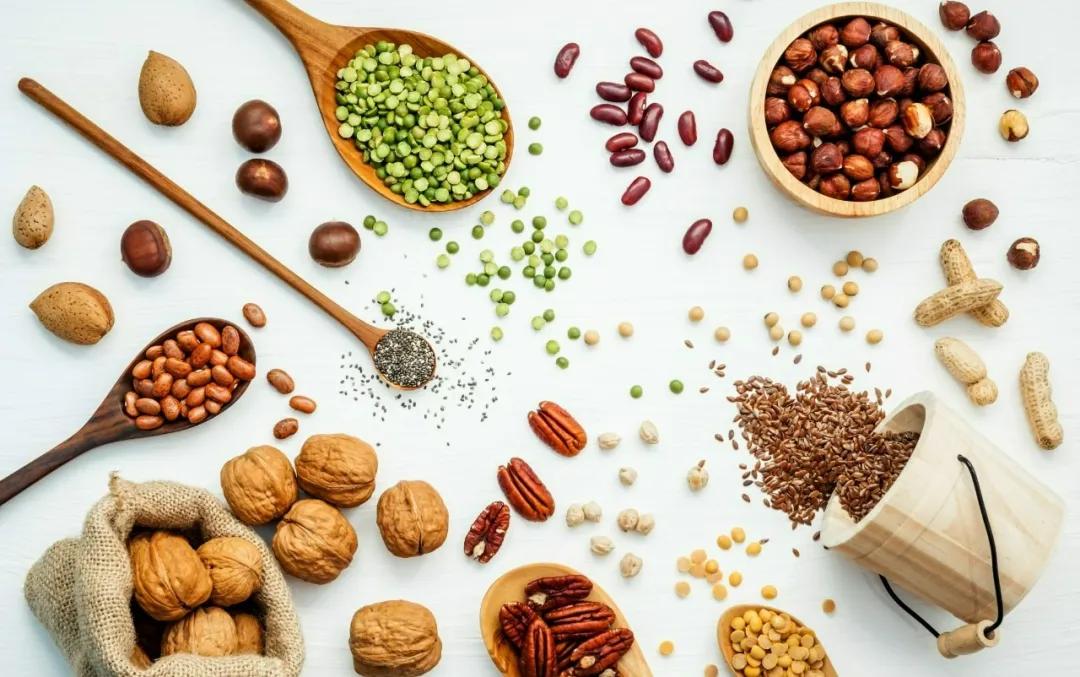
Almonds, walnuts, peanuts, flaxseeds, pumpkin seeds, etc. These nuts and seeds are not only rich in dietary fiber but also contain healthy fats and proteins, making them ideal snack choices.
5. Legumes:
In addition to the legume vegetables mentioned earlier, there are also soybeans, mung beans, peas, etc. Legume foods not only provide rich dietary fiber but also contain phytoestrogens, which help women maintain bone health.
6. Root Vegetables:
Potatoes, sweet potatoes, yams, taro, etc. These root vegetables are rich in dietary fiber and carbohydrates, serving as high-quality carbohydrate sources and excellent choices for providing energy.

When planning your diet, consider incorporating these foods into your daily meals to ensure adequate dietary fiber intake and help keep our bones stronger and healthier!