Do these 3 things right and you can stay away from lumbar disc herniation risks
Beware of lumbar disc herniation risks
Lumbar disc herniation, as a common and frequently occurring spinal disorder, not only causes physical pain for patients but may also affect daily life and work. However, through scientific prevention and exercise, we can effectively reduce the risk of lumbar disc herniation. If you pay attention to doing the following three things correctly in daily life, they can help you well avoid the threat of disc herniation.

1. Adjust daily posture, reduce prolonged standing and sitting
Maintaining the same posture for long periods, especially prolonged sitting or standing, places great pressure on the lumbar spine. Prolonged improper sitting or standing increases the load borne by the lumbar intervertebral discs and accelerates disc degeneration. To avoid this, it is recommended to get up and move every 40–50 minutes; going to the restroom, getting a drink, stretching, or doing some relaxation stretches are all good options to relieve lumbar muscle fatigue.
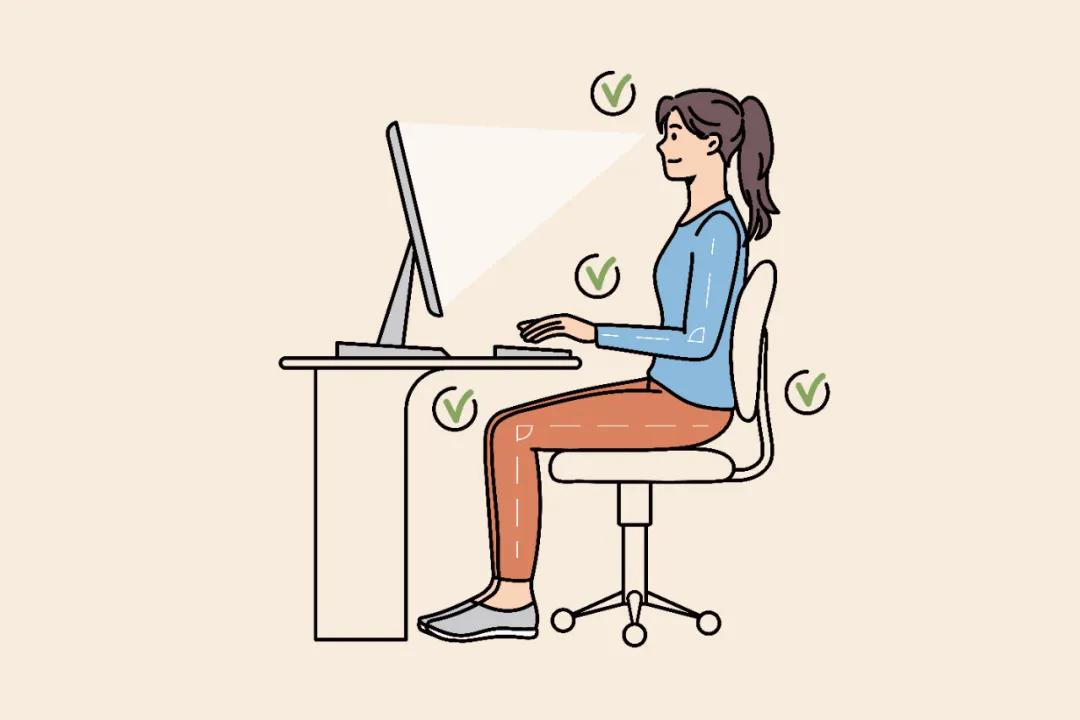
At the same time, maintain good sitting and standing posture and avoid hunched or stooped positions. The correct sitting posture is: sit back fully in the chair, keep the back straight, place both feet flat on the floor, and keep knees level with the hips; this allows the lumbar spine to bear load evenly and reduces pressure on the intervertebral discs.

2. Strengthen muscle training to increase lumbar stability
Lumbar stability depends not only on the structure of the lumbar spine itself but also on the support of the lumbar and back muscles and the core muscle groups. By strengthening these muscles through exercise, lumbar stability can be significantly improved, reducing the risk of lumbar disc herniation.
01
01 Lumbar and back muscle exercises: Bird-dog and five-point support are recommended.
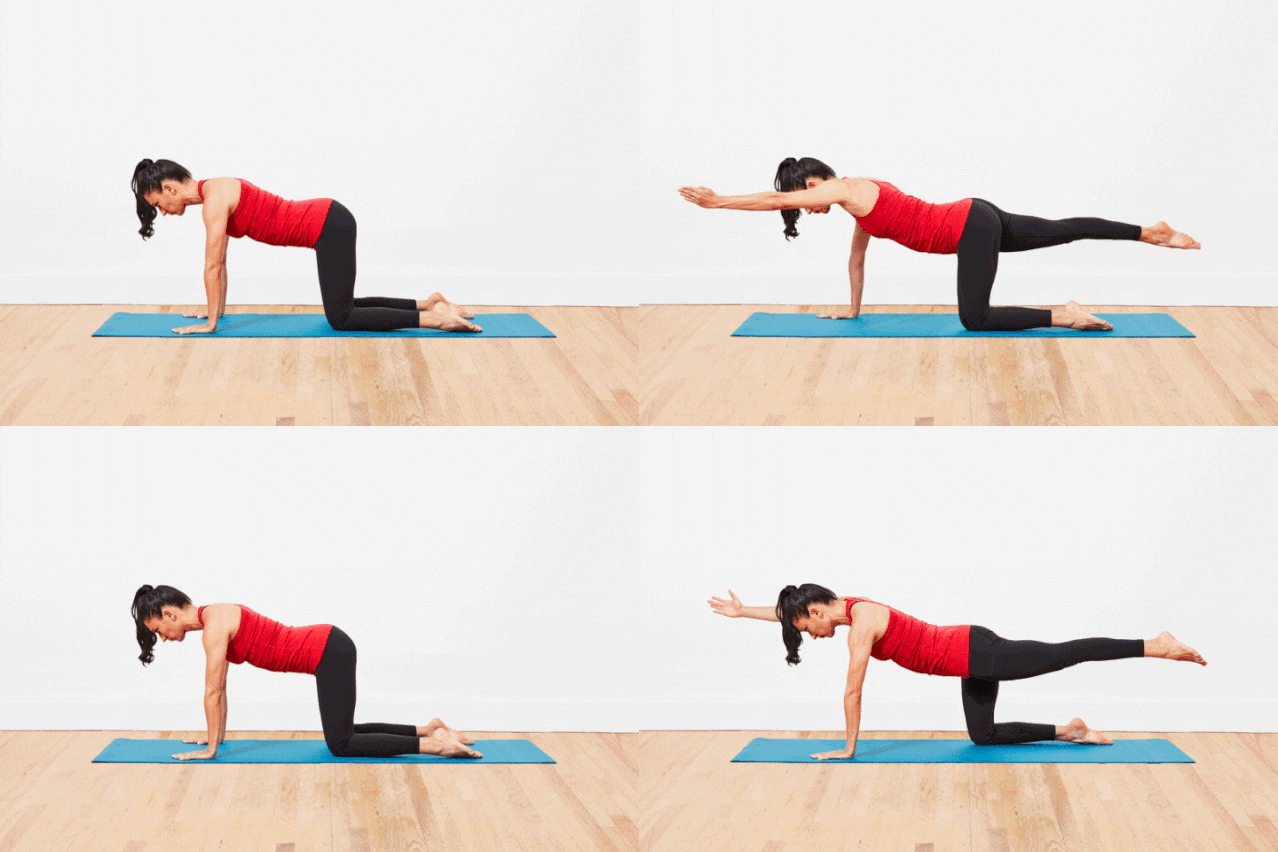
Bird-dog
Can simultaneously train the lumbar and back muscles and the limbs, improving body balance.
Exercise method
1. Kneel on the bed or floor, place both hands on the ground with a spacing equal to shoulder width.
2. Simultaneously lift one arm and the opposite leg, extend them outward and straighten, hold for 5 seconds, then switch sides and alternate; perform 15–20 repetitions per set, 3–5 sets.
3. The focus of the movement is not on limb motion, but on core stability and control. During activity at the hip and shoulder joints, the spine should be maintained in a stable, neutral position; the lumbar spine (lower back) should not develop excessive lordosis or kyphosis (should not move).
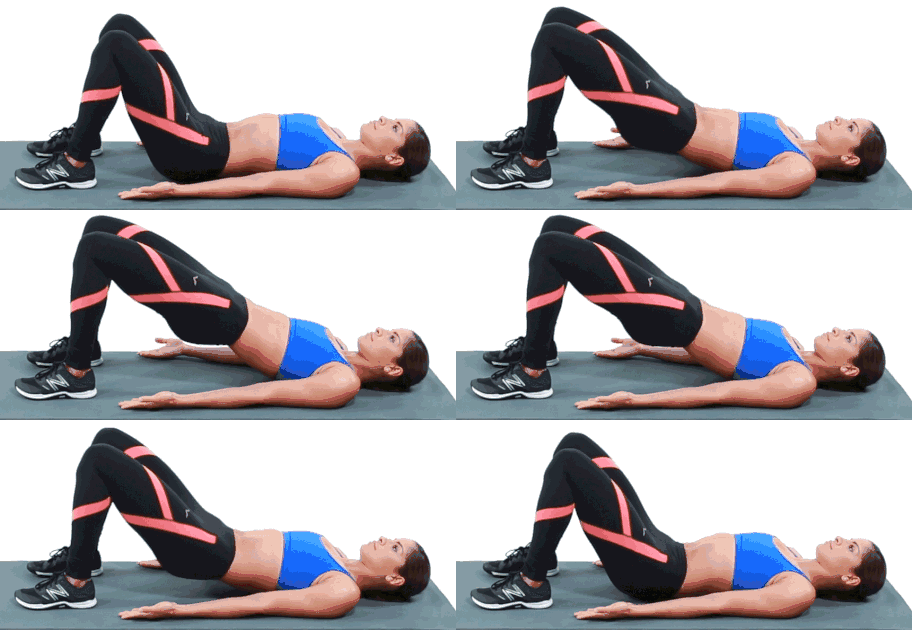
Five-point support (glute bridge)
Can effectively train the lumbar and back muscles and enhance spinal stability.
1. Lie supine on a yoga mat, bend both legs slightly wider than shoulder-width, place heels on the ground and engage the glutes, lift the hips until the thighs and torso form a straight line.
2. When the hips are raised, the upper back supports the ground; when lowering, the lower back contacts the mat while the hips remain suspended. Exhale while lifting the hips, inhale while lowering. Feel the hips slowly leave the mat and at the top experience a strong gluteal contraction and squeeze; hold for 2 to 4 seconds, then return.
3. 15–20 repetitions per set, perform 3–5 sets.
02
02 Core muscle training: Dead bug and plank are recommended.
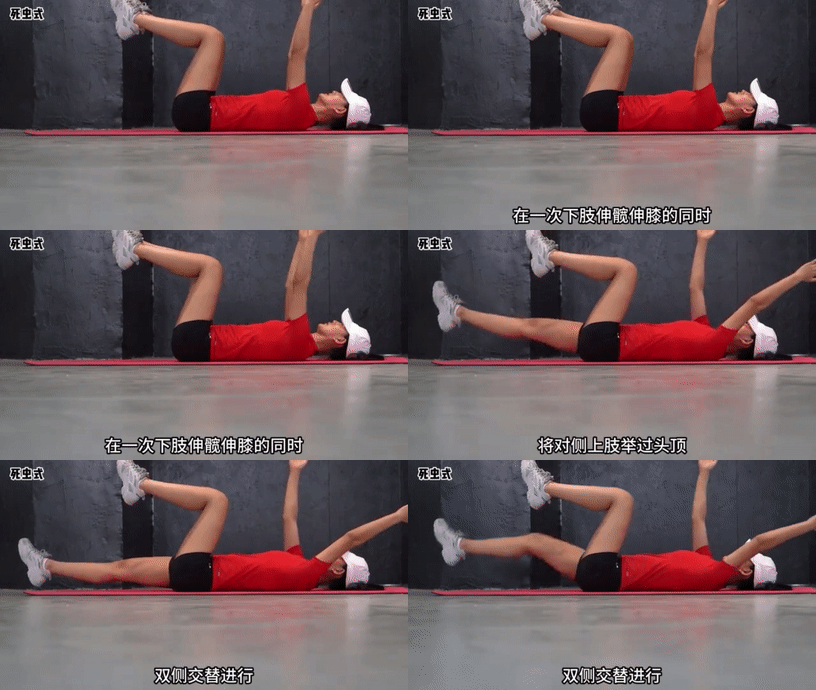
Dead bug
Effectively trains the transverse abdominis, which plays an important role in spinal stabilization.
1. Lie supine on the floor with knees bent. Inhale deeply, then exhale fully; at the end of the exhalation draw the navel toward the spine to engage the core while ensuring the lower back remains pressed to the floor.
2. Keep breathing while raising both hands to the front of the chest and lifting the knees to 90 degrees.
3. Throughout the process, the lower back should remain pressed to the ground at all times, with the core area continuously stabilized.
4. Once you can easily maintain the above position for more than 60 seconds, you can try extending the opposite arm and leg simultaneously.
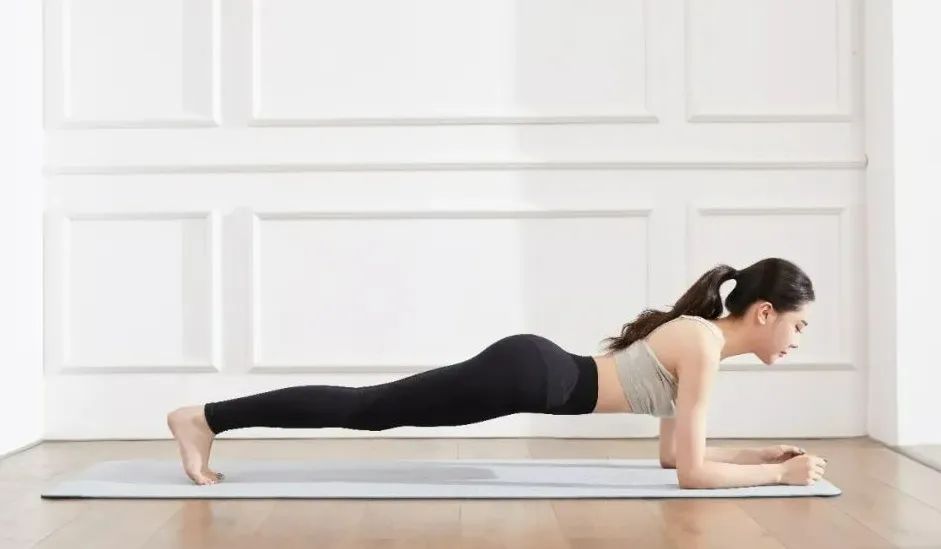
Plank (isometric exercise)
One of the widely recognized most effective methods to train the core muscles.
1. Lie prone, bend both elbows and support on the ground, shoulders and elbow joints perpendicular to the ground, feet planted, body lifted off the ground, torso straight.
2. Keep the head, shoulders, hips, and ankles aligned in the same plane, tighten the abdominal muscles, contract the pelvic floor muscles, lengthen the spine, gaze toward the ground, and maintain even breathing.
3. Hold the position for 60 seconds (beginners can start with 30 seconds and gradually increase), rest 30 seconds and then perform the 2nd set; train for a total of 3–4 sets.

3. Adopt correct working postures to avoid lumbar injury
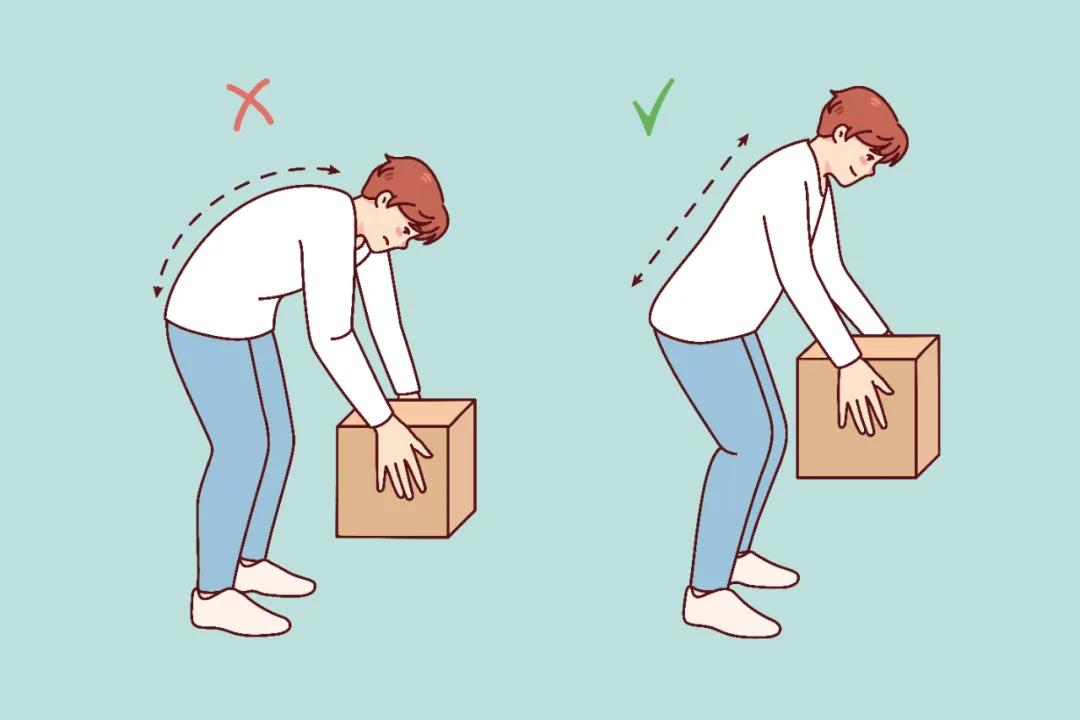
When lifting heavy objects or picking things up, you should use the correct posture to avoid excessive stress on the lower back. Incorrect lifting posture, such as bending at the waist to lift objects directly, markedly increases the load on the lumbar vertebrae and thereby raises the risk of lumbar disc herniation.
Correct lifting posture can reduce the pressure borne by the lumbar spine. Recommended technique: first squat down, lift the load using leg strength while keeping the lower back straight, and avoid bending at the waist. When picking up items, you should also squat and use leg rather than back strength to lift. This effectively reduces lumbar burden and lowers the risk of lumbar disc herniation.
Similarly, when sweeping, mopping, or bending to wipe a table, please keep your back straight, maintain a slight contraction of the abdominal muscles, and bend at the hips.

Remember, prevention of lumbar disc herniation must start with all aspects of daily life — a healthy lifestyle is the best way to prevent disease