Stay Away from the Threat of Osteoporosis — Remember These 10 Key Terms
Caring for bone health begins with understanding.
Keep the threat of osteoporosis at bay—start now.
Let’s remember the following 10 keywords together,
Protect your own bone health!

1. Get enough calcium:
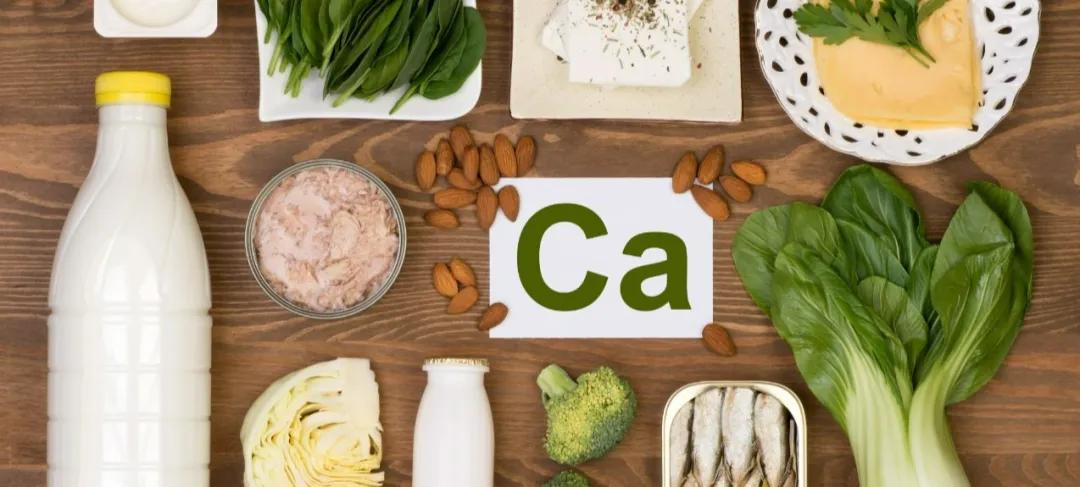
Calcium is essential for maintaining bone strength. In addition to drinking an appropriate amount of milk daily (about 300 mL) and yogurt, you should increase intake of leafy green vegetables (such as spinach, shepherd’s purse, bok choy), nuts (such as almonds, badam, walnuts), and soy products (tofu, tofu strips, vegetarian chicken). Adults need a daily calcium intake of 800 mg. To maximize calcium absorption, pair calcium-rich foods with vitamin D–rich foods (such as fish, egg yolks, shiitake mushrooms).
2. Limit salt intake:
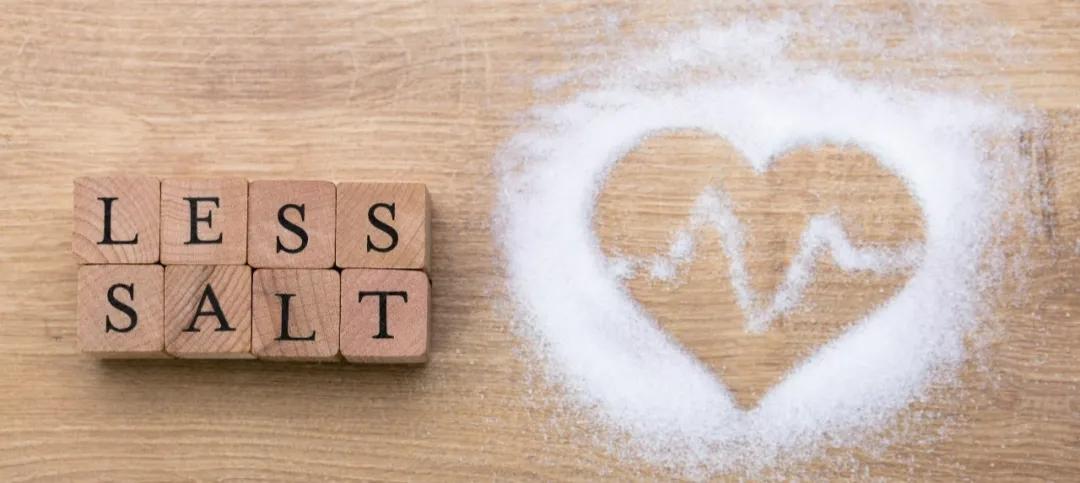
A high-salt diet promotes urinary calcium excretion, accelerating bone loss. Daily salt intake should be kept under 5 grams, equivalent to about one small teaspoon. Tips to reduce salt intake include: using herbs, lemon juice and other natural seasonings to enhance flavor; choosing low-sodium or no-salt-added foods; and adding salt at the end of cooking to reduce overall intake.
3. Adequate protein:
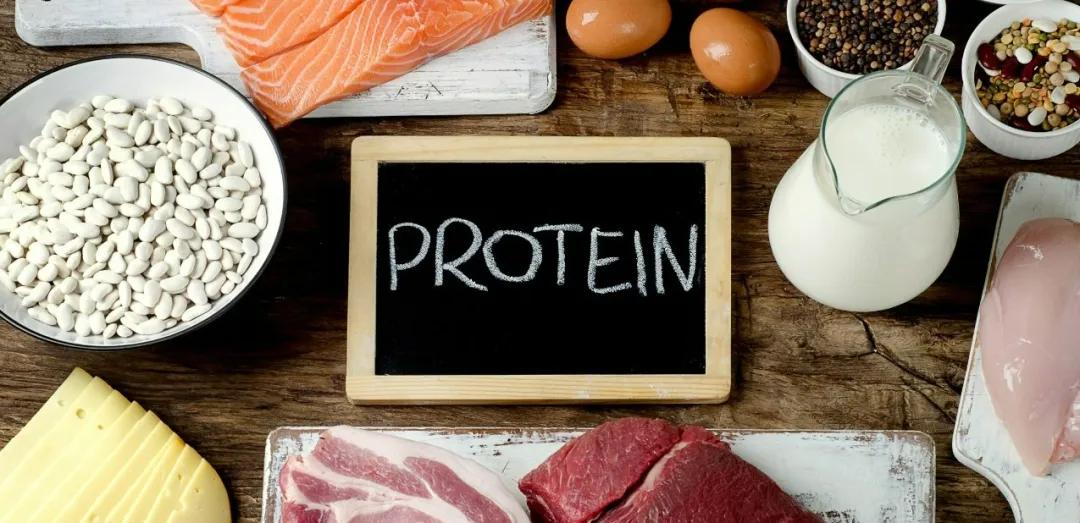
Protein is an important component of the bone matrix and is essential for maintaining bone elasticity and toughness. High-quality protein sources include dairy products (milk, yogurt, cheese), lean meats (chicken breast, fish), soy products (tofu, soy milk), eggs, and nuts. For healthy adults, a daily intake of about 0.8 grams of protein per kilogram of body weight is recommended, while older adults or those with special needs may require more.
4. Supplementing vitamin D:
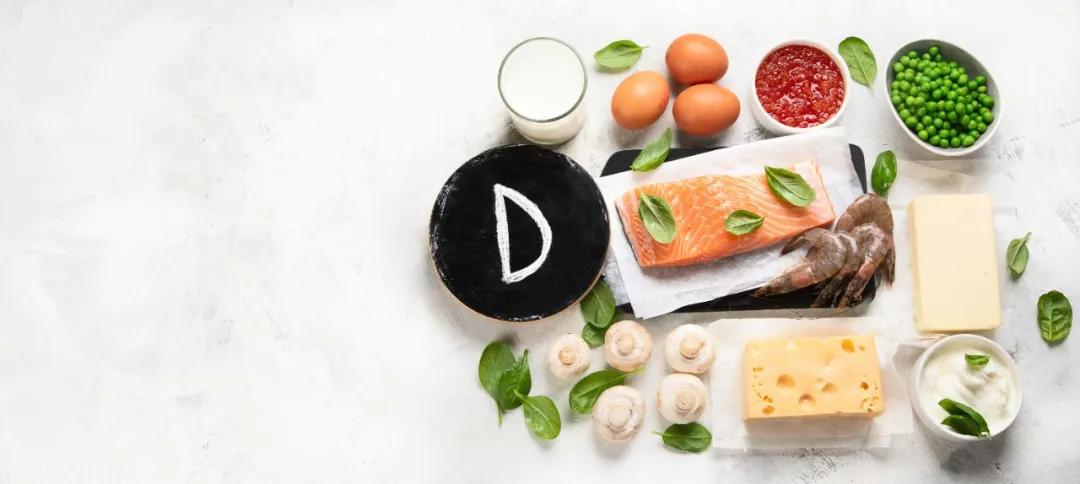
Vitamin D promotes intestinal absorption of calcium. In addition to sun exposure for 15–30 minutes daily (avoiding strong midday sunlight), food sources include oily fish (salmon, mackerel), cod liver oil, shiitake mushrooms, and fortified foods (such as some milks and breakfast cereals). If dietary vitamin D is insufficient, consider taking vitamin D supplements as directed by a physician.
5. Prevent falls:
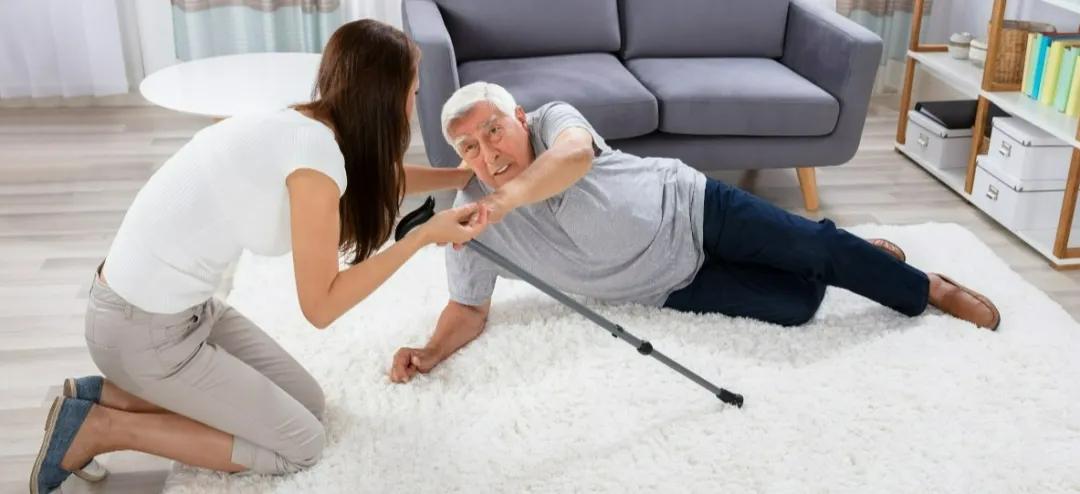
Fall prevention is a crucial component of osteoporosis management. Ensure adequate lighting at home and avoid clutter; use non-slip flooring, especially in bathrooms and kitchens; install handrails in hallways, bathrooms, and beside toilets; regularly check furniture stability and avoid sharp-cornered designs; wear non-slip, well-fitting shoes. In addition, middle-aged and older adults should perform balance and strength training to improve body coordination (see the next item).
6. Be active:
Exercise not only increases muscle strength but also stimulates bone growth and increases bone mineral density. Recommended exercises include:
(1) Aerobic exercise: brisk walking, swimming, cycling, at least 150 minutes per week of moderate intensity or 75 minutes of high intensity.
(2) Strength training: full-body strength exercises using dumbbells or resistance bands, 8–12 repetitions per set, 2–3 sets per session, 2–3 days per week.
(3) Balance exercises: single-leg stands, heel-to-toe walking, to improve balance and reduce the risk of falls.

7. Good sleep:
Good sleep is essential for bone repair and the secretion of growth hormone. It is recommended to maintain 7–9 hours of high-quality sleep per night, establish regular sleep habits, avoid using electronic devices before bedtime, and keep the bedroom quiet, dark, and at a comfortable temperature.

8. Regular check-ups:
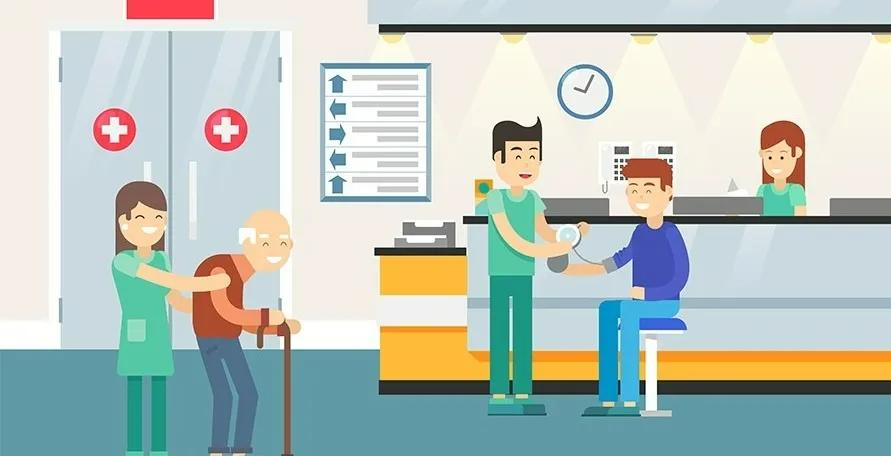
Regular bone density testing is key to assessing osteoporosis risk. Postmenopausal women, men over 65, those with a family history of fractures, or individuals on long-term medications that affect bone health should have bone density testing at least once a year. At the same time, monitor blood levels of calcium, vitamin D, and parathyroid hormone to gain a comprehensive understanding of bone health.
9. Avoid smoking and alcohol:
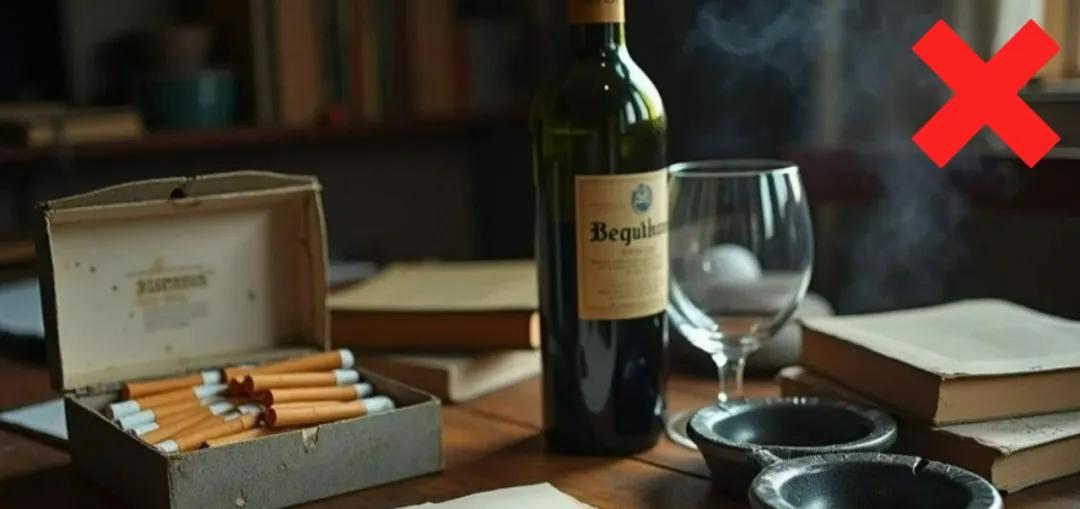
Smoking accelerates bone loss and increases fracture risk; excessive alcohol interferes with calcium absorption and affects bone metabolism. Develop a smoking cessation plan and seek professional help. Adult men should not exceed 750 mL of beer, or 250 mL of wine, or 75 mL of 38° baijiu, or 50 mL of high-proof spirits per day. Adult women should not exceed 450 mL of beer, or 150 mL of wine, or 50 mL of 38° baijiu, or 30 mL of high-proof spirits per day; of course, not drinking at all is better.
10. Manage body weight:
Being underweight or overweight is detrimental to bone health. Maintain a healthy BMI in the range of 18.5 to 24.9 through a balanced diet and regular exercise. For those who are overweight, lose weight gradually and avoid rapid weight loss that can harm bones; for those who are underweight, increase nutritional intake, especially foods rich in protein and calcium; at the same time, combine this with scientifically structured regular exercise to promote bone health.


Get enough calcium, limit salt
Adequate protein for the legs, supplement vitamin D
Prevent falls, engage in exercise
Good sleep, regular physical checkups
Quit smoking and alcohol, manage body weight
Have you memorized all 10 keywords for preventing osteoporosis?