Calcium Supplementation Alone Won’t Prevent Osteoporosis — You Need the “Three Musketeers” Working Together!
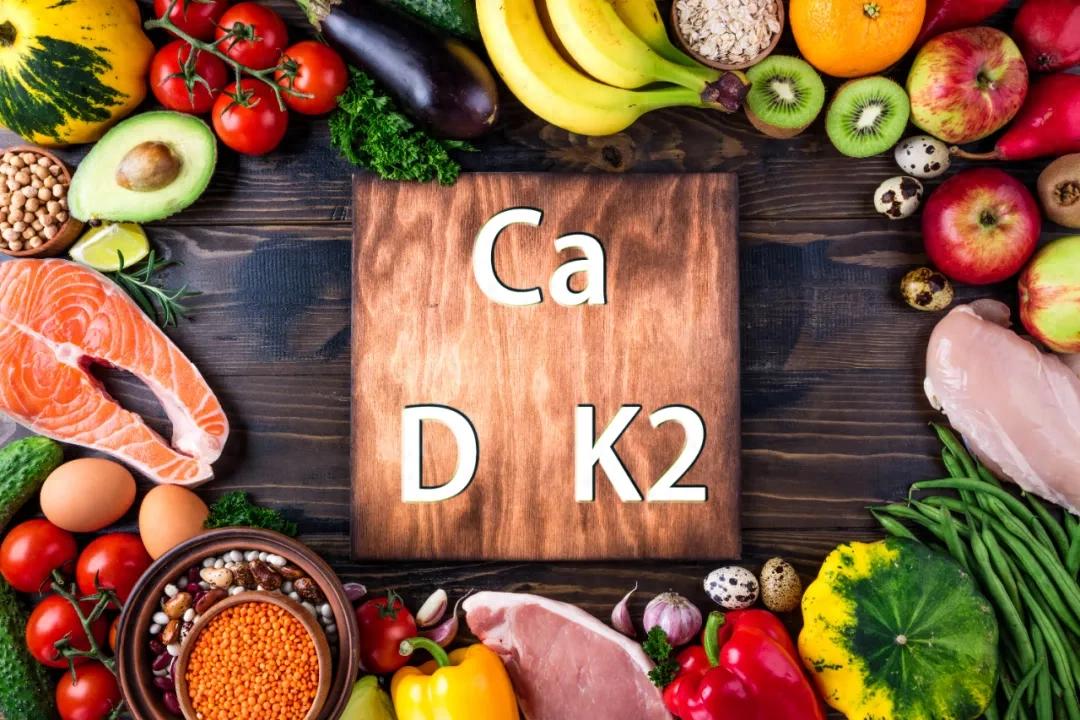
Osteoporosis is a health threat many people face. But when it comes to preventing it, many remain silent and simply focus on calcium supplementation. In fact, we need three guardians of skeletal health — calcium, vitamin D3, and vitamin K2. Only by having them work together can we maintain strong bones. Today, let’s learn how these “three musketeers of bone health” cooperate to help keep osteoporosis at bay.

1. Calcium: The Foundation of Bone Health
Calcium is the main component of bones and teeth and is essential for maintaining bone strength and density. Adequate calcium intake helps prevent osteoporosis, fractures, and other skeletal problems. Calcium supplementation is especially important for bone growth and development during childhood and adolescence.
Diet is one of the important ways to “supplement calcium.” By reasonably combining foods, we can obtain abundant calcium. Leafy green vegetables, dairy products, and soy products are all good sources of calcium.
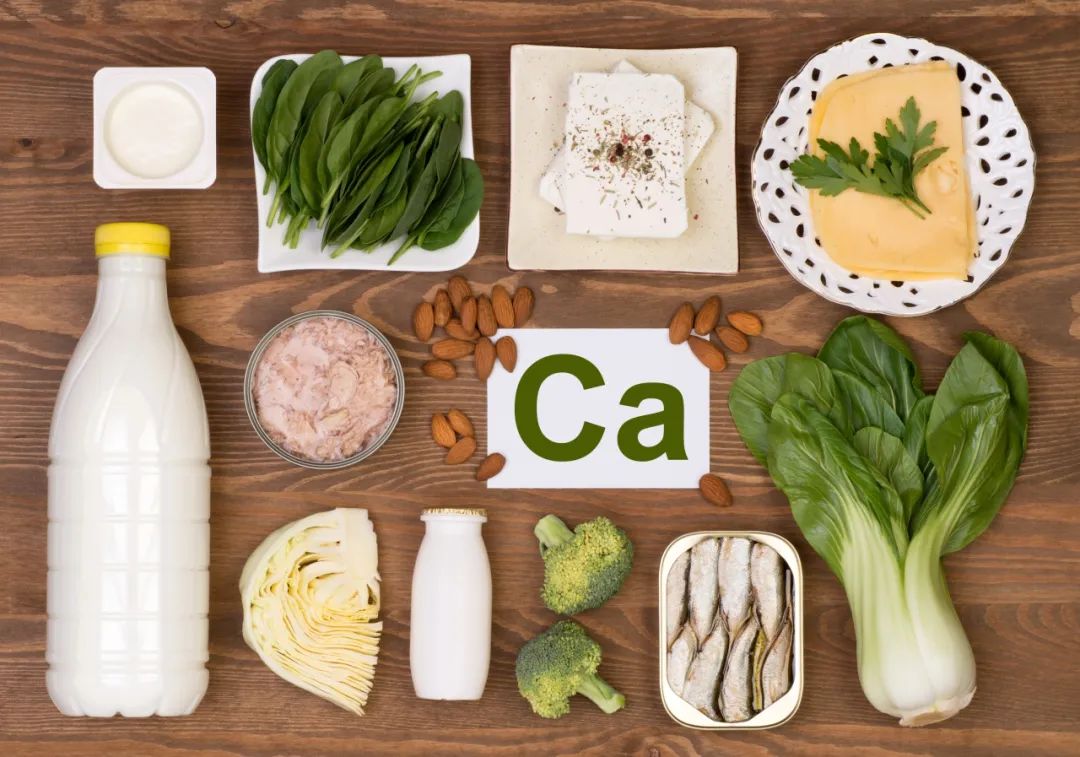
(1) Leafy green vegetables such as bok choy, Chinese kale, and shepherd’s purse are not only rich in calcium but also in vitamin K, which helps with calcium absorption and utilization.
(2) Dairy products such as milk, yogurt, and cheese are not only rich in calcium but also a source of high-quality protein.
(3) Soy products such as tofu, pressed tofu, and tofu shreds are high in calcium and easy to digest and absorb. By reasonably combining these foods, the body's calcium requirements can be met.

2. Vitamin D3: the assistant for calcium absorption
Calcium alone is not sufficient to ensure bone health; this is where vitamin D3 comes in. The primary function of vitamin D3 is to promote intestinal absorption of calcium, ensuring that calcium can smoothly enter the bloodstream and provide ample building material for the bones. In addition, vitamin D3 can regulate the balance of calcium and phosphorus in the blood, creating favorable conditions for the bone mineralization process.
。
Vitamin D3 has multiple sources; the human body mainly synthesizes it naturally in the skin through sunlight exposure.
Sun exposure tips:
(1) Try to expose your limbs to sunlight and enjoy that natural gift. Do not use sunscreen, do not hide behind glass, and do not use an umbrella while sunbathing, so the body can fully absorb the sunlight.
(2) 10:00 AM to 2:00 PM is the ideal time for sun exposure (not applicable in summer); 5–10 minutes at that time is sufficient, and 2–3 times per week is enough.
(3) If you are elderly or have darker skin, you can sunbathe a little longer to allow the body to fully synthesize vitamin D. Children have delicate skin and should not be exposed to intense or prolonged sunlight.
(4) In autumn and winter, when sunbathing outdoors, pay attention to keeping warm and preventing cold; in summer, when UV is strong, avoid sun exposure at midday to prevent skin and eye burns.
(5) Protect the eyes while sunbathing.

When sunlight is insufficient, vitamin D can also be obtained from foods (such as fish, cheese, egg yolk, shiitake mushrooms, and fortified foods).

3. Vitamin K2: the precise navigator of calcium
If vitamin D3 is the assistant for calcium absorption, then vitamin K2 is the precise navigator for calcium. Vitamin K2 can activate specific proteins in bone (such as osteocalcin); these proteins act like construction workers, directing calcium from the blood precisely into the bones, ensuring bone strength and stability. At the same time, vitamin K2 can prevent abnormal deposition of calcium in the vasculature and other soft tissues, thereby reducing the risk of cardiovascular disease.
Vitamin K2 is mainly found in fermented foods, such as natto, cheese, and sauerkraut. By consuming these fermented foods in appropriate amounts, we can easily obtain this guardian of bone health.

When the "three musketeers of bone health" work together, their synergistic effect elevates bone health to a new level. Adequate calcium ensures the calcium supply that composes bone; vitamin D3 promotes calcium absorption; vitamin K2 precisely guides calcium to deposit in bone, forming a strong bone structure.

In addition to diet, we also need to pay attention to:
The key to maintaining bone health lies in a balanced diet and appropriate exercise. In addition to consuming foods rich in the "three musketeers of bone health," it is important to engage in moderate exercise to stimulate bone growth, increase bone density, and reduce fracture risk.
In addition, avoiding smoking and excessive alcohol consumption are also important measures for maintaining bone health. Nicotine in tobacco and alcohol interfere with calcium absorption and utilization, affecting bone health. Therefore, quitting smoking and limiting alcohol are essential for protecting bones.