Daily 5-Minute Transverse Abdominis Strengthening to Stabilize the Spine and Relieve Low Back Pain
In the fast pace of modern life, low back pain has become a common problem troubling many people. In fact, through certain specific exercise movements, we can effectively strengthen the core muscle group and improve spinal stability, thereby preventing and alleviating low back pain.


Core Muscle Group and Spinal Stability
The core muscles are crucial for maintaining the stability of the spinal column. If the core muscles lack strength, the spine becomes unstable and susceptible to injury. Therefore, by training the core muscles, we can enhance spinal stability, prevent sports injuries, and effectively alleviate existing low back and back pain.
Introducing a simple and effective exercise—the dead bug—specifically designed to strengthen the transverse abdominis and core stability, helping you say goodbye to low back pain.
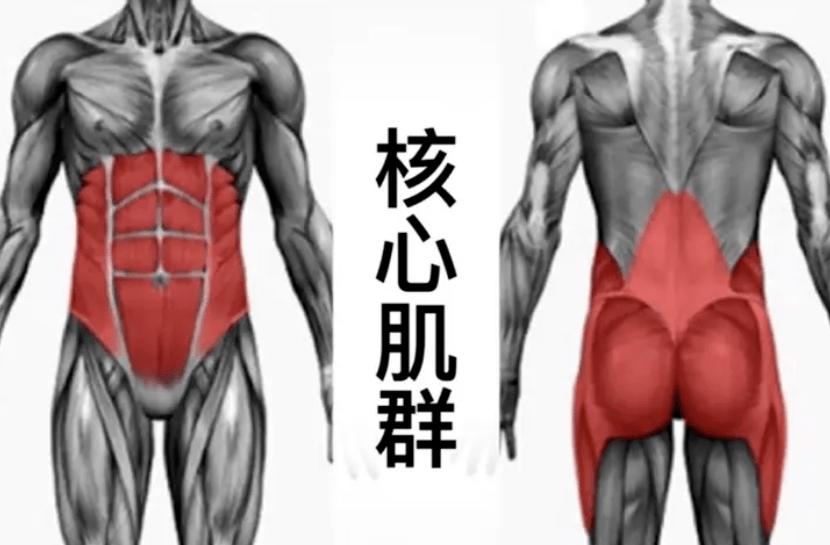
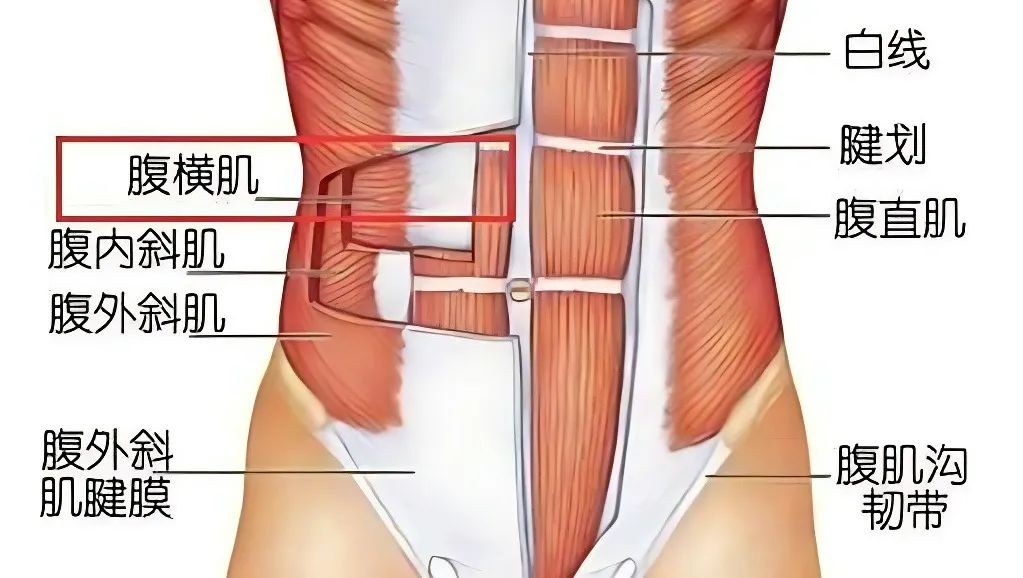
The importance of the transverse abdominis
The transverse abdominis is a muscle hidden beneath the abdominal muscles; its fibers run horizontally like a firm belt and are primarily responsible for stabilizing the spine. During limb movements and many compound exercises—such as squats, deadlifts, pull-ups, and presses—the transverse abdominis plays a vital role. Many people today have an undertrained transverse abdominis, especially those who sit for prolonged periods, which can lead to spinal instability and reduced athletic performance.
↓Dead Bug Exercise↓
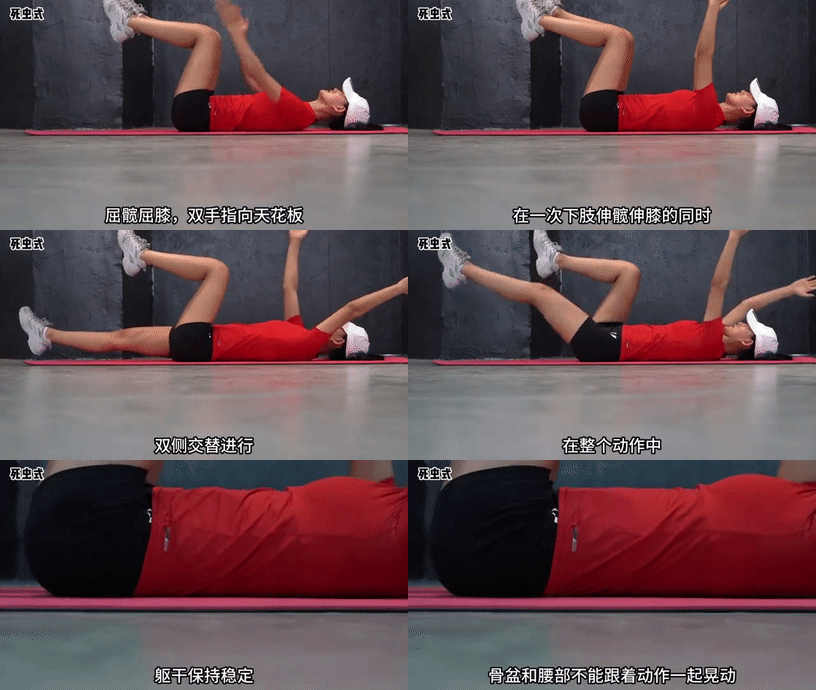
Key Points of the Dead Bug Exercise
The dead bug is an exercise specifically designed to strengthen the transversus abdominis and core stability. Give it a try now! The following are the exercise key points:

1. Preparation movements:
(1) Lie flat on the floor with knees bent.
(2) Inhale deeply, then exhale deeply.
(3) At the end of the exhale, draw the navel toward the spine to brace the core (imagine someone is going to strike your belly with a ball and you’re performing a protective response), while ensuring the lower back stays pressed against the floor. You should feel the entire core region (including the sides and the posterior) tighten.
2. Beginner stage:
(1) Maintain breathing, and while keeping core stability, raise both hands to the front of the chest and lift the knees to 90 degrees.
(2) Throughout the process, the lower back should remain in contact with the ground at all times, and the core area should stay engaged to reduce stress on the back and lower the risk of spinal injury.
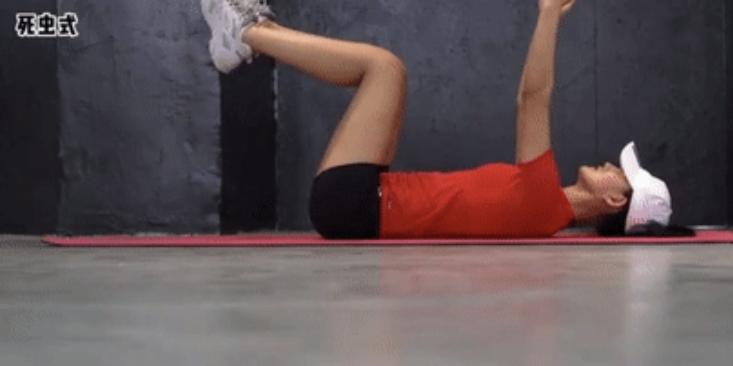

3. Advanced movement: Once you can easily hold the beginner position for more than 60 seconds, you can attempt the advanced movement.
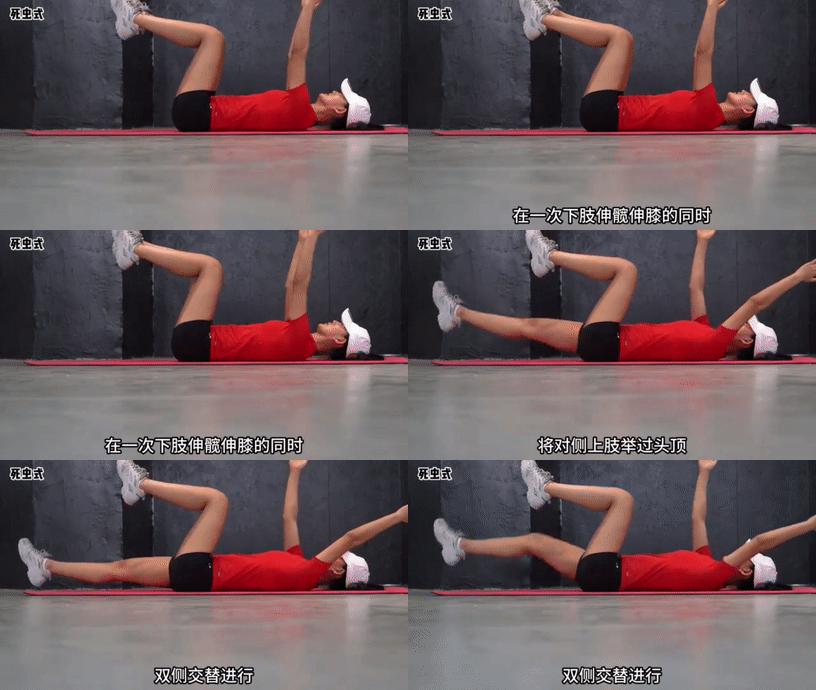
(1) While maintaining core stability, first extend one arm, then extend the opposite leg, and then try to extend the opposite arm and leg simultaneously to form the full dead bug position.
(2) After drawing the hand and leg back to the starting position, switch to extend the opposite hand and leg. Repeat the above exercise, gradually increasing the number of repetitions and duration each session.
How to ensure exercise effectiveness
During the dead bug exercise, the abdomen should always feel as if someone is about to press a ball into your belly; this helps you better maintain core stability.
,
You can also press a resistance band against the lower back to ensure the lumbar spine stays flat against the floor. If you fail to keep the core engaged, the lower back will not hold the band down and it will spring back.
Warm Reminder
1. Exercise cannot replace medical treatment. If you are in the acute phase of low back pain, please seek diagnosis and treatment from a physician first. Do not exercise while ill or injured, lest you worsen your condition.
2. Exercise requires gradual progression and perseverance. Please act within your own limits according to your condition; exercise benefits accumulate over time. By developing a good exercise habit, you can gradually experience the advantages brought by exercise.