Your neck is being "murdered"! Three invisible killers are hiding around you
In the fast-paced modern life, cervical spine problems are increasingly becoming a major health concern. Cervical spondylosis not only causes neck pain and stiffness, but can also trigger headaches, dizziness, numbness in the arms, and a series of other symptoms, seriously affecting quality of life. However, did you know? Some daily habits, if done incorrectly, are actually chronic "murderers" of your cervical spine. Today, we will inventory these "cervical killers."

1. The head-down crowd: cervical spine overwhelmed
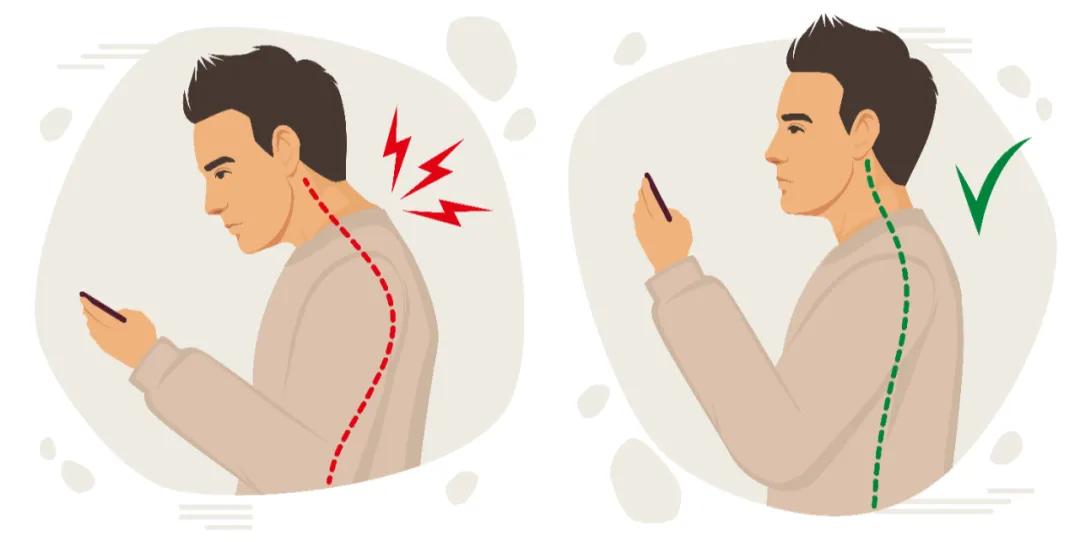
In this digital age, electronic devices such as smartphones and tablets have become almost necessities in people’s lives. However, prolonged looking down at phones or computers places enormous stress on the cervical spine. Studies show that a person’s head weighs about 5 kilograms; when the head is tilted forward 60 degrees to look at a phone, the neck muscles must bear more than five times the head’s weight, i.e., over 27 kilograms.
Prolonged forward-head posture causes the muscles at the back of the neck to remain in a state of continuous tension, leading to muscle spasms, hyperemia, edema, and even aseptic inflammation. These changes accumulate over time and eventually cause pain in the posterior neck and shoulders, and in severe cases can compress nerves, leading to cervical spondylosis.

To alleviate stress on the cervical spine, it is recommended to avoid prolonged periods of looking down at phones or computers whenever possible. If long-term use of electronic devices is necessary, try adjusting the phone or computer screen to be level with the line of sight to reduce time spent looking down. In addition, every ~40 minutes, get up and move, and perform some neck relaxation exercises to relieve neck muscle tension.
2. Blind massage: adding insult to injury for the cervical spine
Cervical spondylosis is one of the common diseases in modern society, and many people like to relieve symptoms through massage. However, if massage is performed improperly, it may not only fail to relieve shoulder and neck symptoms but could actually worsen the condition, and in extreme cases lead to paraplegia or death.
Tui na massage, as a traditional Chinese medical therapy, can indeed provide some relief for mild cervical spondylosis. However, if the cervical spondylosis is more severe and involves issues such as nerve compression, blindly undergoing massage may aggravate the condition. Therefore, before receiving tui na or massage, you must first go to a hospital for a professional diagnostic examination to determine the severity of the disease.
If the doctor determines that tui na or massage is permissible, you must choose a licensed medical institution and have the procedure performed by a professional masseuse. Do not blindly seek folk remedies or go to nonprofessional massage venues for treatment, as this may backfire and cause future complications.

3. Choosing the wrong pillow: cervical spine unable to rest peacefully
Pillows, as an essential item for our nightly rest, have height and firmness that directly affect cervical spine health. If a pillow is chosen improperly, it can not only affect sleep quality but also increase the load on the cervical spine and trigger cervical spondylosis.
When a pillow is too high, it cannot maintain the normal anterior curvature of the cervical spine, which increases cervical load and leads to symptoms such as back muscle tension, shoulder soreness, headaches, and dizziness. Conversely, when a pillow is too low, it can affect the respiratory system and cause mouth breathing, snoring, and other problems.
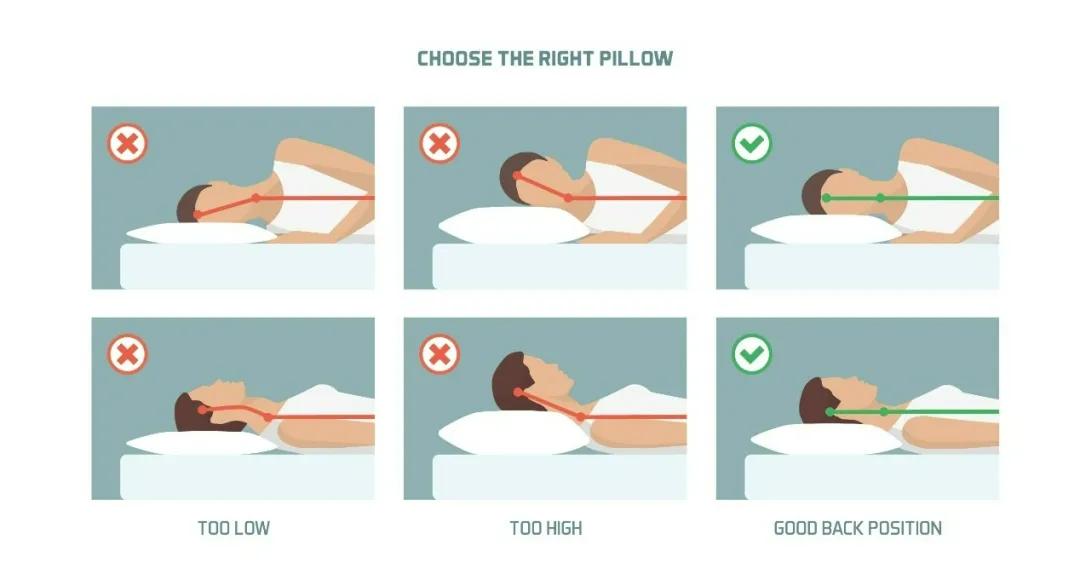
Therefore, choosing an appropriate pillow is crucial for protecting the cervical spine. A good pillow should be able to maintain the normal physiological curvature of the cervical spine, allowing the head, neck, and trunk to form a straight line. When selecting a pillow, you can comprehensively consider factors such as your height, weight, and sleeping habits to choose one that suits you.
At the same time, pay attention to replacing pillows regularly to avoid cervical discomfort caused by pillows that are too soft or too hard. Generally, it is recommended to replace pillows once a year to maintain their good support and comfort.

Cervical spine health affects our quality of life. In daily life, we should try to avoid the aforementioned harmful habits. Only by protecting the cervical spine can we stay free from the troubles of cervical spondylosis and enjoy a healthy, fulfilling life.