Protect Your Knees: Three Effective Ways to Reduce Patellar Wear
Knee pain, especially frequent pain at the front of the knee, and pain that worsens after walking longer distances, is often closely related to patellar wear. As an important component of the knee joint, reducing wear of the patella is undoubtedly an important measure to keep the knee joint healthier.
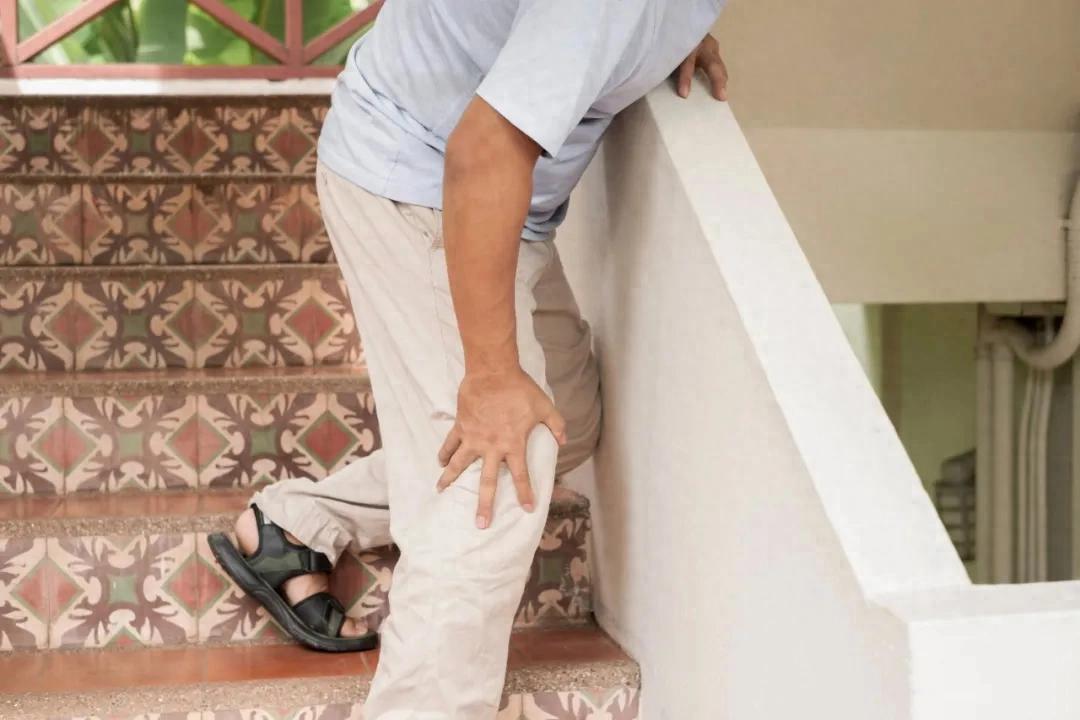
Today, Dr. Huang Sihua from the Second Affiliated Hospital of Xi’an Jiaotong University will tell you three scientific and practical methods to help reduce patellar wear and protect knee health.
First tip: Reduce excessive stress on the patella
With increasing age, natural aging of the body and the accumulation of daily activities, patellar wear is to some extent unavoidable. However, we can slow the wear process by adjusting lifestyle habits to reduce excessive stress on the patella. Specific measures include:
1. Reduce the frequency of climbing stairs, inclines, or mountains: these activities significantly increase the load on the knee, especially when the stairs or slopes are steep, when the pressure on the knee joint can increase to 3–4 times the usual amount or even higher.
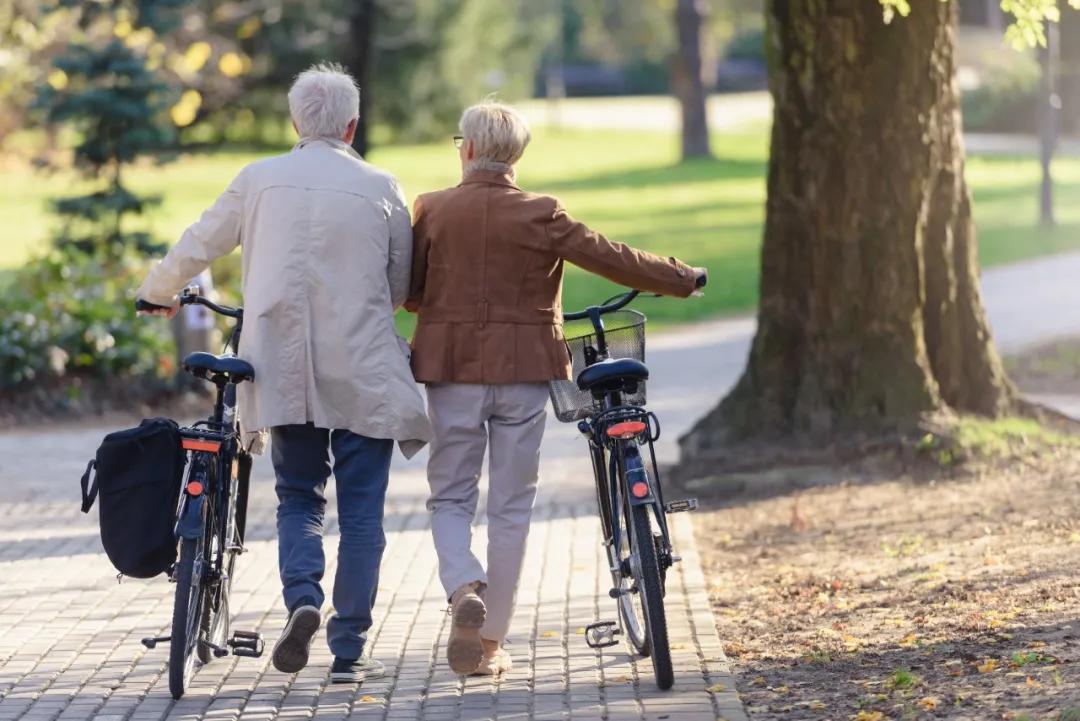
2. Avoid high-intensity exercise: high-intensity or high-impact sports, such as basketball and football, may exacerbate patellar wear. Choose low-impact activities such as swimming, brisk walking, tai chi, or cycling, which are more suitable.
Second tip: Strengthen muscle training
Strong muscles are the joints' natural shield; they stabilize the joint and effectively reduce the load on the patella. Below are some simple and easy muscle training methods:
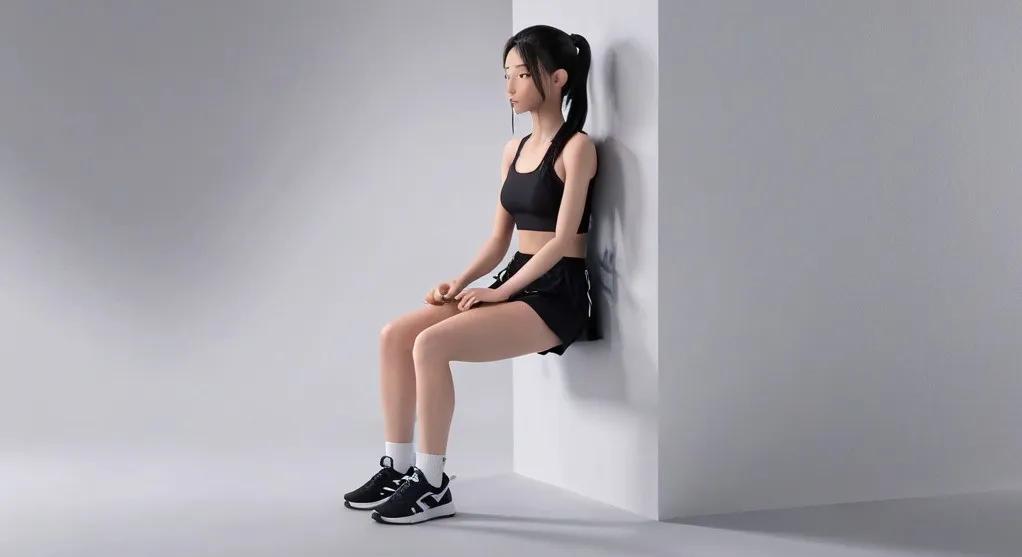
1. Wall-supported static squat:
(1) Upper body against the wall, back and head pressed firmly to the wall, engage the abdomen, feet shoulder-width apart, toes pointing forward;
(2) Bend the hip and knee to squat; when first practicing this may feel strenuous. You can start with shallow squats (greater than 120°), then progress to half squats (100°–120°), and finally to deep squats (90°). Do not let the knees pass the toes;
(3) Hold this position until a distinct aching and fullness is felt in the thighs (10–15 seconds), then slowly stand up, rest 1 minute, and then squat again;
(4) Perform 3–5 sets daily.
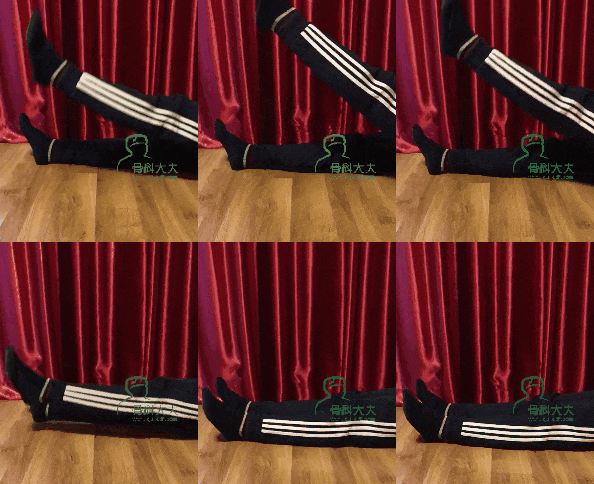
2. Straight leg raises:
(1) Lie flat on your back with both legs extended and feet together.
(2) First dorsiflex the foot, then straighten the knee and slowly raise the leg to about a 30-degree angle, hold for several seconds; slowly lower it and repeat with the other leg.
(3) Perform sets of 15 raises per side; do 3 sets per day.
3. Jogging: Moderate jogging not only strengthens overall muscle strength but also improves cardiopulmonary function; however, pay attention to controlling exercise intensity and duration to avoid overexertion.

Trick Three: Appropriate Weight Loss
Excess body weight significantly increases the load on the patellofemoral joint, thereby accelerating the wear process. Therefore, appropriate weight loss is an effective means of reducing patellar burden and protecting knee health. By adopting a balanced diet and regular exercise and gradually bringing body weight into a healthy range, the risk of patellar wear can be greatly reduced.

Friendly reminder: Each person's physical condition is different. While implementing these measures, be sure to closely monitor your body's responses. If any discomfort occurs or symptoms worsen, seek medical attention promptly and, based on the guidance and examination results of a qualified physician, develop a personalized treatment plan to achieve targeted therapy.