Is Xiaoyan Fei Not the Most Suitable Exercise for Patients with Lumbar Disc Herniation? Are You Still Doing It?
In rehabilitation exercises for patients with lumbar disc herniation, the "Superman" exercise is often mentioned. However, some scientific studies in recent years have indicated that the Superman may not be the best choice for all patients with lumbar disc herniation.
For example, "A Study on the Impact of the Superman Exercise on Lumbar Disc Pressure" found that, in certain cases, the Superman movement may increase pressure on the lumbar intervertebral discs, thereby being unfavorable to retraction of the herniated nucleus pulposus.
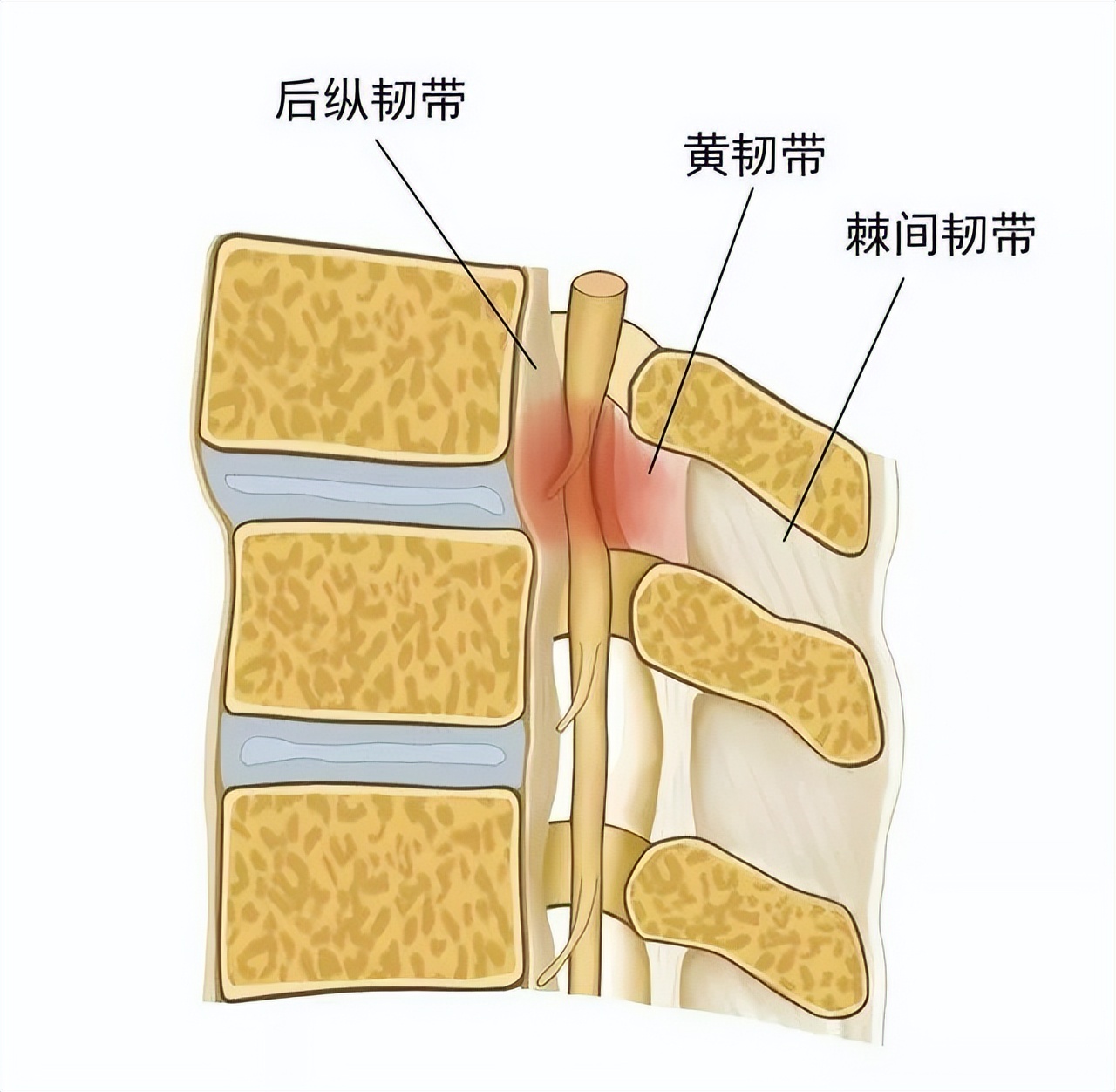
Meanwhile, "A Study on the Relationship between the Superman Exercise and Spinal Canal Stenosis" pointed out that deep extension movements (such as the Superman) may lead to hypertrophy of the posterior ligamentum flavum, which can further exacerbate symptoms of spinal canal stenosis.
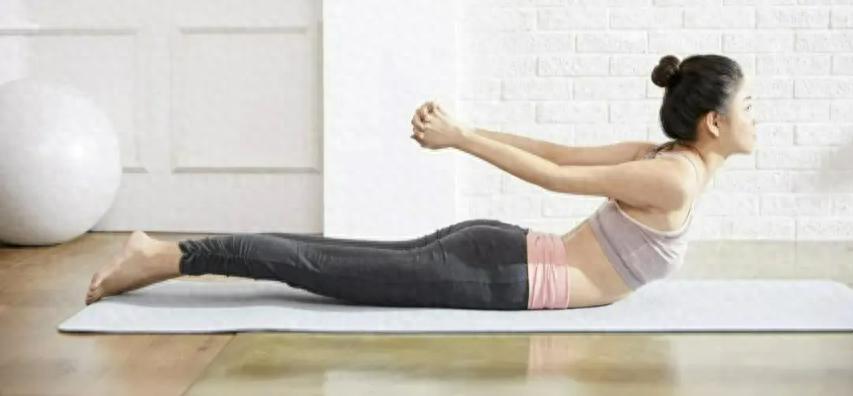
These findings have prompted us to look more closely at the underlying reasons. Today, Associate Chief Physician Yang Junsong of Xi'an Red Cross Hospital discusses with you why the Superman may not be the most suitable exercise for patients with lumbar disc herniation, in order to help you choose a more scientific and better-suited exercise approach.
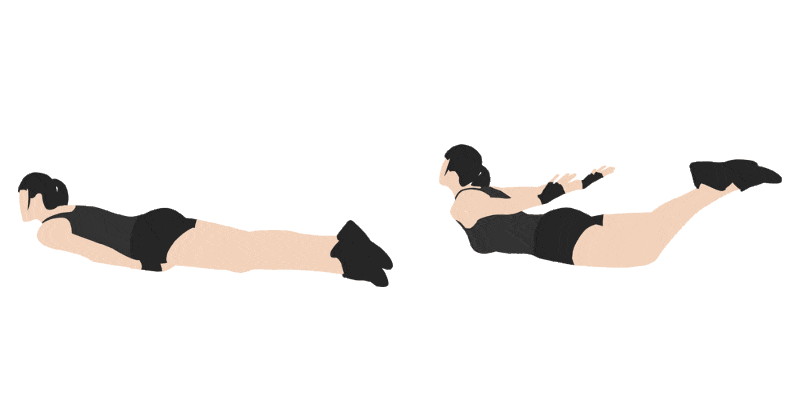
Principle and limitations of the “Little Swallow” (Xiaoyanfei) exercise
The core of the Xiaoyanfei movement lies in using hyperextension of the lumbar back muscles to attempt to tense the annulus fibrosus of the intervertebral disc, thereby promoting retraction of the herniated nucleus pulposus. This physical mechanism seems reasonable, but in clinical practice it is not satisfactory for many patients with lumbar disc herniation.
This is because the causes of lumbar disc herniation are complex and varied, and loss of ligamentous elasticity is an important factor. For these patients, the Xiaoyanfei movement may not effectively reduce the herniated nucleus pulposus and may instead worsen spinal canal stenosis.
Deep extension and the risk of spinal canal stenosis
Exercises that hyperextend the lumbar and back muscles, such as the “Little Swallow Fly” and the five-point support, can all potentially worsen the risk of spinal canal stenosis. They can cause the posterior ligamentum flavum to thicken; thickened ligamentum flavum can buckle and stack, possibly further compressing the spinal canal space and thereby exacerbating preexisting symptoms of spinal canal stenosis.
Spinal canal stenosis is a serious spinal condition that can cause nerve compression, leading to pain, numbness, weakness, and other symptoms. Therefore, for patients who already have a risk of spinal canal stenosis or a lumbar disc herniation with a large nucleus pulposus protrusion, these movements may not be a wise choice.
Do not perform the small swallow dive (Xiaoyanfei) or the five-point plank support
You can choose the following exercise methods
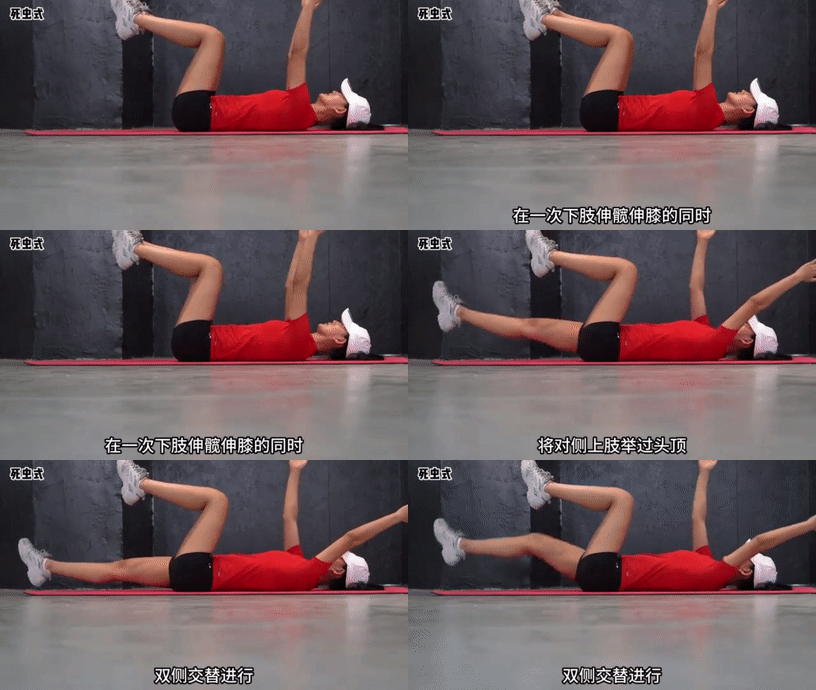
1. Dead bug
Effectively trains the transverse abdominis, which plays an important role in spinal stabilization.
Exercise method
1. Lie supine on the floor with knees bent. Inhale deeply, then exhale fully; at the end of the exhalation draw the navel toward the spine to engage the core while ensuring the lower back remains pressed to the floor.
2. Keep breathing while raising both hands to the front of the chest and lifting the knees to 90 degrees.
3. Throughout the process, the lower back should remain pressed to the ground at all times, with the core area continuously stabilized.
4. Once you can easily maintain the above position for more than 60 seconds, you can try extending the opposite arm and leg simultaneously.
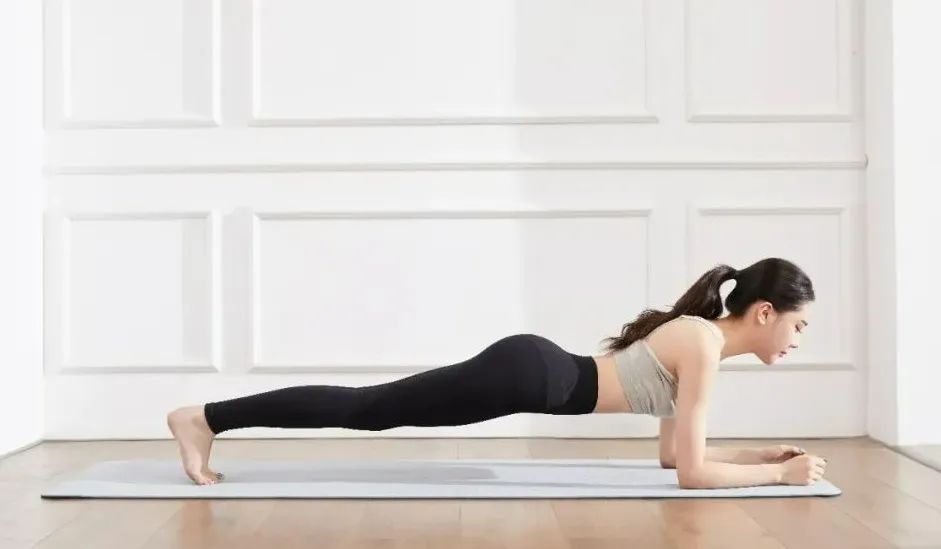
2. Plank
One of the widely recognized most effective methods to train the core muscles.
1. Lie prone, bend both elbows and support on the ground, shoulders and elbow joints perpendicular to the ground, feet planted, body lifted off the ground, torso straight.
2. Keep the head, shoulders, hips, and ankles aligned in the same plane, tighten the abdominal muscles, contract the pelvic floor muscles, lengthen the spine, gaze toward the ground, and maintain even breathing.
3. Hold the position for 60 seconds (beginners can start with 30 seconds and gradually increase), rest 30 seconds and then perform the 2nd set; train for a total of 3–4 sets.
3. Bird dog
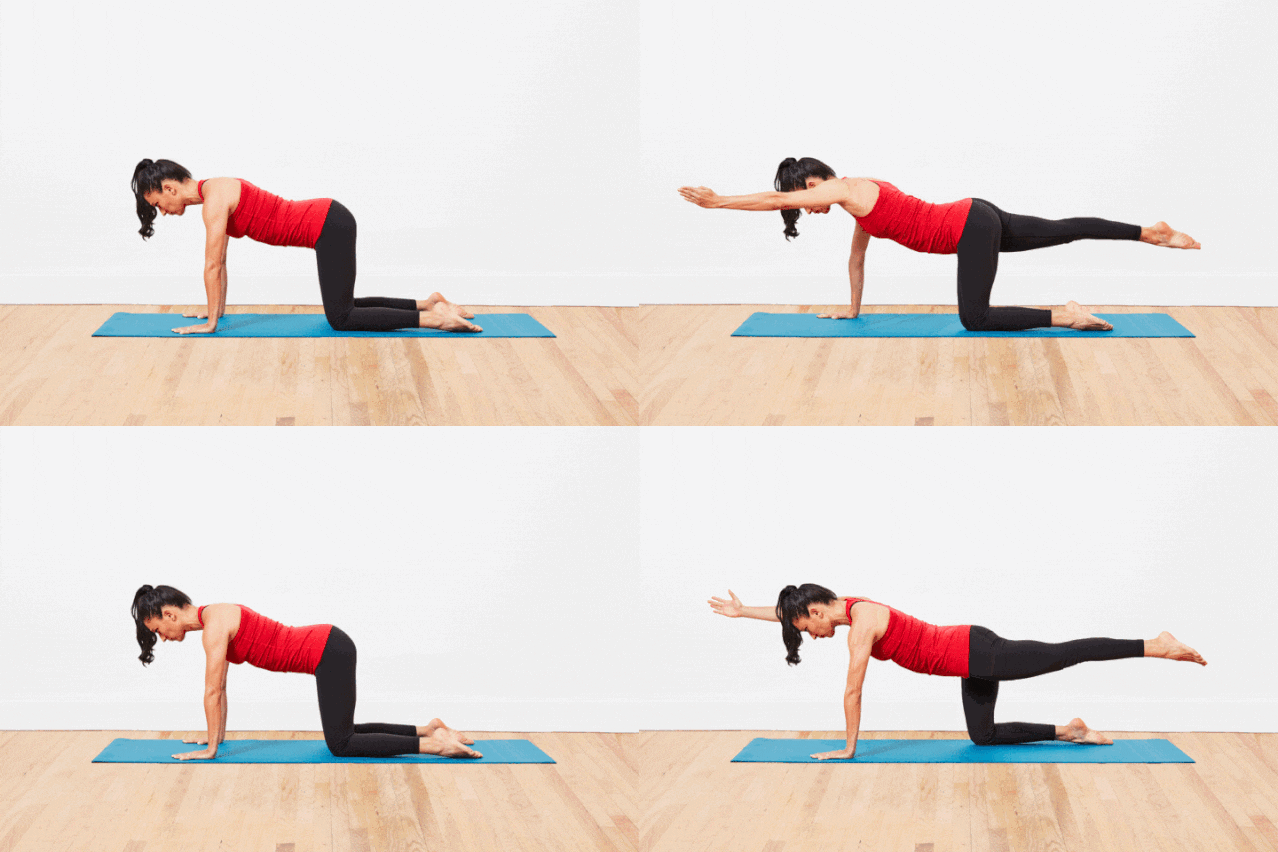
Can simultaneously train the core muscles and the limbs, improving overall body balance.
1. Kneel on the bed or floor, place both hands on the ground with a spacing equal to shoulder width.
2. Simultaneously lift one arm and the opposite leg, extend them outward and straighten, hold for 5 seconds, then switch sides and alternate; perform 15–20 repetitions per set, 3–5 sets.
3. The focus of the movement is not on limb motion, but on core stability and control. During activity at the hip and shoulder joints, the spine should be maintained in a stable, neutral position; the lumbar spine (lower back) should not develop excessive lordosis or kyphosis (should not move).
Warm Reminder
1. Do not exercise while ill, and do not exercise through pain.
2. The frequency and intensity of exercise vary from person to person and should be gradual, progressively increasing the exercise volume;
3. Avoid sudden excessive force during exercise to prevent injury to the lower back from the exercise. If you experience lumbar discomfort the day after exercise, you should appropriately reduce the intensity and frequency of exercise, or stop exercising, to avoid worsening symptoms.
4. For patients with more severe symptoms or at risk of spinal canal stenosis, rehabilitation exercises are recommended under the guidance of a professional physician to ensure the safety and effectiveness of the exercise.