Why do my knees hurt only when going up or down stairs but not when walking on flat ground, and what should I do?
Many people may encounter this situation in daily life: their knees feel fine when walking on level ground, but as soon as they go up or down stairs, the knees feel sore, fatigued, uncomfortable, or even painfully piercing.
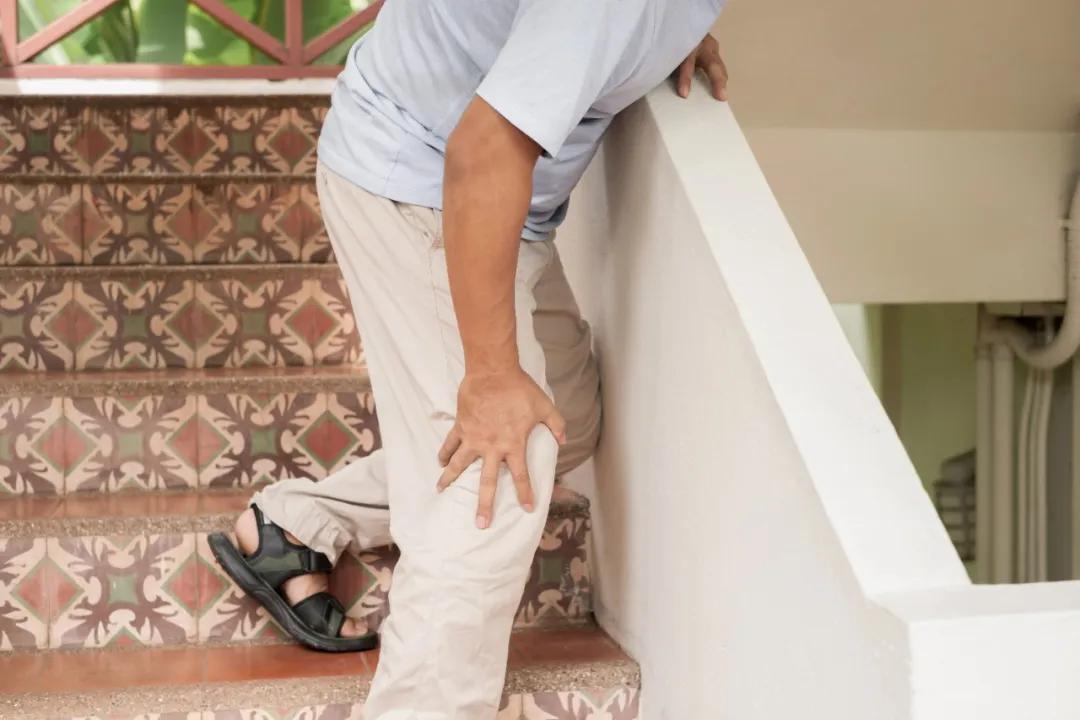
What exactly causes this, and how should it be managed? Today, Chief Physician Ma Jun from West China Hospital, Sichuan University, unveils this mystery for you and reminds you how to respond.
Possible causes
01
01 Patellofemoral arthritis
The patellofemoral joint is an important component of the knee joint, formed between the articular surface of the patella and the intercondylar groove of the femur. The patella is a triangular bone located at the front of the knee; during knee flexion and extension, it glides against the femoral intercondylar groove. This gliding helps stabilize the knee joint and enables us to walk, run, jump, and perform other activities smoothly.
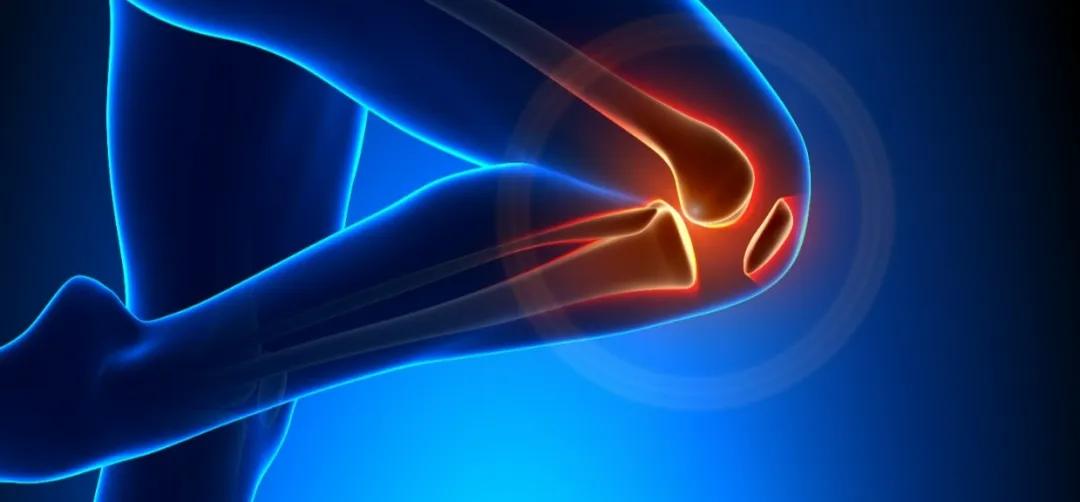
Patellofemoral arthritis (also called chondromalacia patellae) is a common knee disorder. It is a condition in which the cartilage between the patella and the femur wears down, leading to joint inflammation. This wear can be caused by aging, excessive body weight, joint injury, genetic factors, and other reasons. The pressure on the patellofemoral joint increases significantly when going up and down stairs or squatting; if the cartilage is already worn, it can cause marked pain.
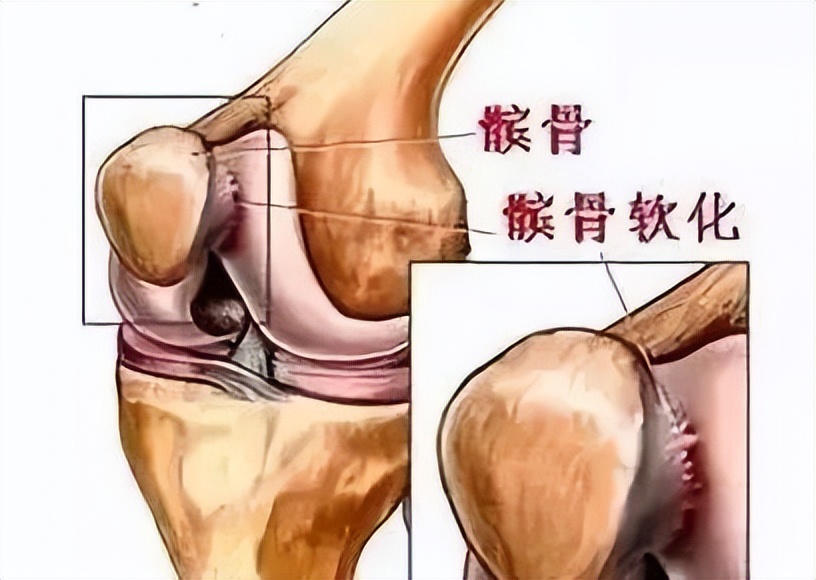
Pathologically, patellofemoral arthritis is characterized by gradual wear of the cartilage and loss of its smooth surface, leading to an uneven joint surface. This irregular joint surface produces friction and increased pressure during movement, further causing synovitis and effusion, which exacerbate pain and swelling.
02
02 Meniscal Injury
Inside the knee joint there is a cushion that serves a buffering function, called the meniscus. When the knee is subjected to violent compression or twisting, the meniscus may tear. When walking on level ground, a torn meniscus may not cause pain because the tear is not compressed. However, when going up and down stairs or squatting, the knee flexes to a greater degree and the compressive forces on the meniscus are higher, which can trigger pain.
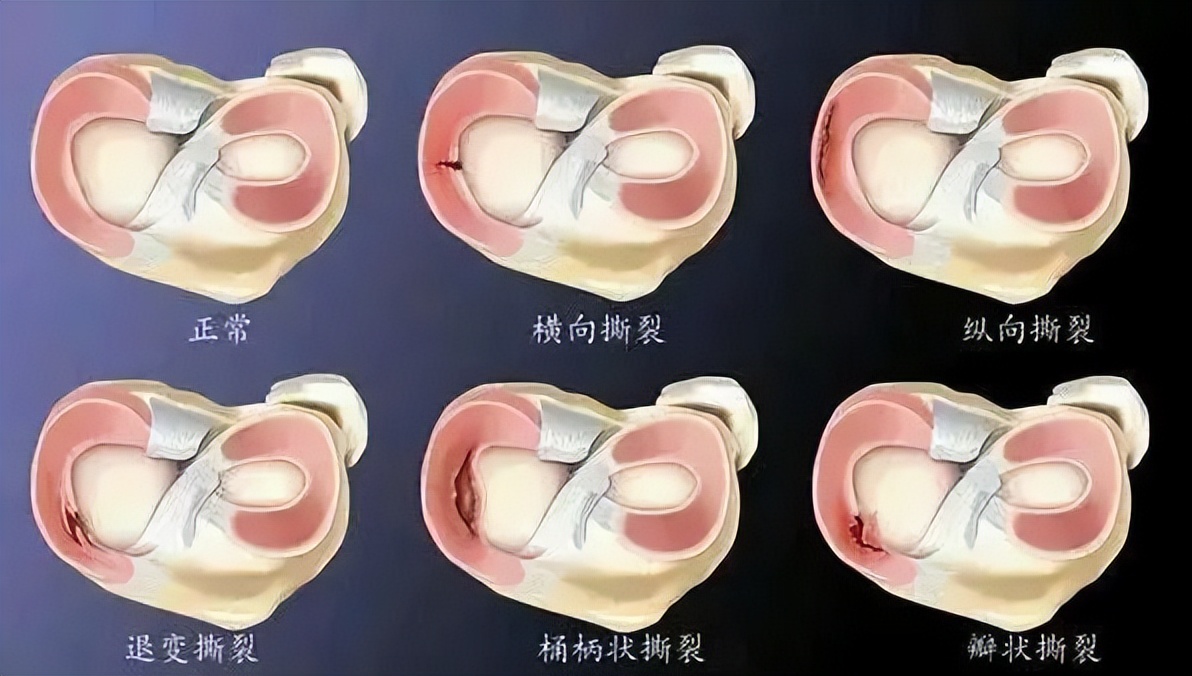
To preliminarily determine whether knee pain is related to a meniscal injury, you can try the following simple self-assessment methods:
Thessaly试验:
Thessaly test:
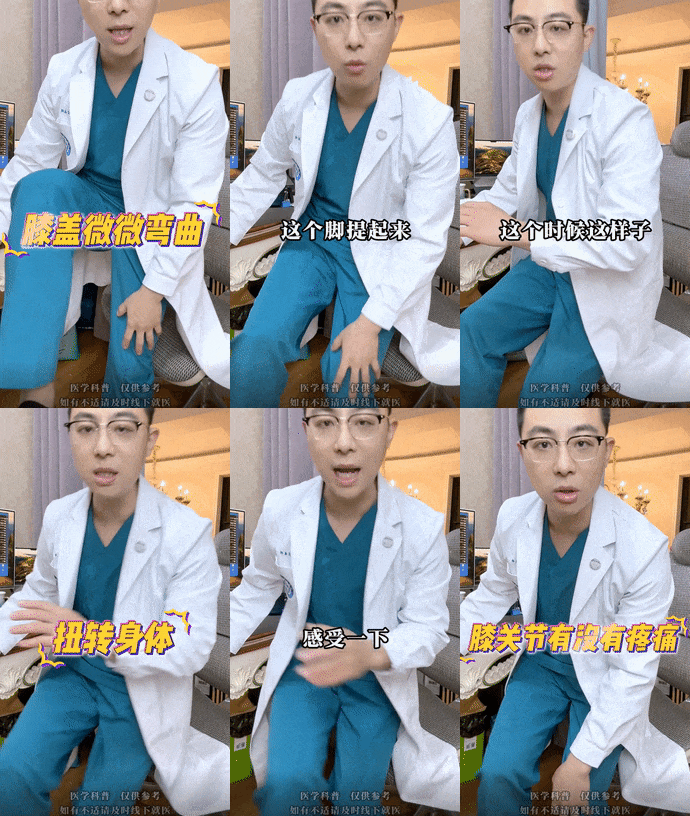
Stand on one leg, you may hold onto a table to maintain balance. Then, slightly bend the weight-bearing knee and lift the other foot. In this position, rotate the body to induce rotation of the knee joint.
During the rotation, carefully note whether there is pain in the knee joint. If pain is felt, a meniscal injury may be suspected. Pain on the medial side suggests a medial meniscus injury; pain on the lateral side suggests a lateral meniscus injury.
How to relieve pain and prevent further injury

1. Reduce activity: During periods of pain, try to minimize activities that increase knee stress, such as going up and down stairs and squatting.
2. Adjunctive therapies: According to your doctor's advice, you can use cold or heat packs, acupuncture, physiotherapy, and other methods to relieve knee pain.
3. Wear a knee brace: Wearing a knee brace during activity can provide additional support and protection for the knee.
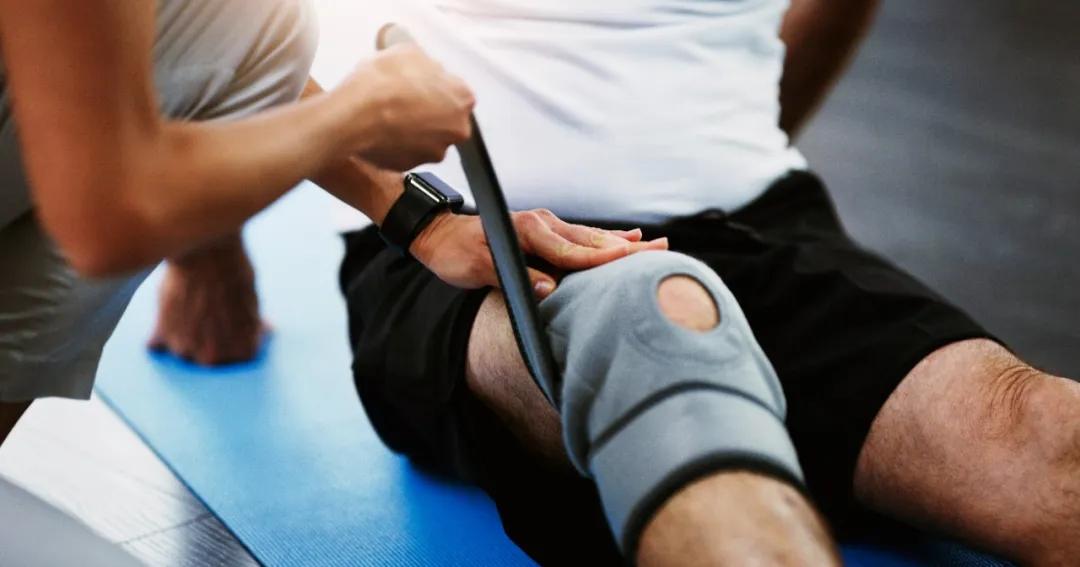

Although the above self-checks and coping measures can offer some reference and pain relief, the wisest course of action is still to visit a qualified hospital as soon as possible for examination in order to obtain an accurate diagnosis and treatment.