Lumbar disc herniation most fears incorrect movements that cause recurrence or worsening — avoid these 7 movements at all costs!
For patients with lumbar disc herniation, certain incorrect movements or exercise methods in daily life can aggravate the condition, so special caution is required. Below are seven movements that lumbar disc herniation patients should absolutely avoid—be careful, performing them incorrectly can worsen the condition!

1. Bending over to lift heavy objects
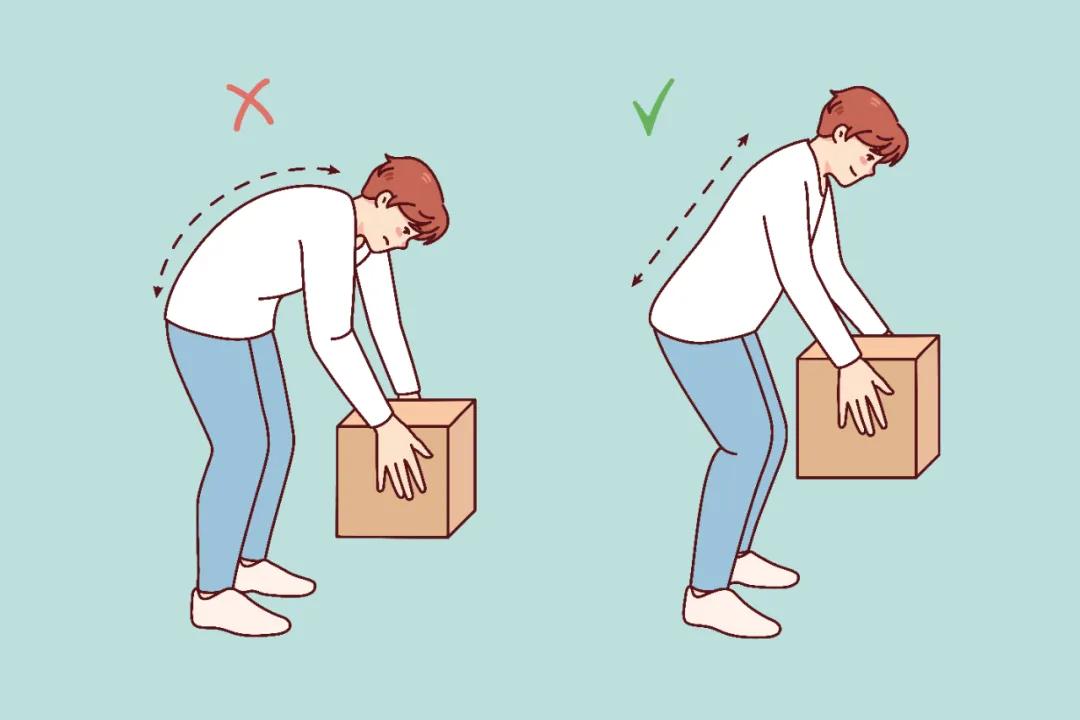
Bending over to lift heavy objects is one of the movements patients with lumbar disc herniation must absolutely avoid. During the process of bending over to lift heavy objects, the lumbar region must bear tremendous pressure; at this time the intradiscal pressure will increase sharply, which can easily lead to further protrusion of the intervertebral disc and aggravate compression of the nerve root.
If lifting heavy objects cannot be avoided, the correct posture should be used: squat first and use the strength of the legs to lift the object, avoiding excessive force from the lower back.
2. Sit-ups
When performing this movement, bending the waist is very vigorous, especially when forcing the back into an arc; the posterior aspect of the lower back is excessively stretched; the vertebral bodies and intervertebral discs in the lumbar region experience increased pressure, which can likely lead to spinal injury and, in severe cases, may cause or aggravate lumbar intervertebral disc herniation.
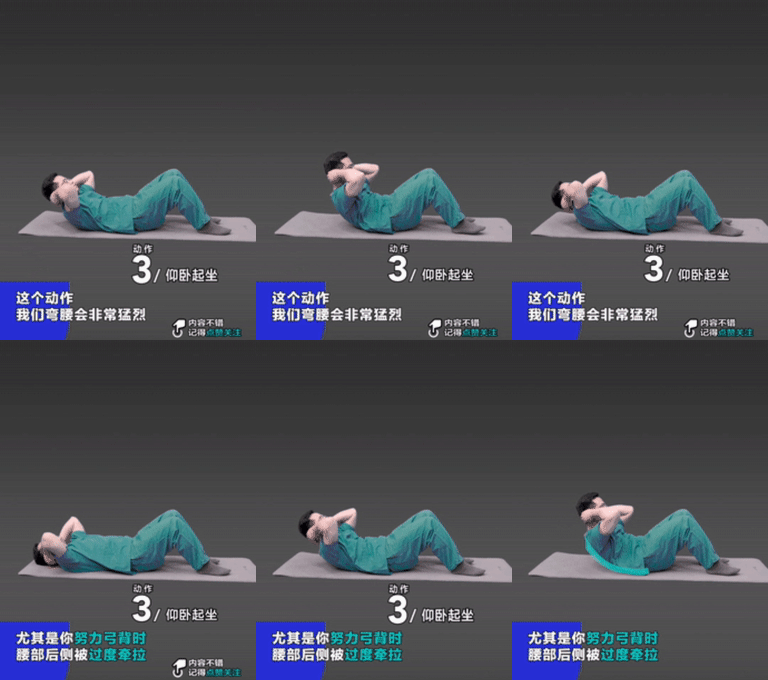
Demonstration of the movements: Dr. Kong Chao, Orthopedics, Xuanwu Hospital, Capital Medical University
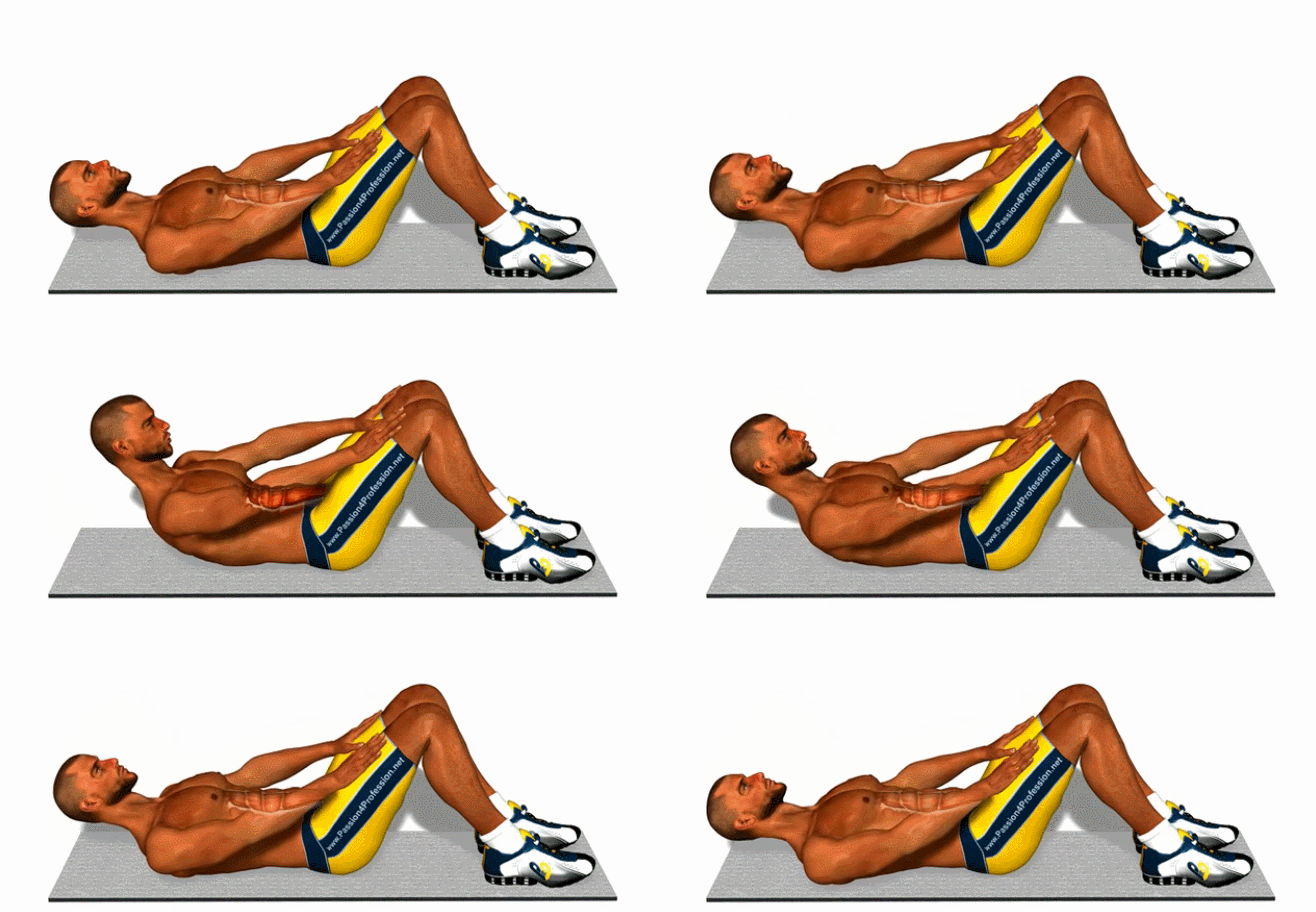
It is recommended to replace traditional sit-ups with crunches for the same type of exercise. They are more effective and do not cause lumbar injury.
3. Prolonged bending when doing manual work
Prolonged bending over to work, such as bending to sweep, mop, wipe the floor, transplant rice seedlings, etc., can keep the lumbar muscles in a prolonged state of tension, subjecting the intervertebral discs to continuous pressure, which is not conducive to disc repair and rehabilitation. Extended forward-bending postures can also alter the normal lumbar curvature, further compromising lumbar stability and accelerating lumbar degeneration. Therefore, patients with lumbar disc herniation should avoid prolonged bending activities in daily life.

4. Vigorous trunk-twisting movements
Vigorous trunk-twisting movements, such as rapid waist-twisting actions in dance or large-amplitude waist twists in aerobics, can impose substantial torsional shear forces on the intervertebral discs, easily causing annulus fibrosus rupture and worsening nucleus pulposus protrusion. In addition, these movements may stretch and irritate nerve roots, causing low back pain and radiating pain in the lower limbs. Therefore, patients with lumbar disc herniation should avoid vigorous trunk-twisting exercises to prevent worsening of the condition.

5. Excessive forward-bending stretching
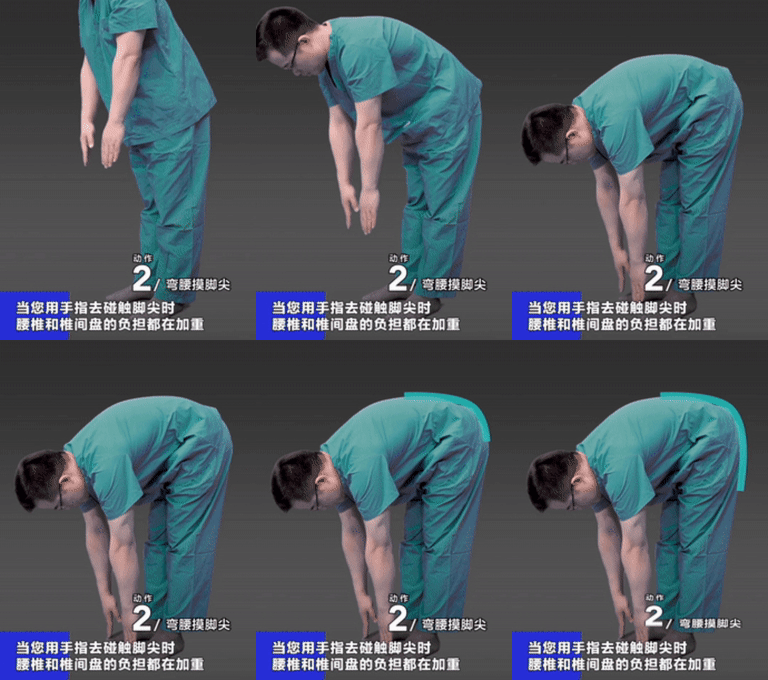
Excessive forward-bending stretches, such as standing trunk flexion (bending to touch the toes) and deep forward-bending poses in yoga, cause excessive lumbar flexion, increase intradiscal pressure, and can easily lead to recurrent or worsened disc herniation. In addition, these movements can strain the lumbar muscles, ligaments, and other soft tissues, exacerbating lower back pain and discomfort.
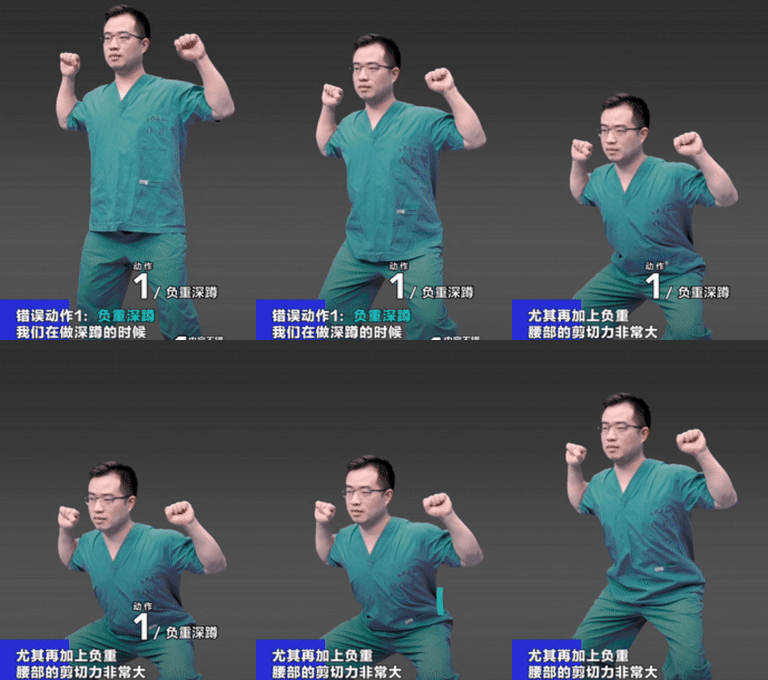
6. Weighted squats
Not recommended for nonprofessionals, those with existing lumbar injuries, or people without a basic exercise foundation. Performing squats generates shear forces on the lumbar spine, and added loading increases pressure on the lower back, making it easy to cause lumbar muscle strain and intervertebral disc injury.
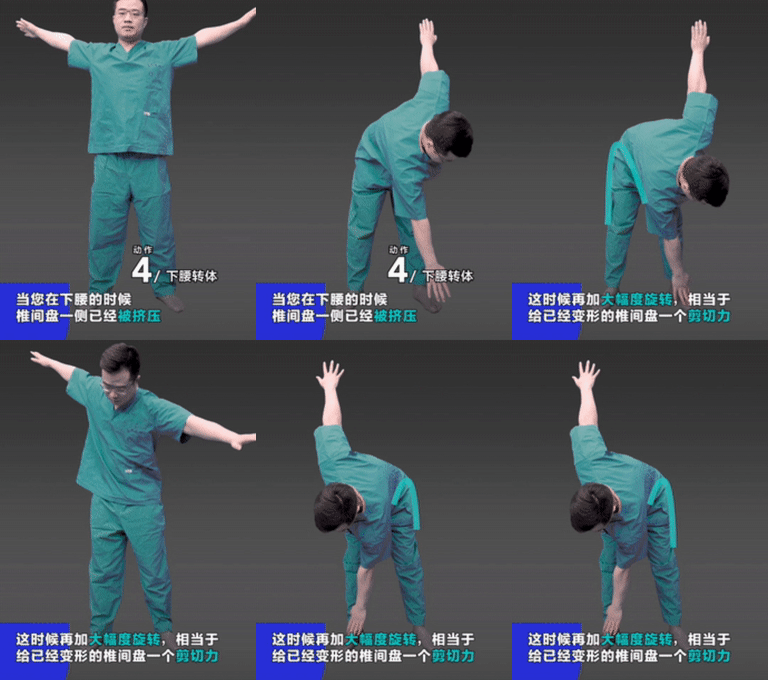
7. Lower back rotation
This is one of the exercises that the general public is very familiar with and commonly uses. When bending the lower back, one side of the lumbar intervertebral disc is already being compressed; if a large rotational movement is added at this time, it will apply a shear force to the already deformed disc. Under the combined action of these two forces, lumbar intervertebral disc injury is even more likely to occur.
Kind Reminder:
1. For patients with lumbar disc herniation, in addition to avoiding the actions listed above, they should strengthen core muscle training, maintain correct posture and lifestyle habits to promote recovery and prevent recurrence.
2. If low back pain suddenly worsens, lower limb weakness occurs, or there is urinary or fecal incontinence, seek medical attention promptly to rule out serious nerve compression or other emergencies.