Osteoporosis Has “Preferences”: 5 Types of Habits That Most “Attract” It to You
The Bad Habits Osteoporosis Loves Most About You
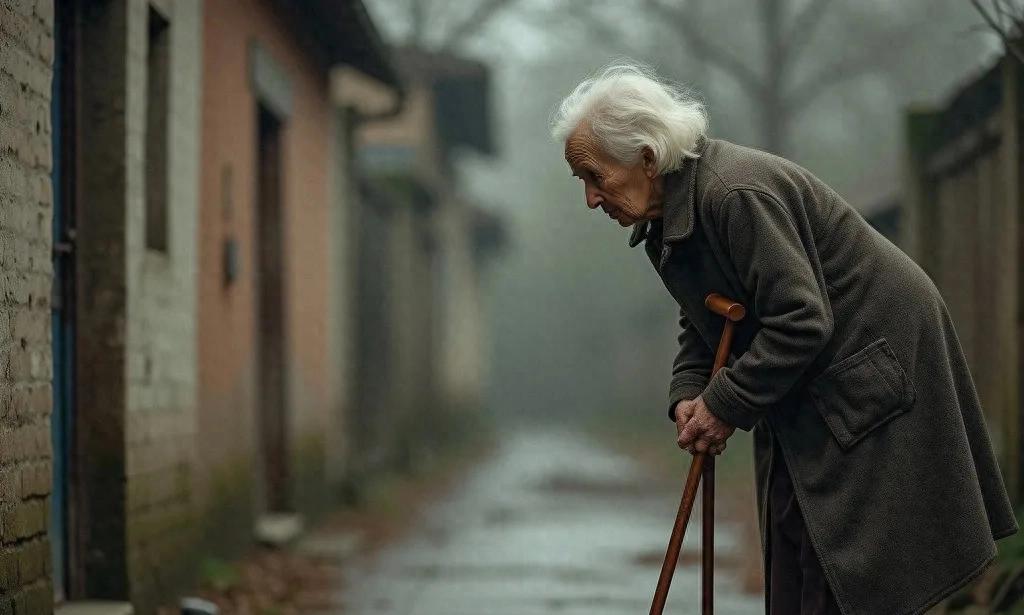
Osteoporosis, this “silent killer,” often silently undermines our bone health until a fracture occurs and it is detected. However, osteoporosis does not occur at random; it tends to invade people who have unhealthy lifestyle habits. Today, let’s explore which five types of habits most readily “attract” osteoporosis to you.
01
1. Refusing dairy accelerates calcium loss
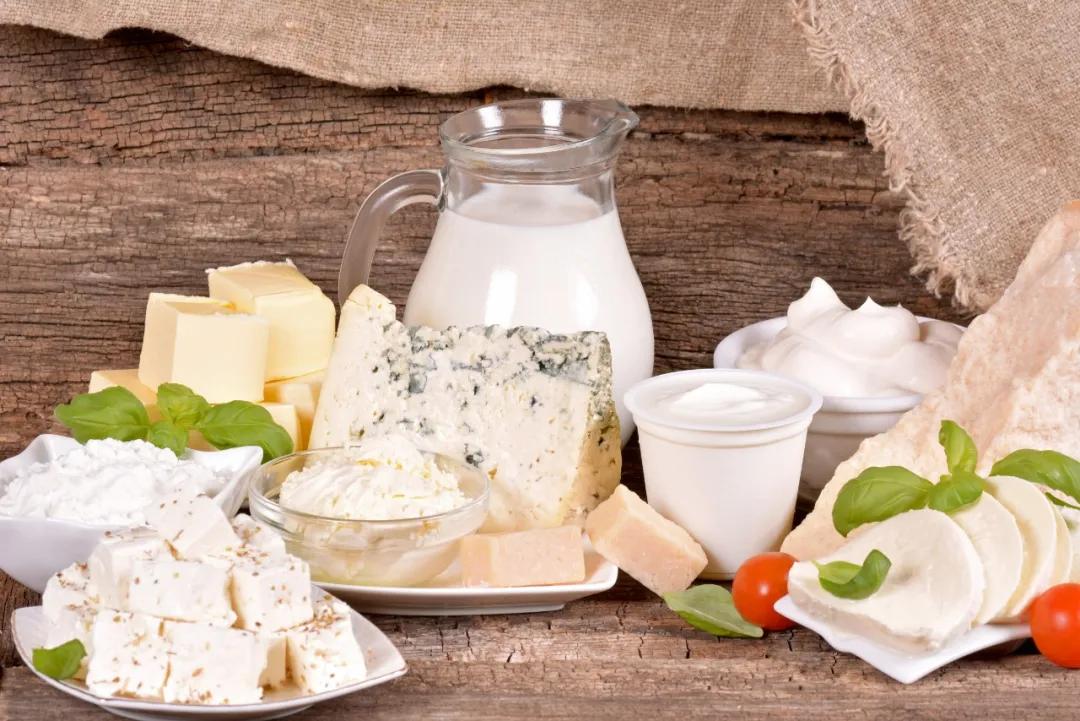
Calcium is an important mineral that makes up bone, and dairy products are a major source of calcium. If you refuse to consume dairy because of allergies, intolerance, or other reasons, and do not supplement sufficient calcium by other means, your risk of osteoporosis will significantly increase.
The Chinese Dietary Guidelines recommend that adults consume 300 g of milk or dairy products daily. For patients with chronic diseases, those with indigestion, immunocompromised individuals, and people with lactose intolerance, an equivalent amount of yogurt can be used to replace milk. Yogurt is best when carbohydrates are within 12%. Cheese is also a good option; it is a good source of calcium and protein and is easily digested, absorbed, and utilized by the body.
If you truly cannot ensure dairy intake, you can supplement calcium through other calcium-rich foods (such as leafy green vegetables, nuts, seafood, etc.).
02
2. Lack of sun exposure and exercise, impaired bone health
Vitamin D is essential for calcium absorption, and the skin can only produce active vitamin D when exposed to ultraviolet B (UVB) in sunlight. If you do not spend enough time outdoors each day, or remain indoors for long periods due to work, lifestyle, or other reasons and lack sun exposure, your vitamin D levels may be insufficient, thereby affecting bone health.
In addition, lack of physical activity can also lead to bone loss. Therefore, it is recommended that you engage in more outdoor activities and appropriately perform weight-bearing exercises and muscle-strengthening exercises to enhance the strength of bones and muscles.

03
3. Poor balance increases falls, raising the risk of fractures
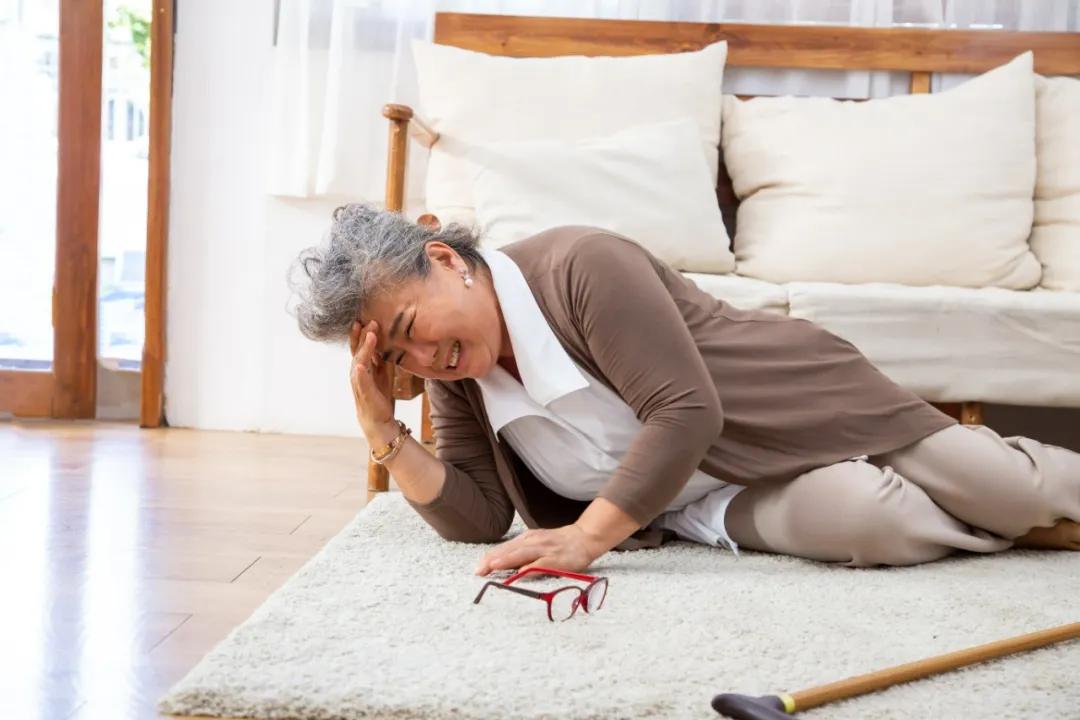
Falls are one of the main causes of fractures. If you are prone to stumbling and do not take preventive measures, your risk of sustaining an osteoporotic fracture will be higher. Improving muscle strength and balance to prevent falls is an effective way to reduce fracture risk. You can enhance body balance and flexibility by practicing exercises such as yoga and tai chi.
04
4. Unbalanced diet and nutritional deficiencies
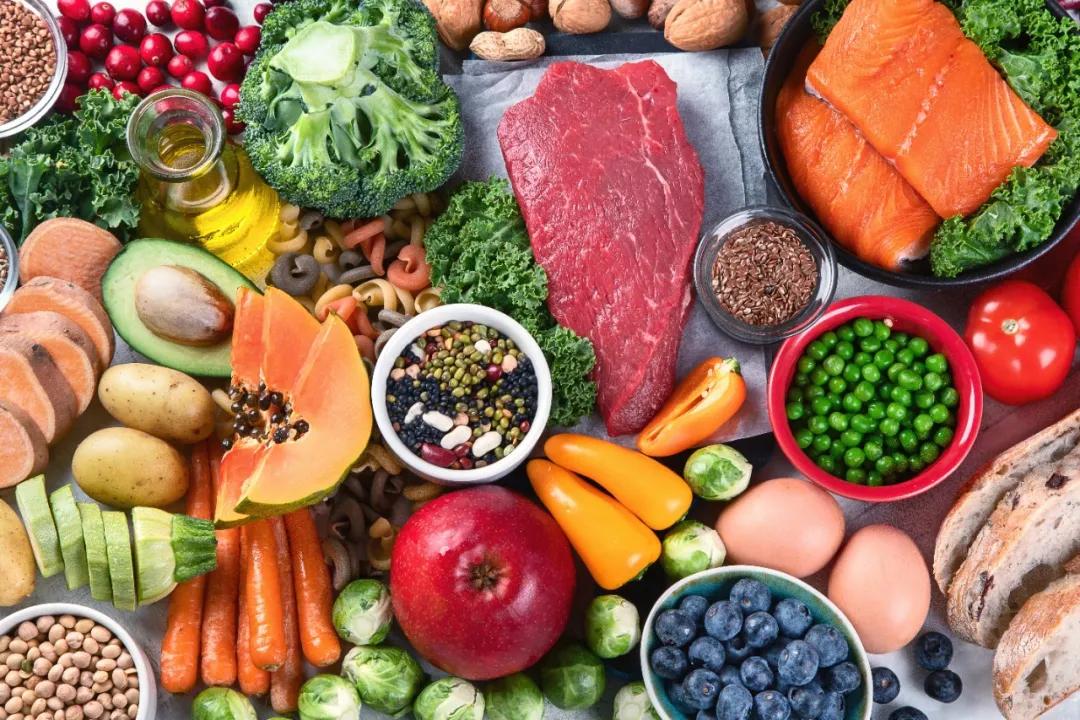
In addition to calcium and vitamin D, bone health requires support from many other nutrients, such as protein, various vitamins, magnesium, silicon, phosphorus, etc. If you have a long-term unbalanced diet and inadequate nutrient intake, your bone health will also be affected.
)
You should maintain a balanced diet and consume sufficient nutrients to support bone health. The "Chinese Dietary Guidelines" recommends consuming a variety of foods every day (an average of more than 12 kinds of foods per day, more than 25 kinds per week), including cereals and tubers, vegetables and fruits, livestock/poultry/fish/eggs/milk, and soybeans and nuts, to meet the body's needs for various nutrients.
05
5. Long-term staying up late affects bone repair
Long-term exposure to high stress or staying up late and insomnia can all damage bone health. Stress can lead to loss of calcium from bone, while lack of sleep affects normal bone metabolism. Therefore, learning to manage stress and maintaining adequate sleep are crucial for preserving bone health. It is recommended that you keep a regular schedule and ensure sufficient sleep to maintain bone health.

Kind Reminder
Osteoporosis does not develop without warning; if you find that you have any of the habit types mentioned above, you should be alert to the risk of osteoporosis and take measures to improve it as soon as possible. By developing good lifestyle habits, we can effectively reduce the risk of developing osteoporosis and protect our bone health.