Running frequently? These 6 habits add points for knee protection and overall health
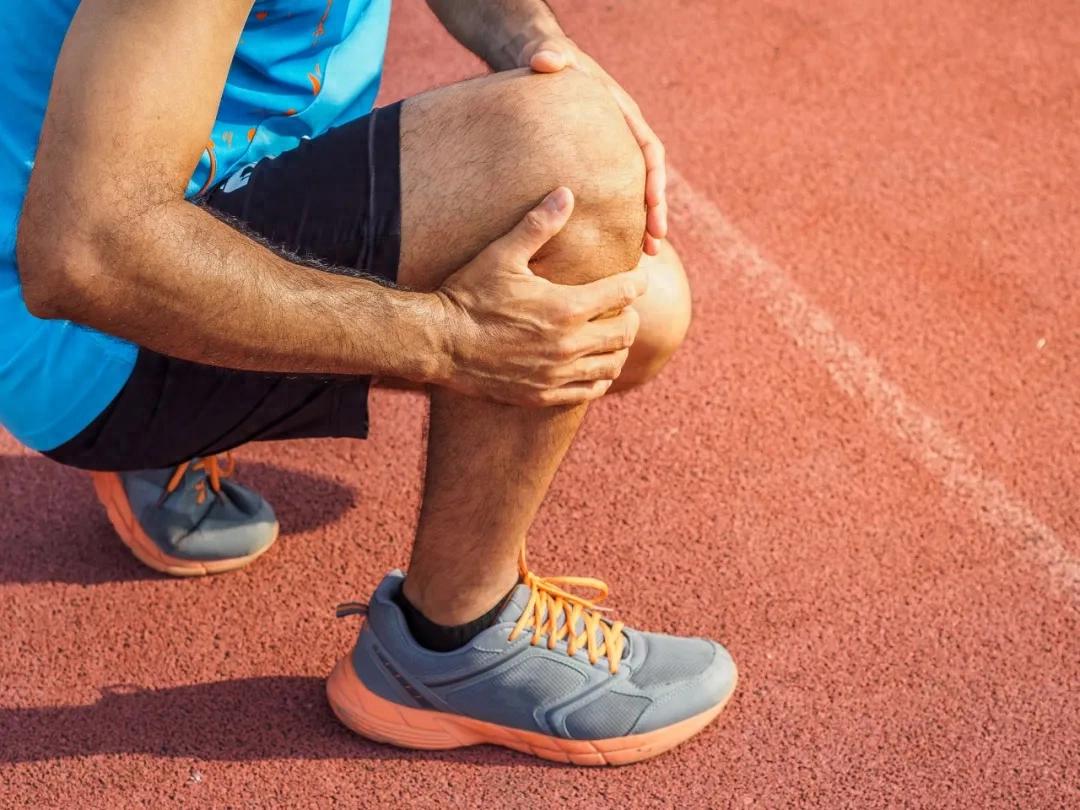
Running, as a widely popular aerobic exercise, not only enhances cardiopulmonary function but also helps burn fat and shape the body. However, people who run often may worry about or encounter knee health problems caused by running. Today, Dr. Liu Qiang, associate chief physician of the Department of Orthopedics and Joint Surgery / Rehabilitation Medicine at Peking University People’s Hospital, reminds you to pay attention to the following six points so they can become health-boosting habits for your running.
1. Adequate warm-up
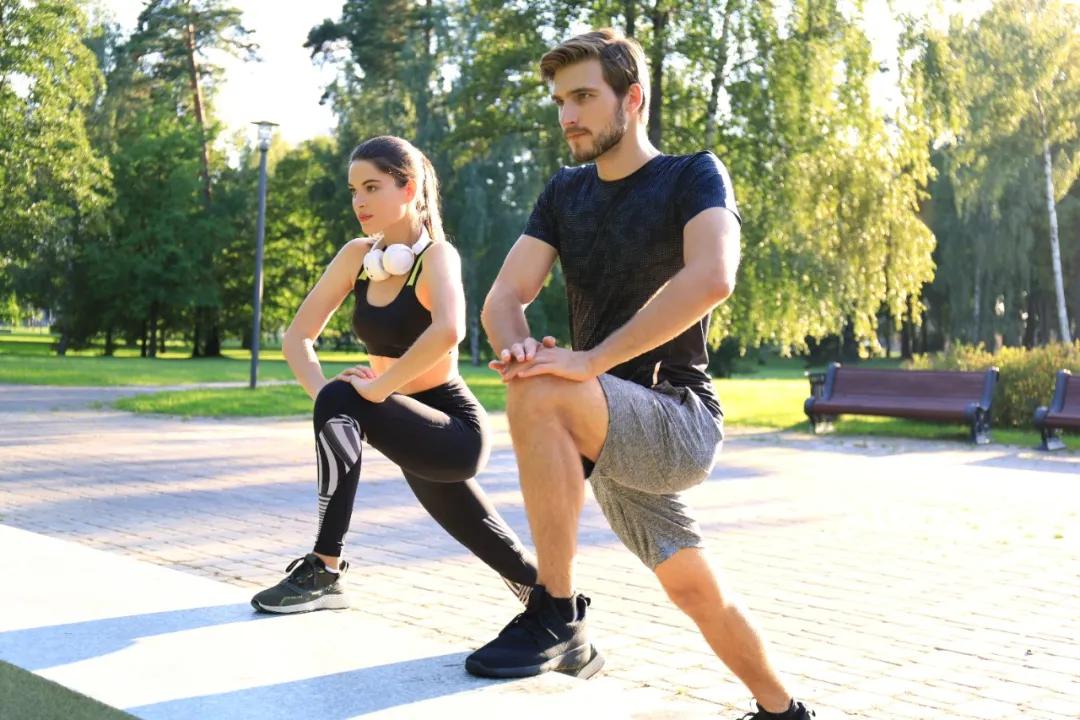
Warming up before running is an indispensable step. Through warming up, the body's joints, especially the knees, can gradually transition from a resting state to an active state. Warm-up activities can include rotation and stretching of the neck, shoulders, waist, hip joints, knee joints, and ankle joints, ensuring each joint receives adequate mobilization.
2. Regularly inspect running shoes
。
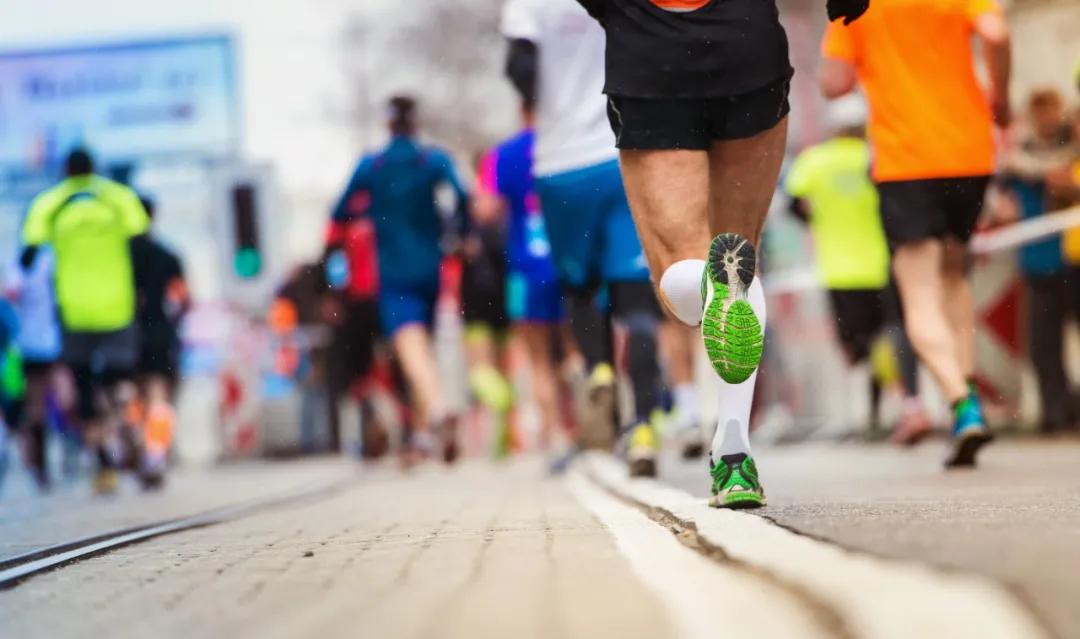
Running is a high-impact sport, and running shoes are important protectors for the knees during running. Therefore, it is crucial to regularly check the wear condition of running shoes. Once shoes show wear, deformation, or no longer adequately support the feet, they should be replaced or repaired promptly. Proper running shoes can provide good shock absorption and reduce the impact on the knees.
3. Ice application after running
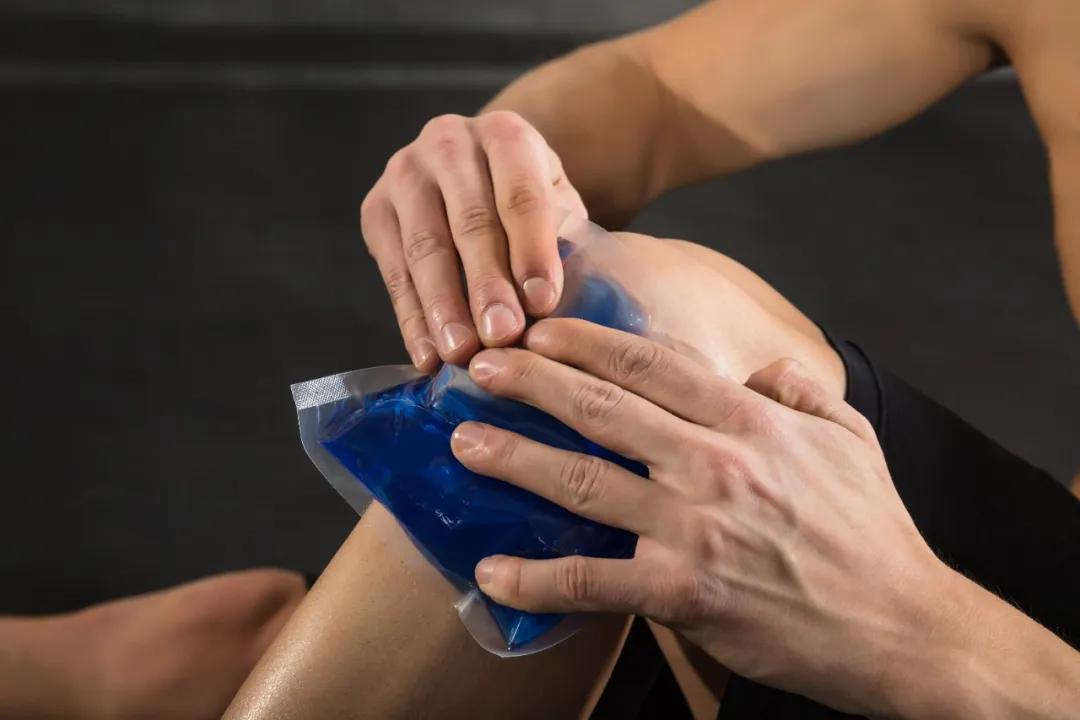
For people who run frequently, damage to bones and joints is inevitable. To reduce knee inflammation and pain, applying ice after running is an effective measure. Ice application can lower local inflammation levels and reduce the release of inflammatory factors, thereby protecting the knee from sports-related injury.
4. Replenish electrolytes
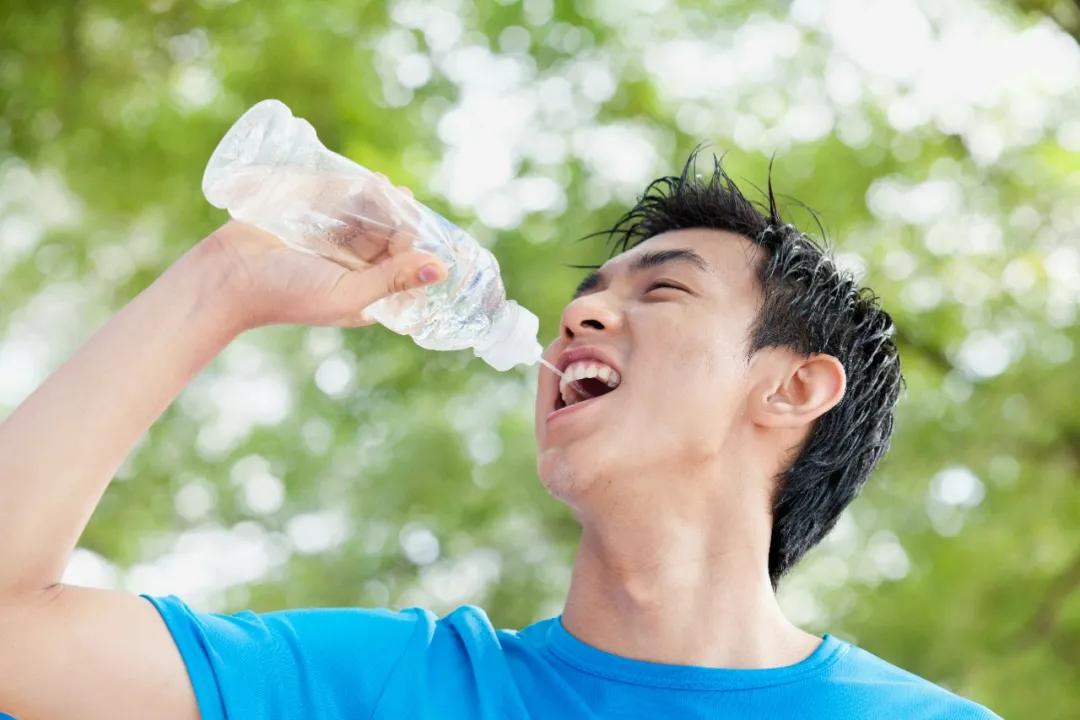
Long periods of running can cause heavy sweating, leading to loss of electrolytes. If you run for more than 30 minutes or exercise in hot summer weather, it is very important to replenish electrolytes appropriately during and after running. You can choose sports drinks or beverages containing electrolytes, sipping slowly in small amounts to restore the water and electrolytes your body needs.
5. Proper running posture and landing technique
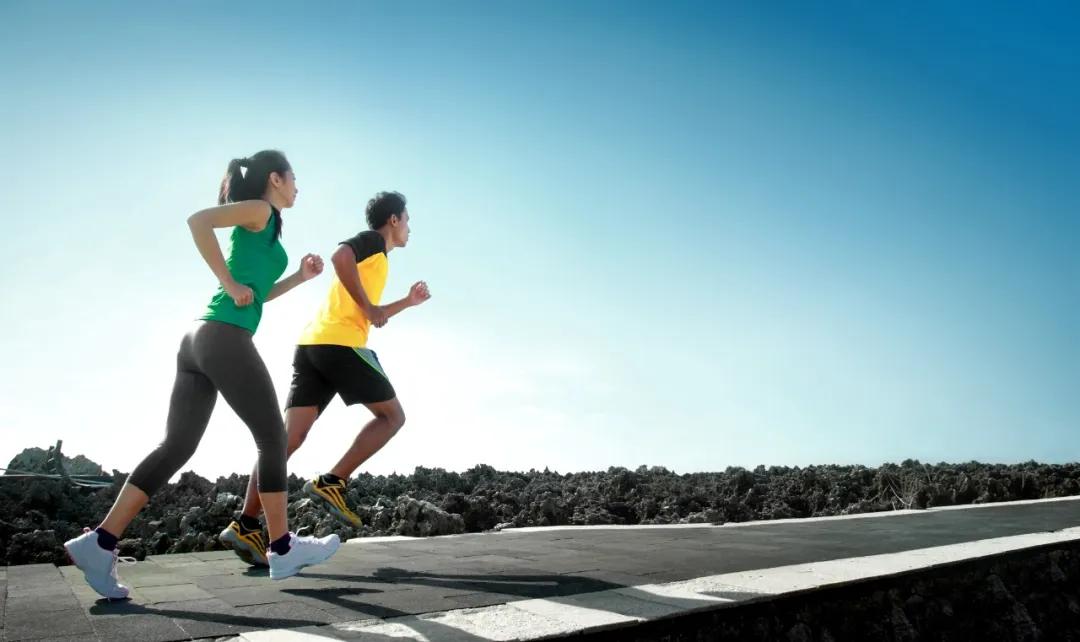
Running posture and landing technique have a great impact on the knees. Correct running posture should involve a slight forward lean of the body, natural arm swing, slightly bent knees, and light steps. When landing, the midfoot should strike first, then transition to the whole foot; avoid landing directly on the toes or heels to reduce the impact on the knees.
6. Walk and stretch appropriately after running
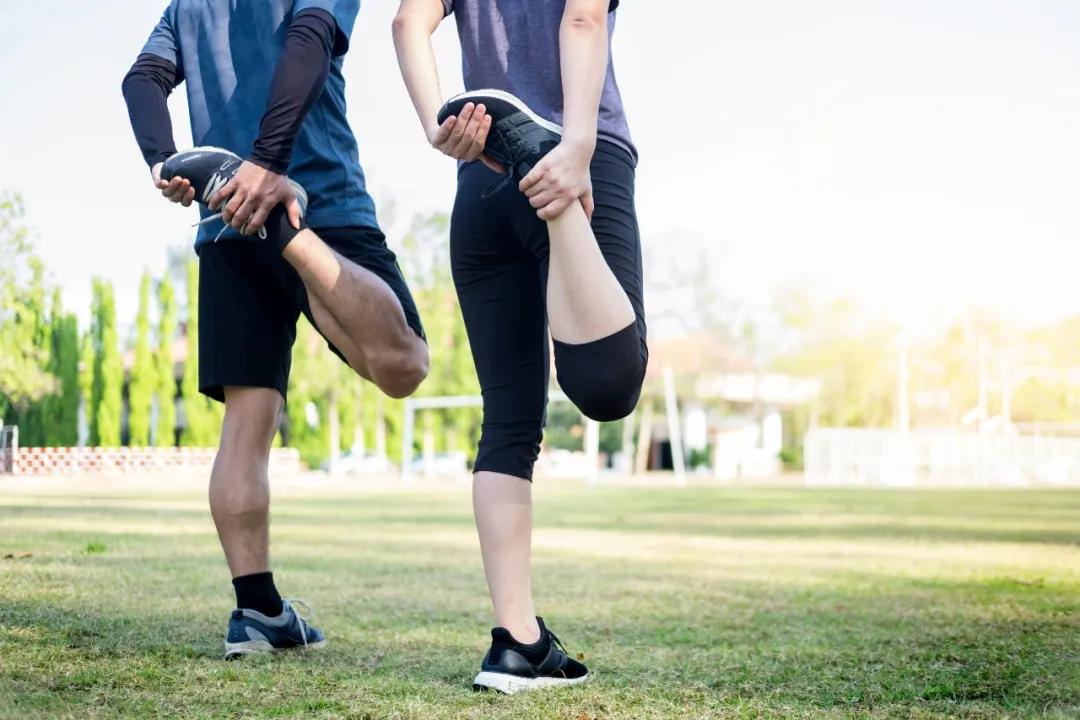
After finishing a run, do not stop and rest immediately, as this is detrimental to the cardiopulmonary and circulatory systems. You should walk moderately to allow the body to gradually calm down. Afterwards, performing stretches to relax the muscles is also very important. Stretching the muscles on the front and back of the thighs and the calves in particular helps reduce muscle tension and soreness.
Adopt the six habits above to better enjoy the pleasure and health benefits that running brings!