Five Movements That Damage the Knee: Menisci and Ligaments Fear These Actions Most

As one of the largest and most structurally complex joints in the human body, the knee bears the important tasks of supporting body weight and enabling flexible movement. However, in daily life, some seemingly ordinary actions that you frequently perform can damage the knee joint, especially key structures such as the menisci and knee ligaments, which are particularly susceptible to injury from these movements.
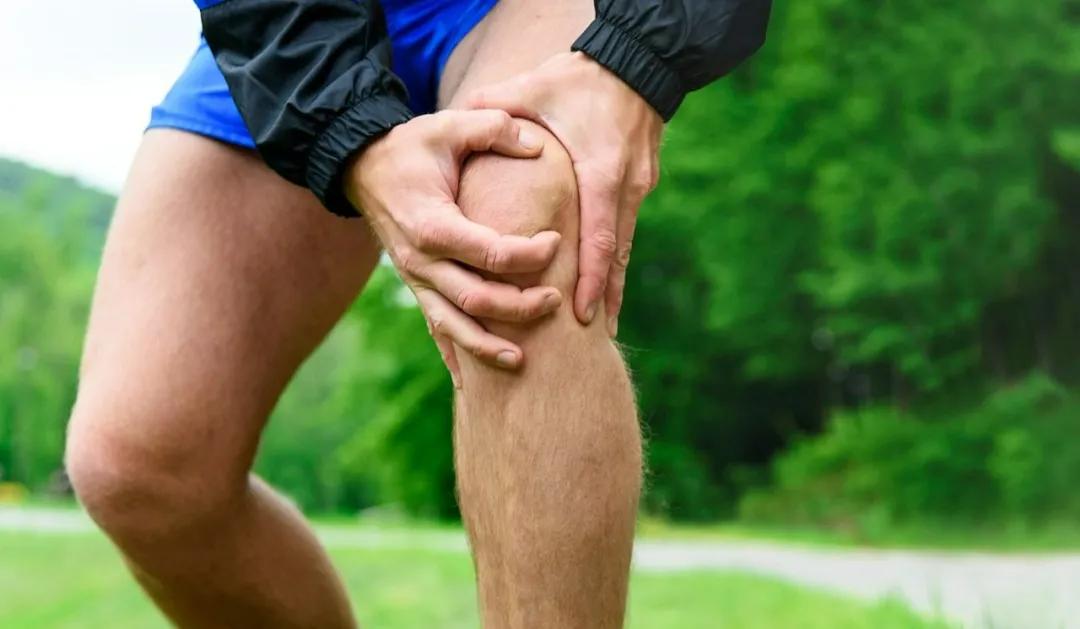
Today, Dr. Sha Yu, Director of Orthopedics at Henan Provincial Third People’s Hospital, lists five movements that easily injure the knee and reminds you to avoid them as much as possible in daily life.
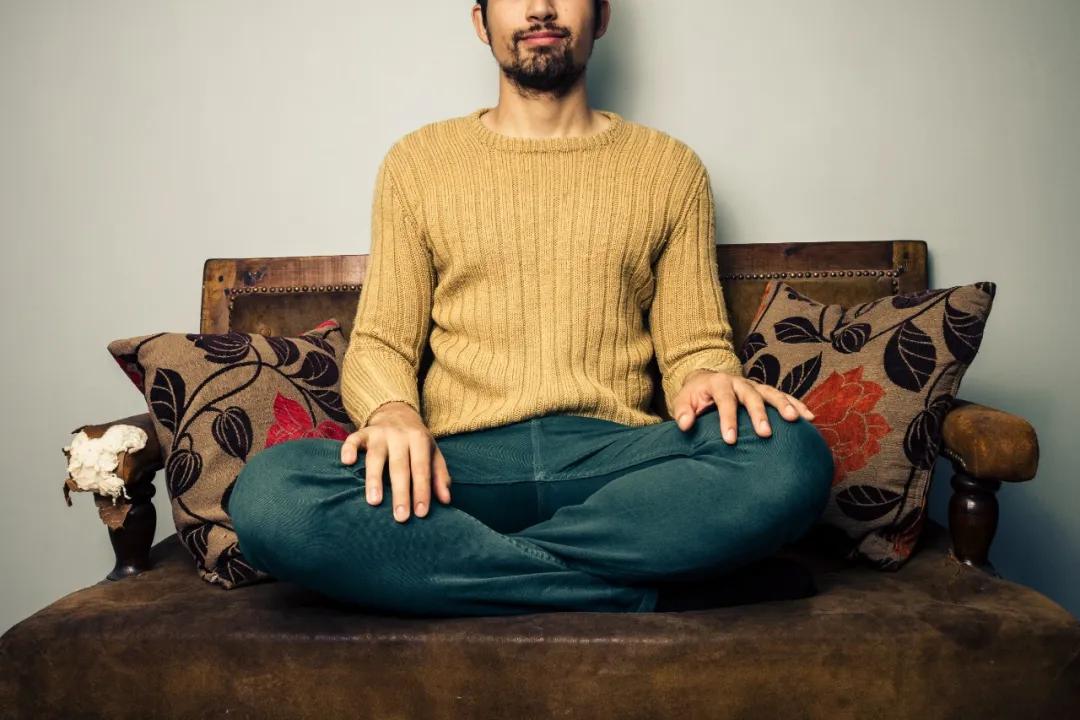
1. Sitting cross-legged: the hidden killer of the medial meniscus
Sitting cross-legged is a posture that seems relaxed and comfortable, but it hides considerable risk for the knee joint. This position can easily subject the medial meniscus to uneven pressure, and with long-term accumulation may lead to medial meniscal injury. The meniscus is an important cushioning structure within the knee joint; once damaged, it can cause joint pain and may affect joint stability. Therefore, it is recommended to avoid sitting cross-legged for long periods to protect knee health.
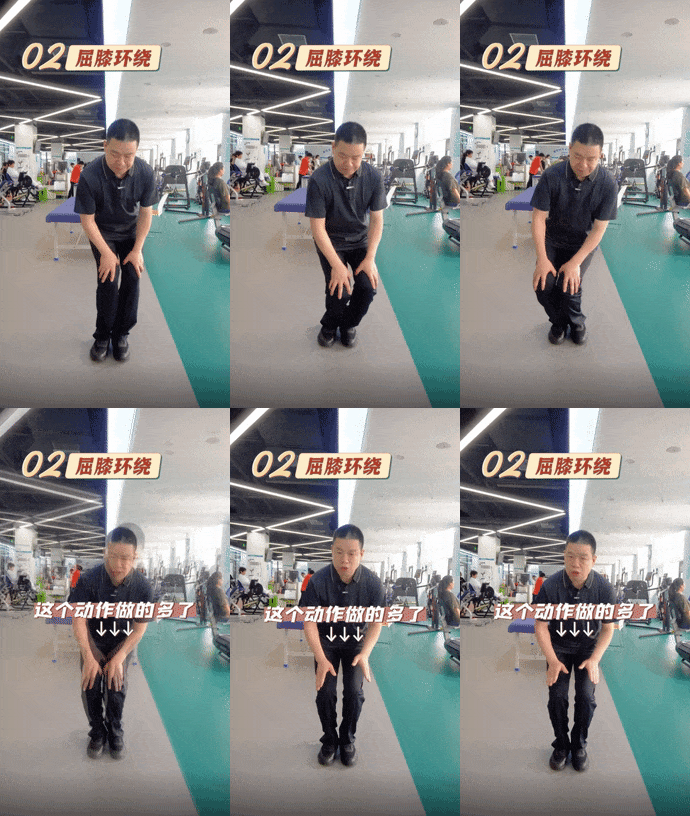
2. Knee flexion circles: the trap that grinds the meniscus
Knee flexion circles are a common warm-up or relaxation movement, but if performed excessively or improperly, they can cause abrasive damage to the meniscus. During knee flexion circles, the meniscus is compressed between the femur and tibia like a grinding wheel; if the range of motion is too large or the speed too fast, it can cause excessive wear of the meniscus. Therefore, when performing such movements, control the range and speed to avoid placing unnecessary burden on the knee joint. Of course, it is best to substitute these with healthier movements.
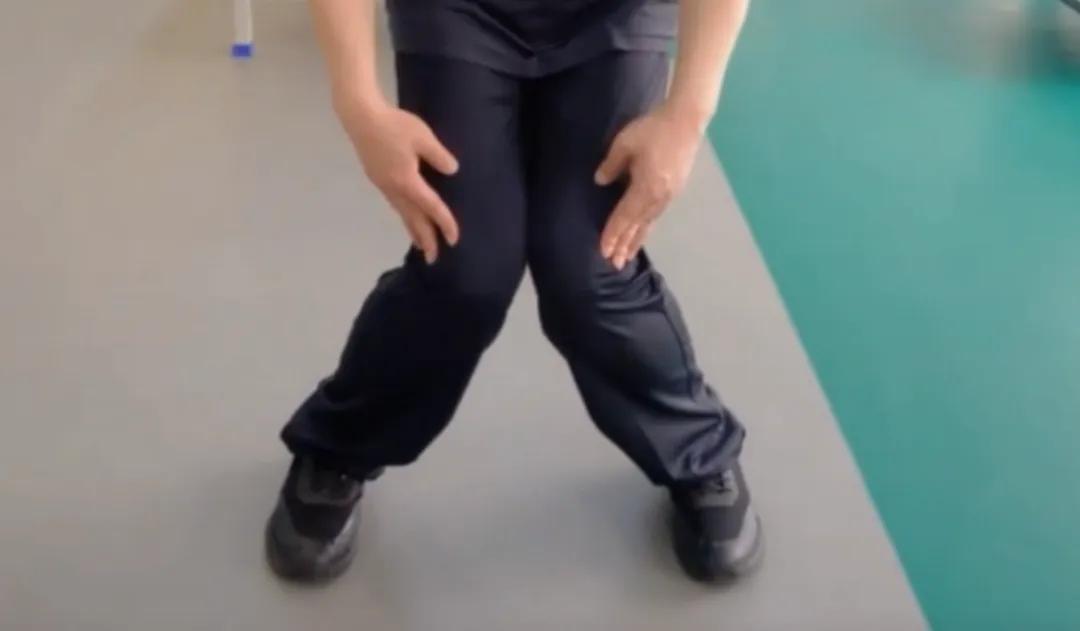
3. Knee valgus (medial collapse): a movement that risks causing multiple injuries
Knee varus/valgus collapse (inward knee collapse) is a common faulty posture during exercise that places tremendous stress on the medial collateral ligament, the medial meniscus, and the cruciate ligaments. When the knee collapses inward, these structures are subjected to abnormal stretching and compression, increasing the risk of injury. To prevent this, maintain knee stability and alignment during activities such as running, jumping, and playing basketball, and avoid excessive inward collapse.
4. Prolonged deep squatting: injury from compression of the posterior horns of the menisci
The squat is a common exercise for many fitness enthusiasts but can pose potential harm to the knee joint. During squatting, the knee endures substantial loads, especially on the posterior horn regions of the medial and lateral menisci. If squats are held for too long or performed with improper technique, these sensitive areas can become compressed, resulting in pain or injury. Therefore, when training with squats, control squat duration and depth and maintain correct form.
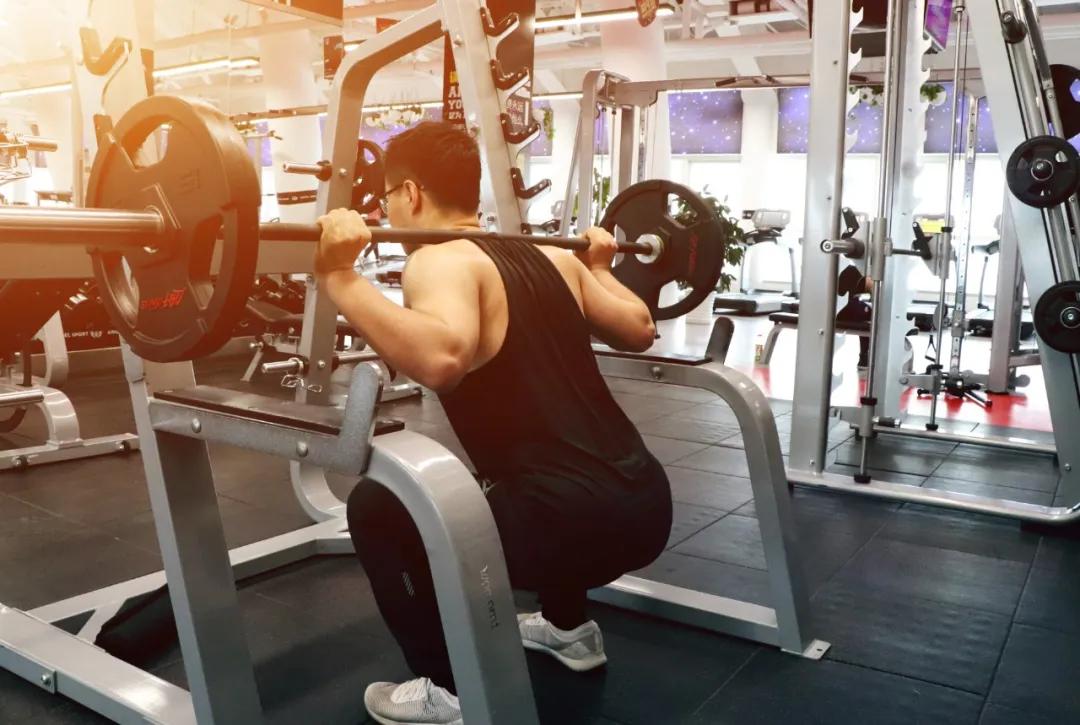
5. Prolonged kneeling: injury to the patellofemoral joint
Prolonged kneeling is a common posture in daily life, such as praying, cleaning the floor, or working in a kneeling position. However, this action can directly injure our patellofemoral joint. During kneeling, the contact area between the patella and the femur decreases and pressure increases; over time this can lead to patellar softening, wear, and other problems.
To protect the patellofemoral joint, it is recommended to avoid prolonged kneeling when possible and to use a low stool instead; if kneeling is unavoidable, place a soft pad under the knees to reduce pressure and minimize the duration.


Knee joint health requires constant attention in our daily lives. Be sure to avoid the above actions that damage the knee joint, and strengthen knee exercises and maintenance. I hope these tips help you maintain healthy knees and enjoy a good life!