Mild knee osteoarthritis can improve with this exercise
Knee osteoarthritis is a common joint disease that troubles many people, especially middle-aged and elderly individuals who have a higher incidence. Fortunately, for patients with mild knee osteoarthritis, surgery is not necessary; symptoms can be alleviated and knee joint stability enhanced through simple muscle-strengthening exercises.
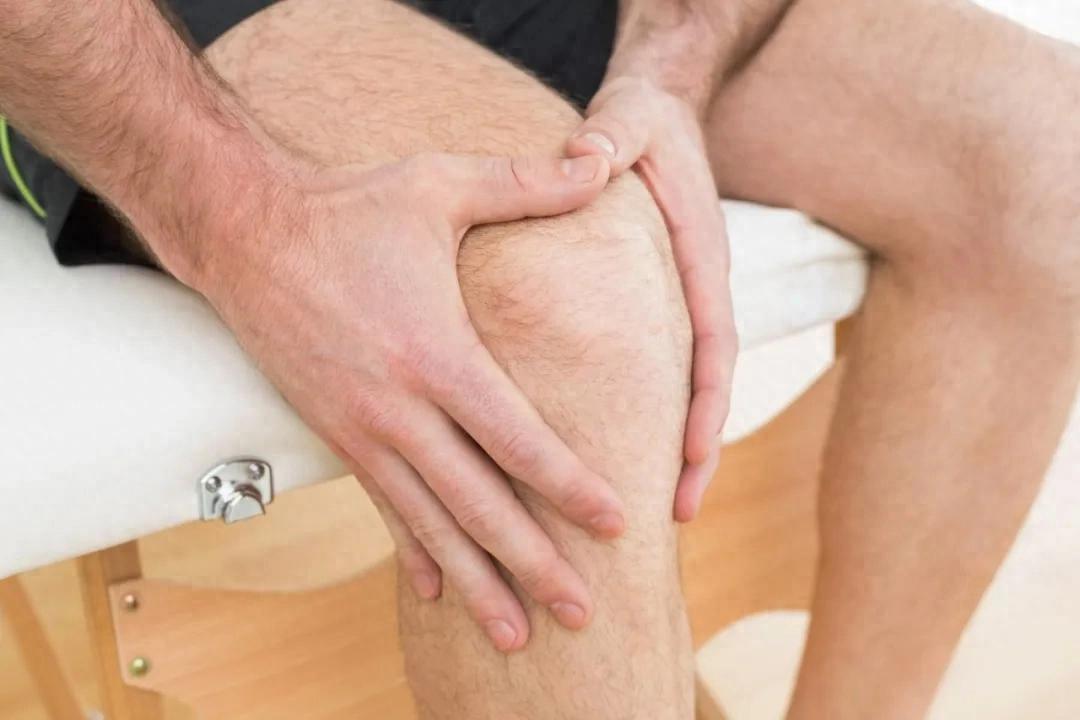
Today, Sun Fenglong, Chief Physician of the Second Orthopedic Rehabilitation Center at Beijing Rehabilitation Hospital affiliated with Capital Medical University, shares with you a simple and effective exercise method.

When we exercise, most of the force is transmitted to the legs. If the leg muscles are weak and underdeveloped, the force will be transmitted to the knee joint, causing significant impact to the knee and leading to knee joint damage. Conversely, when the leg muscles are strong and powerful, they can help share the impact on the knee joint, enhance knee stability, act as shock absorbers to buffer pressure, and reduce cartilage wear.
Scientific and moderate exercise can not only promote blood circulation in the knee joint but also strengthen the muscles around the knee, providing better support for the joint and thereby reducing joint pressure and pain.

Ball-between-knees hooked-foot leg lift exercise
This exercise is simple and easy to learn, and it can simultaneously train the adductor muscle group and the vastus medialis of the quadriceps, achieving a twofold effect.

Movement essentials:
1. Squeeze: Find a sturdy, pressure-resistant pear-shaped small balloon. Sit on the edge of a bed or chair with your legs together, and firmly squeeze the balloon between your knees. The purpose of squeezing the balloon is to provide a marker that reminds us to engage the adductor muscle group during the exercise. At the same time, the balloon’s reactive force against the legs can enhance the feedback sensation of the exercise.
2. Hook: While clamping the balloon, perform a foot-hooking action, i.e., extend the knee and point the toes, forcefully straightening the entire leg.
3. Lift: Based on the hooked foot position, raise the leg and keep it level. At this point you will feel the thigh muscles working and they will feel firm to the touch. Hold each time for 10 seconds.
4. Tense: Throughout the entire leg-raising process, maintain the muscles of the leg in a tense state.
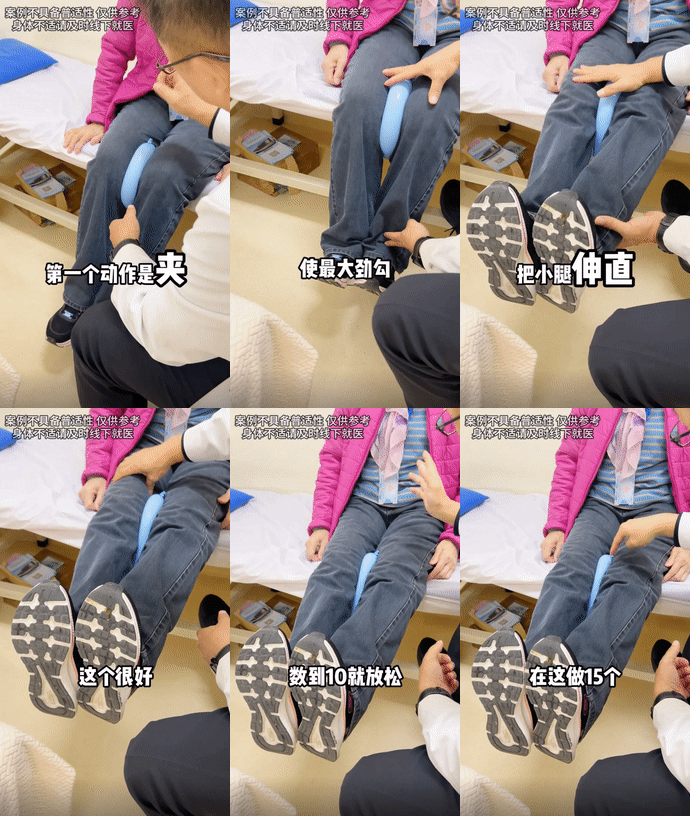
Exercise steps:
1. After completing one balloon-squeezing dorsiflexion leg raise, relax the leg muscles and lower the leg (keep squeezing the balloon while relaxing).
2. Rest for 10 seconds, then perform the next leg raise. Do 15 repetitions per set; as strength improves, gradually increase the number of repetitions. Do 3–5 sets daily.

Exercise precautions

1. Progress gradually: When starting exercises for the first time, begin with fewer repetitions and progressively increase intensity to avoid muscle strain.
2. Maintain correct form: during exercise, keep proper posture and engage the correct muscles.
3. Be persistent: exercise requires long-term adherence to see results; do not give up because you don't see obvious improvements in the short term.