Exercise: the 5 most needed movements for middle-aged and elderly people with knee pain
As age increases, knee pain among middle-aged and elderly people has become increasingly prominent. Many people try various methods to relieve pain, such as taking supplements, applying medicated plasters, or using infrared heat lamps. However, these methods often only provide temporary relief and do not address the root cause.
So, what do middle-aged and elderly people with knee pain need most? Today, Dr. Liu Qiang, Associate Chief Physician, Department of Osteoarthritis/Department of Rehabilitation Medicine, Peking University People’s Hospital, will answer this question you care about.
What do middle-aged and elderly people with knee pain need most? The answer is: active rehabilitation training.
There are many causes of knee pain in middle-aged and elderly people, but one important factor is the decline in muscle strength. As people age, muscle function gradually deteriorates, leading to reduced muscle strength, decreased muscle volume and quality. This muscular deterioration not only affects the ability of middle-aged and elderly people to perform daily activities, but also increases the load on the knees, causing knee pain.
Therefore, for middle-aged and elderly people, active rehabilitation training is key to relieving knee pain and improving physical fitness. Through rehabilitation training, muscle strength can be enhanced, joint stability improved, and joint wear and osteoarthritic degeneration reduced.
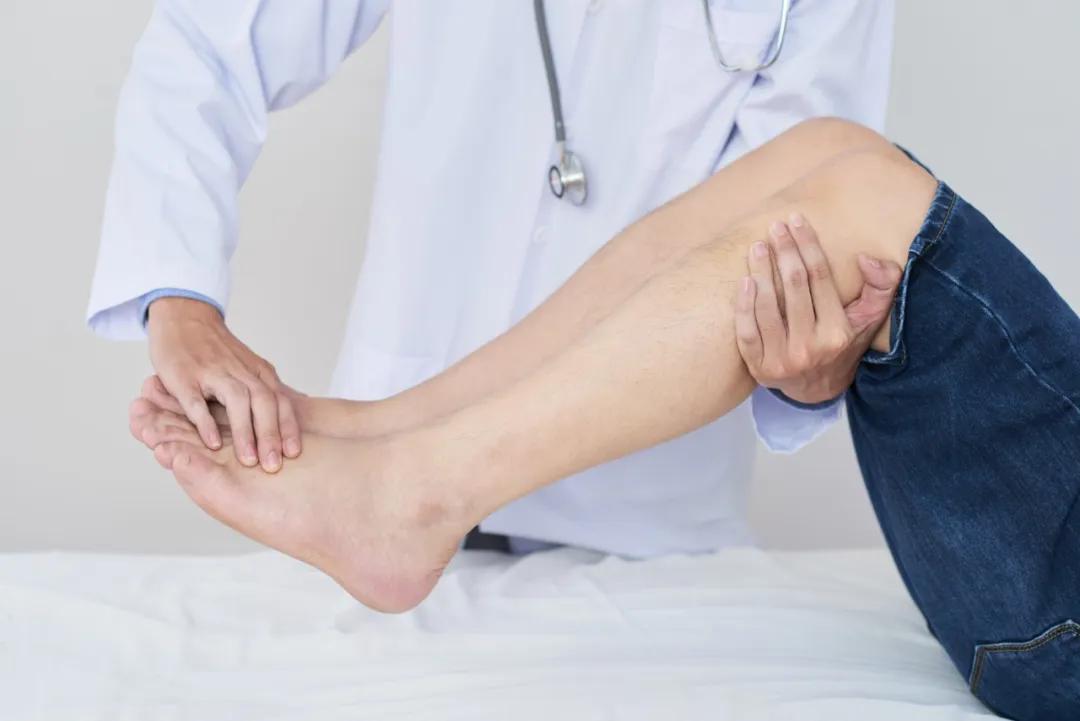
Why active rehabilitation training is needed

Compared with passive treatments, active rehabilitation training has significant advantages. Passive treatments such as applying medicated plasters or using infrared lamps often only provide temporary relief and cannot fundamentally solve the problem. Active rehabilitation training, on the other hand, can fundamentally improve the physical fitness and joint stability of middle-aged and elderly people, thereby effectively alleviating knee pain.
In addition, active rehabilitation training can also improve the quality of life for middle-aged and elderly people. Through rehabilitation training, they can participate in daily activities with greater confidence; these activities not only help them maintain physical and mental health but also allow them to enjoy the pleasures of life.
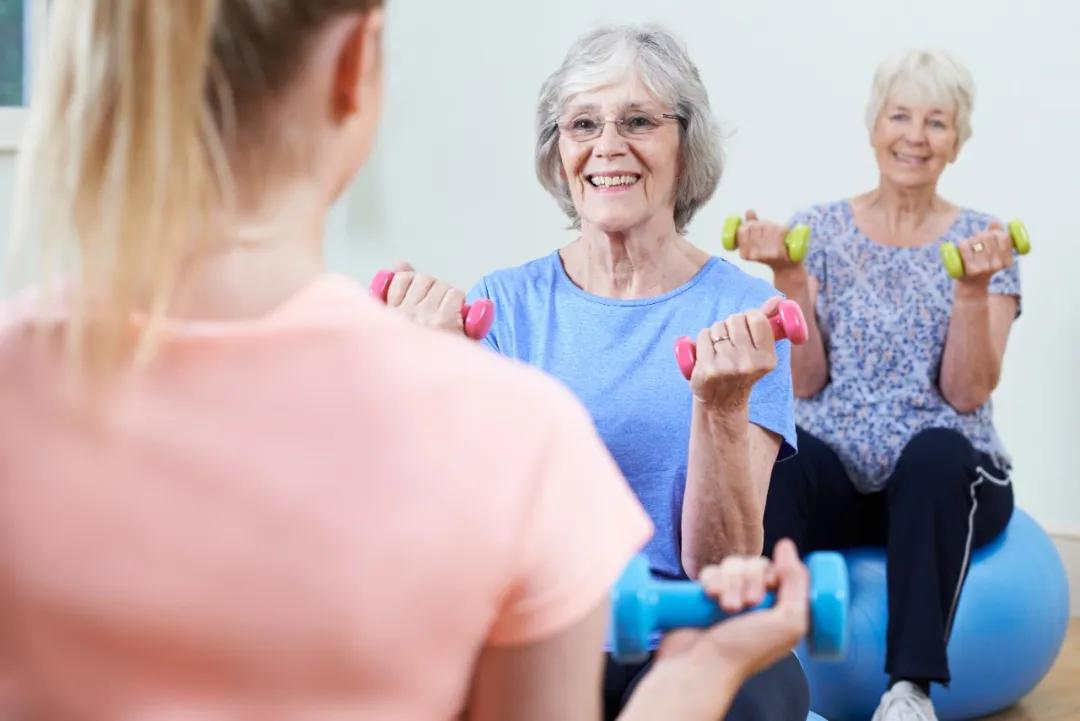
Contents of active rehabilitation training

Including strength training, balance training, and flexibility training, among other aspects. Strength training can be performed using dumbbells, resistance bands, and other tools to strengthen key muscles such as the anterior and posterior thigh muscles and the calves. Balance training can be done through single-leg stands, walking on a balance beam, and similar exercises to improve balance and stability in middle-aged and elderly individuals. Flexibility training can be performed through stretches and other movements to relax muscles and reduce tension and pain.
You may refer to the following 5 exercise movements:
1. Straight-leg back kick
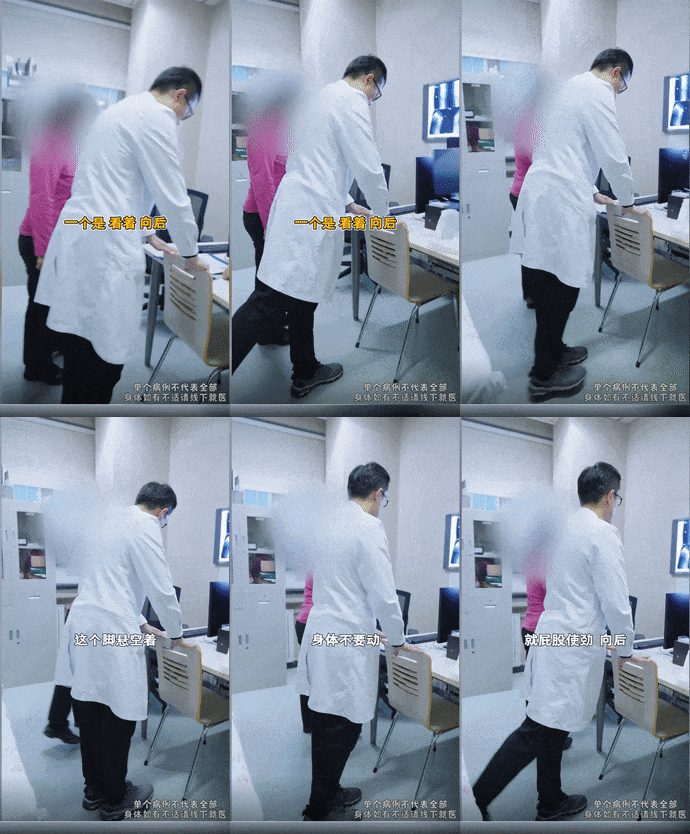
Key points of the exercise:
(1) Stand with arms naturally hanging. Elderly people with poor balance can hold a chair or wall with both hands.
(2) Support on the left leg, raise the right leg, keep the knee straight, and use gluteal strength to drive the right leg to kick backward.
(3) Do 15–20 repetitions, then switch to supporting on the right leg and kick the left leg backward.
(4) Alternating left and right kicks count as one set; perform 3–5 sets.
2. Side leg kicks
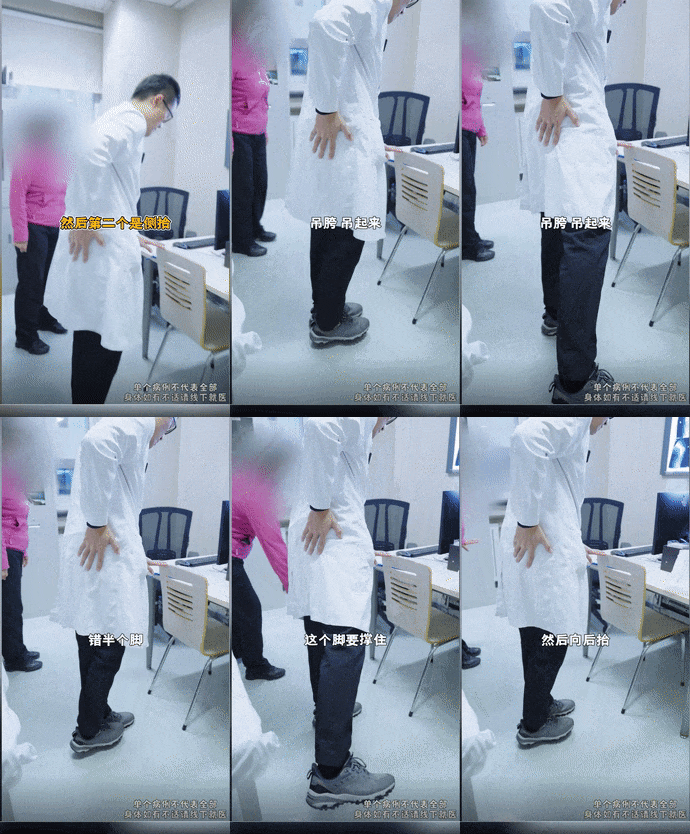
(1) Stand with arms naturally at your sides; older adults with poor balance may hold a chair or wall with both hands.
(2) Support on the left leg, raise the right leg (hip suspension), keeping the knee straight; engage the lateral thigh muscles to drive the right leg to kick outward to the right; do not rotate the leg during the kick.
(3) Do 15–20 repetitions, then switch to supporting on the right leg and kick the left leg to the left.
3. Tiptoe raises (ankle pump)
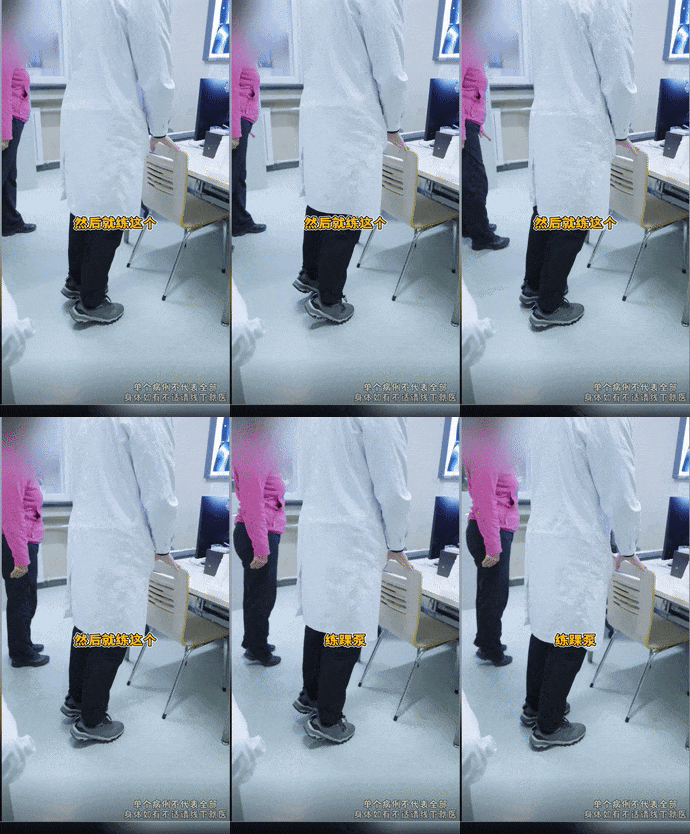
(1) Stand with arms hanging naturally; elderly people with poor balance can hold a chair or wall with both hands.
(2) Rise onto the toes, gripping the ground with the toes, feeling the gastrocnemius contract at the back of the calf. Then slowly lower, letting the heels gently touch the ground.
(3) Do 15–20 repetitions as one set; perform 3–5 sets.
4. Toe raises
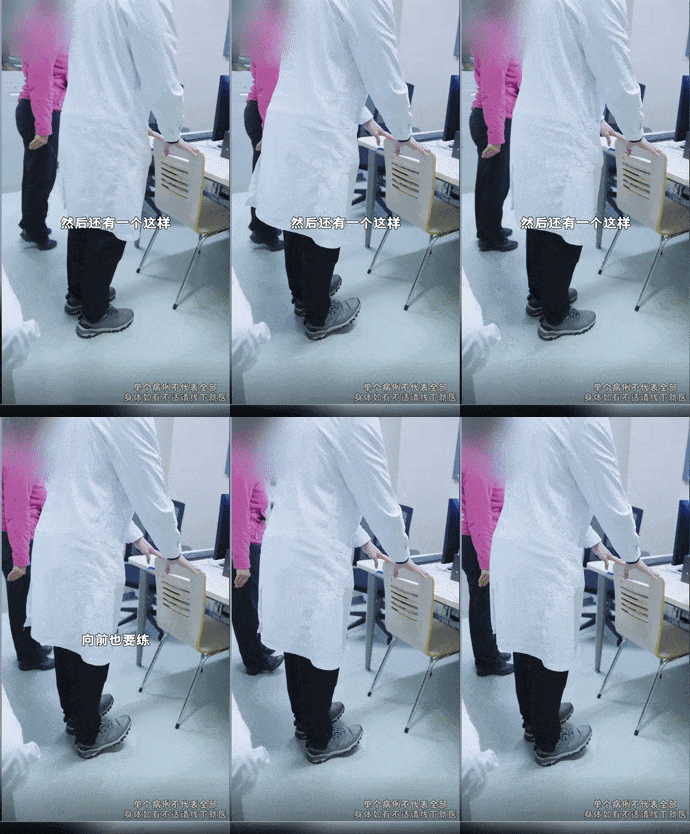
(2) Keep the heels on the ground, lift the toes, lean the body slightly forward to maintain balance, you can feel the tibialis anterior in the front of the lower leg engaging, then slowly lower.
5. Heel kicks (kicking the leg backward)
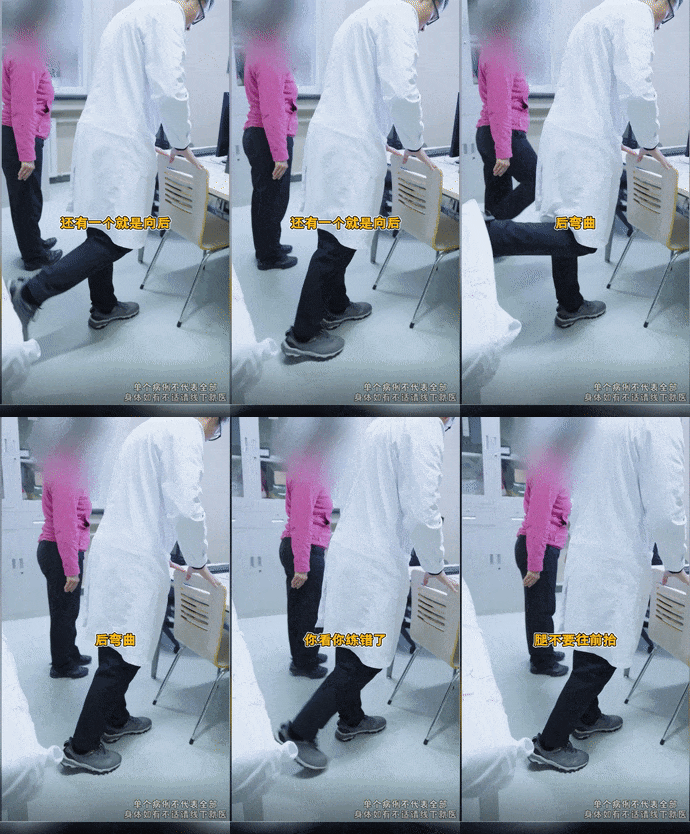
(1) Stand with arms naturally hanging; elderly people with poor balance can hold a chair or wall with both hands.
(2) Support on the left leg, bend the right knee and kick backward, using the heel to kick toward the buttock as far as possible.
(4) Alternating kicks left and right count as one set; perform 3–5 sets.
In summary, for knee pain in middle-aged and elderly individuals, active rehabilitative exercise is the most effective solution. Through rehabilitation training, middle-aged and elderly people can strengthen muscle strength, improve joint stability, reduce joint wear and osteoarthritic degeneration, and thus enjoy a healthier, happier life.