Eat Less! These 5 Vegetables That Seem Low in Purines Can Trigger Gout
In our daily diet, purine content is often a concern and worry for patients with gout. High-purine foods produce more uric acid, and excessively high uric acid levels can trigger gout. Therefore, for those who need to control uric acid levels, understanding the purine content of foods is crucial.
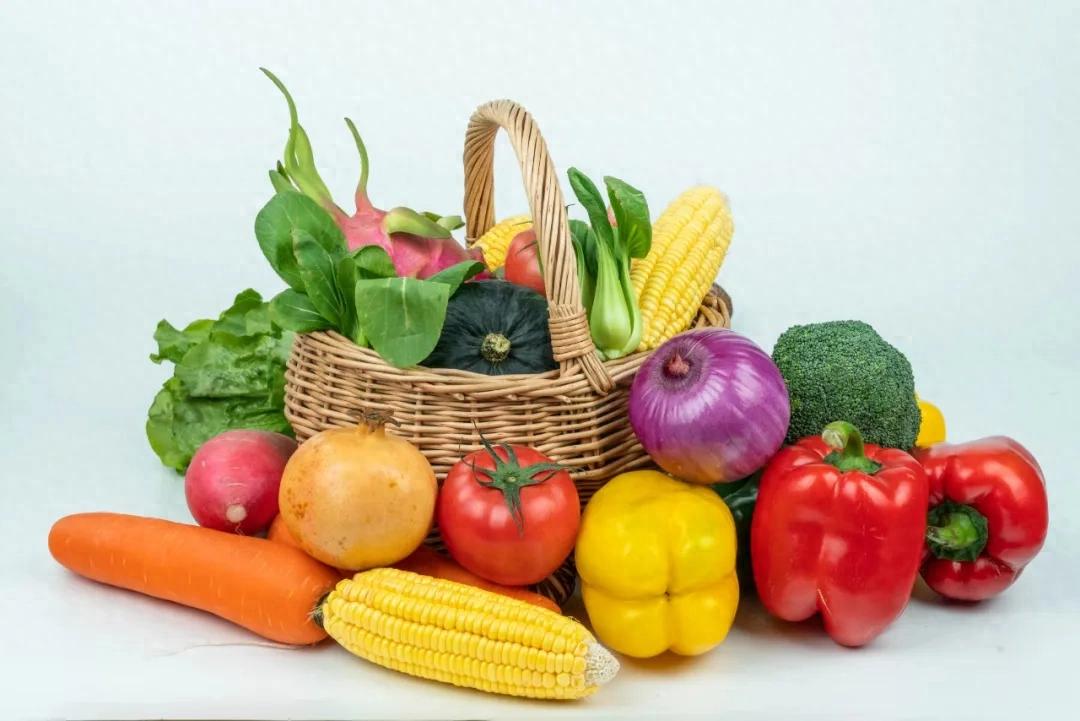
In life, we naturally consider vegetables to be low-purine foods, but you may not know that some high-purine foods wear the “vegetable” disguise and are actually high-purine “killers.” Today, we will unveil these five high-purine vegetables for you, to help you better manage your diet and stay away from the risk of gout.
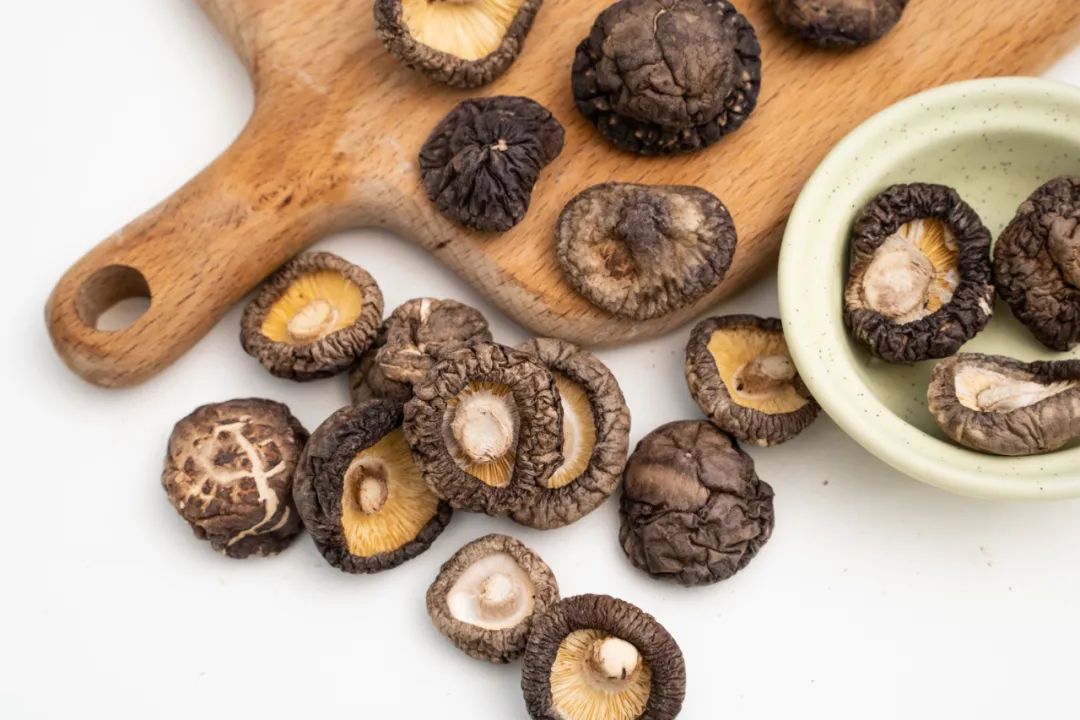
1. Shiitake mushroom:
Shiitake mushrooms are highly appreciated for their distinctive flavor and rich nutritional value. However, the purine content in shiitake mushrooms is not low: fresh shiitake contain approximately 150 mg to 300 mg of purines per 100 g; dried shiitake can contain up to 405 mg of purines per 100 g.
For patients with gout or elevated uric acid, consuming shiitake may increase body uric acid levels, thereby triggering or exacerbating gout symptoms. Therefore, although shiitake are delicious, gout patients should still consume them with caution.
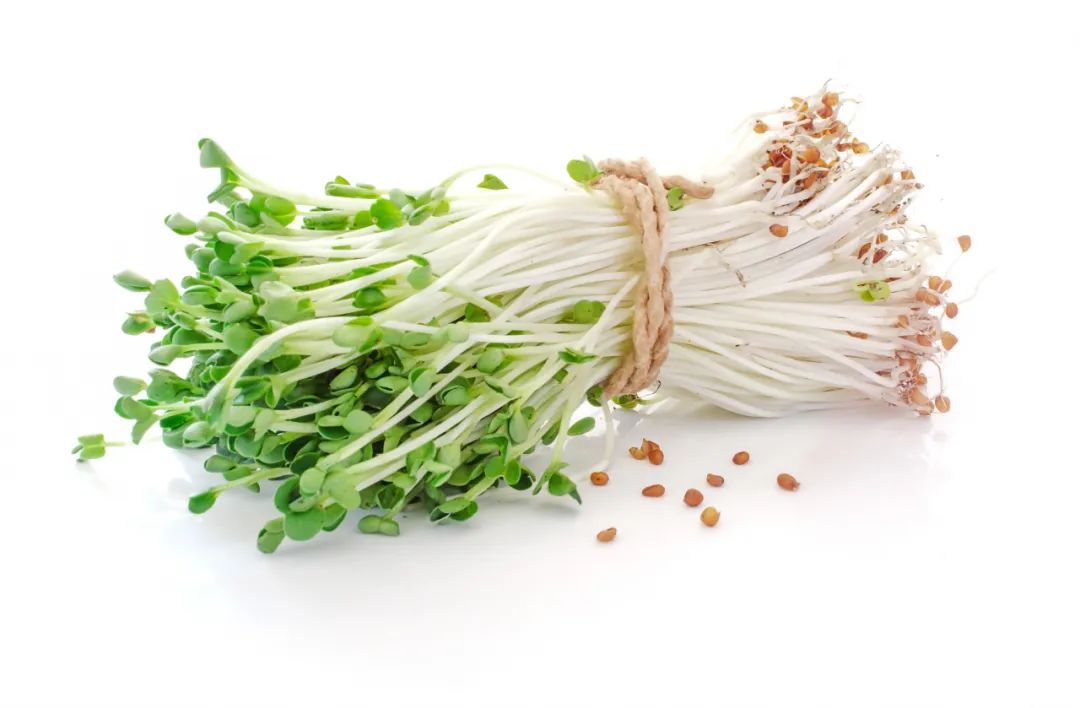
2. Pea shoots:
Pea shoots are tender green and fragrant, a common dish on many dining tables. However, what you may not know is that every 100 g of pea shoots contains nearly 500 mg of purines, making them one of the high-purine vegetables. Excessive intake of pea shoots may trigger or worsen gout attacks, so gout patients must control their intake while enjoying their flavor.
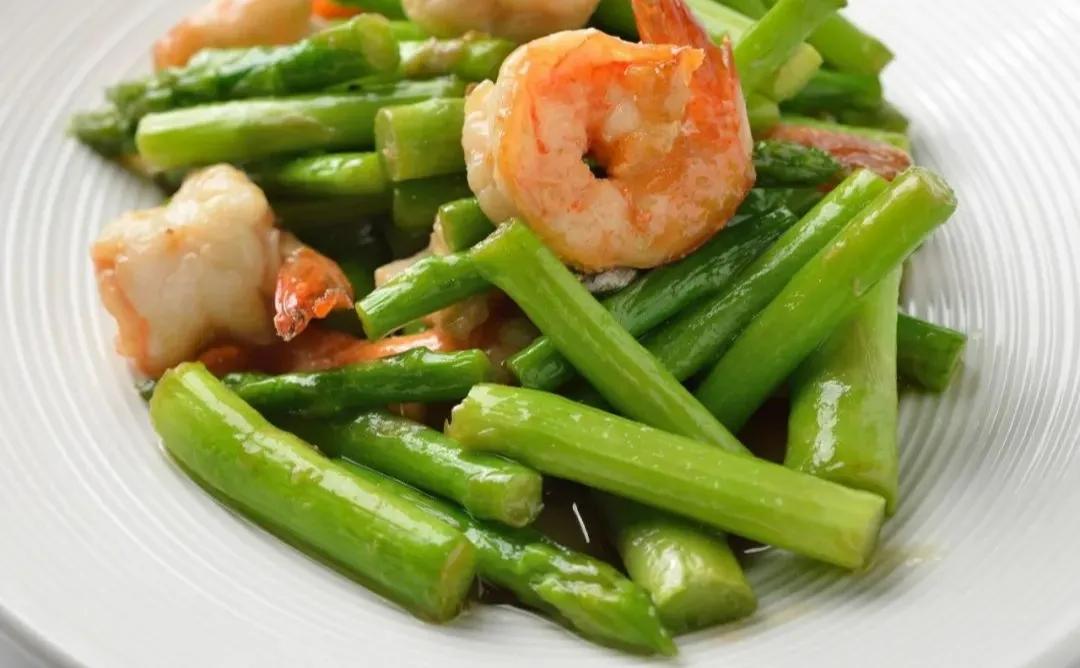
3. Asparagus:
Asparagus, favored by many for its crisp texture and rich nutrition, also has a noteworthy purine content. Every 100 g of asparagus contains nearly 500 mg of purines, which means excessive consumption may lead to increased uric acid levels in the body. Therefore, those concerned about their uric acid levels should be cautious about how much asparagus they consume.
4. Bean sprouts:
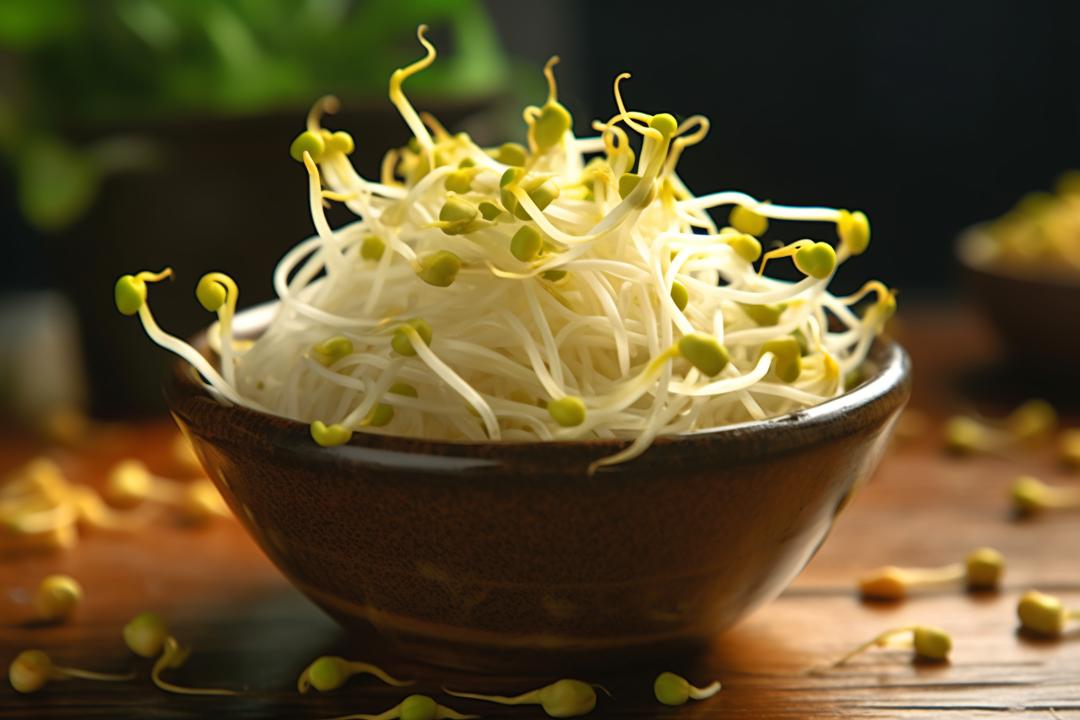
Bean sprouts, as a common household vegetable, often appear on our dining tables. However, what you may not know is that 100 g of soybean sprouts contain 500 mg of purines, and 100 g of mung bean sprouts contain 166 mg of purines, classifying them as high-purine foods. Whether soybean sprouts or mung bean sprouts, their purine content is relatively high, so it is best to eat less.
5. Nori (Porphyra):
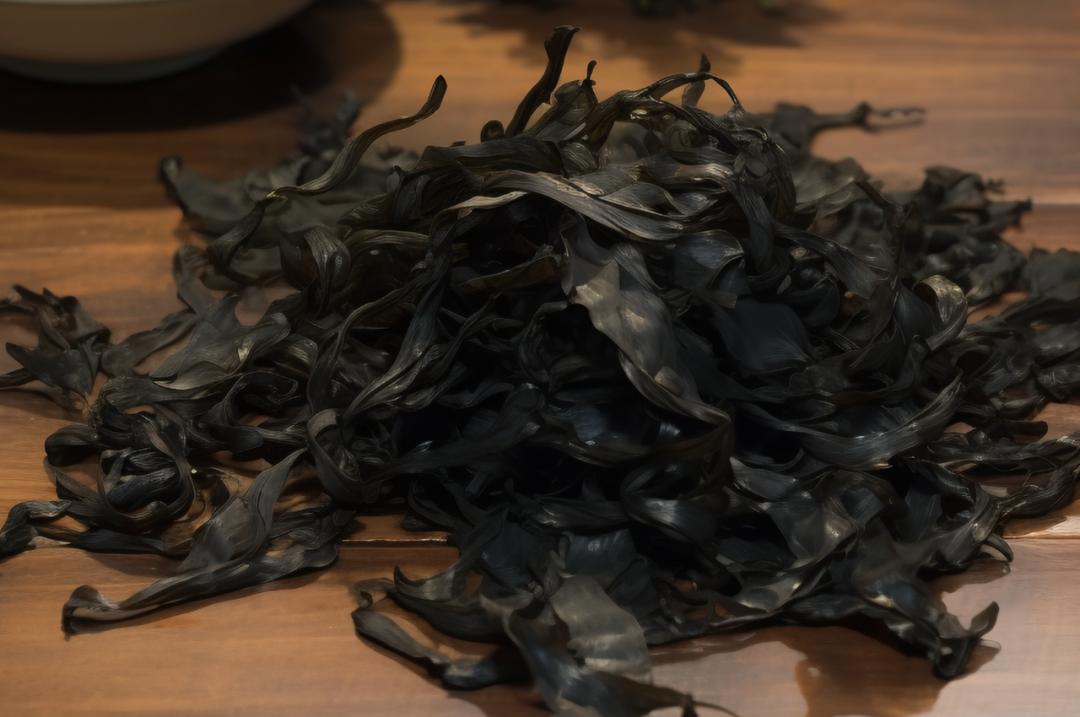
Nori is a nutrient-rich marine vegetable, but it also contains relatively high levels of purines. The purine content in 100 g of nori varies widely, approximately between 150 mg and 500 mg. The specific content may differ depending on nori species, growth environment, and other factors. Excessive intake of nori may lead to elevated uric acid levels in the body; for gout patients, it is better to limit consumption.
To help you better manage your diet, here is a “Food Purine Level Chart,” which categorizes foods into:
Low-purine foods (purine content <25 mg per 100 g of food)
Moderate-purine foods (purine content 25–150 mg per 100 g of food)
High-purine foods (purine content 150–1000 mg per 100 g of food) — three categories.
Gout patients can choose foods appropriate to their condition. At the same time, we remind you that dietary management cannot replace pharmacotherapy; gout patients need to take medications as prescribed.
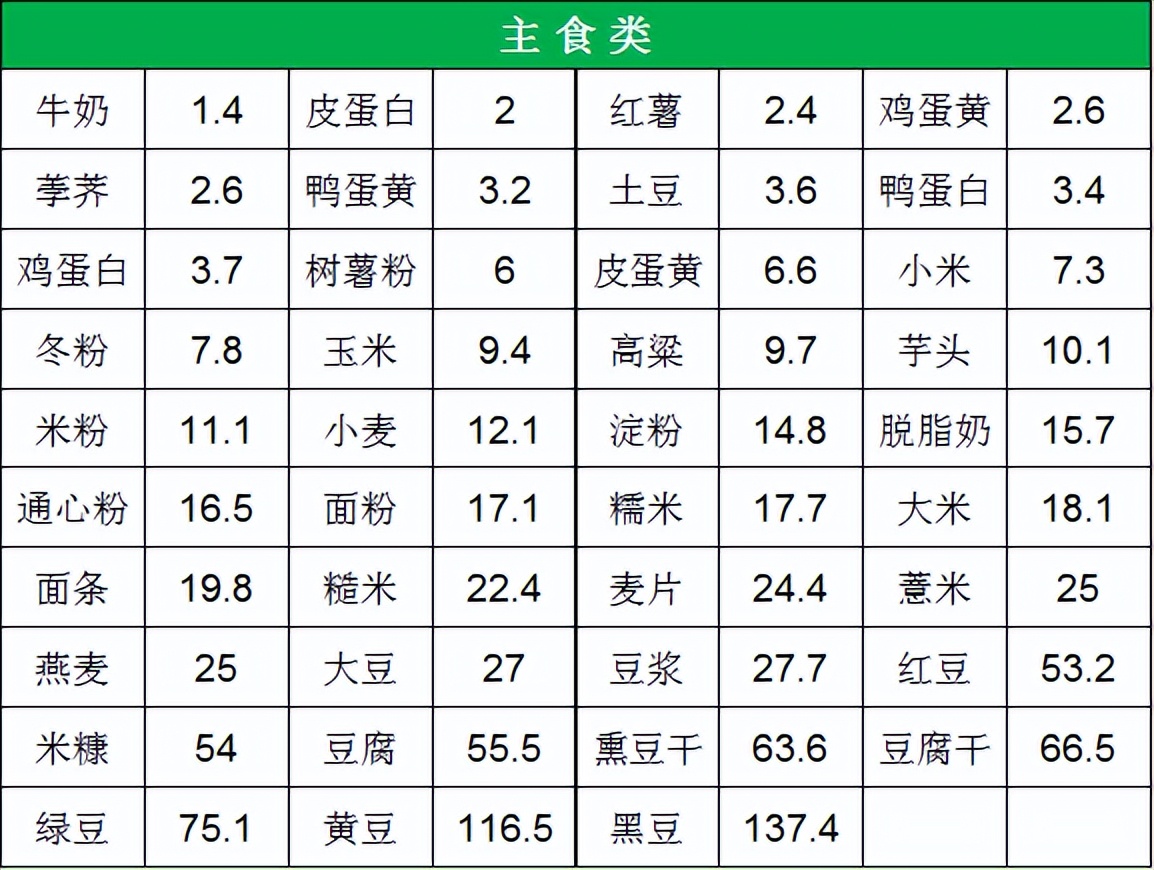
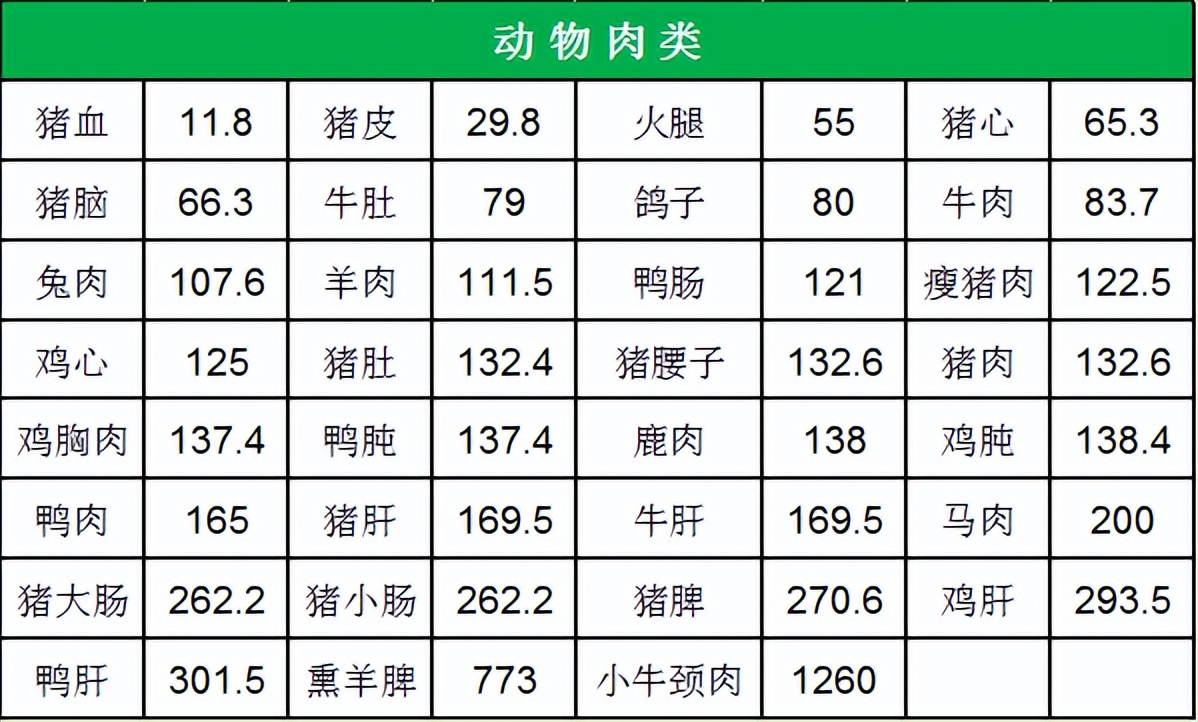
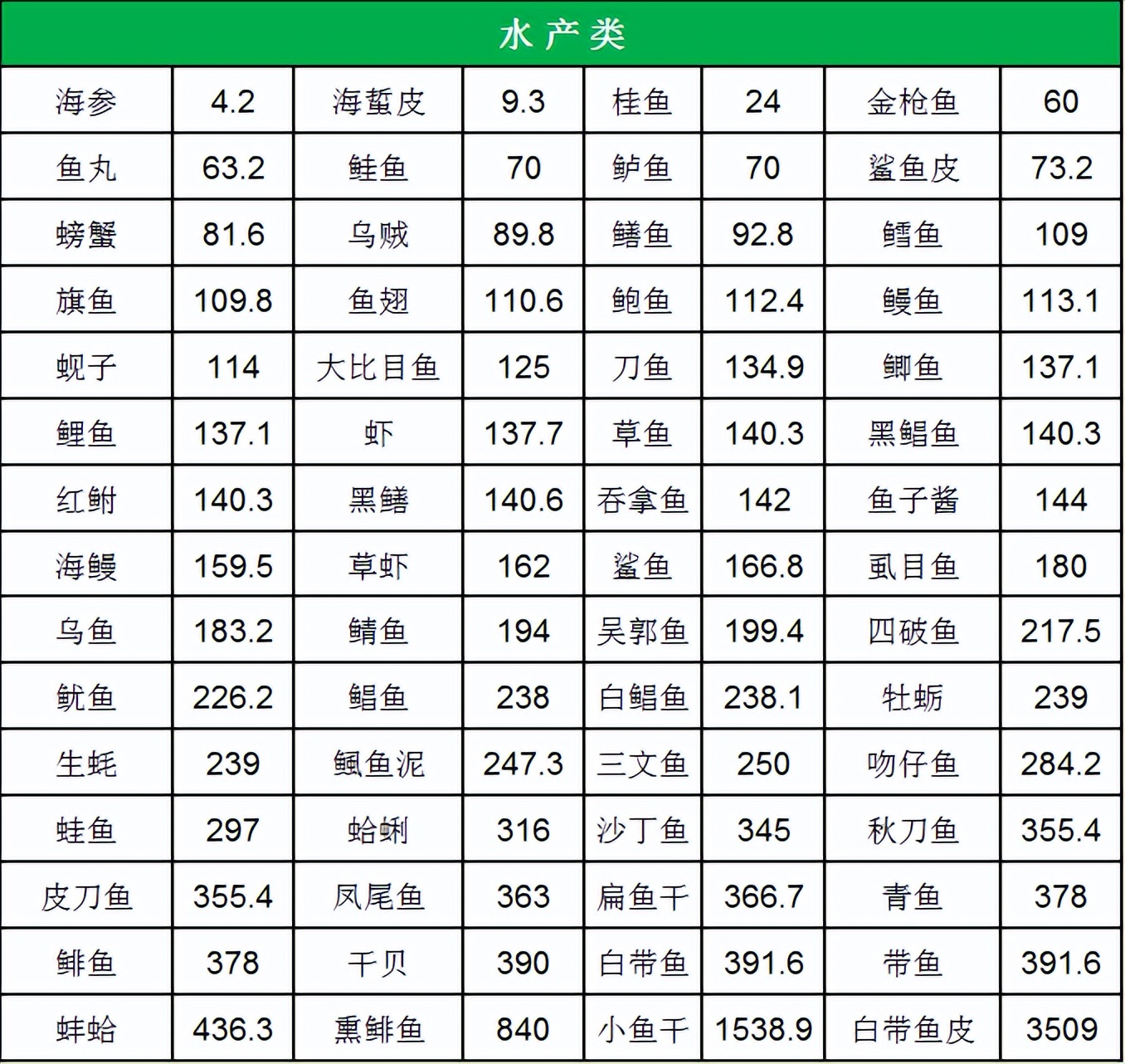
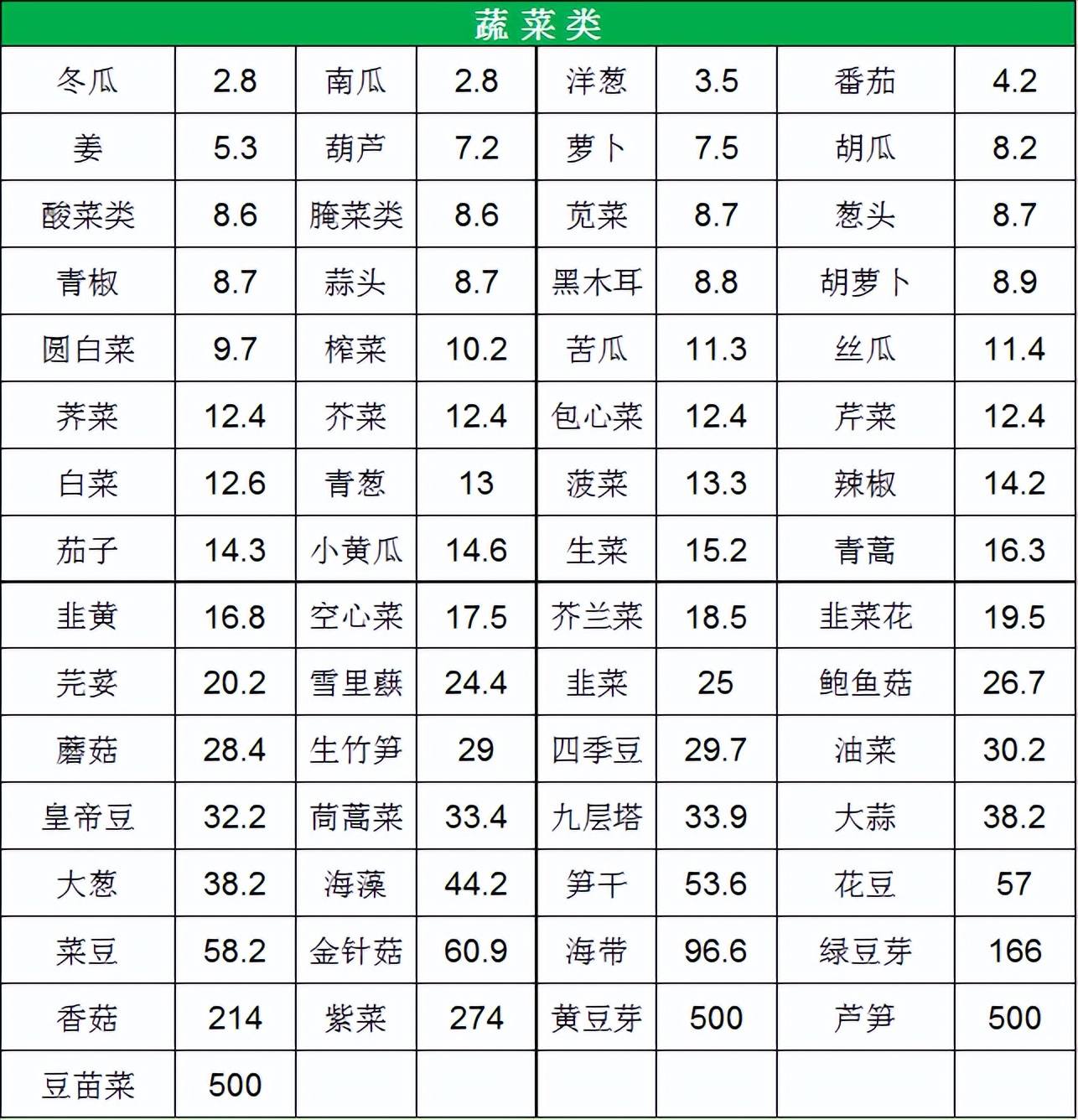
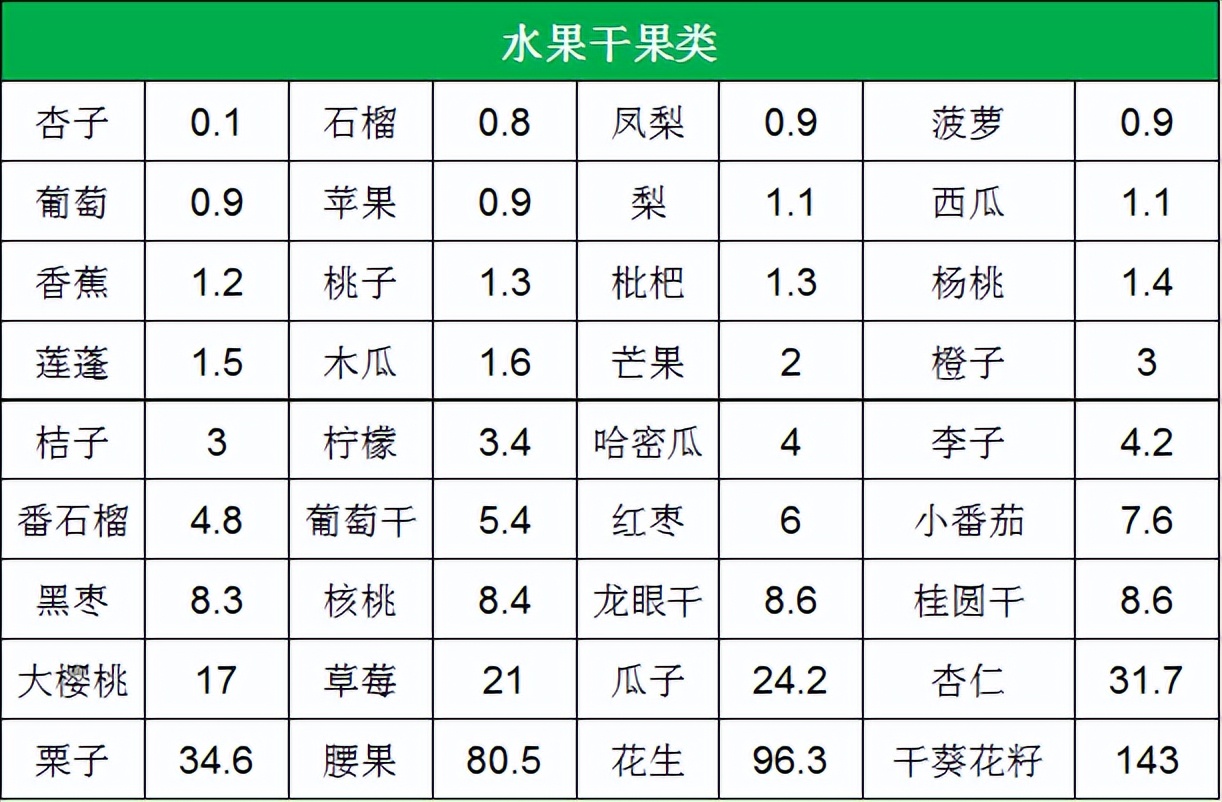
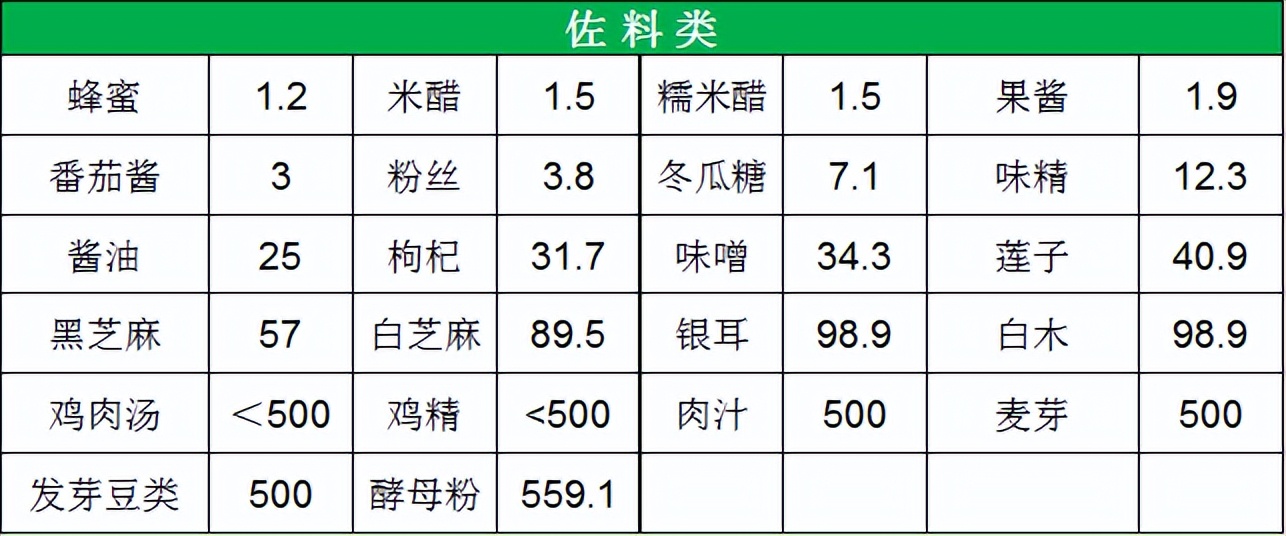
Note: Data are purine content per 100 grams, in milligrams; amounts are ordered from left to right, from lowest to highest.
Dietary staples for patients with gout
Low-purine foods
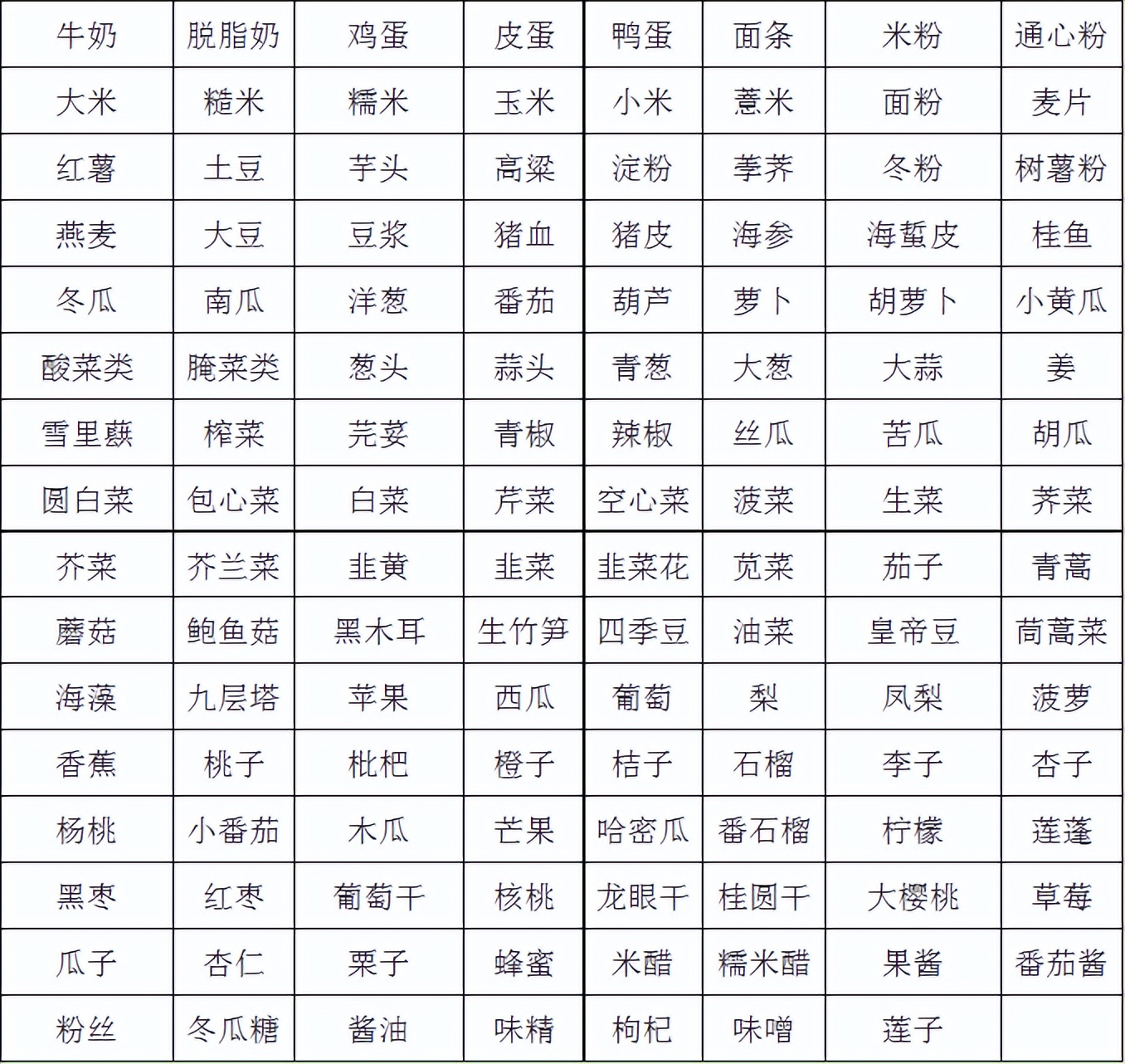
Vegetables that gout patients can eat in small amounts when not experiencing an attack
Foods with moderate purine content
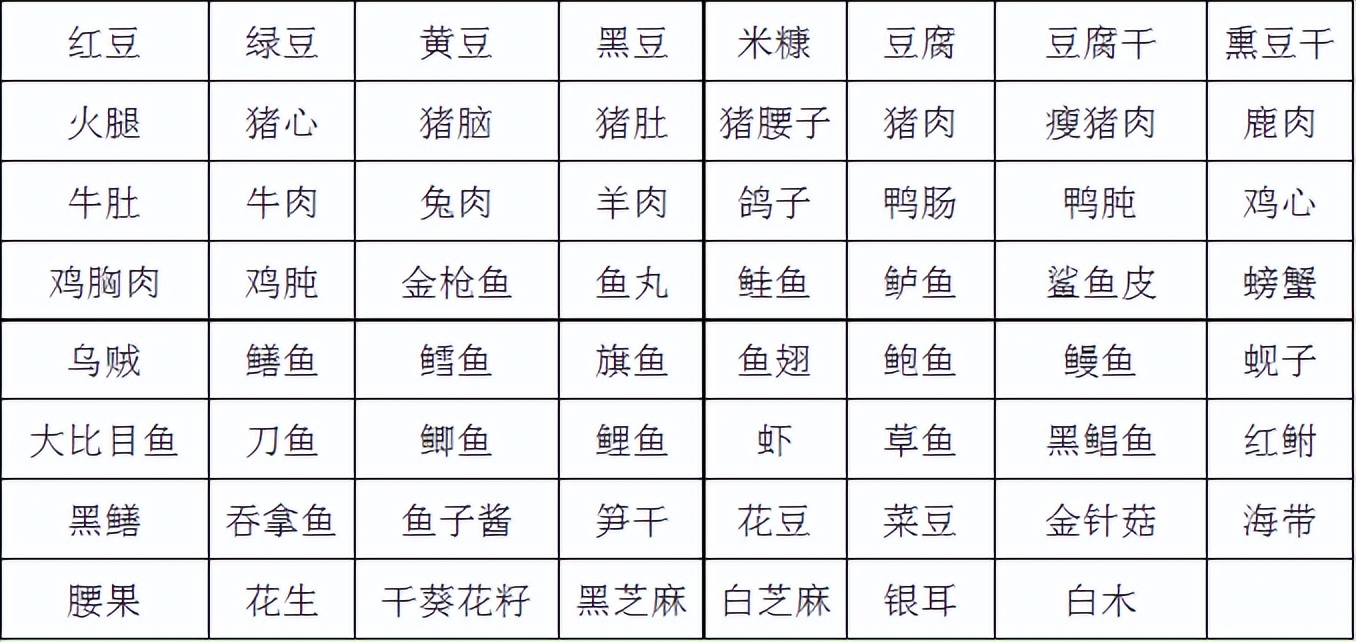
Foods gout patients should avoid as much as possible
Foods with high purine content
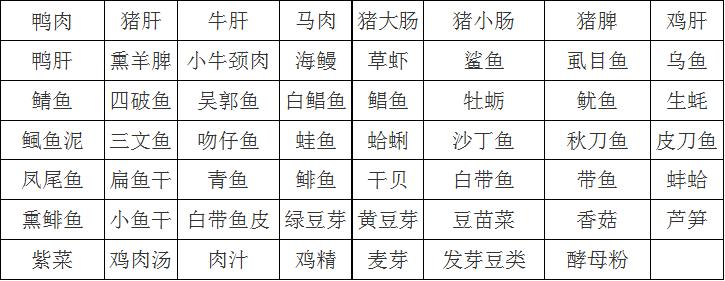
The data in the above chart are taken from "Primary Care Physicians Community"
In addition to dietary management, preventing hyperuricemia also requires attention to the following three points: drink more water, drink less alcohol and sweetened beverages, and exercise appropriately. These measures can help gout patients control weight, promote metabolism, and lower uric acid levels. At the same time, strenuous exercise or excessive fatigue should be avoided during physical activity to prevent triggering gout attacks.

In summary, dietary management is crucial for patients with gout. Understanding the purine content of foods and choosing appropriate items is key to controlling uric acid levels. If you have concerns about gout symptoms or need further guidance, consult a physician promptly and receive professional treatment.