How Middle-aged and Older Friends Can Effectively Protect Their Knees During Exercise
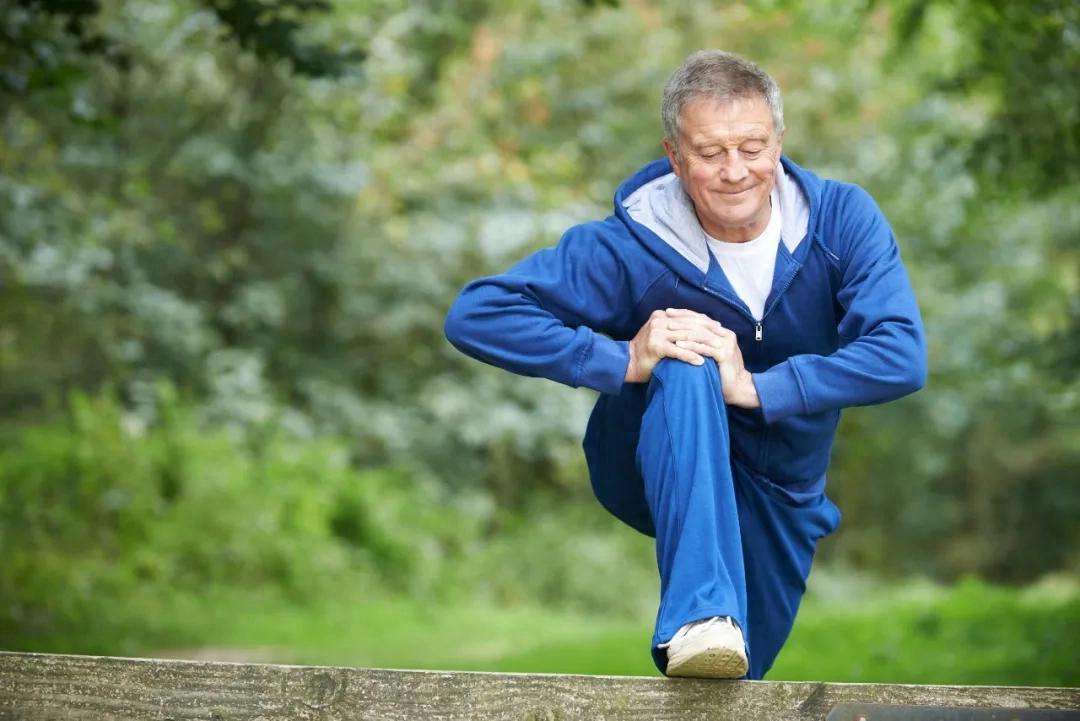
As people age, the skeletal and muscular systems of middle-aged and older individuals gradually change. The knee, as an important joint that supports walking, running, and jumping, is particularly susceptible to injury. However, appropriate exercise is essential for maintaining health, enhancing cardiopulmonary function, and improving quality of life. Therefore, middle-aged and older individuals should pay special attention to protecting their knees during exercise to avoid unnecessary harm.
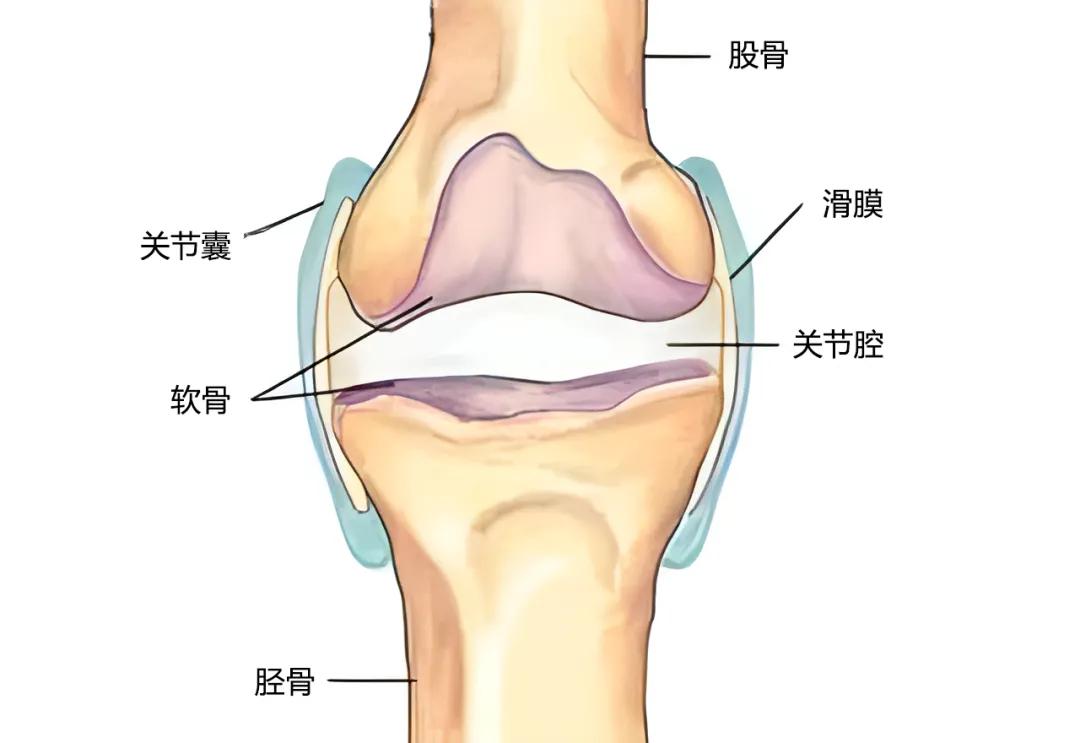
The knee is composed of the femur (thigh bone), tibia (shin bone), and patella (kneecap), as well as surrounding ligaments, muscles, and cartilage. It is a complex hinge joint that allows the leg to bend and straighten. Cartilage covers the bone surfaces, providing cushioning and lubrication to reduce friction between bones.

Exercises Suitable for Middle-Aged and Elderly Friends
1
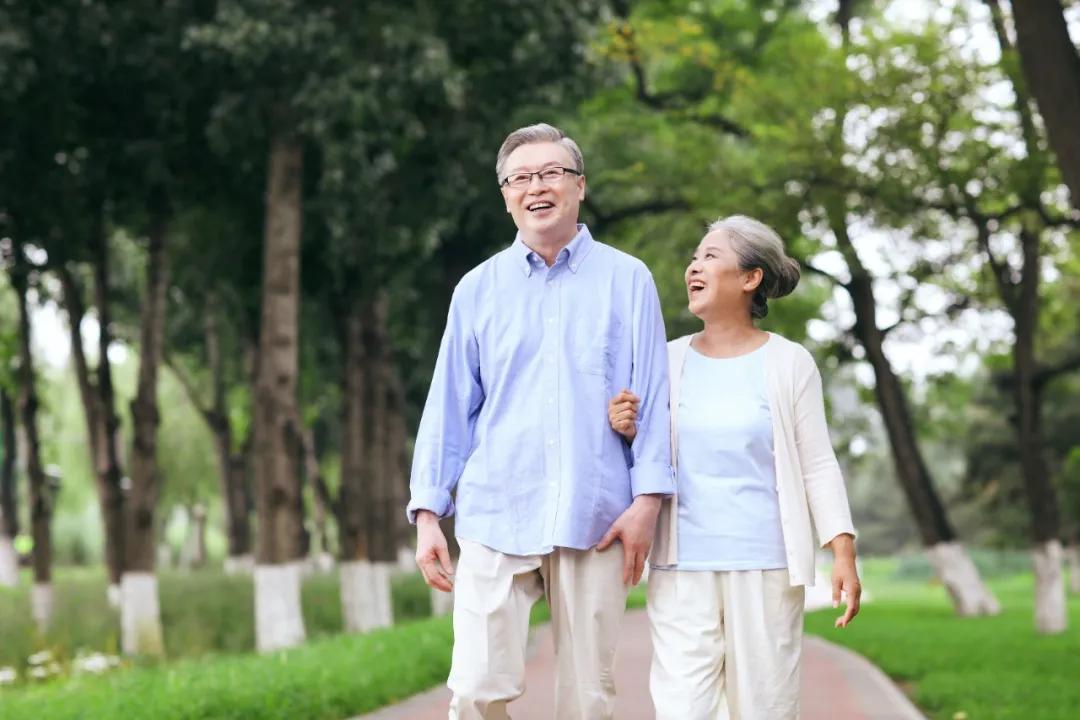
1. Walking: Relaxing and Knee-Friendly
Walking is a simple and easy exercise that places relatively little burden on the knees and is suitable for most middle-aged and elderly people. When walking, choose flat, soft surfaces such as park paths or rubberized tracks to reduce impact on the knees. At the same time, maintain correct gait—light steps and steady foot strikes—avoiding hurried steps and sudden turns, which helps reduce the risk of knee injury.
2
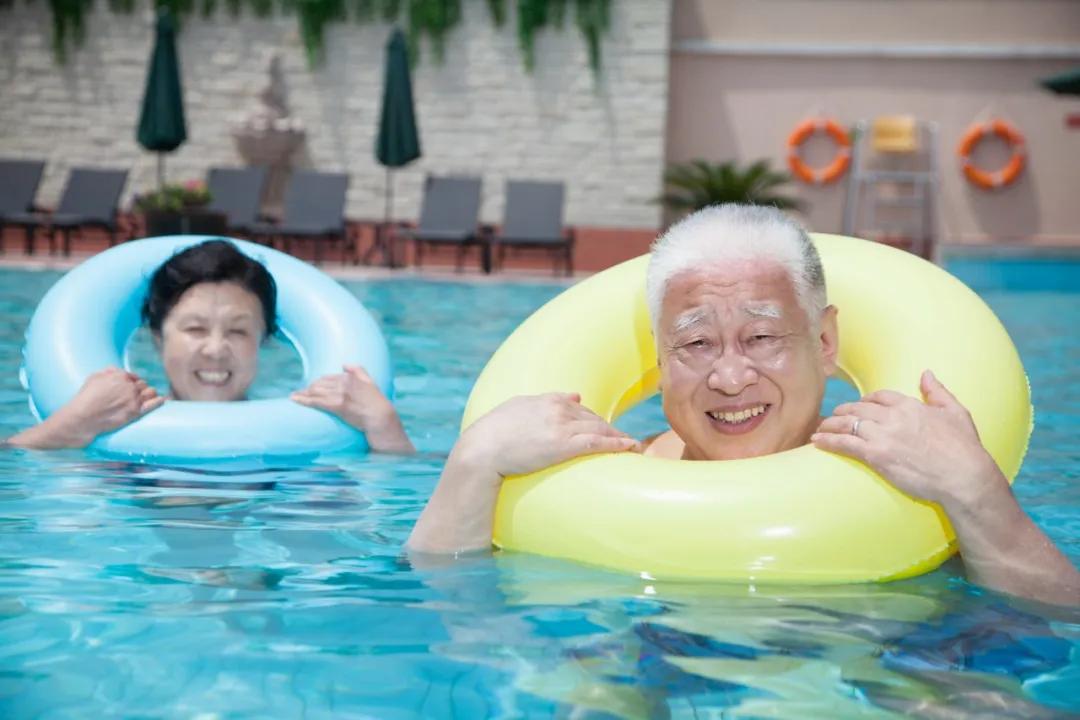
2 Swimming: Enjoying the water with no worries for the knees
Swimming is a low-impact aerobic exercise; the buoyancy of water can reduce the pressure on the knees while exercising the whole body's muscles. For middle-aged and elderly individuals, choosing a warm-water pool is more appropriate, as it can prevent joint stiffness caused by excessively low water temperatures. In the water, various strokes can be tried, but pay attention to maintaining proper technique and avoid excessive twisting and force to prevent unnecessary injury to the knees.
3
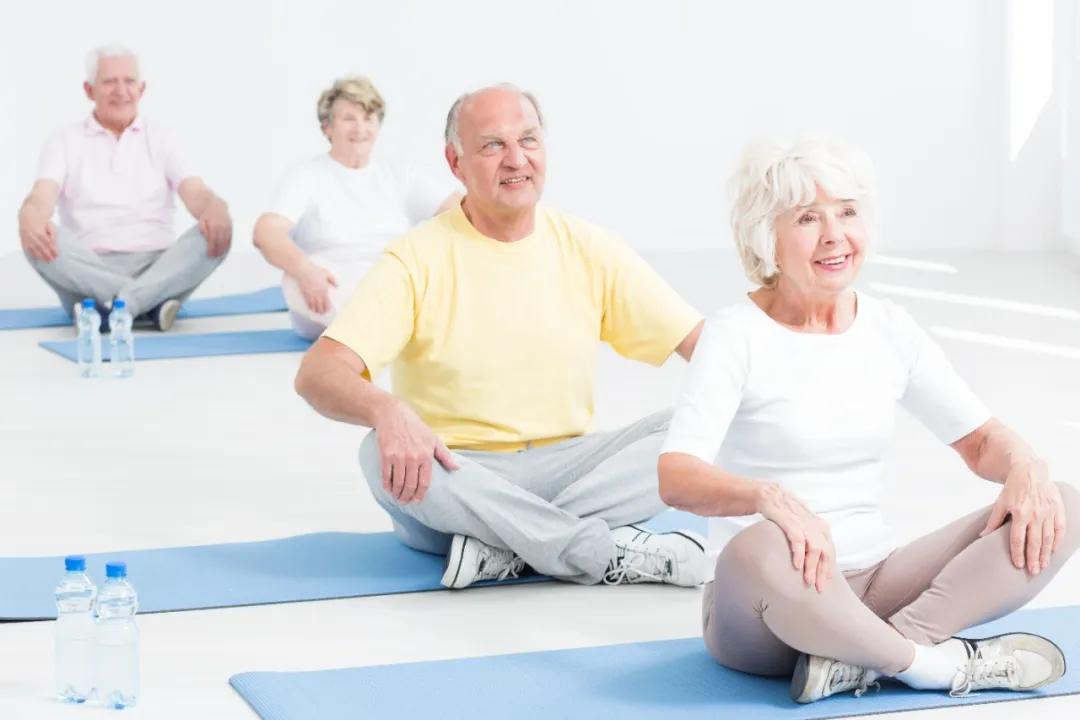
3 Yoga: harmony of body and mind, knee flexibility
Through gentle stretches and balance exercises, yoga helps enhance joint flexibility and improve muscle strength. For middle-aged and elderly individuals, selecting yoga poses suitable for oneself is crucial. During practice, maintain smooth breathing and avoid excessive stretching and twisting to prevent knee injury. At the same time, a yoga mat can be used to increase surface softness and reduce direct contact between the knees and the floor.
4
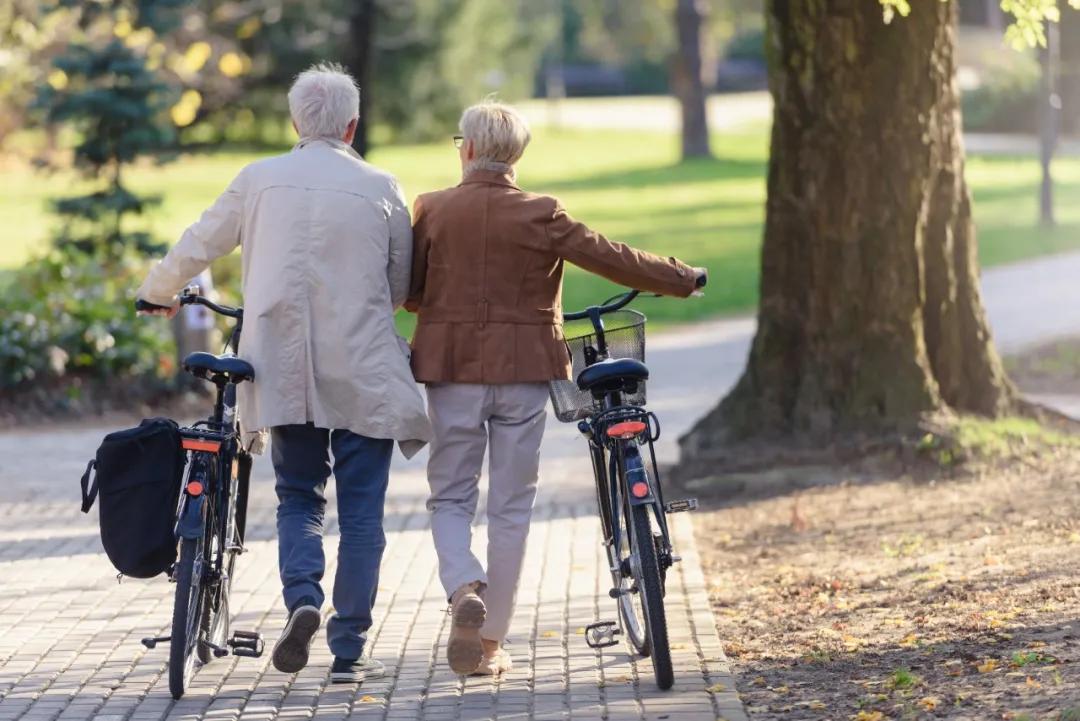
4 Cycling: low-carbon travel, strong knees
Cycling is a low-impact aerobic exercise that helps strengthen cardiopulmonary function. Middle-aged and elderly friends should adjust the saddle height and angle when cycling to ensure the knee remains at a comfortable angle when bent, avoiding excessive flexion or extension. At the same time, choose flat road surfaces to avoid the impact of rough terrain on the knees. During riding, pay attention to maintaining a steady rhythm and correct posture to reduce the risk of knee injury.
5
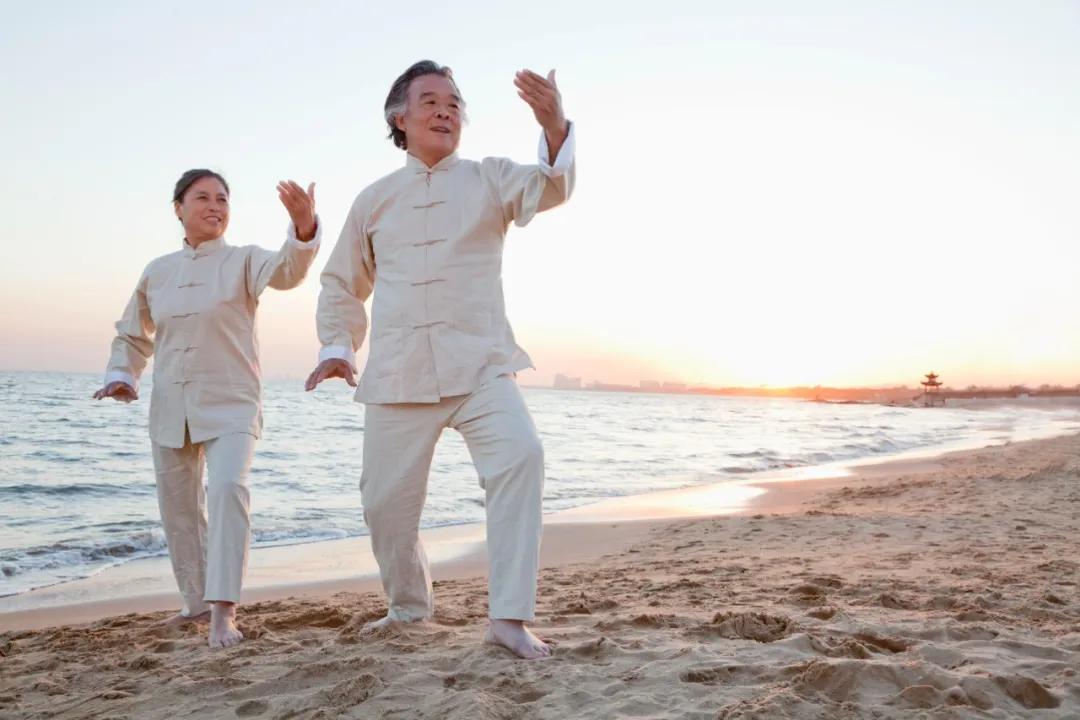
5 Tai Chi: combining movement and stillness for knee health
When middle-aged and elderly friends practice Tai Chi, they can enhance balance and muscular coordination through gentle movements and breath regulation. During practice, pay attention to keeping the knees slightly bent and toes pointing forward, avoiding excessive knee valgus or varus. Also, choose a professional Tai Chi instructor for guidance to ensure movements are standardized and posture is correct, thereby reducing the risk of knee injury.

When protecting your knees during exercise, pay attention to the following six points
1. Warm-up and stretching: Perform 5–10 minutes of warm-up activities before exercise, such as brisk walking or marching in place, to increase blood circulation and make the joints and muscles more flexible. Stretch after exercise to help relieve muscle tension and reduce the risk of knee injury.
2. Choose appropriate athletic shoes: A well-fitting pair of athletic shoes with good support and cushioning can effectively absorb ground reaction forces and protect the knees from impact.
3. Control exercise intensity and duration: Arrange exercise intensity and duration appropriately according to your health status to avoid overusing the knees. If you experience knee pain or discomfort, stop exercising immediately and seek professional medical help if necessary.
4. Strengthen leg muscle training: Strong thigh muscles (such as the quadriceps) can provide better support for the knee and reduce the risk of injury. Pay attention to strengthening leg muscle exercises regularly.
5. Maintain a healthy weight: Excess weight increases the burden on the knees and accelerates joint wear. Maintaining an appropriate weight through a balanced diet and regular exercise helps reduce knee stress.
6. Use assistive devices correctly: Using a cane, walking stick, or walker can redistribute pressure on the knees while walking and reduce the load. During exercise, wearing a sports knee brace can provide necessary support and protection for the knee.
Friendly reminder
1. If there is a history of knee injury or chronic disease (such as arthritis), consult a physician or physical therapist before engaging in any exercise.
2. Avoid high-impact activities, such as running and jumping, to prevent exacerbating knee damage.
3. Regularly monitor knee health; if swelling, pain, or stiffness occurs, seek medical attention promptly.

Enjoy the benefits of exercise, pay attention to knee health, and adopt evidence-based protective measures to make physical activity an indispensable part of healthy later life!