Knee braces: protection or restraint? Orthopedic experts advise you on correct wearing
Nowadays, more and more people regard knee braces as essential equipment for protecting the knee joint. Whether during daily walking and moving about the streets and alleys, or sweating it out in the gym and competing intensely on the court, knee braces are ubiquitous.
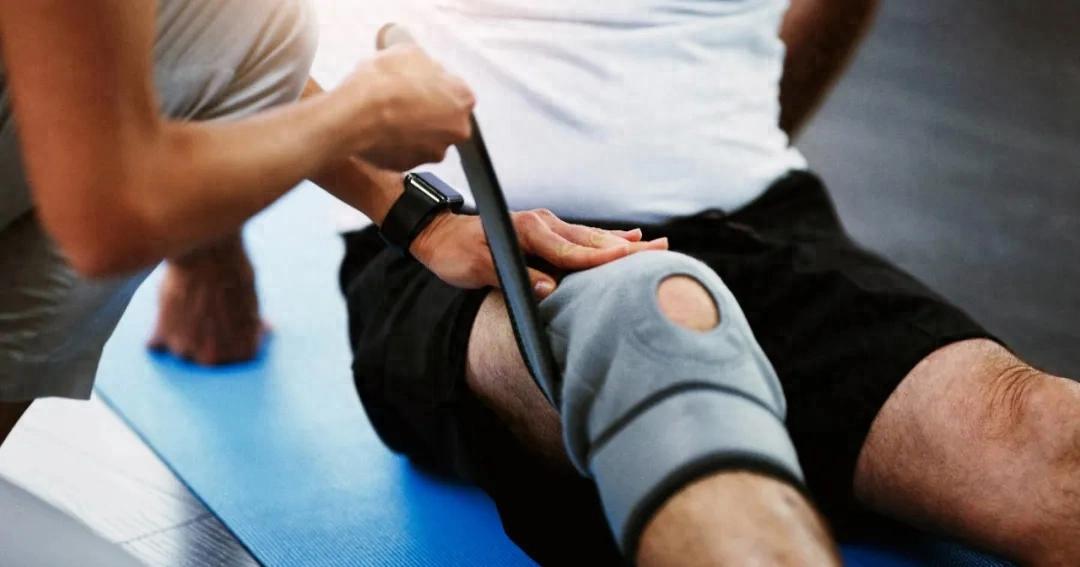
However, behind this seemingly thoughtful protection lies overreliance and incorrect use of knee braces. Not only can this fail to effectively protect the knee joint, it can become a hidden health threat. Today, Dr. Sha Yu, Director of Orthopedics at Henan Provincial Third People’s Hospital, reminds you of common misconceptions about wearing knee braces and the correct approach.
1. Common Misconceptions About Wearing Knee Braces
Wearing them incorrectly not only fails to provide the intended protective effect but may also cause irreversible damage to the knee joint.

01.
Misconception 1: Choosing a Knee Brace That Is Too Tight
。
Many people believe a tighter knee brace is more secure and more effective, so they choose one that is too tight. Unbeknownst to them, this practice is akin to putting the knee joint in "shackles," compressing blood vessels and impairing blood circulation to the joint.
02.
Misconception 2: Wearing knee braces for excessively long periods
Wearing knee braces for excessively long periods is also a major misconception. From day to night, whether during exercise or rest, the knee brace becomes the knee joint's "personal bodyguard." However, excessive protection can cause atrophy of the muscles around the joint and decreased strength, making the joint unstable; it also restricts the normal range of motion of the knee joint, causing stiffness and actually increasing the risk of injury.
Worse yet, long-term wear may also cause skin discomfort, especially in hot summers or humid environments; when the skin is kept enclosed for prolonged periods, redness, swelling, itching, and other problems are likely to occur.
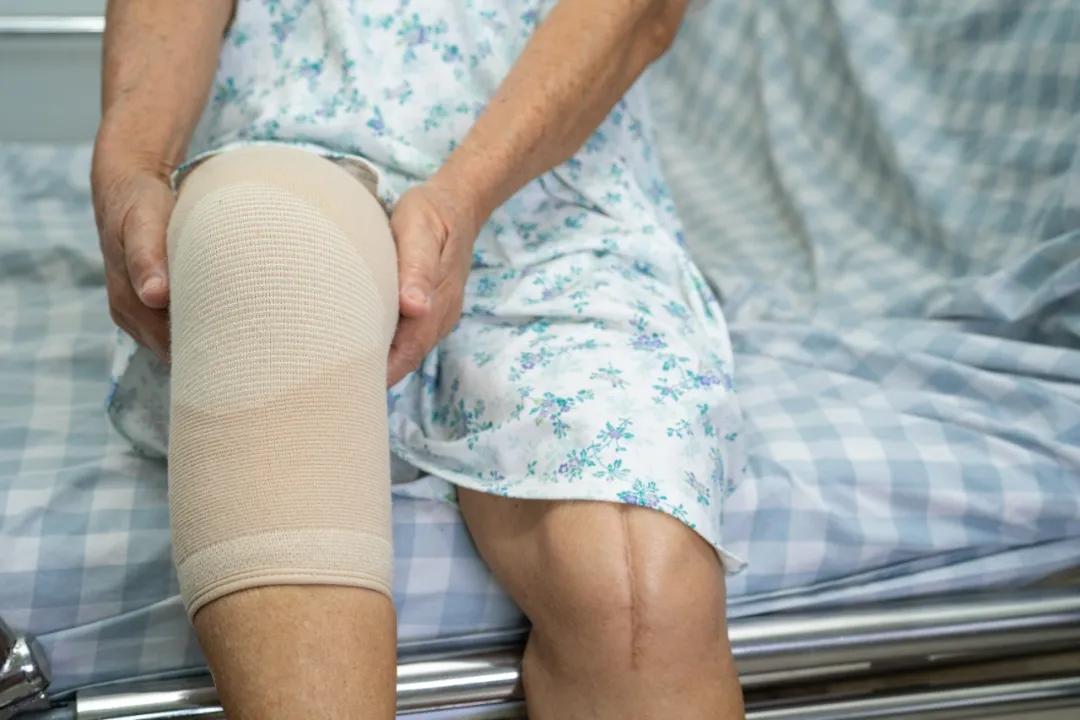
So, faced with the dazzling array of knee braces on the market, how should we choose the one that suits us?
2. How much do you know about knee brace classifications?

Sports knee brace
Specifically tailored for athletes and sports enthusiasts. These knee braces typically use elastic materials that can closely conform to the knee joint, providing strong support for ligaments and muscles.
During high-intensity sports such as basketball or soccer, wearing a sports knee brace can effectively prevent excessive extension or sprain of the knee joint, protecting the joint from injury.
Thermal knee brace
Suitable for people whose knee joints are prone to feeling cold or painful, as well as workers who perform long periods of outdoor work in cold regions. The primary function of thermal knee braces is to retain heat; they are made of soft, comfortable materials and offer wide coverage, effectively resisting cold winds and relieving knee joint pain.
03.
Special-function knee braces
Knee braces with special functions, such as hinged knee braces and orthotic knee braces. These braces are designed to promote knee joint recovery through different therapeutic mechanisms. However, when choosing this type of brace, be sure to carefully discriminate and avoid blindly following trends; it is best to purchase under the guidance of a professional physician.
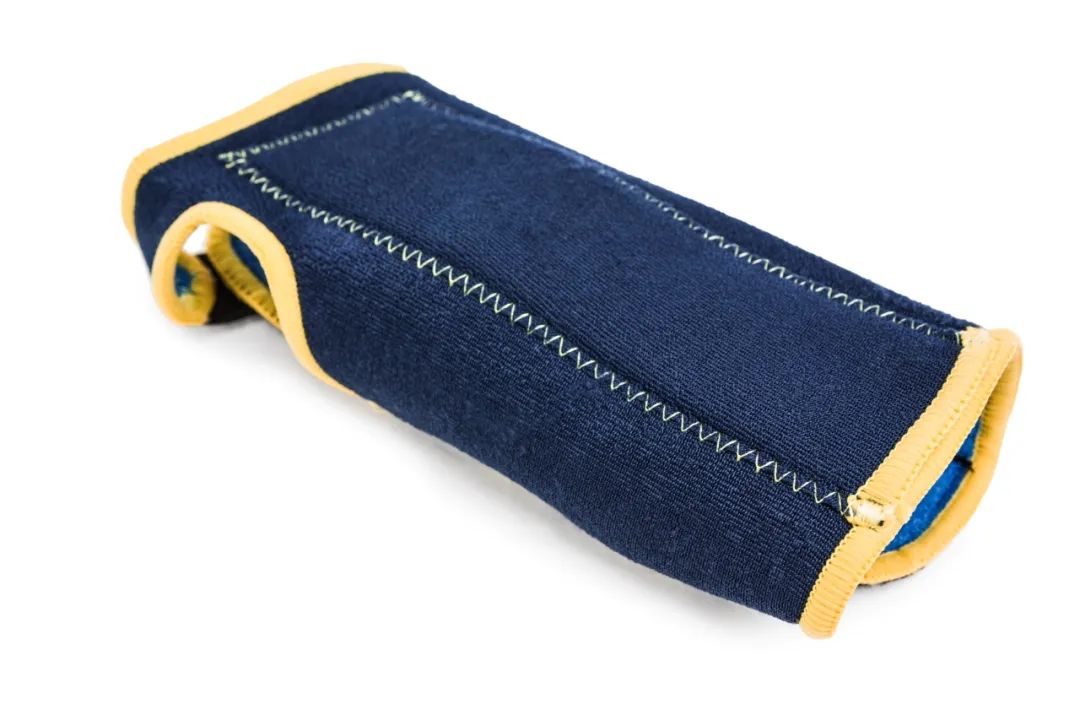
3. How to choose a suitable knee brace
1. Sports knee brace: Choose an appropriate length according to personal height; it is generally recommended that the length cover about 10 cm above and below the knee joint. The tightness should allow space for one palm when stretched—this ensures support while avoiding excessive constriction.
2. Warm-keeping knee brace: prioritize a loose and comfortable fit, and the coverage area over the knee joint can be appropriately expanded. There is no need to overly pursue elasticity in the material; focus more on warmth retention and breathability to avoid creating a compressive feeling on the knee joint.

IV. Tips for Wearing Knee Braces
1. Do not wear blindly: if the knee joint exhibits symptoms such as pain, weakness, or buckling, do not attempt to resolve the issue simply by wearing a knee brace. Seek medical attention promptly to determine the cause and receive targeted treatment.
2. Avoid prolonged wear: no type of knee brace is recommended for prolonged continuous use. A knee brace is only an assistive device, not a substitute for the knee joint. Prolonged use not only fails to promote knee health, but may actually cause harm.