What is fundus laser?
Fundus laser photocoagulation, commonly known as "laser treatment," utilizes the thermal effect of laser to create dense photocoagulation spots on the retina. This process helps seal leakage points, reducing the risk of retinal edema and vitreous hemorrhage. Laser treatment can also destroy capillary occlusion areas, minimizing the formation of new blood vessels and preventing retinal bleeding.
Fundus laser treatment is suitable for various eye conditions, including diabetic retinopathy, central retinal vein occlusion, central serous chorioretinopathy, macular edema, and neovascular glaucoma.
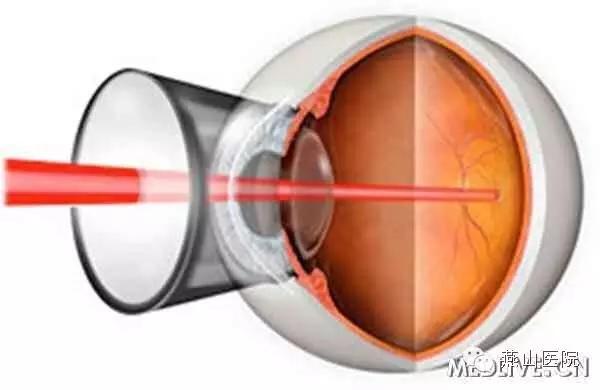
If laser treatment is administered promptly before vision loss occurs, it is highly likely to preserve or salvage the patient's vision. Most patients can maintain stable vision and experience regression of new blood vessels after laser treatment. This is currently the only method capable of halting disease progression and cannot be replaced by medication. It has been widely adopted worldwide.
Before laser treatment (fundus hemorrhage) After laser treatment (fundus hemorrhage absorption)
Laser treatment for fundus diseases is painless and highly effective. It does not involve radiation, causes no harm to the human body, and does not damage normal eye tissues. Hospitalization is not required, and it does not interfere with work, daily life, or studies.