Is a sensation of eye fullness and pain due to high intraocular pressure?
After long periods of looking at a computer or phone, have you ever felt your eyes ache and feel full? Is this discomfort simple visual fatigue, or is it caused by elevated intraocular pressure?
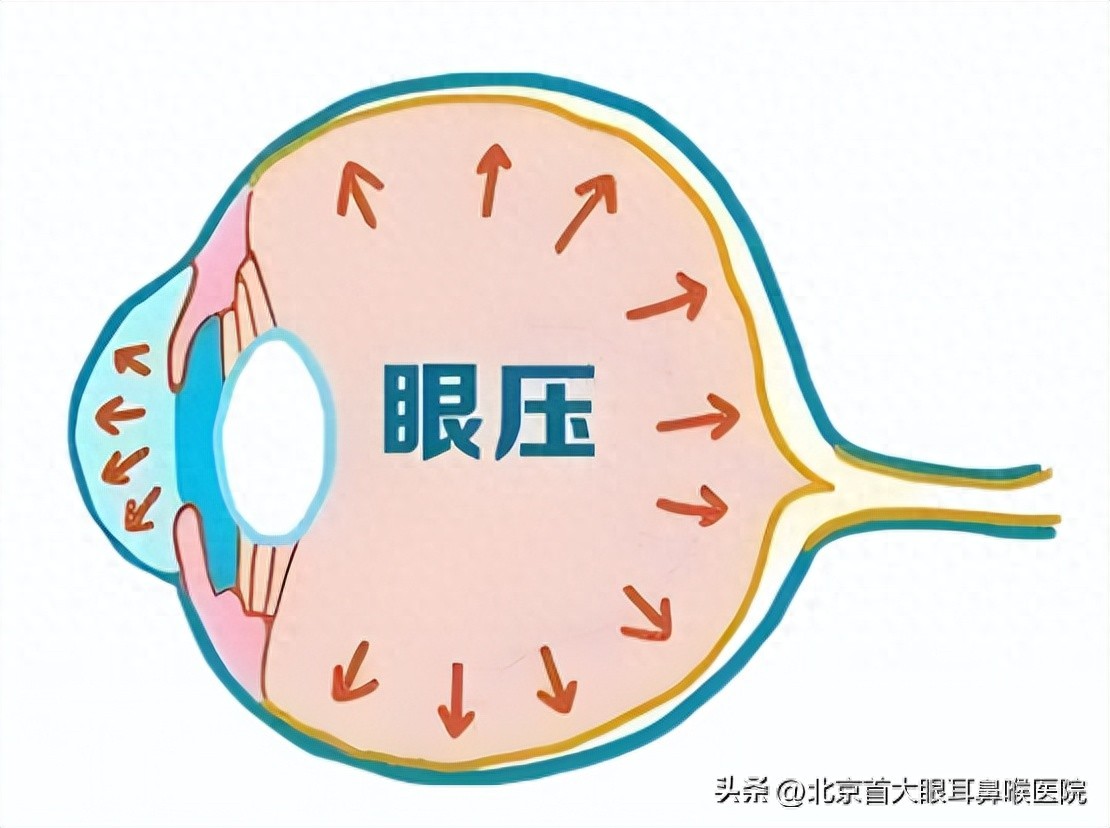
Eye fullness and pain are a symptom, while elevated intraocular pressure is a sign. They are related, but not directly equivalent. Normal intraocular pressure is essential for maintaining the shape of the eyeball and normal optical function.
。
When the production and outflow of aqueous humor (a fluid within the eyeball) become unbalanced, causing excess intraocular fluid, the pressure will rise — this is what we commonly call elevated intraocular pressure. Prolonged high intraocular pressure can compress the optic nerve, causing irreversible damage; the most typical consequence is glaucoma.
Typical symptoms of elevated intraocular pressure include:
Sensation of fullness or aching pain in the eye
Ipsilateral headache, and even nausea and vomiting
Blurred vision, seeing rainbow-like halos around lights (iridescence)
Narrowing of the visual field (usually appears in late stages)
But! For many people, the culprit behind the feeling of "eye fullness and pain" is actually not elevated intraocular pressure.
In most cases, occasional fullness and aching of the eyes are more commonly due to the following causes:
1. Eye strain
Prolonged staring at computer or phone screens reduces blink frequency, causing sustained tension and spasm of the ocular muscles (ciliary muscle). This can result in:
A feeling of pressure and ache in the eyes, dryness, foreign body sensation
Blurred vision, difficulty focusing
Can even cause headache and nausea
This aching pressure usually improves significantly after resting, especially after looking into the distance or closing the eyes.
2. Dry eye
The surface of our eyeball is covered by a tear film; prolonged visual tasks or staying in an air-conditioned room can cause excessive tear-film evaporation, drying the ocular surface, which can also lead to burning, foreign-body sensation, and a feeling of pressure.
3. Sinusitis
When the sinuses are inflamed, pressure within the sinuses increases and can compress the tissues around the orbit, causing marked orbital distending pain, especially worsened when bending over or lowering the head.
4. Migraine
In some migraine patients during an attack, the pain can radiate to the ocular region, presenting as unilateral pulsatile distending pain.
5. Incorrect prescription glasses
Wearing glasses with a prescription that is too strong or too weak forces the eyes to make unnecessary accommodation, increasing ocular strain and causing visual fatigue and a sensation of pressure or aching.
When you feel eye pressure or aching, you can first perform a simple self-check:
Does it improve with rest? If closing your eyes for a while or looking into the distance noticeably relieves the pressure or ache, it is very likely visual fatigue.
Are there accompanying symptoms? If, in addition to a feeling of pressure and aching, you also see halos around lights, experience sudden decreased vision, severe headache, or nausea, the likelihood of an acute rise in intraocular pressure is greatly increased and you must seek medical attention immediately!
Is it related to the nose? Think back whether you have symptoms such as nasal congestion or purulent nasal discharge, and whether the pressure/aching worsens when bending over.
If any of the following occur, do not try to judge or delay—see an ophthalmologist immediately:
Recurrent eye pressure/aching that does not improve with rest.
Accompanied by blurred vision and seeing rainbow halos around lights (polychromatopsia).
Accompanied by severe headache, nausea, and vomiting.
A sensation that the visual field is shrinking (for example, not being able to see things to the side).
The eye is simultaneously red and swollen, photophobic, with increased discharge.
This article aims to provide popular science information and cannot replace professional medical diagnosis. If you experience any eye discomfort, please consult an ophthalmologist promptly.