Do not misuse eye drops — beware these side effects that could ruin your eyes!
“Eyes feeling dry? Quickly put in some eye drops!”
“Eyes red? Hurry to the pharmacy and buy a bottle!”
Eye drops have become a common item on many people’s desks, bedside tables, and in their bags. But are they really as harmless and readily usable as we think?
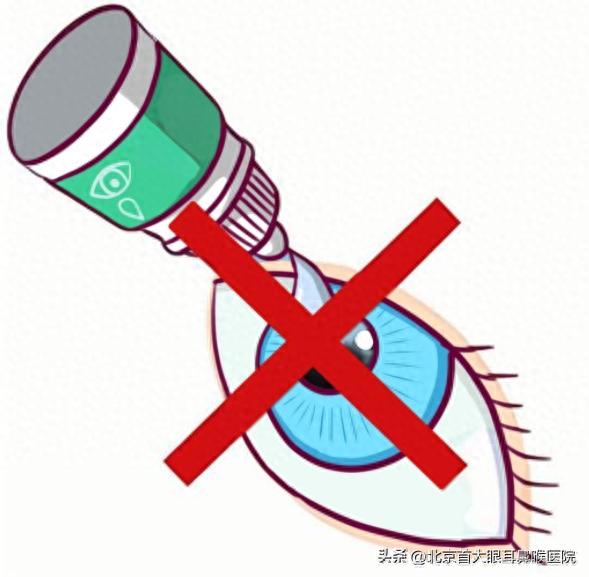
Eye drops are medications, not water! Using eye drops indiscriminately, your eyes may be experiencing these side effects:
1. The more you use them, the drier your eyes become
。
This is the most common and most easily overlooked side effect. Many trendy “viral eye drops” produce an instant brightening and quick disappearance of redness, which feels very satisfying. This effect is usually due to the addition of vasoconstrictive ingredients (such as naphazoline hydrochloride, oxymetazoline hydrochloride, etc.).
It only temporarily forces vasoconstriction, treating the symptom but not the cause. Once the drug effect wears off, the vessels will rebound with compensatory dilation, causing the red veins to become more severe. Long-term use will disrupt the normal ocular surface environment, leading to tear film instability and actually worsening dry eye disease, making you completely dependent on it.
2. The Tragedy of Steroids
Some eye drops used to treat ocular inflammation contain glucocorticoids. These drugs are safe for short-term use under a physician’s guidance, but if misused long-term on your own, the consequences can be disastrous:
Steroid-induced glaucoma: Steroids can obstruct aqueous outflow, raising intraocular pressure, compressing the optic nerve, and causing irreversible visual field defects and vision loss.
Steroid-induced cataract: Long-term use can precipitate lens opacification, causing premature cataract formation.
More frighteningly, steroid-induced glaucoma may have no symptoms in its early stages; by the time you notice visual field constriction, optic nerve damage is already irreversible.
3. Allergic and toxic reactions
Preservative damage: The vast majority of bottled eye drops contain preservatives, such as benzalkonium chloride. With long-term use, preservatives accumulate on the ocular surface and directly poison corneal and conjunctival cells, disrupt the tear film, and cause stinging, burning sensations, corneal epithelial detachment, and other problems.
Allergic reaction to components: an allergic response to certain ingredients in the eye drops, causing increased redness, swelling, and itching of the eyelids and conjunctiva.
4. Masking the underlying condition
Redness, itching, and dryness of the eyes may be manifestations of conjunctivitis, keratitis, eye strain, dry eye disease, or even some systemic diseases. If you use eye drops indiscriminately at the first sign of discomfort—especially those containing steroids or antibiotics—you may temporarily mask the true condition, delay the optimal treatment window, and allow a simple inflammation to progress into a complex, refractory disease.
For safe use of eye drops, remember:
If your eyes feel uncomfortable, the first step is always to see a doctor to determine the cause and treat accordingly. Do not act as your own "ophthalmologist."
Use exactly as prescribed by the doctor for the specified frequency and duration; do not change the dose or stop the medication on your own.
Learn to read the package insert to understand the main ingredients and precautions. For artificial tears used long-term, prefer preservative-free single-use vials.
Wash your hands before instilling eye drops; avoid letting the bottle tip touch the eye or eyelashes. After instillation, press the inner canthus for 2–3 minutes to increase local effect and reduce systemic side effects.
Kind reminder: This article is for reference only. If you experience any eye discomfort, please seek medical attention promptly.