Don't let cataracts 'steal' the brilliance of your later years! If they affect your life, it's time to consider surgery
There is a part in our eye called the lens, which is originally transparent and elastic.
As we age, the lens gradually becomes cloudy and stiff, like egg white turning into cooked albumen; its light transmission deteriorates, causing vision loss—this is senile cataract, an unavoidable, normal aging process.
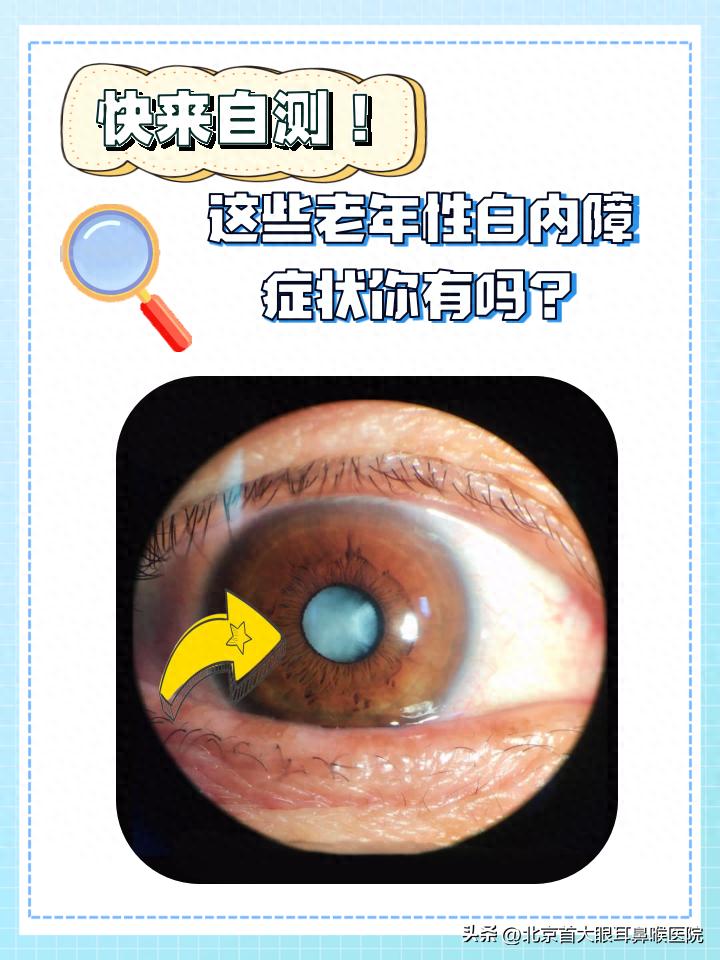
Have you noticed the early signs?
Vision gradually becomes blurry, as if covered by a veil or frosted glass
You feel the light in front of you has dimmed, and colors are no longer vivid
When looking at streetlights at night, severe halos and glare occur
Presbyopia symptoms suddenly “improving” may actually be due to lens sclerosis causing refractive changes
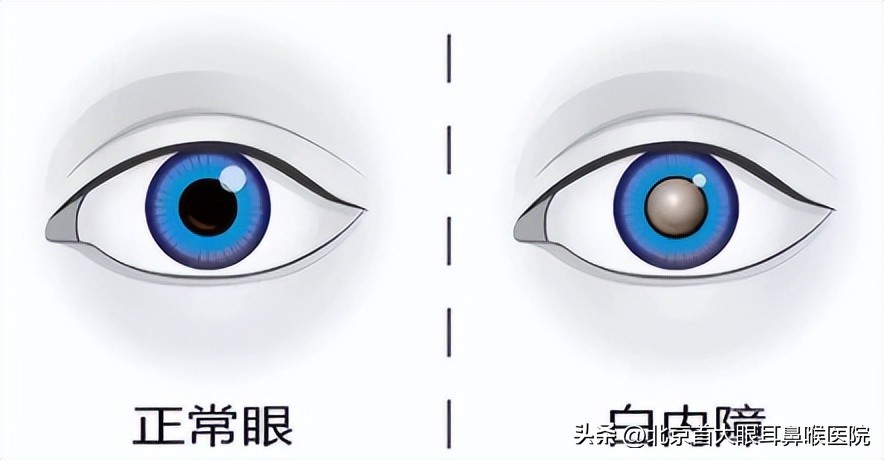
“Wait until the cataract is fully ripe before having surgery” — this is a widely circulated misconception.
Three major risks of delaying:
Increased surgical difficulty and higher risk: an overripe lens nucleus is harder, requiring more energy for phacoemulsification, which may cause greater damage to intraocular tissues and even trigger complications.
Can cause other eye diseases: overly mature cataracts may lead to phacolytic glaucoma, phacoantigenic endophthalmitis, and other serious problems that permanently impair visual function.
A cliff-like decline in quality of life: during the long wait, you will live in blur and anxiety, have reduced mobility, increased risk of falls, and be unable to enjoy a clear later life—not worth the cost.
When to consider surgery? When vision loss caused by cataracts already affects your daily life, work, and hobbies.
This is not just a number on an eye chart (for example, vision below 0.5), but a personalized choice about quality of life.
This article is for medical science popularization only; if you have specific symptoms, please seek in-person medical consultation promptly.