9 lifestyle details friends with vocal cord polyps should pay attention to!
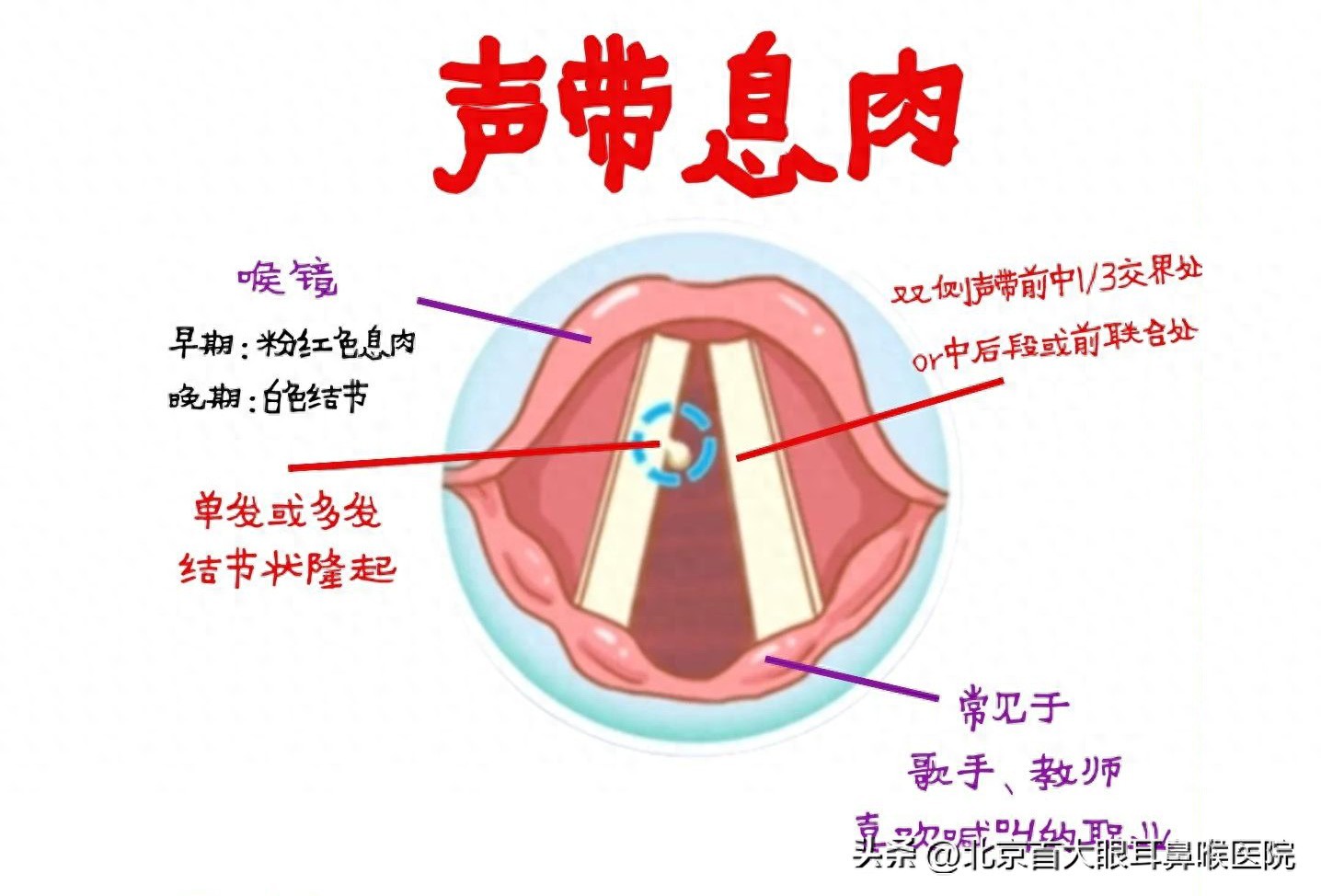
Vocal cord polyps are a common throat condition, especially prevalent in professions that require prolonged voice use such as teachers, salespeople, and customer service representatives. Vocal cord polyps are not a serious disease, but they have a significant impact on phonation and, in severe cases, can cause hoarseness and even impair daily communication. So, how can we protect our vocal cords in daily life?
01
Avoid prolonged loud talking or shouting
Moderate use of the voice is the first step in protecting the vocal cords. The development of vocal cord polyps is often related to long-term overuse of the voice or improper vocal habits. Especially when speaking loudly or shouting, the vocal cords require greater force and vibration, which can damage vocal fold tissue and lead to polyp formation. People who need to use their voice frequently, such as teachers and salespeople, should consider using a softer tone and slowing their speech in daily communication to reduce the load on the vocal cords. If prolonged voice use is unavoidable, try using tools such as microphones to lessen the strain on the throat.
02
Pay attention to rest and avoid staying up late
Staying up late can lead to decreased immunity, and a weakened immune system may exacerbate vocal cord polyp problems. Adequate rest helps the vocal cords undergo self-repair at night and can help reduce their burden. It is recommended to ensure 7–8 hours of high-quality sleep each day and to avoid staying up late or excessive fatigue.
03
Quit smoking and drinking
Harmful substances in tobacco and alcohol can irritate the vocal cord mucosa, exacerbating inflammation and hindering the recovery of polyps. Smoking can damage the vocal cord mucosa, making it fragile, while alcohol easily causes laryngeal congestion, increasing the risk of polyp proliferation. Therefore, friends with vocal cord polyps should adopt healthy lifestyle habits and stay away from tobacco and alcohol.
04
Avoid spicy and irritating foods as much as possible
Spicy, overly cold, overly hot, or overly acidic foods can all irritate the throat and vocal cords, hindering the recovery of polyps. A mild, bland diet is more beneficial for protecting the vocal cords. Seasonings such as chili, ginger, and garlic should be reduced appropriately to avoid stimulation of the throat mucosa and consequent discomfort.
05
Keep indoor air humidified
Dry air can make the throat mucosa dry and cause the vocal folds to be more susceptible to injury. Especially during autumn and winter or in air-conditioned rooms, a humidifier can be used to maintain indoor humidity and help keep the vocal folds lubricated. At the same time, drinking more water can help relieve throat dryness.
06
Learn scientific voice production techniques
Incorrect vocalization methods can increase the burden on the vocal folds. For example, habitually using "throat voice" producing a heavier, deeper sound, or speaking forcefully, can all increase the likelihood of polyp formation. Learning scientific voice production methods, such as engaging the abdomen rather than relying entirely on the vocal folds, can effectively protect the voice and extend vocal endurance.
07
Pay attention to rest
Even when there is no obvious discomfort, appropriate voice rest is essential. Especially for those with vocal cord polyps, you can schedule fixed periods of silence in your daily routine, refraining from vocalizing to give the vocal cords time to repair. For example, after your daily voice use, try to maintain a half-hour rest to help the vocal cords recover.
08
Regular follow-up examinations to monitor polyp changes
Although vocal cord polyps are mostly benign, some cases require monitoring. Regular hospital check-ups can help us understand the size and location of the polyps and prevent progression or worsening of the condition. Based on the specific situation, the doctor can recommend whether medication, physical therapy, or even surgery is necessary.
09
Actively treat underlying conditions
The formation of vocal fold polyps may also be related to certain underlying conditions, such as chronic pharyngitis and sinusitis. Patients with chronic diseases need active treatment of the primary conditions to avoid recurrent inflammation that could further worsen the burden of vocal fold polyps. In particular, patients with rhinitis often stimulate the vocal folds by frequently clearing their throat, which is extremely detrimental to the recovery of the polyps.