Middle-aged, please take better care of your throat
When people reach middle age, the saying goes "forty and no longer confused," but our bodies seem to enter a more perplexing stage. Many friends find that when they were young, losing their voice and sleeping it off would solve the problem; now it no longer does. The throat becomes delicate and easily "acts up."
Today, let's talk about throat issues during middle age that you need to pay special attention to. They may not be as simple as "heatiness" or "fatigue."
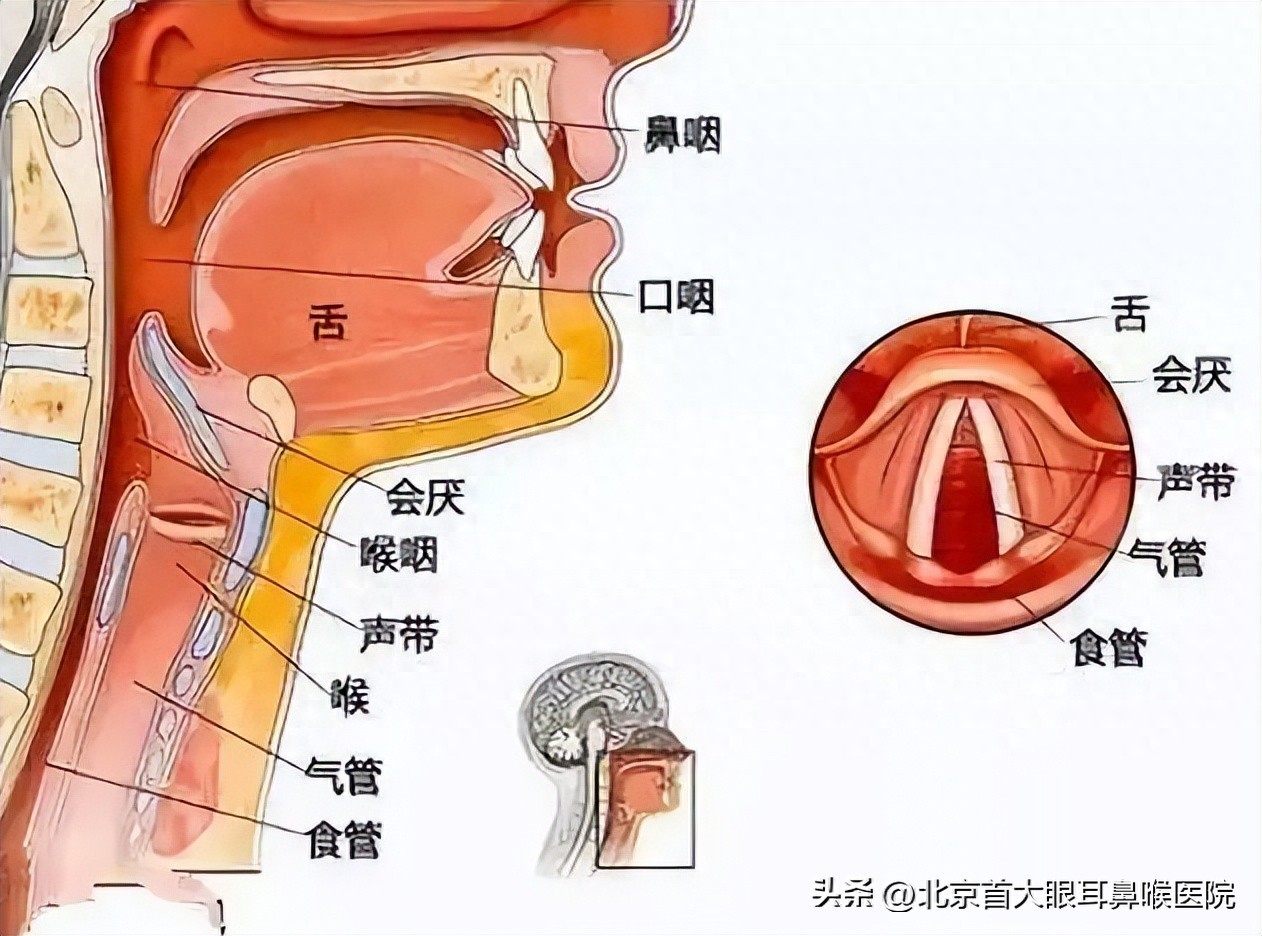
1. Hoarseness
Occasional hoarseness is normal, but you should be alert if your hoarseness presents as any of the following:
Persistent: hoarseness lasting more than two weeks or even longer, with no significant improvement after rest.
Recurrent: hoarseness that comes and goes, improving at times but never fully resolving.
Gradual worsening: the voice becomes increasingly lower, effortful, and may even be lost.
Possible underlying causes:
Vocal fold aging and overuse: like parts of a machine after decades of use, the vocal folds undergo degenerative changes, developing vocal fold sulcus, reduced mucosal wave, etc., leading to incomplete glottic closure and effortful phonation.
Benign vocal fold lesions: long-term incorrect or excessive voice use can lead to vocal nodules and vocal polyps. This is especially common among professions such as teachers and salespeople.
Warning signs of laryngeal cancer: one point to be vigilant about. Middle-aged men who smoke and drink heavily are a high-risk group for laryngeal cancer. Persistent hoarseness is its earliest symptom. Do not dismiss it as ordinary pharyngitis and keep putting it off.
2. Foreign body sensation in the throat
This is what people commonly call “a fishbone stuck in the throat,” but eating and drinking are not affected. This unpleasant sensation is very common in middle age, especially among middle-aged women.
Laryngopharyngeal reflux: This is a frequently overlooked "culprit." It is not the common "acid reflux/heartburn" we refer to, but rather gastric contents (primarily gastric acid and pepsin) refluxing up to the throat area, persistently irritating the delicate pharyngeal mucosa and causing sensations of a foreign body, frequent throat clearing, hoarseness, etc. After middle age, the lower esophageal sphincter function may weaken, making this more likely to occur.
Chronic pharyngitis: Under long-term exposure to smoking and alcohol, spicy irritants, dust, and similar environments, the pharyngeal mucosa becomes chronically hyperemic, producing a foreign-body sensation.
Emotions and stress: Middle age is a period of significant stress; anxiety, depression, and other emotions can readily lead to globus pharyngeus—feeling as if something is stuck in the throat—which is essentially a functional sensory disorder.
3. Swallowing discomfort
If you feel that swallowing is not smooth, that there is a sensation of blockage, or that swallowing is painful, this is definitely a signal that needs to be taken seriously.
Cricopharyngeal dysfunction: impaired coordination of the muscle that controls the opening of the upper esophageal sphincter (cricopharyngeus), leading to difficulty with bolus passage and a sensation of food being stuck in the chest.
Laryngeal and hypopharyngeal tumors: besides hoarseness, tumors located elsewhere may also initially present as a foreign-body sensation when swallowing or as odynophagia.
Other issues: Of course, it is also necessary to rule out intrinsic esophageal problems.
4. Dry cough, throat clearing
No cold, yet you keep uncontrollably wanting to cough a few dry coughs, or only feel comfortable after clearing your throat. This may very well be a typical manifestation of laryngopharyngeal reflux. Long-term microscopic stimulation by gastric acid makes the throat constantly feel phlegmy or uncomfortable, prompting you to clear your throat repeatedly, and the throat-clearing action itself can impact and damage the vocal cords, creating a vicious cycle.
Throat-care advice for middle-aged friends
Avoid shouting or speaking loudly for long periods. If prolonged voice use is necessary, learn diaphragmatic breathing, take frequent breaks, and drink warm water.
Reduce intake of spicy, greasy, and excessively hot foods. Be especially cautious with coffee, strong tea, chocolate, mint, and carbonated beverages, as they can worsen laryngopharyngeal reflux.
Smoking and alcohol severely damage laryngeal health; for the sake of your voice, please make a firm decision to quit.
Sipping warm water in small amounts and frequently is the best “throat-soothing tea.” Avoid relying on lozenges; some lozenges can irritate the mucosa and make it drier the more you use them.
If you experience morning bitter taste in the mouth or dry throat, try raising the head of the bed by 15–20 cm (note: raise the head of the bed, not just the pillow); use gravity to effectively prevent nighttime reflux.
As always, for any persistent or abnormal throat problem, promptly seek help from an ENT specialist.