Beware of Workplace Diabetes! Feeling Ravenously Hungry at 10 AM? Don’t Mistake These Signals for "Work Fatigue"
Do you think diabetes is only for middle-aged and elderly people? The data tells a different story: globally, 7 out of every 10 people with diabetes are of working age. In China, among working professionals aged 20-60, 5 to 26 out of every 100 are affected. The prevalence among young adults aged 18-29 has surged to 5%, which is four times higher than it was 20 years ago!
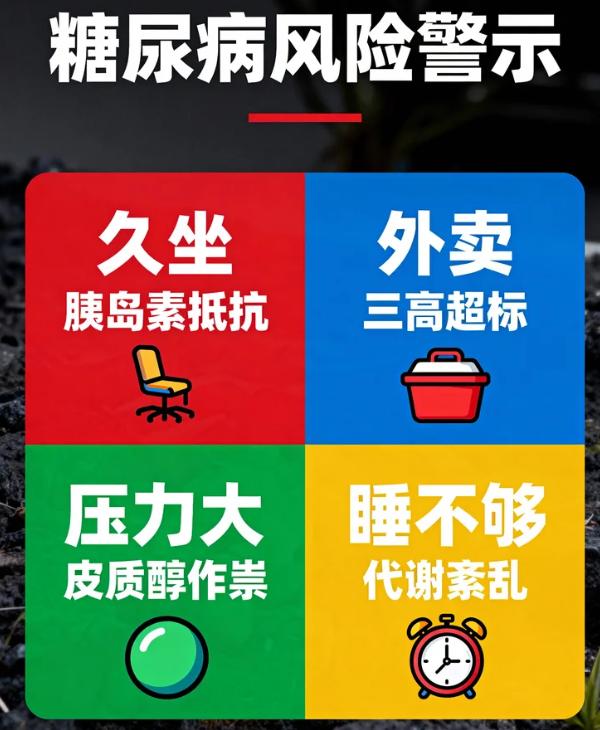
The "sweet trap" in office buildings is actually hidden in your daily work routine – prolonged sitting, reliance on takeout, working late nights, and high stress. These four major culprits are quietly pulling you closer to diabetes.

II. Why Has the Office Become a "High-Risk Zone" for Diabetes?
- Prolonged Sitting = A "Killer" for Blood Sugar: Sitting for more than 3 hours a day without moving your muscles makes your body "insensitive" to insulin (this is called insulin resistance), and blood sugar naturally doesn't drop. For those with a family history of diabetes, the risk triples!
- Takeout = A "Triple High" Bomb: Braised, fried, and dry pot dishes, with staples being white rice and white noodles, are overloaded with high oil, salt, and sugar. Long-term consumption overwhelms the pancreas, leading to gradual functional decline.
- High Stress = A Blood Sugar Booster: KPIs, overtime, and interpersonal conflicts trigger the release of "cortisol," which works against insulin, raising blood sugar levels. It also makes you crave sweets and fried foods, leading to weight gain and increased risk.
- Insufficient Sleep = Metabolic Disorder: Sleeping less than 6 hours a day directly reduces insulin sensitivity, making blood sugar prone to fluctuations. It also increases hunger, leading to weight gain, especially abdominal fat, which acts as an "accelerator" for diabetes.
III. If Your Body Shows These Signals, Get Your Blood Sugar Checked Immediately!
The classic symptoms of diabetes – excessive thirst, frequent urination, increased appetite yet weight loss – are often not obvious in working professionals and are easily mistaken for "work fatigue." If you experience the following, don't tough it out; go for a check-up:
- Feeling extremely hungry and shaky around 10 AM or 3 PM, with an urge to eat something sweet (this is an early sign of hypoglycemia);
- Recurring skin boils, persistent athlete's foot, vaginal itching in women, or small wounds taking 2-3 weeks to heal;
- Sudden blurry vision when looking at a computer or phone, not improving with rubbing (high blood sugar affects osmotic pressure in the eyes);
- Constant dry mouth despite drinking plenty of water, feeling exhausted and only wanting to lie down after work, and unexplained irritability or low mood;
- Losing several pounds without dieting, or an increasingly larger waistline, along with fluctuating blood pressure.
IV. Simple and Practical Blood Sugar Management for Working Professionals!
No need for strict dieting or gym memberships. Just follow these daily tips to effectively prevent diabetes:
1. Eating: Remember the "Plate Method + Three Lows and One High"
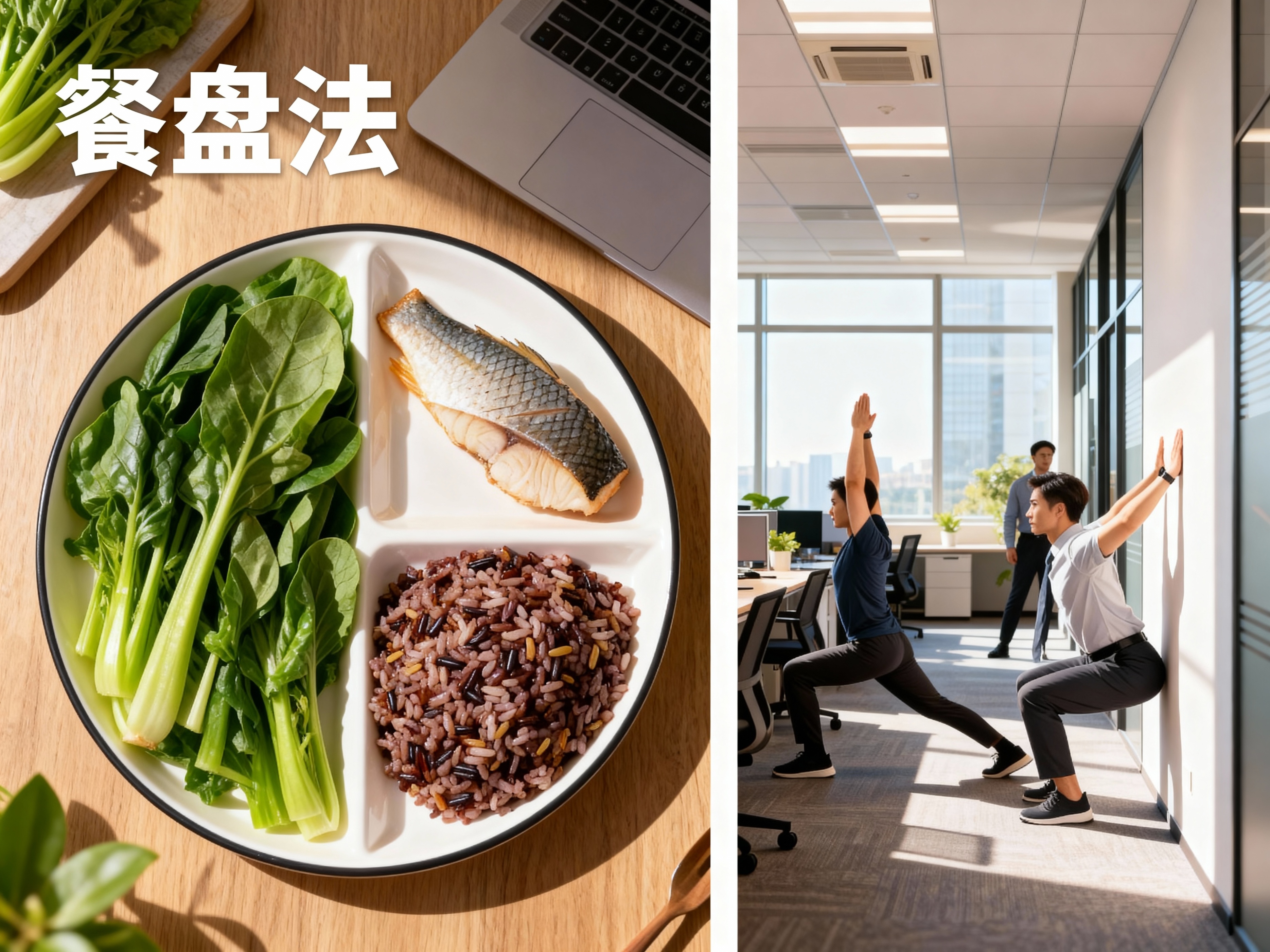
- Divide your plate into three parts: 1/2 vegetables (leafy greens, mushrooms, bitter melon are good), 1/4 protein (lean meat, fish, shrimp, eggs, tofu), and 1/4 staple foods (opt for brown rice, oats, mixed bean rice instead of pure white rice or noodles);
- When ordering takeout, prioritize steamed, poached, or cold-tossed dishes over braised, fried, or dry pot options;
- Eating order: Start with soup → then vegetables → followed by protein → and finally staple foods. Chew each bite 20 times, finish within 20 minutes, and stop when you're 80% full.
2. Snacks: Keep These in the Office to Avoid Pitfalls When Hungry
- Unsweetened yogurt (check the label; protein ≥3g/100ml indicates truly unsweetened), plain nuts (limit to 8 almonds per day);
- Low-sugar fruits (apples, grapefruit, kiwi; no more than 2 per day), ready-to-eat chicken breast, low-salt seaweed;
- Absolutely avoid: milk tea, cakes, cookies, candy, and sugary drinks (a single bottle of cola exceeds the daily sugar limit).
3. Exercise: Make Use of Fragmented Time
- For every hour of sitting, get up and move for 5 minutes: stretch, stand on tiptoes, turn your head, or go get water or use the restroom;
- Get off one stop early during your commute to walk, or take a 15-20 minute walk after lunch;
- Exercises you can do at your desk: ankle pumps (20 reps), seated leg raises, wall squats. Aim for a cumulative 30 minutes per day.
4. Stress Reduction + Adequate Sleep: Key to Stable Blood Sugar
- When stressed, try "deep breathing": inhale for 4 seconds → hold for 4 seconds → exhale for 6 seconds. Repeat 5 times to quickly lower cortisol;
- Set aside 10 minutes daily for "mindless time" – no work chats, no phone scrolling. Listen to music or simply daydream;
- Try to sleep before 11 PM, ensuring 6-8 hours of sleep per night. Avoid working late (staying up late harms the pancreas more than eating sweets).

V. Already Diagnosed with Diabetes? A Workplace Survival Guide
- Don't be afraid to let colleagues know. Appropriately inform your supervisor and trusted colleagues about your condition, such as the need for regular blood sugar monitoring or insulin injections. Request a private rest area and reasonable schedule adjustments (avoid frequent night shifts);
- Regular Monitoring: Test blood sugar 2-4 times daily (fasting and 2 hours post-meal). Check glycated hemoglobin (HbA1c) every 3 months to assess average blood sugar levels over the past 3 months;
- Follow Medical Advice for Medication: Do not stop or reduce medication on your own, and avoid unverified remedies. Use medications like metformin under a doctor's guidance;
- Protect Your Privacy: Find a private space for insulin injections and blood sugar testing. Understand your rights under the "Labor Law" and "Law on the Protection of Persons with Disabilities" to safeguard your legal interests.
VI. A Final Honest Word
Diabetes itself isn't scary; what's frightening is "ignorance + neglect." Health is the foundation for working professionals' endeavors. You don't need to pursue "extreme blood sugar control." Simply managing your diet, exercise, sleep, and stress effectively allows you to "peacefully coexist" with diabetes, or even stay away from it.
Companies should also lend a hand: provide health check-ups, promote workplace exercise breaks, and optimize the office environment (e.g., standing desks). Don't force employees to choose between "making money" and "staying healthy." After all, healthy employees are a company's most valuable asset!