Allergic Rhinitis Taught Me a Lesson: Letting Go of the Supermom Obsession Is the Beginning of Health
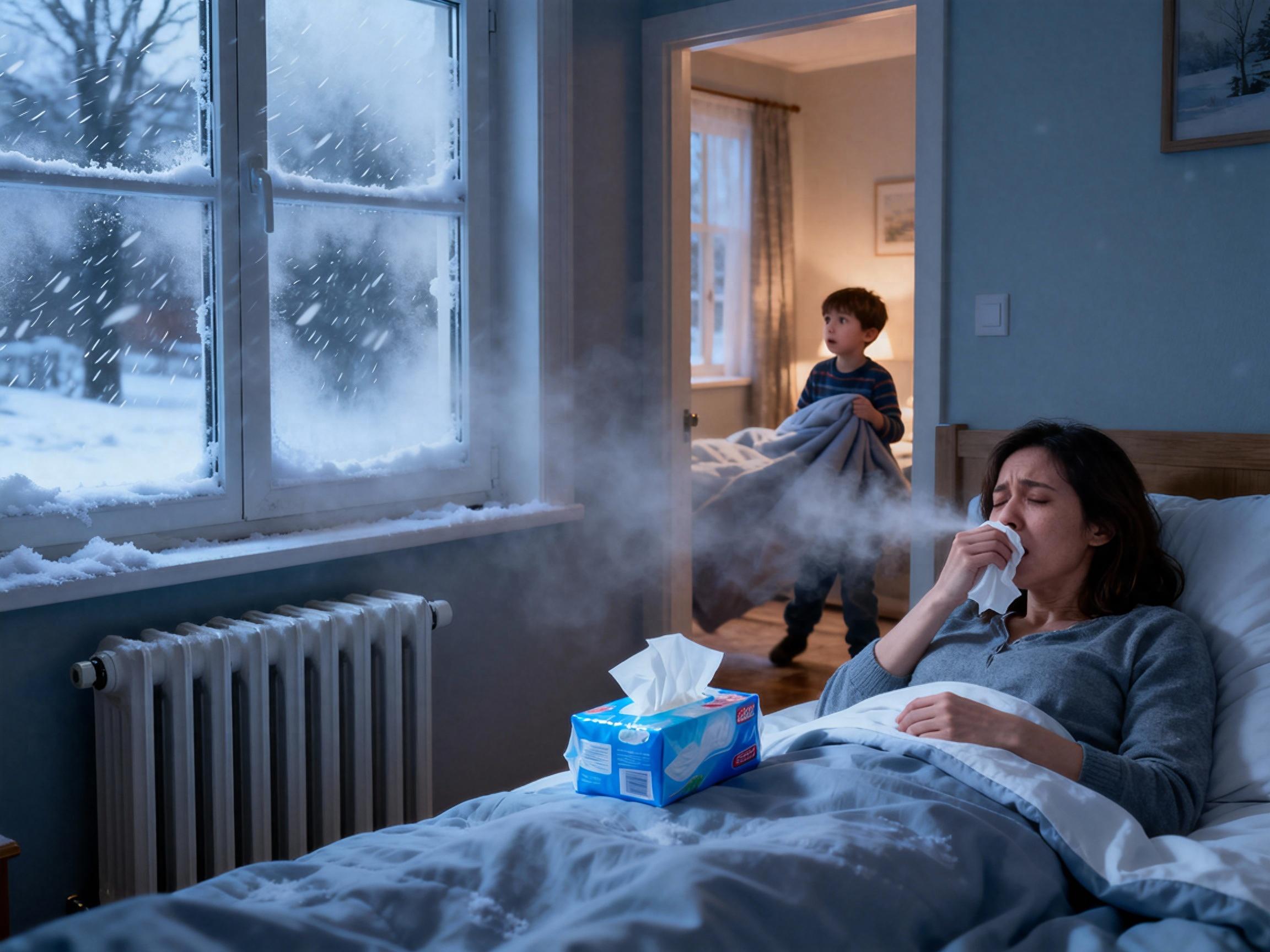
At six in the morning, I was woken by a series of sneezes of my own. The cold wind howled outside the window, while the heater inside left my mouth dry. I groped my way to my child's room in the dark, afraid he had kicked off his covers and caught a chill, only to find I couldn't even hear his steady breathing clearly — my nose was "completely blocked" again.
。
This is the fifth winter that allergic rhinitis has accompanied me since becoming a mother. I used to dismiss it as a trivial nuisance, thinking I could just tough it out. Until that morning when it was minus five degrees, when I nearly spilled hot water on my child because my hands slipped from wiping my nose so much, I was jolted awake: the bodily signals I had been ignoring were reminding me in a different way that the script of the Supermom needed to be rewritten.
1. The Uninvited Winter Guest: When Rhinitis Becomes a Daily Obstacle
"Achoo, achoo, achoo —" every morning, my reveille is not an alarm clock but this incessant sneezing. They are like well-trained soldiers, occupying my mornings with precision and persistence.
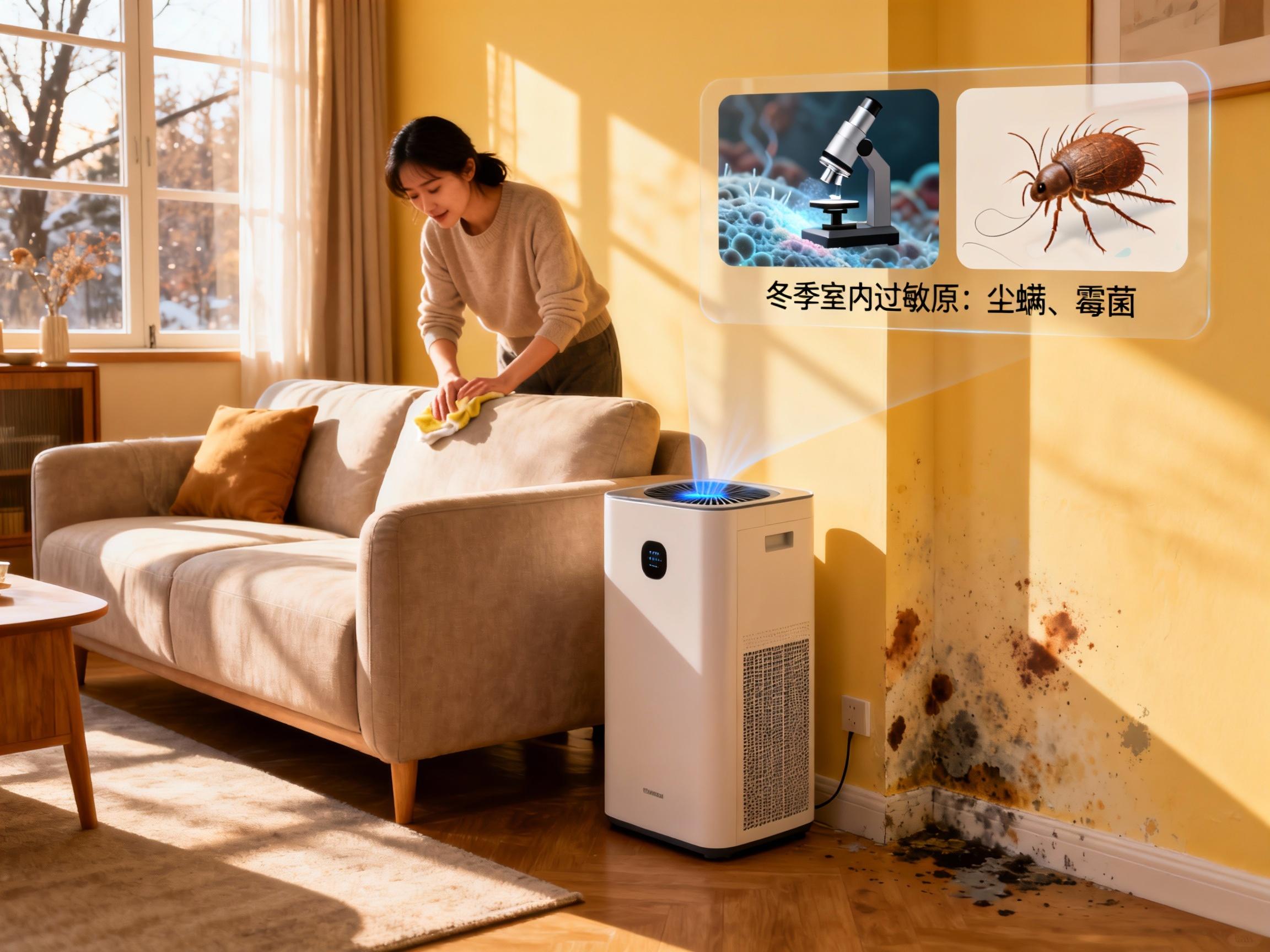
Winter becomes a high-incidence period for allergic rhinitis closely related to two major factors. First, the concentration of indoor allergens increases. As the weather turns cold, people reduce outdoor activities and keep doors and windows tightly closed, leading to poor indoor ventilation and accumulation of allergens such as dust mites, mold, and pet dander. Especially dust mites, whose optimal reproduction temperature is 20–25°C and optimal humidity is 75%–80%; the warm indoor environment in autumn and winter suits them perfectly. Second, cold air itself is also a strong physical stimulus that can directly trigger nasal symptoms.
The speed at which tissues were consumed became the “barometer” of my condition. At its worst, one pack of facial tissues a day was not enough. My nose felt like two faucets that never stopped running, with clear nasal discharge dripping from my nostrils without warning. Nasal congestion made it hard to fall asleep at night, forcing me to breathe through my mouth, and the next morning my throat would be dry and burning.
The cruelest aspect of allergic rhinitis is that it robs you of your connection to a good life. Weekends that could have been spent taking my child to the park to play in the snow were declined because I feared the cold air would trigger symptoms; I couldn’t taste the nutritious meals I prepared carefully for my child; even the faint milky scent on my child became absent to me.
2. The Awakening Moment: Reflection Brought by an Accident
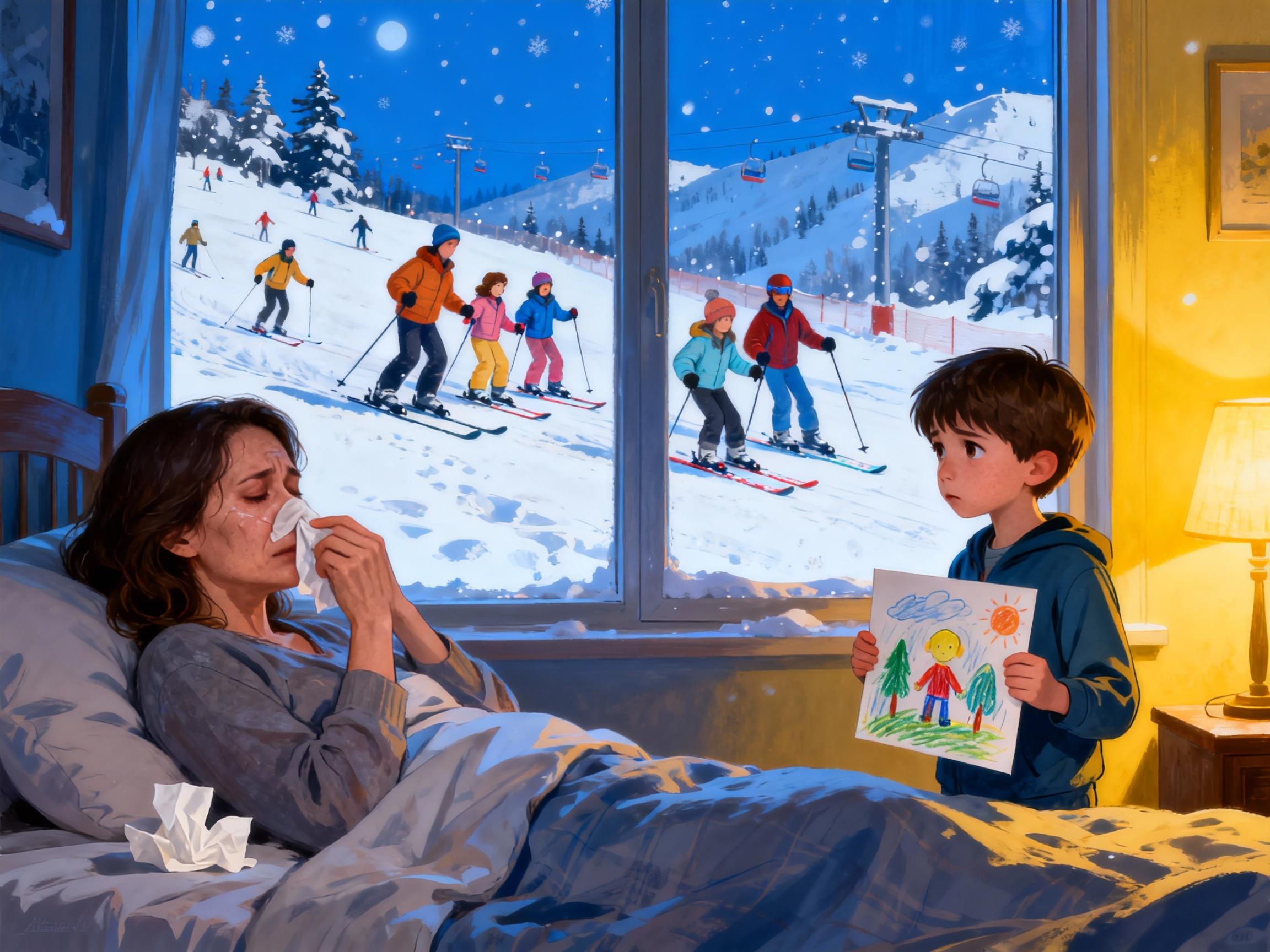
The turning point came after the heavy snow solar term last year. My child’s class organized a parent-child skiing activity, and I had already agreed to participate. But on the morning of the event my rhinitis flared up severely; I felt dizzy and lightheaded and could barely stand.
"Mom, you really can't go skiing with me anymore?" The child's disappointed eyes pierced my heart like a knife. I lay on the couch, watching other families outside laughing as they headed to the slopes, and for the first time realized that my "little ailment" was becoming my child's regret.
This wasn't the first time I'd disappointed my child because of health issues. Frequent rhinitis flare-ups made me cancel too many plans: weekend trips to the library, short holiday outings, even promised bedtime stories. Each time I comforted myself, "I'll take you when Mom feels better." But promises repeatedly fell through, and the anticipation in my child's eyes dimmed again and again.
That night I couldn't sleep. Not because of nasal congestion, but because of an inner shock. I suddenly understood: a tired, sick, anxious mother is the greatest drain on a family. And those things I once took pride in—"giving everything for the family"—were nothing more than a self‑consoling act of pretending to be strong.
3. Letting Go of Obsession: The Transition from "Supermom" to "Wise Mom"
Change began with admitting my limitations. I summoned the courage to hold a family meeting and candidly shared my health status and feelings. To my surprise, my husband and children were understanding and proactively took on household chores.
I learned the wisdom of "being lazy." I no longer force myself to prepare banquet-style dinners every day, but embraced the idea that "simple and nutritious can also be tasty"; I no longer take on all the chores by myself, but let each family member have a sense of participation; I no longer feel guilty about resting, but understand that appropriate rest enables better companionship.
At the same time, I began to take winter protection seriously:
Maintain clean indoor air: use air purifiers, clean frequently, ventilate, and other methods to help reduce the accumulation of allergens.
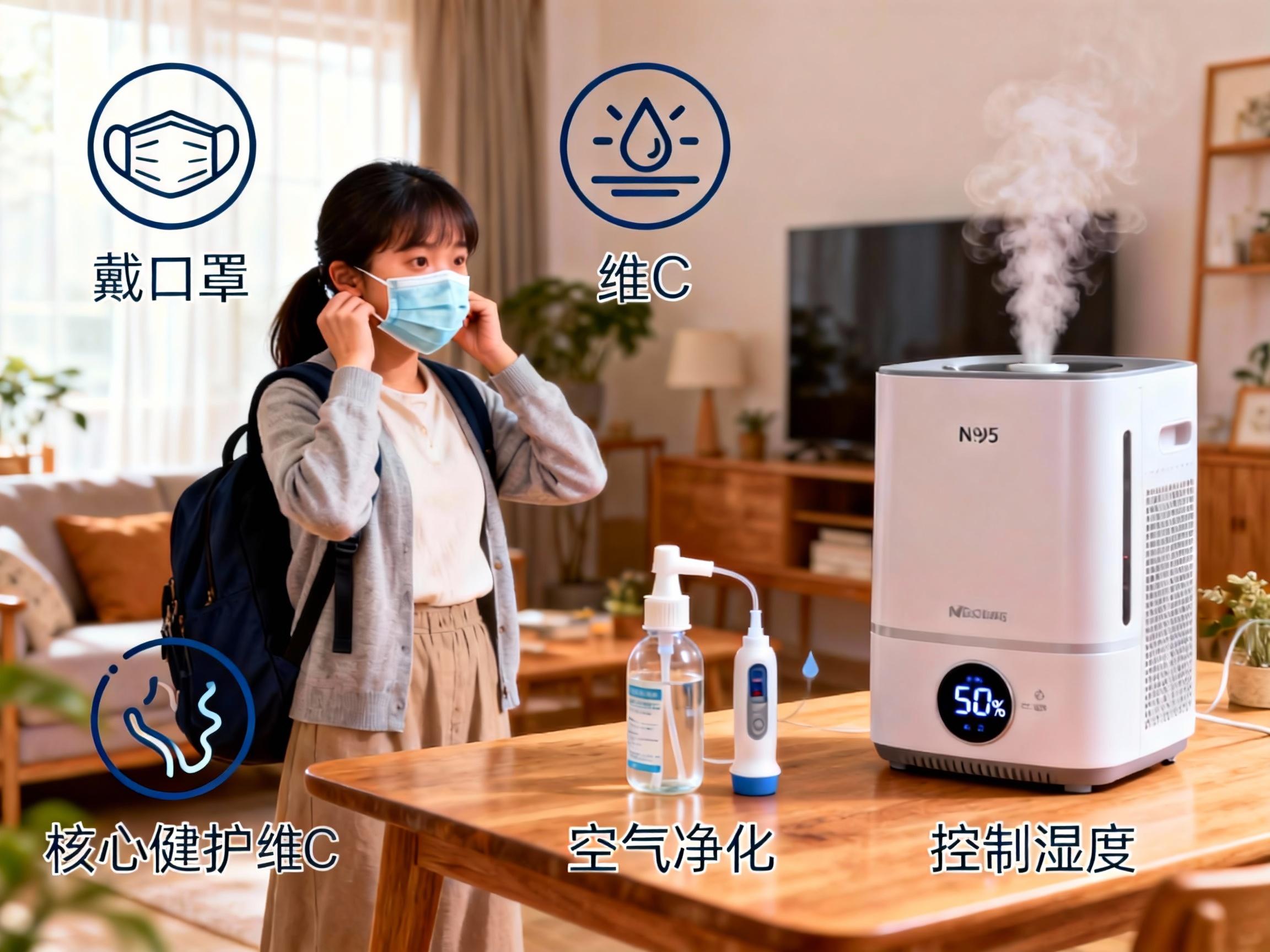
Control indoor humidity: use a humidifier to keep indoor humidity between 40% and 60% to reduce the proliferation of allergens indoors.
Full protection when going out: during pollen season or when air pollution is severe, reduce unnecessary outings. When going out, wear a mask such as an N95 or a medical surgical mask; this not only protects against viruses but also serves as an effective physical barrier against pollen and particulate matter.
Nasal care: rinse the nasal cavity daily with normal saline to reduce nasal sensitivity and to flush out bacteria and secretions from the nasal passages.
These small changes made me realize: caring for yourself is not selfish, but the foundation for sustainable caregiving.
4. An Unexpected Gain: When I Changed, the Family Changed Too
When I let go of the obsession with being a "supermom," a miraculous thing happened. My husband began to take the initiative in sharing household chores, and the children learned to complete their homework independently. The family atmosphere did not become chaotic because of my "laziness"; instead it became more harmonious and relaxed.
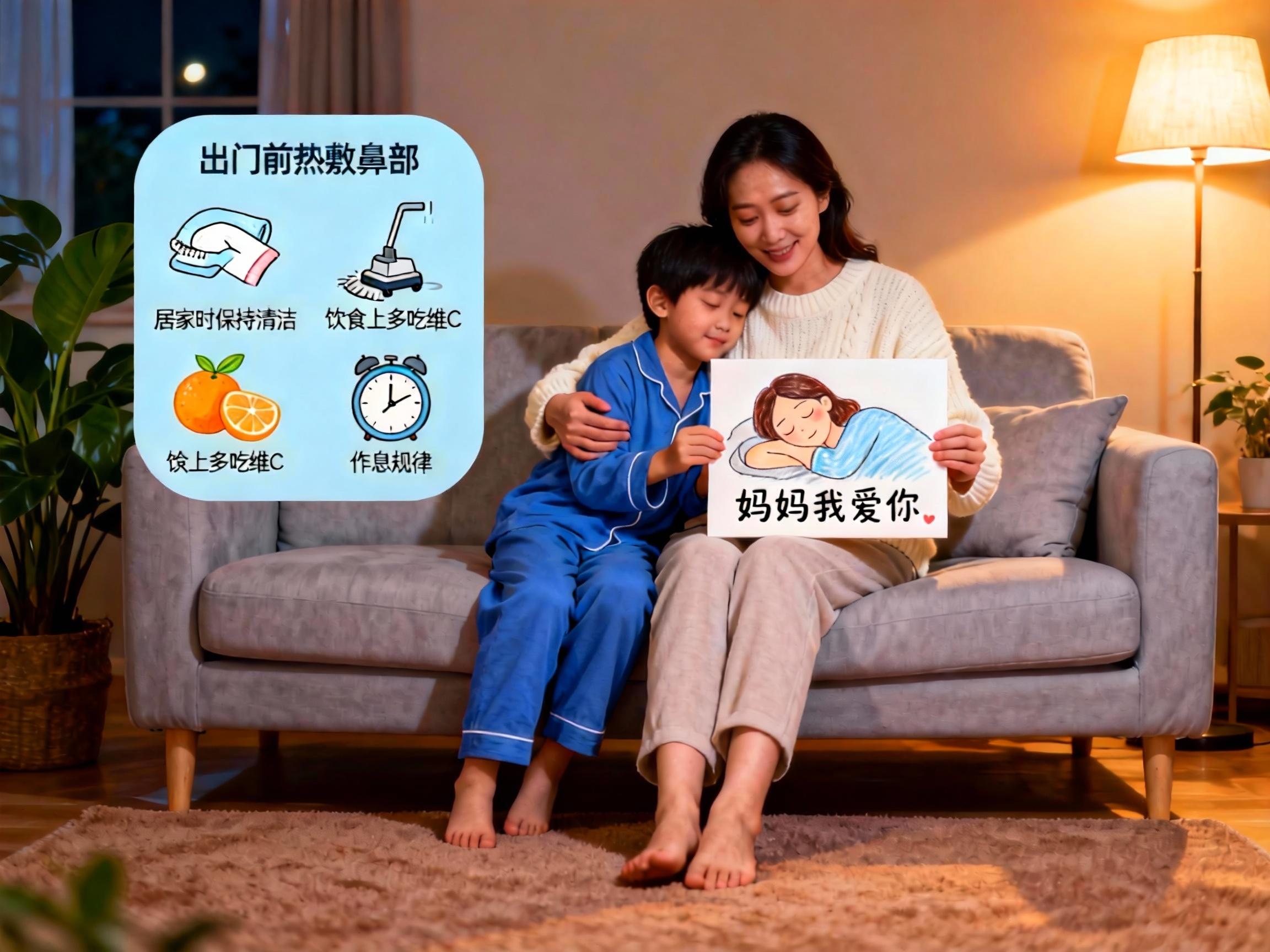
What moved me most was that my child seemed to have grown up overnight. One night he quietly came into my room holding a drawing: "Mom, this is for you — this is you resting in bed, and I covered you with a quilt." In the picture I was sleeping peacefully, and next to it his childlike handwriting read: "Mom, I love you."
In that moment I understood: what a child needs is not a perfect supermom, but a real, healthy, happy mom.
Now, I still live with winter allergic rhinitis. But I no longer regard it as an enemy; I treat it as a friend that reminds me to slow down. It has taught me that a mother's health is not a private matter but the cornerstone of family happiness.
Advice for every mother who is struggling the same way
If you are also struggling with winter allergic rhinitis while carrying the expectations of being a "supermom," I'd like to share a few heartfelt insights:
Bodily signals are the highest directive: repeated sneezing, nasal congestion, and headaches are clear alarms from the body—do not delay. Early intervention can not only reduce symptoms but also prevent worsening of the condition.
Treatment must address both symptoms and root causes: in the acute phase, use medications as prescribed to control symptoms; in the remission phase, improve constitution through TCM regulation, nasal care, and other methods.
Let go of the superhero cape and learn to ask for help: "living for yourself" is not selfish, but the foundation for sustainable giving. Courageously express your needs and difficulties to your family—you will find they are far more willing to support you than you imagine.
Redefining the standard of a “good mother”: a good mother is not one who finishes everything, but one who does the right things. A child’s growth needs space, and our “imperfections” are precisely the opportunities for them to grow.
Winter allergic rhinitis protection mini-class
Before going out: apply a warm towel to the root of the nose, then open the door and let the child acclimate for a moment before going out to alleviate symptoms.
At home: keep the indoor environment clean, focusing on cleaning areas where mold easily grows such as the bathroom and kitchen. Ventilate frequently, but avoid periods of high pollen count.
Diet: Eat more foods rich in vitamins C, B, and E, such as oranges, lemons, tomatoes, and broccoli, to boost the body's immunity.
Daily routine: Maintain a regular schedule to improve immunity. Get adequate rest and reduce fatigue.
Allergic rhinitis in winter is, after all, just an episode in life's journey, but the lesson it taught me—about letting go, about self-love, about how to truly love and be loved—I will remember for life.
In this cold winter, I choose no longer to be that tough-as-nails supermom who pushes through, but rather a healthy mother who knows how to care for herself and wisely maintain balance. Because I know that only by taking good care of myself can I become the warmest support for my family.
I hope my experience can give you a bit of courage to let go of unnecessary obsessions and, starting today, truly love yourself.