The main purpose of antipyretics is not to reduce fever, but to make the child more comfortable while “fighting”
I still remember the first time my baby had a fever—the house was practically in an uproar. The number on the thermometer felt like a taut string, tugging at the whole family’s nerves. 38.5°C! My immediate reaction was: we must bring the temperature down right away! At that time I thought reducing the fever was equivalent to health.
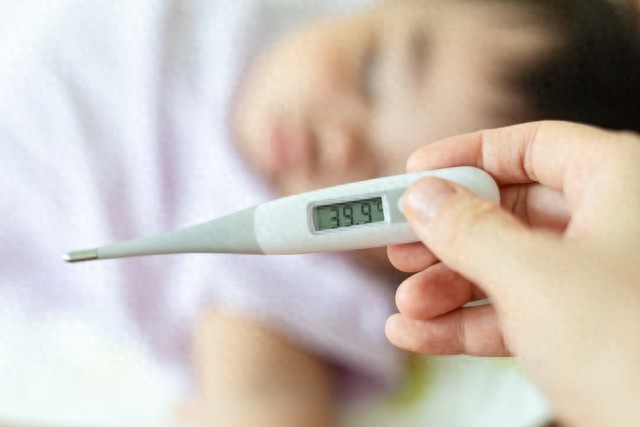
So I fumbled frantically to get out the antipyretic, calculated the dose precisely according to weight and administered it, then started taking the temperature every ten minutes, staring anxiously at the mercury column, silently chanting: come down, come down. But half an hour later the temperature had only dropped from 38.5°C to 38°C—still far from the “normal temperature” I expected. I panicked, wondering whether the medicine was ineffective. Should I give a larger dose? Or switch to another drug? My mind was full of ways to get that number back to 37°C.
I believe many parents have felt the same anxiety I did. We are so afraid—afraid that a fever will “damage” our child—that we treat the number on the thermometer as the only enemy and feel we must “defeat” it.
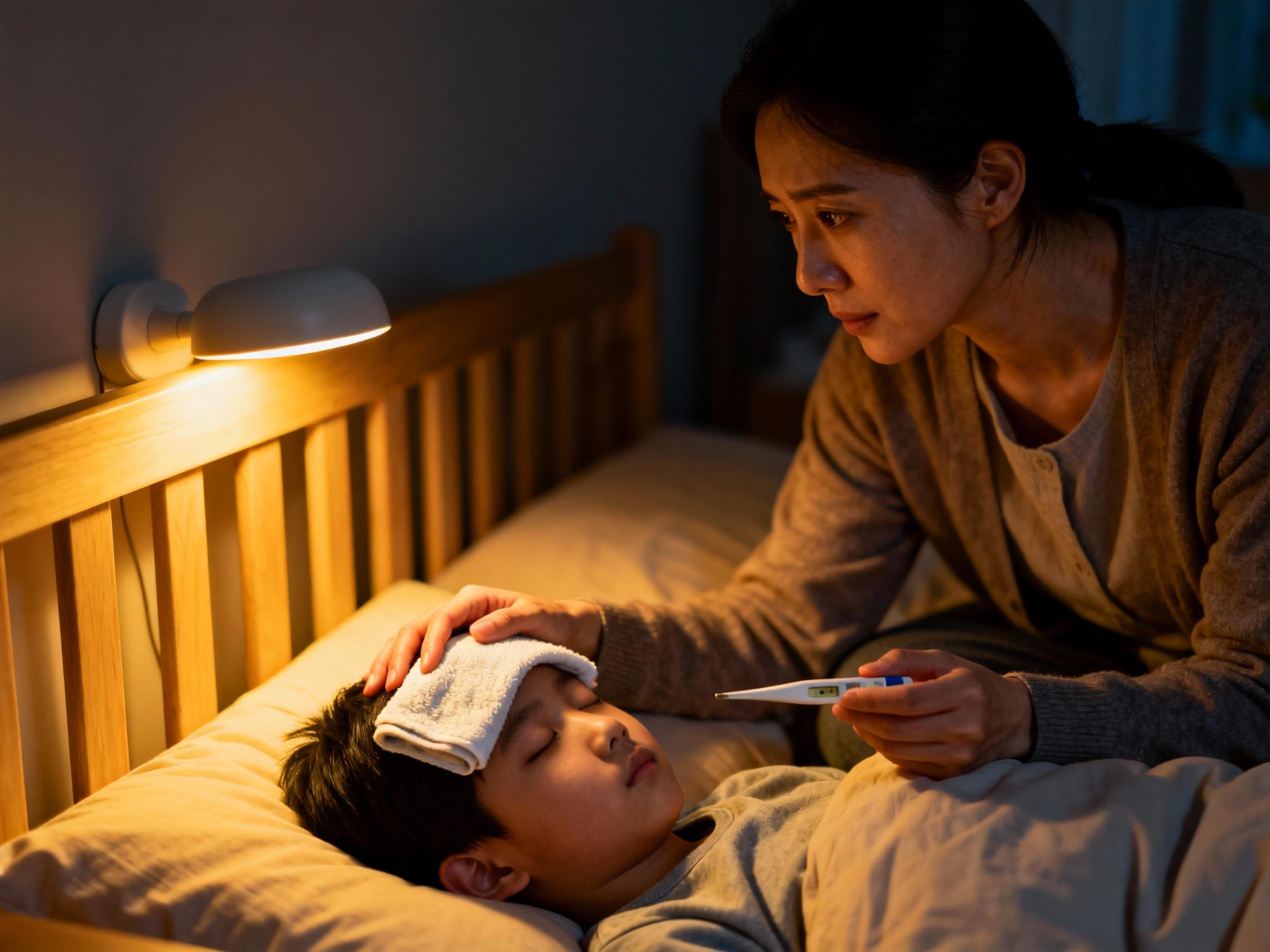
Later, once when I took my child to the hospital and talked with the doctor in detail, I realized how completely wrong I had been. The doctor was very patient and gave an analogy that made everything click. He said, “Fever is like your home air conditioner being set to a higher temperature. The child’s body is ‘fighting a battle’; raising the temperature creates an environment that is unfavorable for viruses and bacteria—your immune system is working hard. When you give an antipyretic, you’re not turning off the air conditioner, you’re temporarily lowering the overly high setting so the child is less uncomfortable. Your goal should be to make the child more comfortable, able to rest and drink some fluids, not to drive the thermometer to ‘zero.’”
Those words completely overturned my understanding. It turned out I had been focusing on the wrong thing. I only cared about the “child on the thermometer” and neglected the real child.
I began to change. The next time my child had a fever, I forced down my panic and stopped checking his temperature so frequently. I sat down beside him and observed carefully. I touched his little hands and feet—were they burning hot or just warm? I looked at his level of alertness—was he listless and only wanting to lie down, or did he have enough energy to look at a picture book? I tried to give him water—did he push it away in refusal, or was he willing to take a few sips?
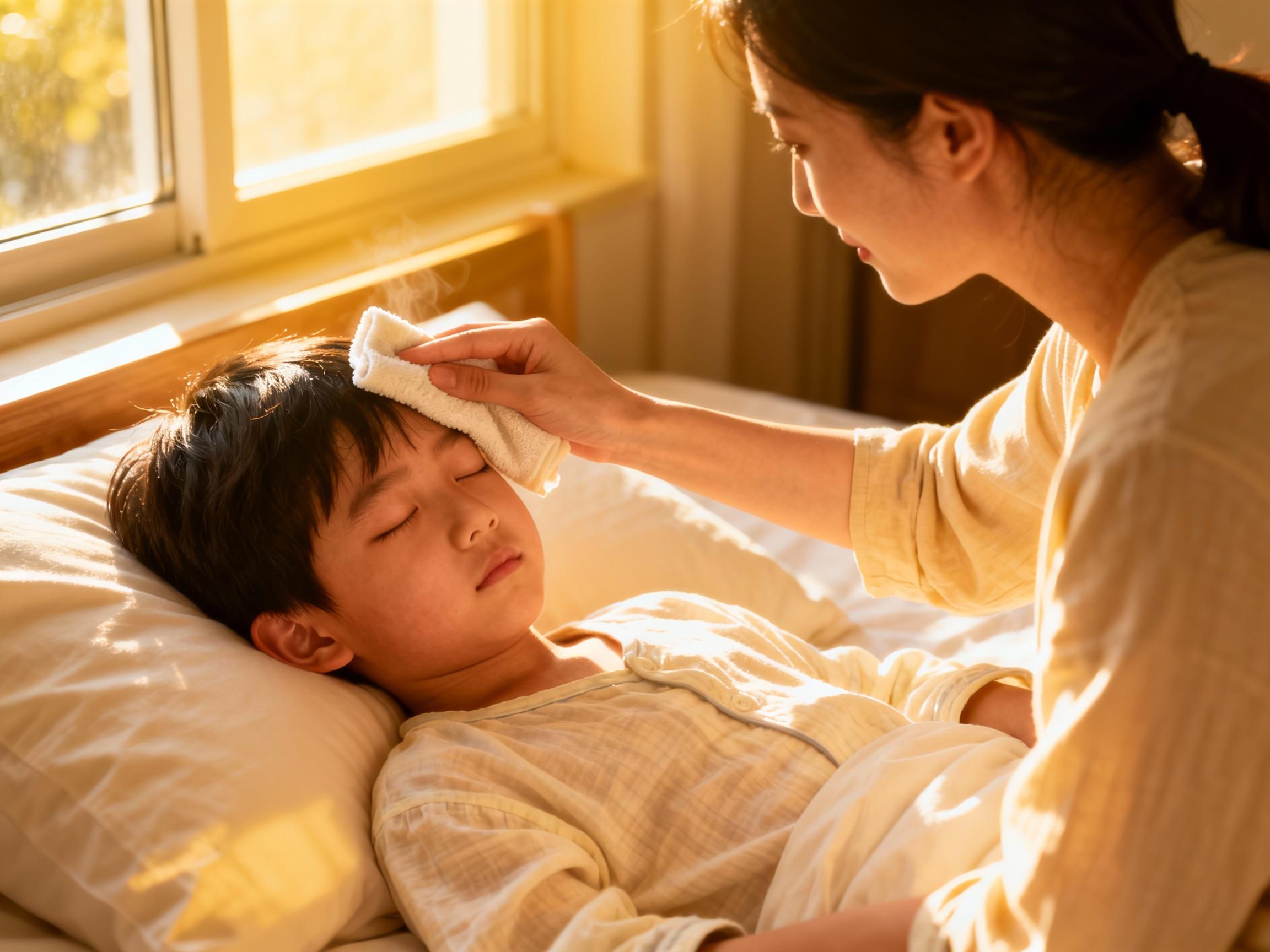
I found that after giving an antipyretic for a while, although the thermometer still read 38°C, his tightly furrowed brow had relaxed, his breathing became steady and even, he even gulped down more than half a cup of water, and then curled up in my arms and fell asleep. In that moment, I suddenly understood what the doctor meant by “comfort.” The drug had taken effect; its purpose was achieved — my child felt better and could rest. Whether the temperature was 38°C or 37°C really wasn’t that important.
Through trial and error I also made mistakes and heard many unreliable suggestions. The elders at home always said, “bundle them up and let them sweat it out,” and I actually tried that once; the result was the child cried more, his little face flushed red, and when I checked his temperature it was even higher. I later learned that young children have poor temperature regulation; if you bundle them up tightly and heat can’t dissipate, it’s like adding fuel to the fever — very dangerous.
Some people also use rubbing alcohol to wipe the body, claiming it cools quickly. But did you know? A child's skin is particularly thin, and alcohol is easily absorbed, which can cause toxicity. In addition, the chilling stimulus from wiping can make the child shiver, which actually produces more heat. These “folk remedies” really do more harm than good despite good intentions.
I too once grasped at straws when I was desperate, thinking maybe taking some “anti-inflammatory drugs” (antibiotics) would make recovery faster. But the doctor told me that most fevers in children are caused by viruses, so antibiotics are completely ineffective; overuse will instead destroy the good bacteria in the child’s gut, and if they later encounter a bacterial infection, the treatment may be less effective.
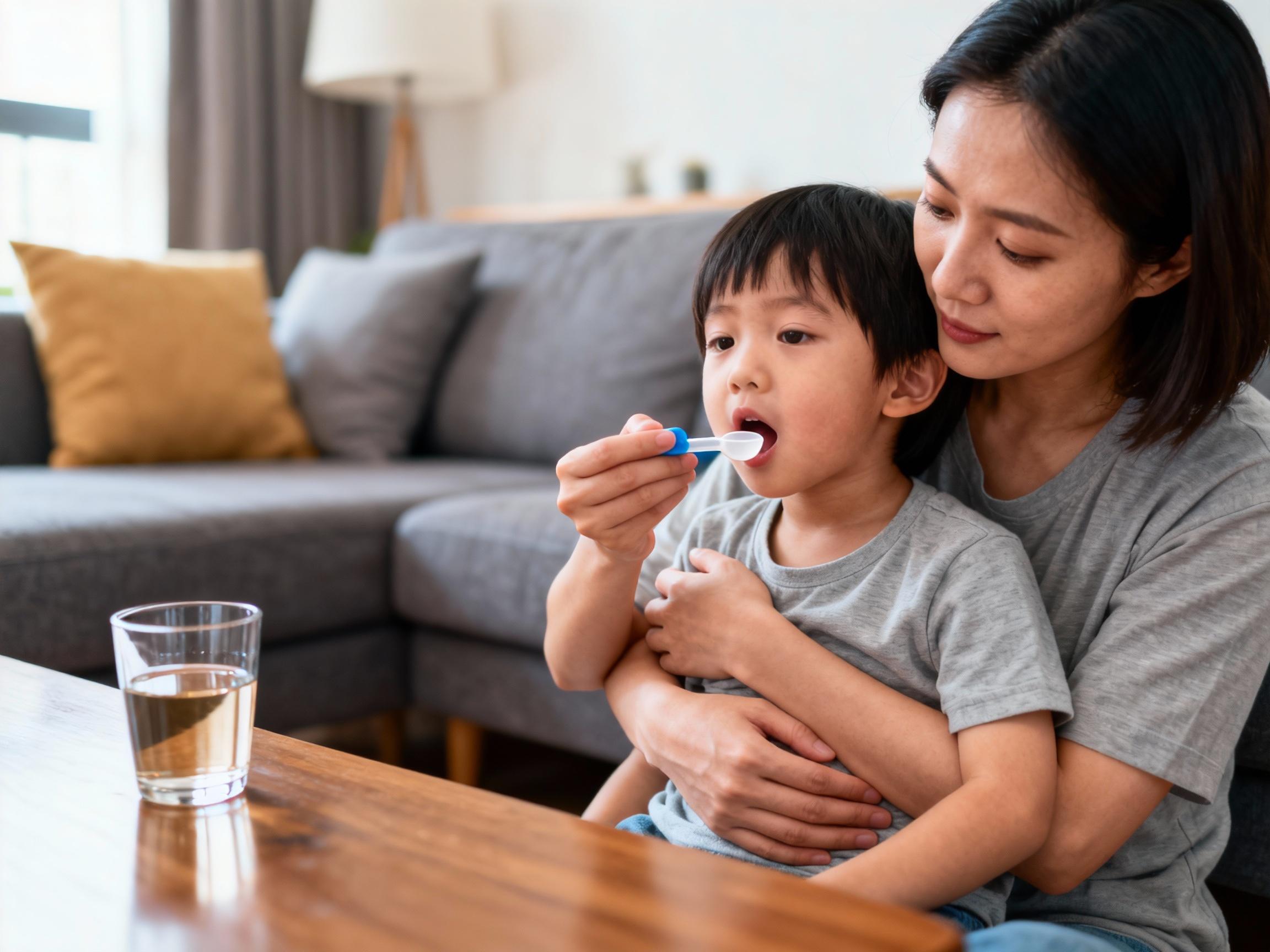
When it comes down to it, we only have two safe “weapons” on hand: acetaminophen and ibuprofen. When using them, you must, must calculate the dose based on the child’s weight, not their age. The small measuring cup or dropper that comes with the medicine is the most accurate “ruler,” so never scoop it with a spoon. Also, be patient — after taking the medicine, the body needs thirty to forty minutes to respond; don’t be like me in the past, stamping your feet because the fever hadn’t dropped in ten minutes.
Of course, parents shouldn’t be too complacent. Fever is the body’s “signal fire,” but some “signal fires” are urgent distress calls that require immediate medical attention. For example, a baby under three months old with a fever is not up for debate — go to the hospital immediately. If a child is so feverish they’re drowsy and cannot be woken, or breathing is very rapid, or their complexion looks unwell, or they’re vomiting and having diarrhea to the point they can’t keep fluids down and are urinating very little, then stop observing and stop giving more medicine — get to the hospital quickly and let professionals assess the situation.
After going through this, my mindset has become much steadier. Now when my child has a fever, I feel confident. I place him in a well-ventilated, comfortable room, dress him in a thin, sweat-absorbent cotton undershirt, and cover him with a light blanket. There is always a cup of warm water at the bedside, and I gently encourage him from time to time, “Sweetie, let’s take a sip of water.” I prepare plain, soft foods; if he won’t eat, I don’t force it. Sometimes I use a small towel slightly cooler than warm water to wipe his forehead, neck, and lower legs — if he finds it comfortable and doesn’t resist, I wipe; if he squirms and is unhappy, I don’t force it and simply hold him.

My eyes no longer focus solely on the thermometer; they are fixed on my child. A yawn, a steady swallow, a comfortable turn—all of these reassure me more than that fractional drop in temperature. I know my child is fighting the bacteria in his own way, and what I can do is not to usurp command and give random orders (for example, blindly reducing fever), but to be a thoughtful "logistics chief," providing support so that he can be more comfortable while fighting this battle.
So, if you are also at a loss because of a feverish child, I want to share this insight with you: please believe that antipyretics are helpers to make the child comfortable, not tools to "zero out" the temperature. Let go of the obsession with numbers and take a careful look at the little one in your arms. Is he more relaxed than before the medication? That is the true "gold standard" for deciding whether to medicate and whether the medication is effective. Being a parent is a practice; what we need to learn is not only knowledge, but also how to release anxiety and, with a calm mind and warm embrace, accompany our child through those uncomfortable moments.