Eating Only One Meal a Day to Lose Weight? Beware of Gaining More! Revealing the Body’s “Revenge Rebound” Mechanism
“Eating only one meal a day” sounds like a shortcut to weight loss, but the truth may surprise you—short-term weight loss may occur, but in the long term it can wreck your metabolism and even cause more severe weight rebound. Multiple experts warn that this extreme dieting method conceals significant health risks.

01 Why is it harder to lose weight when you starve?
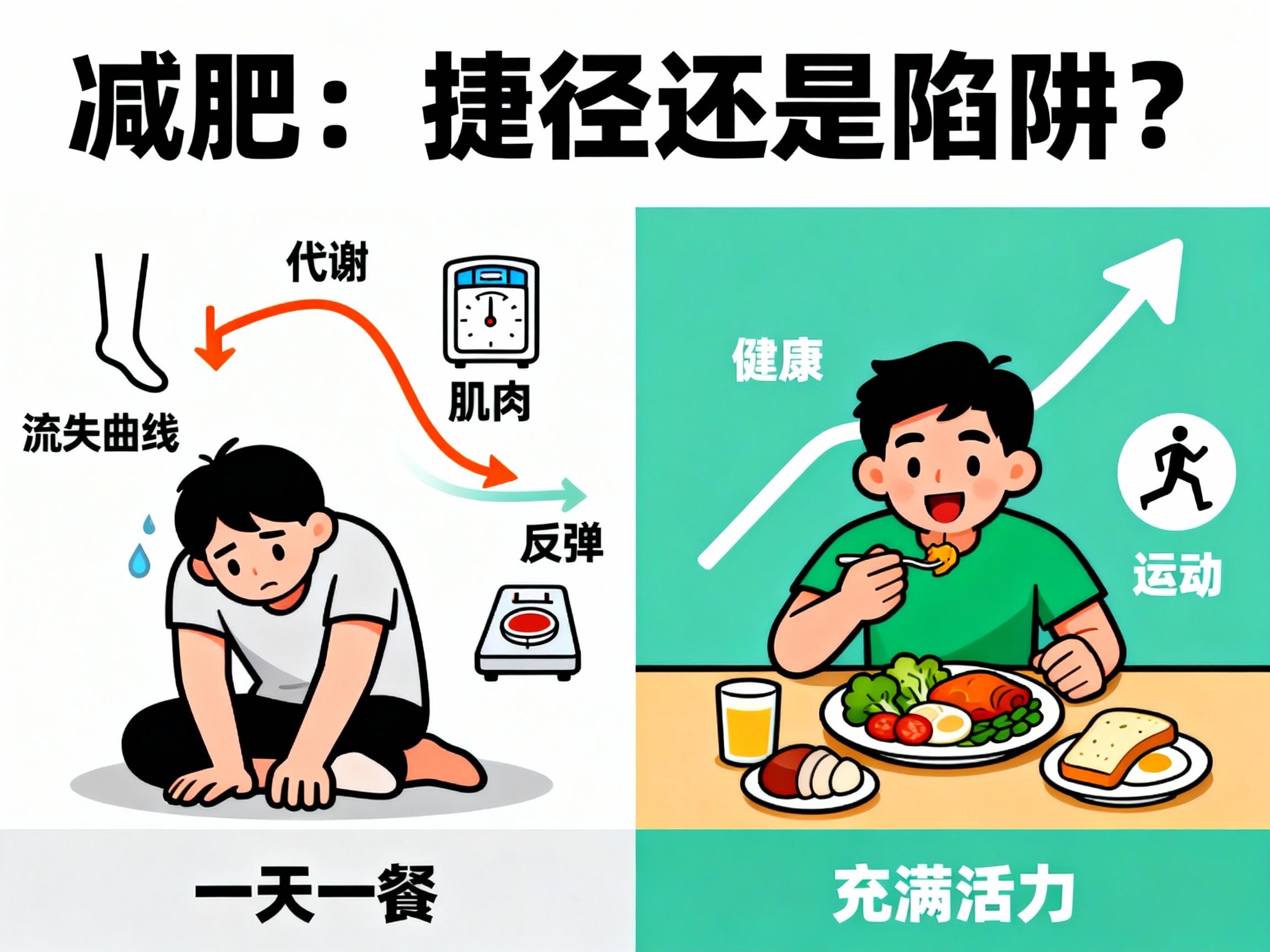
The core of weight loss is a calorie deficit (expenditure > intake), but "one meal a day" is an extreme. When the body remains in a prolonged state of hunger, it activates a "energy-saving mode":
Basal metabolic rate decreases by 15%–25%, and energy expenditure is greatly reduced
Muscle loss occurs, and muscle is the main engine for burning calories
Fat storage efficiency increases, and once normal eating resumes, body weight rebounds rapidly
Experts warn: This weight-loss method may appear effective, but it actually comes at the expense of health and can even cause a yo-yo effect of “losing weight only to gain more back.”
02 Invisible health costs that are scarier than body weight
Extreme dieting harms not only body shape but also bodily functions:
Increased risk of gastric disease: Prolonged fasting causes stomach acid to erode the gastric mucosa, triggering gastritis and gastric ulcers
Malnutrition: hair loss, dry skin, lack of physical strength, and even disruption of the menstrual cycle in women
Blood glucose fluctuations: consuming a large amount in a single meal may cause postprandial blood glucose to spike, increasing the risk of diabetes
There are case reports showing that among people who eat one meal a day long-term, some develop gallstones and decreased immunity
03 Scientific weight loss: eating correctly is more important than eating less
:
Rather than extreme dieting, adopt sustainable scientific methods:
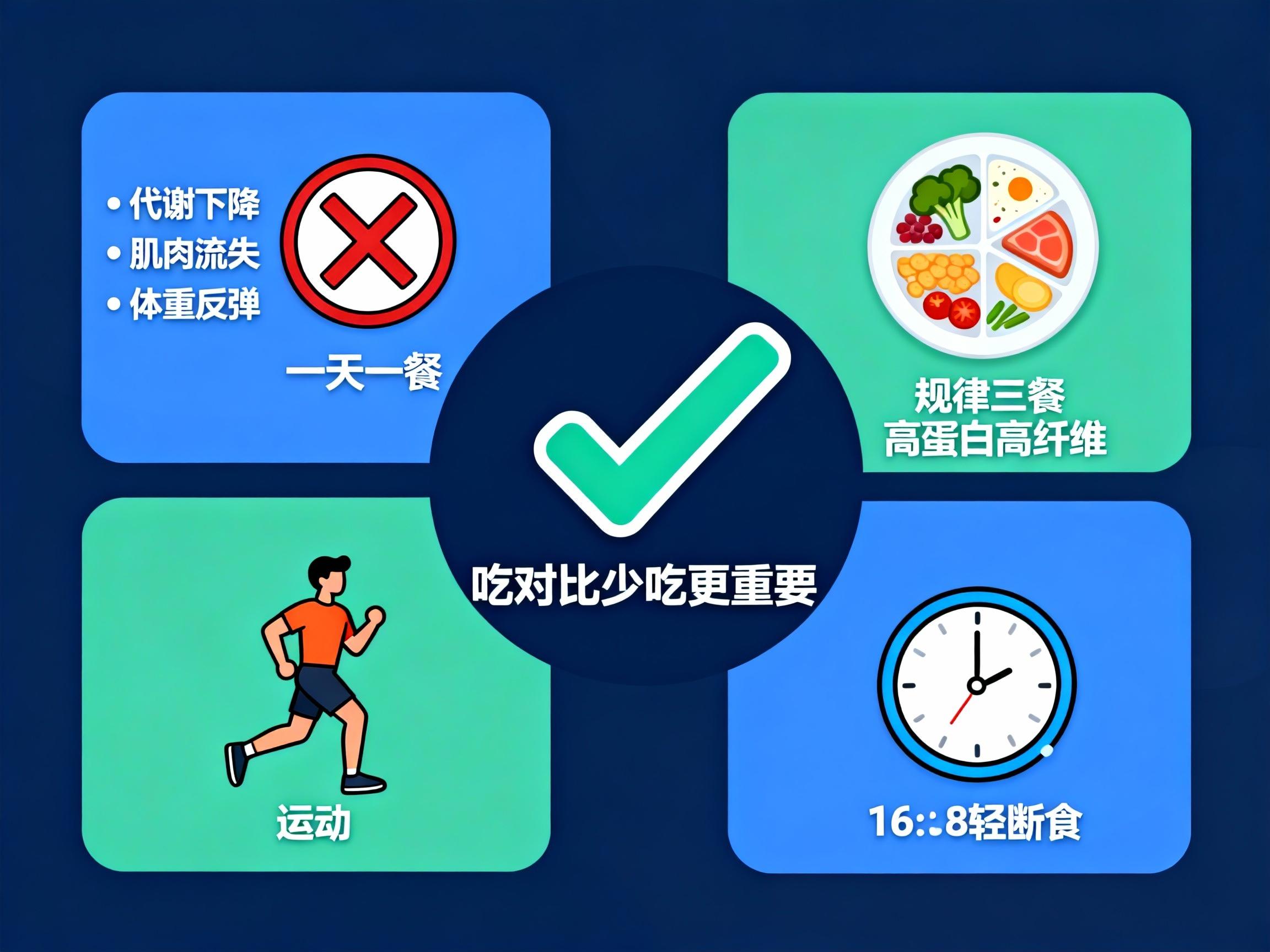
Regular meals, control total intake
Men consume 1500 kcal per day, women 1200 kcal, distributed evenly across three balanced meals.
Choose high-protein, high-fiber foods
Eggs, fish and shrimp, and vegetables enhance satiety and help avoid hunger-driven overeating.
Combine with exercise to preserve muscle
150 minutes per week of aerobic exercise (such as brisk walking, swimming) plus 2 strength-training sessions to boost metabolism.
Tip: Drink 500 mL of water before meals and eat in the order “vegetables → protein → staple foods” to reduce calorie absorption.
04 Intermittent fasting: a gentler alternative
If you want the effects of intermittent fasting, try the 16:8 method (for example, eating from 12:00 noon to 8:00 PM) and avoid excessively long fasting periods. Studies show this approach can control calorie intake without easily triggering metabolic disorders.
Conclusion
。
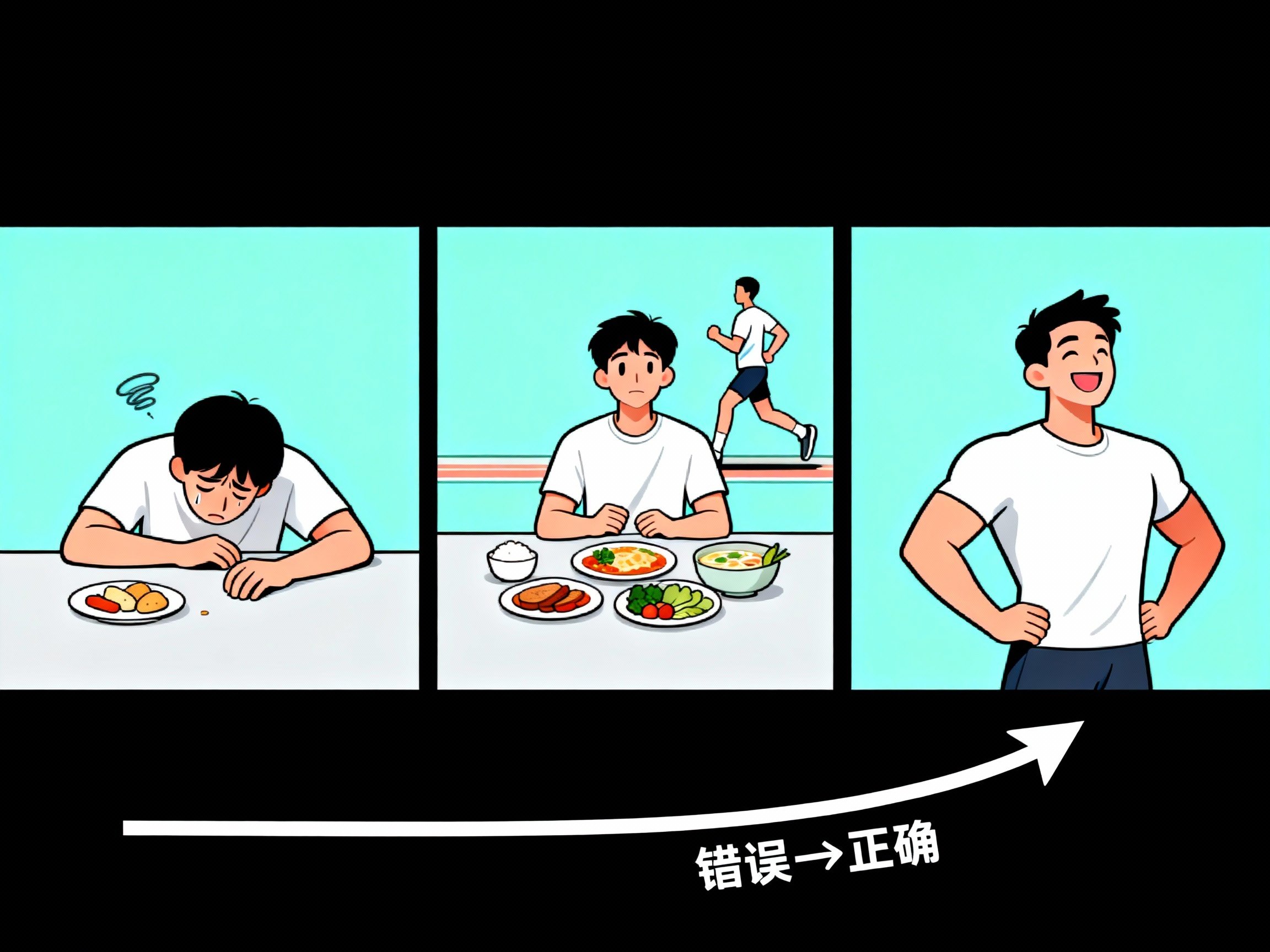
There are no shortcuts to weight loss; extreme dieting may win weight in the short term but lose health in the long term. Truly effective weight loss is about building habits: a balanced diet, regular exercise, and adequate sleep. Remember, treat your body well and it will repay you with health.
Health tip: If your BMI exceeds 28 or you have chronic diseases, consult a doctor to develop a personalized plan.