Cardiovascular disease is not an "old person's disease"! Increasing numbers of young and middle-aged people are affected
Don't ever think heart disease is only an elderly person's condition! Thirty-year-old bodybuilding star Wang Kun died of sudden cardiac death of cardiac origin; this news has been a harsh wake-up call for every young person who is exhausting themselves.
"It's just occasional chest tightness, I must not have rested well. I'm so young — how could it be related to heart disease?"
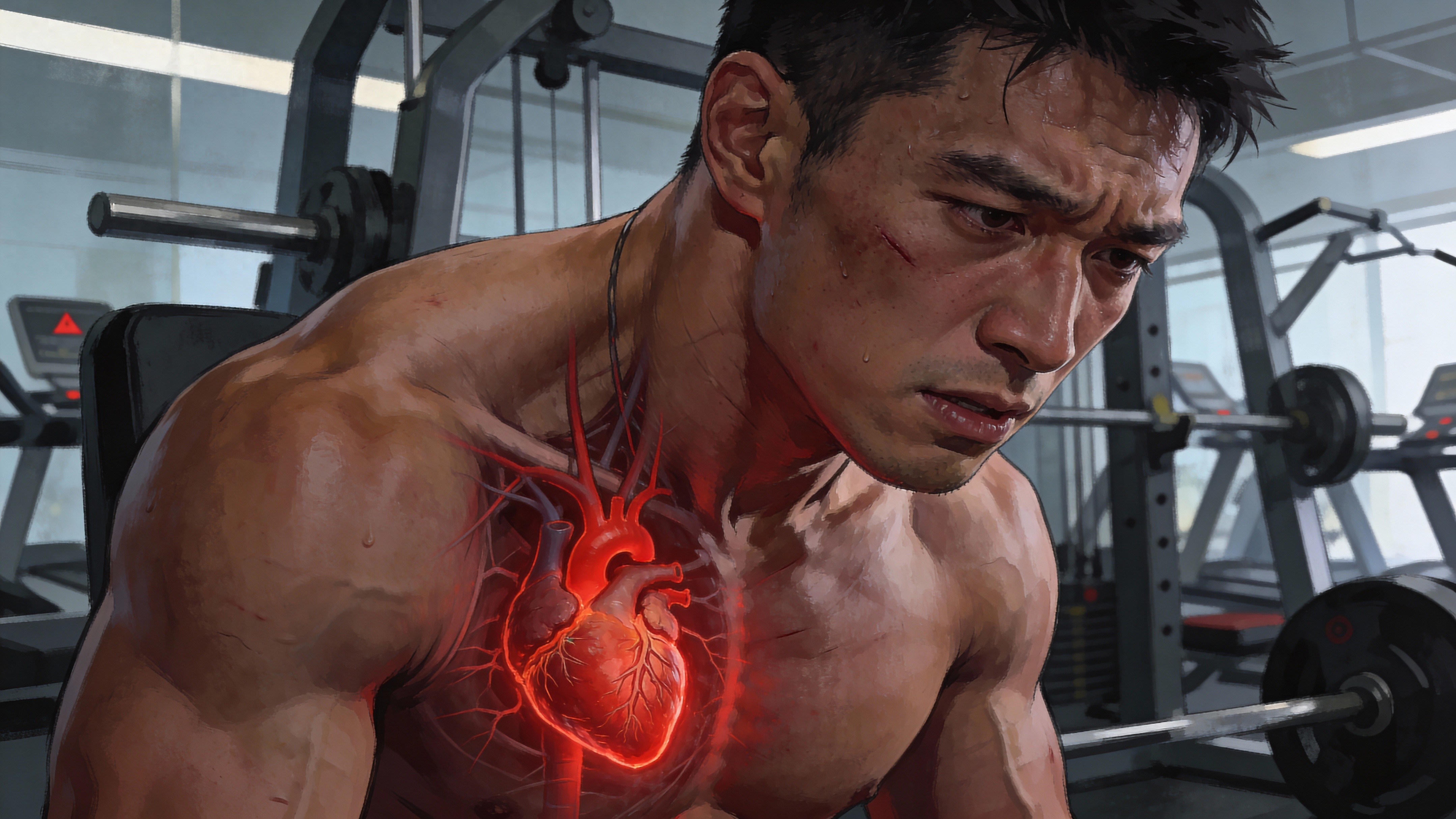
Doesn't that sound familiar? So many young and middle-aged people have reassured themselves that way, but the reality is truly frightening: in our country, as many as 550,000 people die each year from sudden cardiac death of cardiac origin, and the success rate of rescuing these sudden events is less than 1%.
What deserves everyone's vigilance even more is that the incidence of sudden death among people under 30 is quietly rising. Cardiovascular disease is long since no longer an "exclusive" disease of the elderly — it is quietly targeting the young among us.
Harsh truth: Youth is no longer the "shield" for the heart
Who would have thought that Wang Kun, all muscle and a national bodybuilding champion, would have his life stop forever at 30. He had an enviable robust physique, but because of an underlying structural heart problem, combined with long-term high-intensity training, he ultimately suffered a fatal cardiac arrest, which is deeply regrettable.
Data show that among adults over 20 in our country, about 60% of deaths from coronary heart disease and stroke can be traced to seven cardiovascular health indicators—smoking, overweight, lack of exercise, poor diet, elevated blood pressure, abnormal cholesterol, and unstable blood glucose. These problems are far too common in young people.
Coronary heart disease is increasingly affecting younger people; this is an indisputable fact. Hospitals now see more and more cases of acute myocardial infarction and heart failure in young and middle-aged adults. That "silent killer" called atherosclerosis may have already quietly planted hidden risks in the blood vessels of many young people.
Mornings in winter are a particularly high-risk time for sudden cardiac death, and the risk for middle-aged men is higher than for women. You may always feel young and physically resilient, but your heart may already have quietly started to "age" prematurely.

Warning signs: The heart's "cry for help" — do you really understand it?
Heart problems never arise without warning signs; it's just that we often dismiss these signals as "minor issues" and deliberately ignore them.
If you have recently experienced the following, be highly vigilant:
。
Frequent sensations of chest tightness, anxiety, or palpitations.
Becoming short of breath after slight exertion, with a feeling of pressure in the chest.
Always feeling exhausted all over, unable to get motivated.
Occasional sudden acceleration of the heartbeat, even feeling like a "skipped beat."
Even more worrisome is that if an unexplained sudden fainting occurs, it is equivalent to your body flashing the highest-level red warning light; in this case you must go to the hospital immediately, without any delay!
There are many other distress signals from the heart, and they are particularly easy to be misinterpreted:
For example, a persistent cough that won’t stop, unexplained swelling of the legs and feet, or a sudden loss of appetite could all be manifestations of deteriorating cardiac function. It should be understood that the heart functions like the body’s “pump”; once this pump’s efficiency declines, fluid can accumulate in the lungs, leading to cough and shortness of breath.
There are two other small details not to ignore:
A distinct crease on the earlobe or a thickening of the neck (neck circumference over 39 cm in men, over 35 cm in women); these surface changes may also be warning signals sent by the heart.
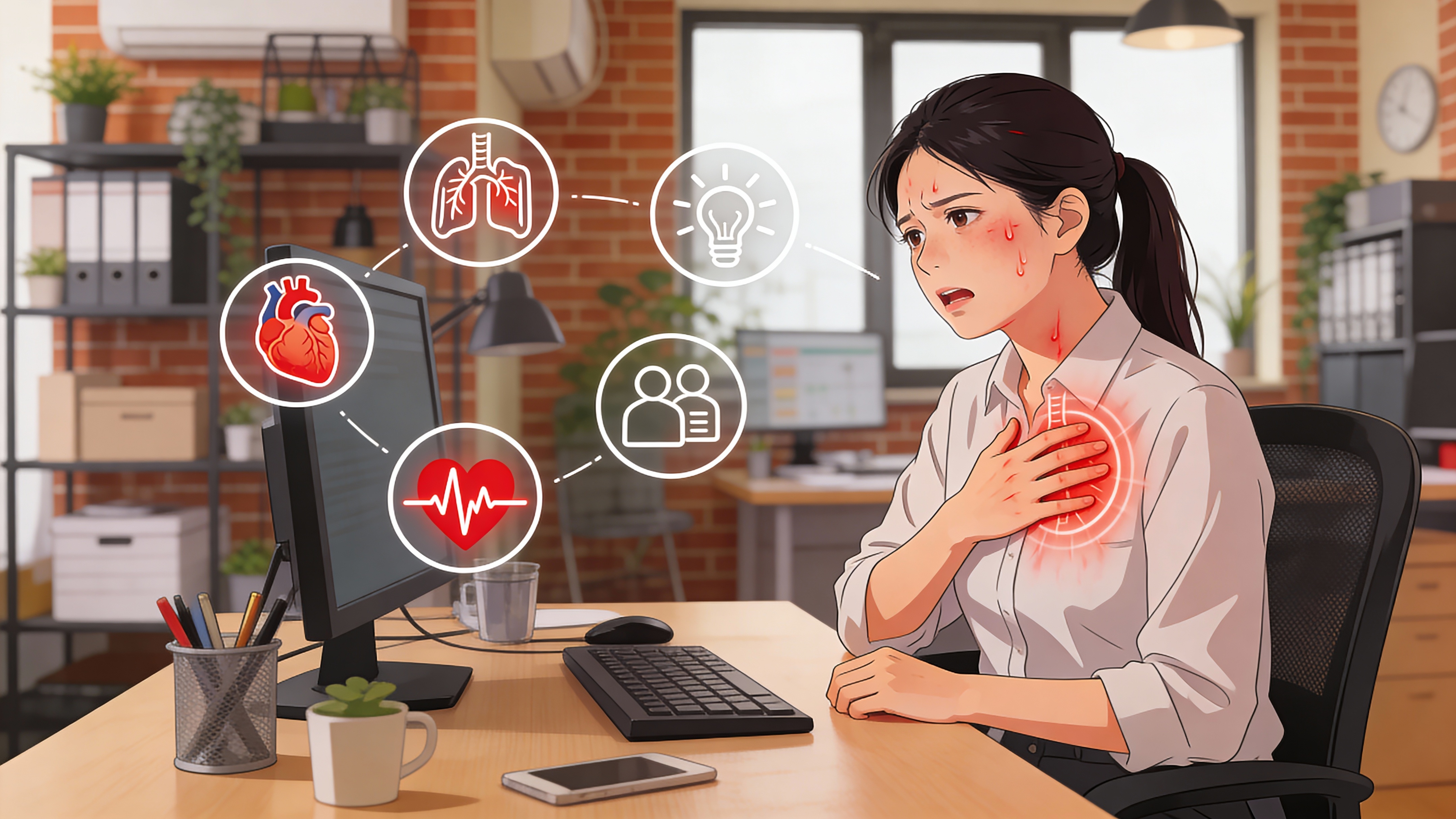
Why Are Young Hearts "Aging" Early? The Culprits Are All These Bad Habits
Why is the heart going on “strike” prematurely when the person is clearly not very old? Ultimately, the vast majority of causes lie in our own unhealthy lifestyle habits.
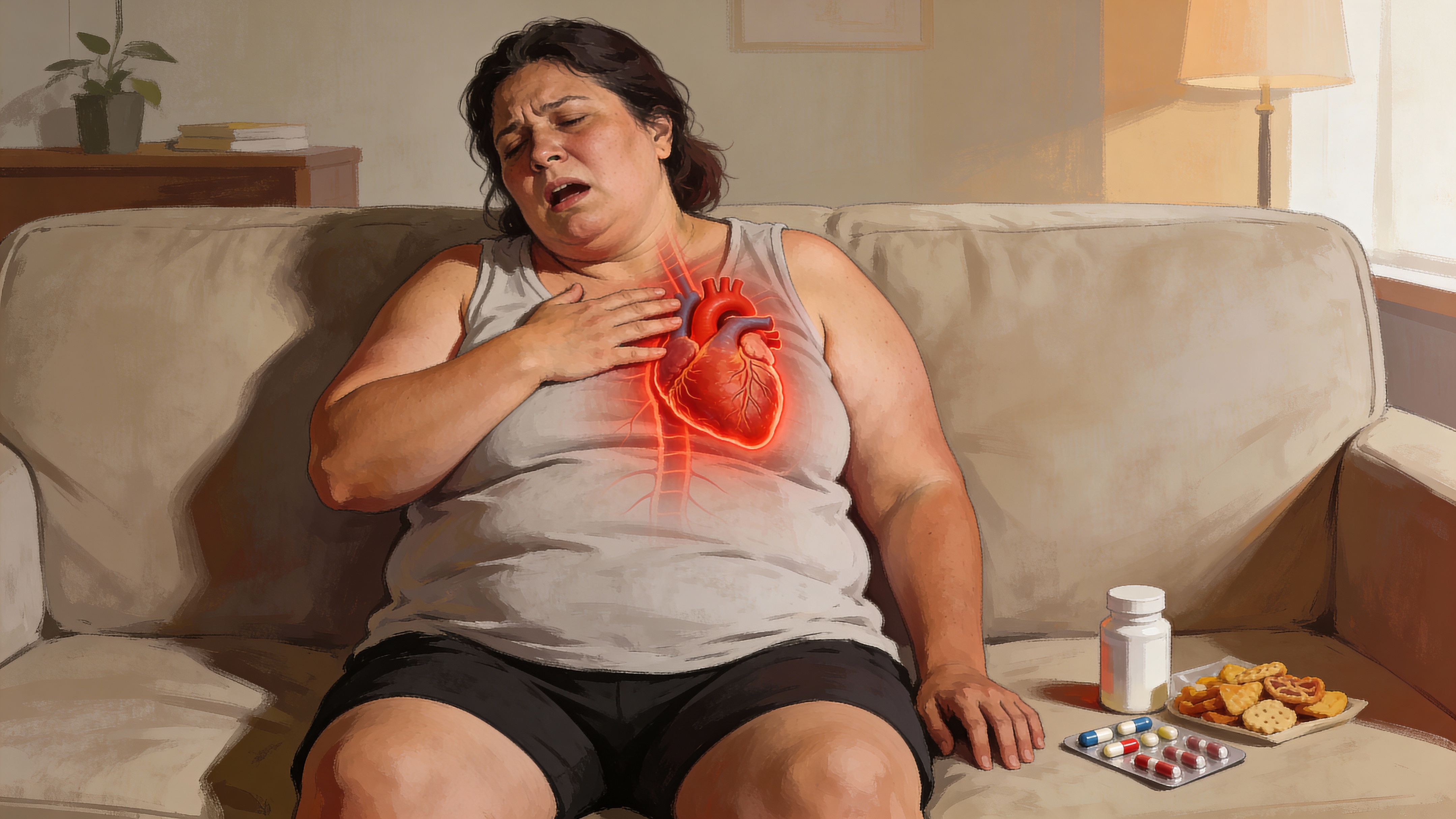
Long-term staying up late, excessive fatigue, irregular diet, smoking and heavy drinking, combined with prolonged sitting and lack of exercise—when these habits accumulate, they multiply the risk of heart disease. There is also suffocating psychological stress; being in a state of chronic tension and anxiety disrupts hormone secretion in the body, causing vascular constriction and blood pressure elevation, gradually adding burden to the heart.
Take Mr. Li from Changsha, a 30-year-old who used to be a professional taekwondo coach and should have been in excellent physical condition. But because for over a decade he smoked a pack a day, drank more than half a jin of baijiu daily, and for nearly ten years hardly exercised, he was ultimately diagnosed with acute heart failure. A perfectly healthy body was ruined by bad habits.
Cold winter temperatures can directly trigger vascular constriction and sharply increase cardiac workload; this is an important reason why cardiovascular diseases peak in winter. And those unhealthy lifestyles are like “boiling a frog in warm water”—seemingly harmless, but day after day they slowly erode our young hearts.
Heart-Protecting Guide: A Practical Cardiac Care Plan for All Young People
Protecting the heart has never been complicated; it just requires attention to everyday small things. Taking care of these details is the best way to safeguard the heart.
Diet: You must control your eating at dinner—don’t eat until you’re stuffed; 70–80% fullness is just right. Also try not to eat too late; it’s best to finish dinner before 6 PM to give the stomach and heart enough rest time, and to better control blood pressure and weight.
Exercise: Do not blindly pursue high intensity! Strenuous exercise can easily exceed the heart’s capacity, at minimum triggering angina or myocardial ischemia, and in severe cases causing myocardial infarction. Moderate exercise is sufficient—spend about an hour a day walking briskly, jogging slowly, or stretching. This both conditions the body and relieves stress—just right.
:
Emotionally: Get angry less, be less agitated — it's truly crucial! When a person becomes excited, the sympathetic nervous system is activated, substances that constrict blood vessels increase, making it easy to trigger tachycardia and blood pressure spikes; in severe cases this can even cause plaque in the vessels to rupture and induce sudden death. Studies say more than 200 diseases are related to emotions — keeping your emotions steady is protecting your heart and life.
Medical checkups: Have regular checkups, and don’t be lazy! Many heart problems have no obvious symptoms in the early stages and can only be detected through examinations. Regularly check blood pressure, blood glucose, and blood lipids, and get an ECG; once abnormal results are found, promptly consult a doctor for management — don’t let small problems become big troubles.
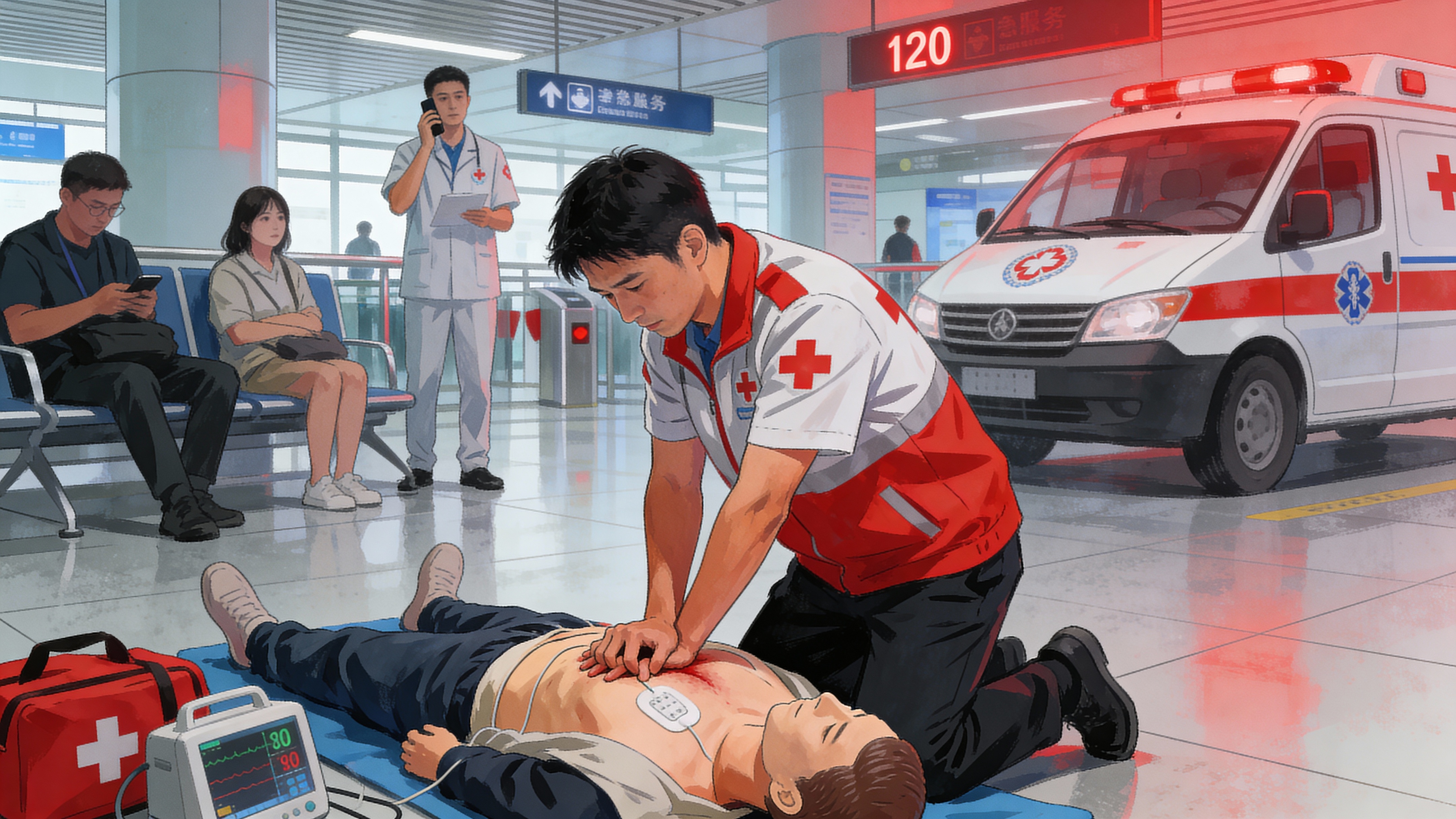
Emergency first aid: Seize the golden 4 minutes — at a critical moment it can save a life
What we fear most is sudden accidents, and learning correct first-aid methods can not only protect yourself but also help those around you in critical moments. This is common knowledge everyone should master.
Emergency steps:
Assessment: Upon finding someone suddenly collapsed, quickly assess their consciousness, breathing, and pulse.
Call for help: Immediately dial 120 emergency services.
Resuscitation: Begin cardiopulmonary resuscitation immediately (continuous chest compressions and artificial ventilation).
Defibrillation: Use a nearby AED (automated external defibrillator) as soon as possible.
It is essential to remember: the golden rescue time for cardiogenic sudden death is only 4 minutes after onset!
Performing first aid well within these 4 minutes can greatly increase the survival rate; once beyond 4 minutes, brain cells undergo irreversible damage; after 10 minutes, the hope of survival is negligible.
⚠️ An important reminder:
If someone suddenly develops severe chest pain, under no circumstances should you blindly give them aspirin! Because besides myocardial infarction, aortic dissection can produce the same symptoms, and if aspirin is mistakenly taken in that situation it can exacerbate bleeding and actually be life-threatening.
The correct approach is: while waiting for the ambulance, have the patient lie flat and rest, and try not to move them. If blood pressure can be measured and is normal, you can have them place one nitroglycerin tablet under the tongue; if symptoms do not improve after 5 minutes, one more tablet may be taken, but at most three tablets in succession—do not take more.
Ms. Zhu, a 37-year-old accountant, is a typical negative example: she worked late into the night for years, her weight soared to 94 kg, and recently she went to see a doctor for shortness of breath and bilateral leg edema and was diagnosed with acute heart failure. She gets winded climbing a single flight of stairs or walking a few brisk steps, and at night she can even be suddenly awakened by suffocation and must sit up to breathe—this suffering is truly agonizing.
Cardiology experts have also given the "five cardiac prescriptions": exercise prescription, nutrition prescription, psychological prescription, medication prescription, and lifestyle prescription. These are not only rehabilitation recommendations for patients with heart disease but also a required course for each of us to protect our hearts.
Lastly, I want to say that youth has never been a "get-out-of-jail-free card" for health. We always think we can endure, yet unknowingly we deplete our most precious cardiac health time and time again.
Quit those bad habits that harm the heart, listen carefully to every signal your body sends, get regular check-ups, and truly take good care of yourself — that is the most basic responsibility toward life. After all, the heart is the central rhythm of our existence; protect it well so you can preserve the years ahead.