Why are children who are more sensible more prone to depression?
In the counseling room, I have heard too many openings like this:
"I don't even know what's wrong with me. Everyone says I'm good, well-behaved, but I just can't feel happy."
"It seems I've never lived for myself. Everything I do seems to be to make them satisfied."
"I'm afraid of making mistakes. I'm terrified that if I'm not 'sensible,' no one will love me."
These visitors often share a common label — "overly sensible." Today, I want to talk with you about how this trait, praised by countless parents as a "virtue," may conceal a heavy psychological cost.
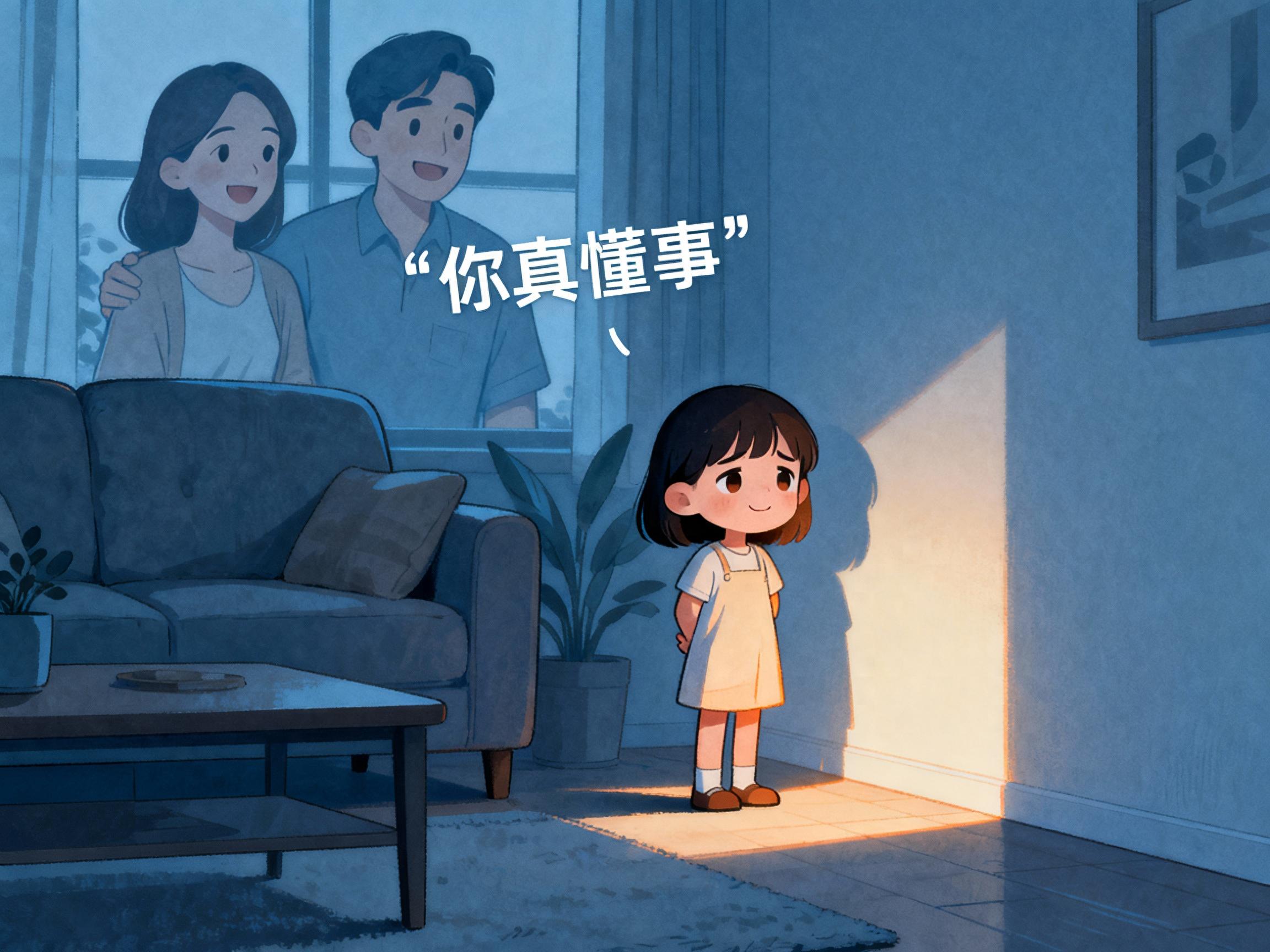
1. What is "overly sensible"? That’s not being good — it’s being hurt
First we must distinguish: healthy sensibility and "overly sensible" are two different things.
Well-behaved, sensible children: they follow rules but also dare to express themselves. If they want candy and their mother says no, they'll be unhappy and may cry and fuss, but once the emotion passes, they can understand why. Their "goodness" comes from genuine understanding and choice.
Overly sensible children: their "good" behavior is like an exhausting performance. In psychology there's a term called "false self" — they hide their true selves early on to gain love and approval, putting on a mask of compliance, perfection, and never causing trouble.
They often show these heart-wrenching signs:
Being "emotionally stable" in a way that doesn't look like a child: they don't cry when they fall, and don't make a fuss when a toy is taken. It's not that it doesn't hurt or upset them, but they feel "crying is useless and will just get me labeled as overly sensitive." This is a kind of emotional numbness.
Perfectionism, fear of making mistakes: if they write one wrong character in their homework, they tear out the entire page and start over; if they don't get first place on a test, they feel like a complete failure. Because they believe that only perfection deserves love.
Habitual people-pleasing, inability to refuse: for example, a boy I knew was actually severely allergic to peanuts, but his grandmother didn't know and made peanut candy. Because he was afraid of disappointing her, he forced himself to eat it and ended up being taken to emergency care. In his mind, “making others happy” was more important than his own safety.
Behind the “premature” independence lies deep disappointment: a five-year-old child dresses himself, folds his blanket, and sleeps in a separate room, and adults praise him as “so independent.” But this may not be the sprouting of independence; it may be that he once relied on others and received no response, so he resignedly told himself, “I can only rely on myself.”
2. Why are children who are "too sensible" more likely to have rainy days in their hearts?
How does that feeling of “I only deserve love if I'm well-behaved” gradually push a person toward depression? The key lies in three linked traps:
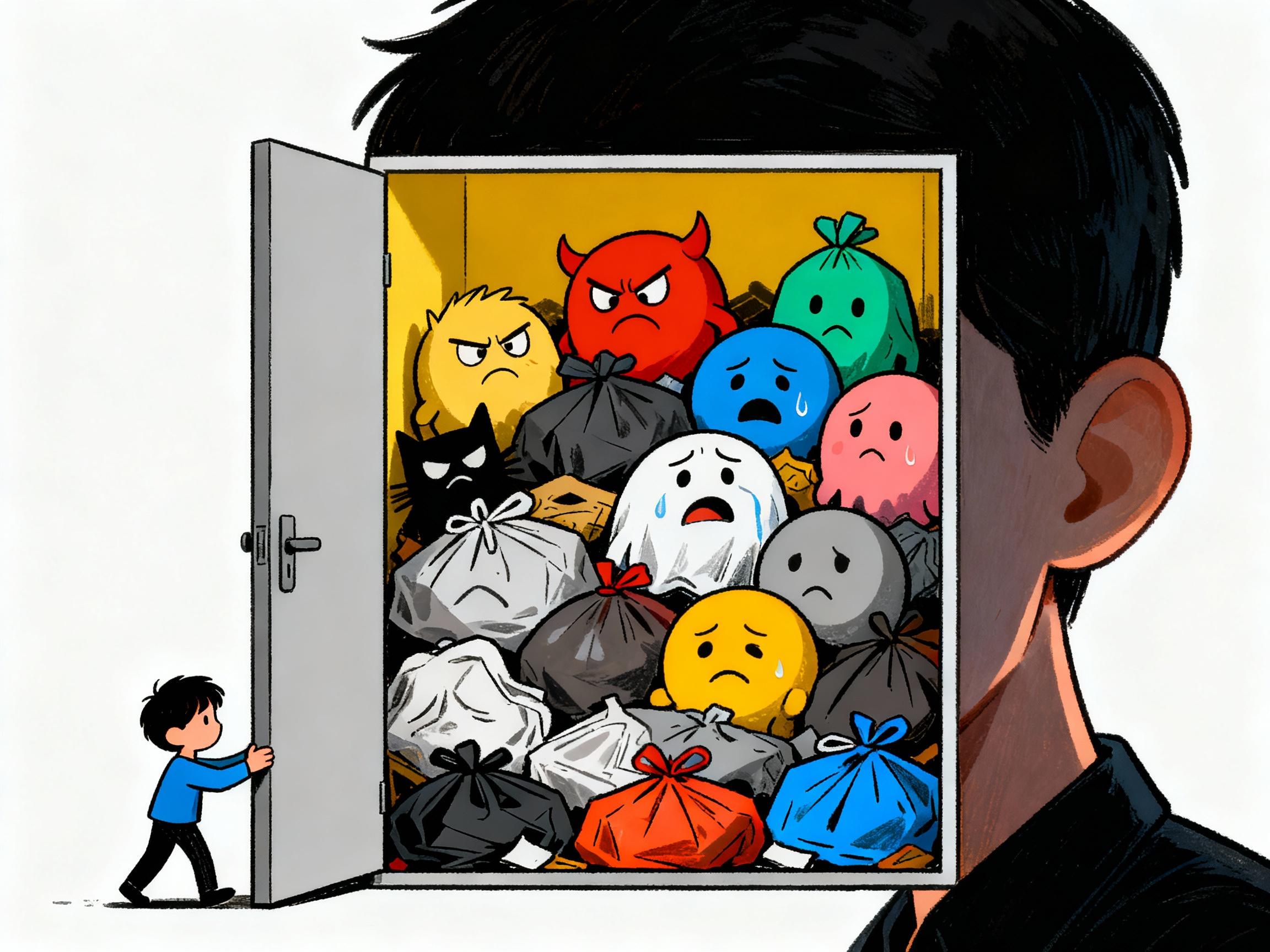
First lock: emotional suppression — filling the heart with "emotional garbage"
Imagine there is a trash can in your heart. Every time you feel wronged, angry, or sad but choose to smile and say "I'm fine," it's like throwing a bit of trash in but not emptying it. When a child suppresses genuine feelings over a long period, the amygdala responsible for fear becomes more sensitive and more active, while the prefrontal cortex responsible for rational emotion regulation is underdeveloped. The result is that as adults they often collapse emotionally over a small incident (for example, a supervisor's criticism). It's not really about that one incident, but about the "emotional garbage" accumulated over a decade finally filling up and overflowing.
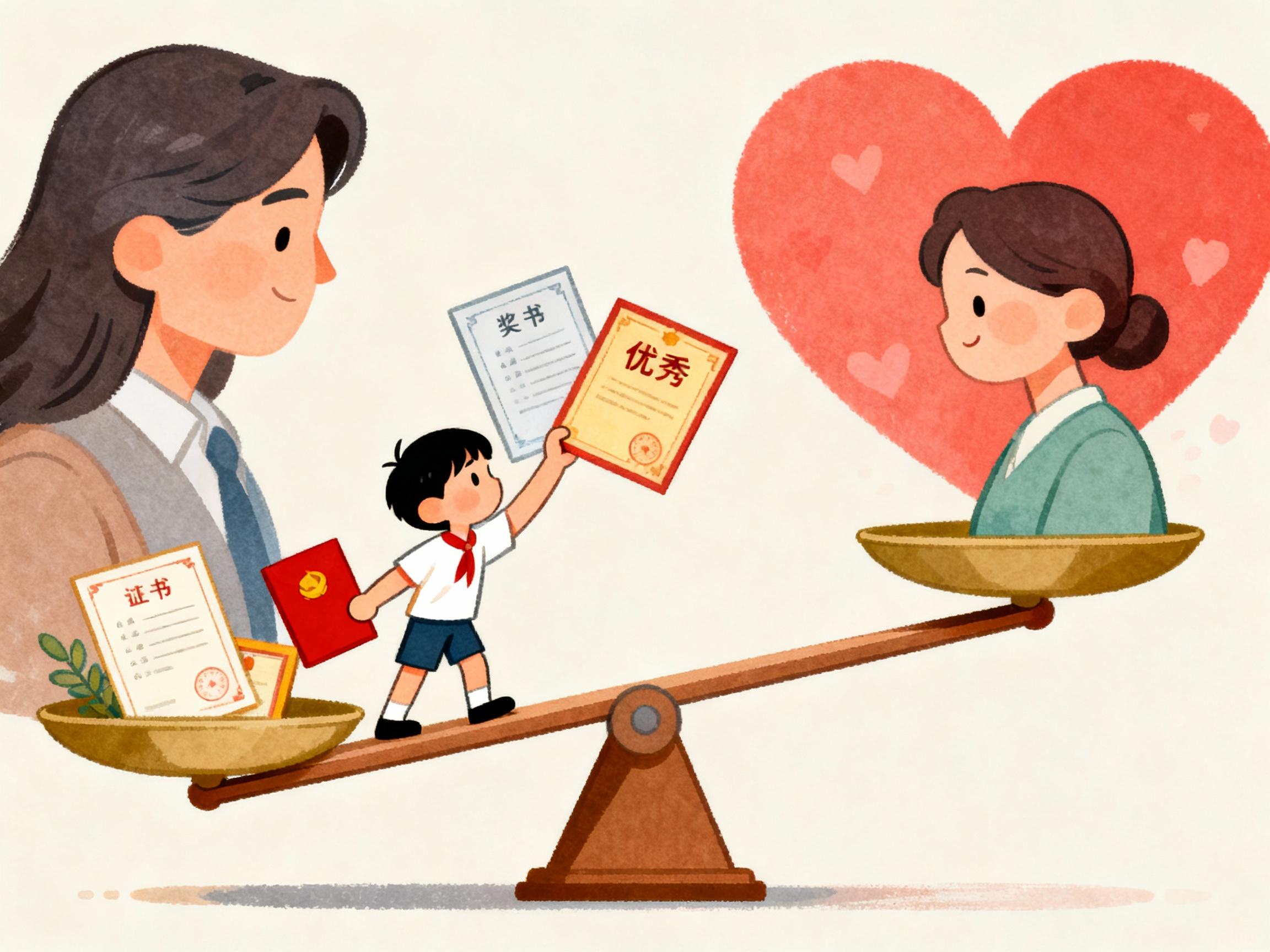
Second lock: lack of self-worth — love becomes a "conditional reward"
Overly sensible children easily develop "conditional self-esteem." Their logic is:
"Only if I do well on exams will my parents love me."
"Only if I'm obedient am I a good child."
Their worth is entirely tied to others' evaluations. Once they fail or disappoint someone, their world collapses and they fall into the abyss of "I'm worthless." The core of depression is precisely this persistent sense of worthlessness and hopelessness.
The third lock: powerlessness in decision-making — "My thoughts never matter"
The path from childhood onward is all arranged for them: what clothes to wear, which extracurricular classes to attend, which major to study. They rarely have the chance to say "I want." According to the psychological "self-determination theory," people need three psychological nutrients: autonomy, competence, and relatedness. "Being overly sensible" directly strangles autonomy. Over time, they develop a deep sense of powerlessness: "My words don't count, my choices are meaningless." This "learned helplessness" is precisely the breeding ground for depression.
These three locks are interlinked: because emotions are suppressed, they cannot see their true selves; because they cannot see themselves, they can only seek value from others; because they always rely on others, they become even more afraid to express themselves and to choose... Ultimately, inner vitality is exhausted, and the black dog of depression quietly arrives.
3. Who shaped that "well-behaved" child?
This is not the child's fault; behind it there is often a collusion between the family and the culture.
Family: Love, sometimes control under the name of "for your own good"
"Conditional love": "If you place in the top three, we'll go on a trip." "If you cry again, your mother will abandon you." Love becomes a reward, and the child learns to exchange compliance for care.
"Overprotection": Afraid you'll get hurt, afraid you'll make the wrong choice, so everything is decided by me for you. This robs the child of the right to explore and make mistakes, and also robs him of the opportunity to get to know himself.
"Teaching by example": if parents themselves are "people-pleasers," accustomed to sacrificing themselves and placating others, children will think: this is the rule for survival.
Culture: Heavy expectations
In our culture, "filial piety" and being "sensible" are often equated. Parents easily demand of children that "obedience makes a good child," while neglecting the child's emotions and thoughts as an independent individual. At the same time, a "face"-oriented culture makes parents more concerned with the child's outward "performance" than with the child's inner feelings.
4. What can we do? Start by "unlocking"
If you see these shadows in your child or in your own childhood, don't despair — change can begin at any time.
Three "keys" for parents:
Return the right to emotions to the child: when a child cries or throws a tantrum, don't rush to say "don't cry." Try saying, "Mom sees that you're very angry/very sad; can you tell me what happened?" Allowing emotions to be seen is the first step in healing.
Return the opportunity to choose to the child: start with small things. Red socks or blue socks today? Go to the park first on the weekend or watch a movie first? Let them experience the feeling that "my choices matter." I know a father who sent his four‑year‑old son alone to the neighborhood store to buy an ice cream. The child fell on the way, the ice cream dropped, and he came back crying. The father did not scold him; he simply took him back to buy another one and together discussed "how to hold it more steadily next time." After that incident, there was a light in the child's eyes like never before.
Say unconditional love out loud: tell your child often, "No matter what score you get, whether you succeed or fail, Mom and Dad love you." Love should not become a bargaining chip for a child's good behavior.
A few words for the "overly mature" you:
If you grew up and discovered that a cautious little child still lives inside you, please tell yourself:
Your feelings deserve respect. Anger, sadness, and grievance are not shameful. Find a safe way (writing a journal, exercising, confiding in someone you trust) to express them.
Practice saying "no." Start with something small. When a colleague asks you for help and you are truly busy, try saying, "Sorry, I have something on my hands right now and probably can’t help." You’ll find the sky won’t fall.
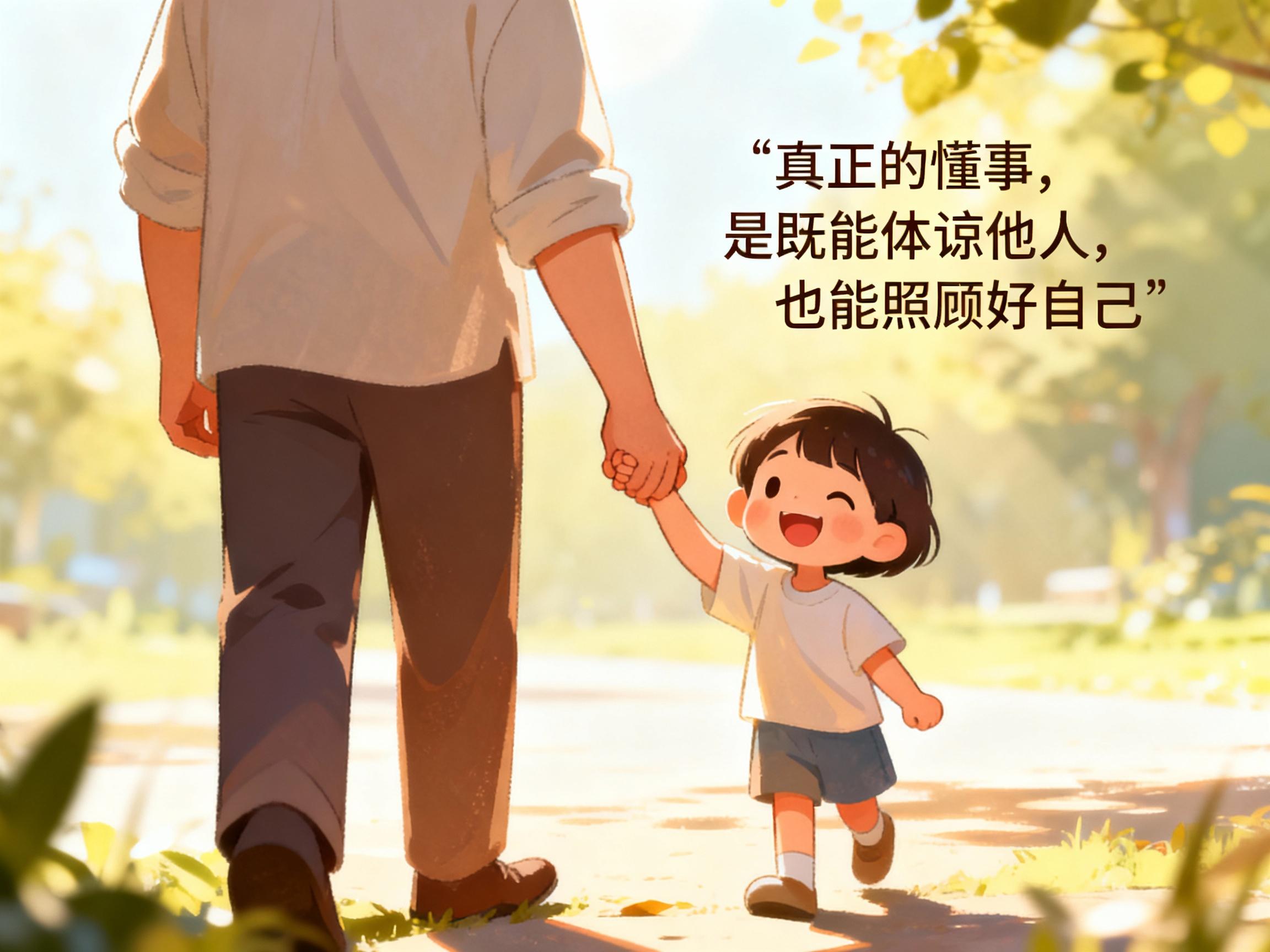
Redefine "being sensible." True sensibility is understanding what’s reasonable, not suppressing yourself. It means being able to empathize with others while also taking care of yourself. Your needs are as important as others’ needs.
Finally, I want to say
What we need has never been that perfect, compliant, never-causing-trouble "puppet child."
What we need is a real, vivid child who can cry and laugh, dares to express themselves, and whose inner self is full of strength.
As psychologist Winnicott said, what children need are "good enough parents," not perfect parents. Likewise, parents should accept "good enough children," not perfect children.
Allow children to be "ill-behaved," allow them to have emotions, allow them to make mistakes, allow them to disagree with you.
This may be the deepest love and courage parents can give.
Because only a child who is allowed to be themselves can have the most resilient roots to withstand future storms.