Can young people also get prostatitis? Don't assume you're immune just because you're young!
01
"I'm Only 30, How Could I Have Prostatitis?"
In the clinic, it's common to see young men looking bewildered during consultations: "Director Yuan, I'm only 30, how could I also have prostatitis?" In fact, this very question reveals a widespread misunderstanding about prostatitis.
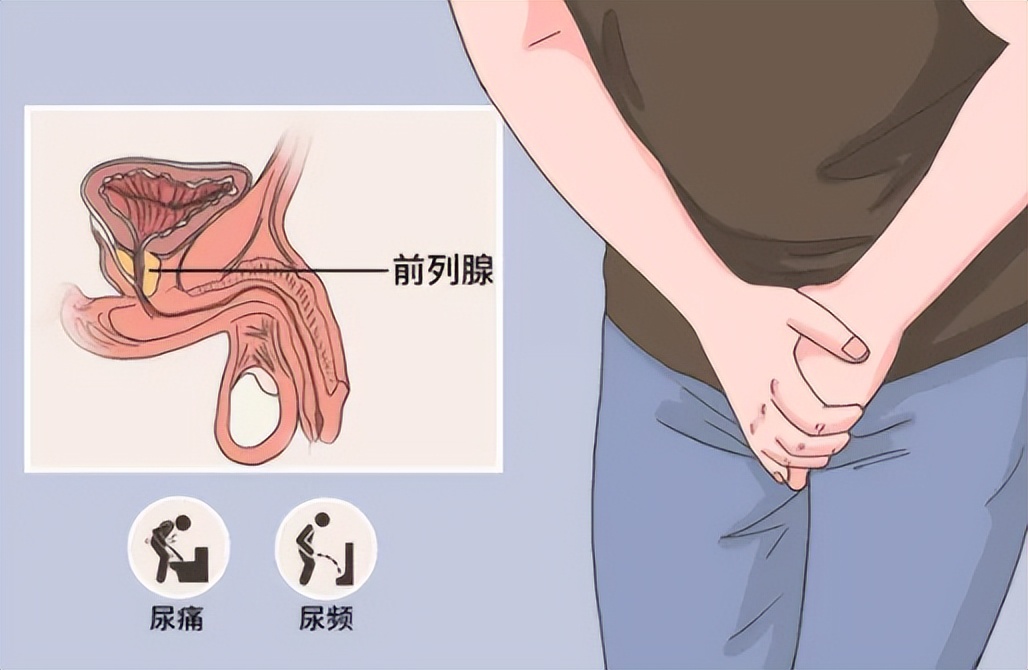
Prostatitis is not exclusive to middle-aged and elderly men. Especially in today's fast-paced, high-stress environment, many men in their 20s are increasingly becoming a high-risk group. Recurrent perineal discomfort, frequent and urgent urination, and declining sexual function are no longer rare complaints. Prostatitis has transformed from an "old-age disease" into a "hidden pain" for many young people.

02
Why Are Young People Prone to Prostatitis?
Young people may seem energetic, but their lifestyle habits often harbor issues that easily trigger prostatitis.
First, prolonged sitting. Programmers, gamers, office workers—sitting for over ten hours a day puts constant pressure on the prostate, leading to poor local blood circulation and accumulation of inflammatory factors.
Second, frequent masturbation or uncontrolled sexual activity. Many young people lack sexual health knowledge, mistakenly believing "more is better," resulting in "overuse" of the prostate and counterproductive effects.
Third, late nights + takeout + anxiety. Irregular schedules, high-calorie diets, and intense mental stress push the body into a sub-healthy state, lowering immunity, with the prostate often being the first to "sound the alarm."
Fourth, holding in urine. Whether gaming, in meetings, or working overtime, going hours without urinating allows urine to reflux and irritate the prostate, inevitably inviting inflammation.
03
What Should Young People Do If They Have Prostatitis?
Many young patients, due to a short disease course and relatively mild symptoms, often choose to "tough it out." However, prostatitis becomes harder to treat the longer it's delayed, progressing from initial mild discomfort to sexual dysfunction and psychological stress, ultimately affecting quality of life.
Treating prostatitis isn't as simple as prescribing a few boxes of antibiotics; it requires systematic evaluation and personalized management.
✔ For different types, employ Traditional Chinese Medicine (TCM) syndrome differentiation and treatment to regulate qi and blood;
✔ When necessary, combine physical therapy, sitz baths, and psychological counseling to address both symptoms and root causes;
✔ More importantly, emphasize lifestyle interventions, such as regular urination, adjusting sexual activity frequency, maintaining a regular schedule, and moderate exercise, which are key to truly "eradicating the root."
04
The Sooner the Intervention, the Faster the Recovery
For young people, while prostatitis is not fatal, its "destructive power" should not be underestimated—it not only harms the body but also erodes self-confidence, affects mood, and can even damage partner relationships.
The earlier it is recognized and treated, the faster the recovery. Many patients with mild prostatitis can achieve significant improvement or even complete recovery with just a bit of conditioning and accompanying lifestyle changes.
However, if one avoids medical care due to fear or neglects it long-term, allowing it to evolve into chronic refractory prostatitis, it becomes more than just a matter of "taking some medicine."
05
Final Words
Dear male friends, stop comforting yourselves with "I'm still young." Youth is not an immunity shield; health is your capital.
If you experience symptoms like perineal discomfort, difficulty urinating, or declining sexual function, seek medical advice promptly. Prostate health is something every man should take seriously.