Men often complain about "incomplete urination"? You might already be targeted by prostatitis!
01
Frequent Urination, Urgency, and Incomplete Voiding: The Prostate is "Protesting"
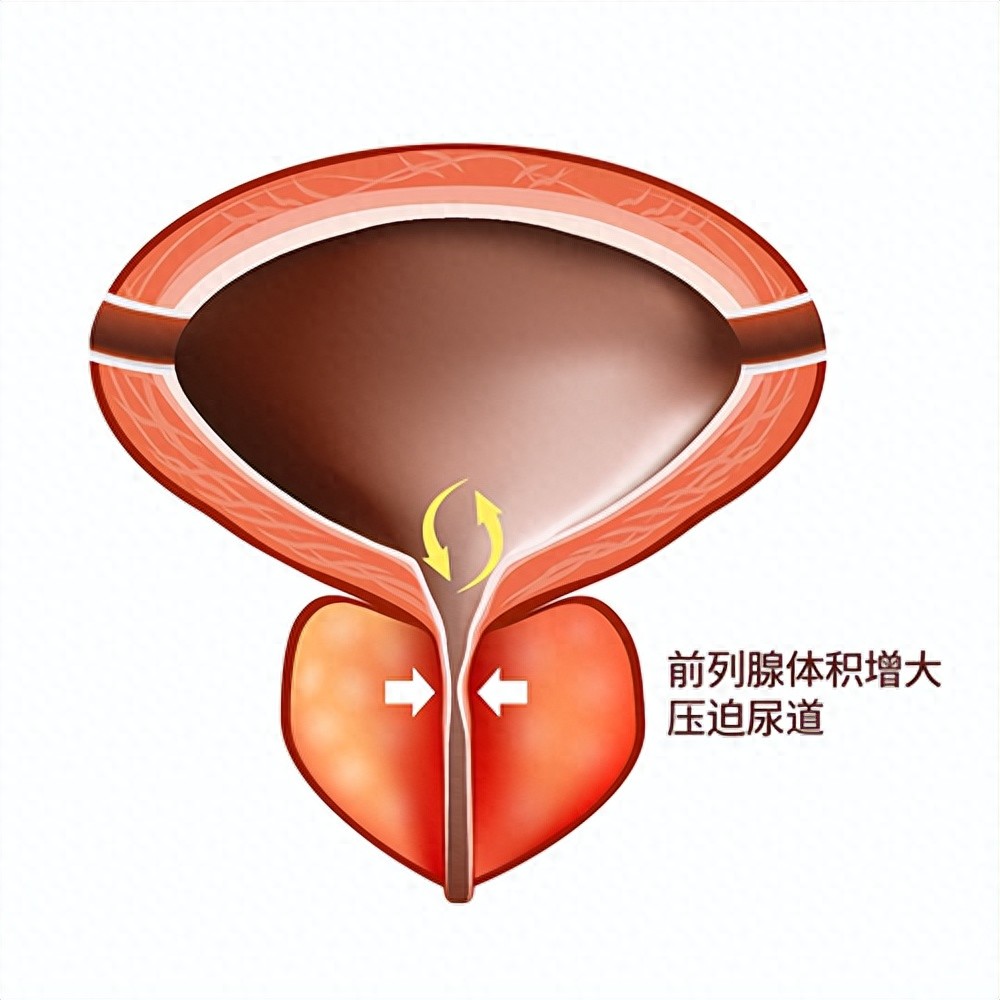
In the outpatient clinic, we often encounter male patients who say: "Dr. Yuan, I've been running to the bathroom frequently lately. I feel the urge to urinate again shortly after going, sometimes the stream is intermittent, and I often feel like I haven't emptied my bladder completely. Is this due to kidney deficiency?" In fact, many such cases are not caused by "kidney deficiency" but are the result of chronic prostatitis.
The prostate is a gland unique to males. Although small in size, it governs several "male dignity issues." Once inflamed, it can cause symptoms such as frequent urination, urgency, difficulty urinating, a weak urinary stream, post-void dribbling, and even discomfort like perineal fullness and soreness, lower back pain, and fatigue, significantly impacting quality of life.
Many men mistakenly attribute these symptoms to "getting older" or "kidney deficiency," which reflects a misunderstanding and underestimation of prostatitis. If not addressed promptly, persistent inflammation can even affect sexual function and fertility.
02
Why Do You Develop Prostatitis?
Prostatitis is not exclusive to the elderly; many young and middle-aged men are also affected. There are numerous potential "triggers":
Sedentary Lifestyle: Office workers, drivers, and avid gamers—prolonged sitting impairs pelvic blood circulation, putting the prostate under pressure.
Excessive Masturbation or Frequent Sexual Activity: This can overwork the prostate without adequate rest.
Unprotected Sexual Activity: Can lead to bacterial invasion and infection of the prostate.
Anxiety and High Stress: Overstimulation of the sympathetic nervous system can cause prostate dysfunction.
Holding Urine: Many men delay urination when busy. Chronic urine retention can lead to reflux, increasing the burden on the prostate.
These seemingly ordinary habits can, over time, cause the prostate to "flare up."
03
"Anti-inflammatory + Regulation": Treatment Relies on More Than Just Antibiotics
Treating prostatitis should not be a simplistic approach, nor should it rely solely on antibiotics. This is especially true for chronic prostatitis, which has a long course and recurrent symptoms, requiring an integrated approach combining Chinese and Western medicine with comprehensive regulation.
Antibiotics primarily target bacterial prostatitis, but many chronic cases are non-bacterial, making medication alone less effective. In such cases, Traditional Chinese Medicine (TCM) pattern differentiation and treatment are needed. For example, based on different patterns like kidney deficiency, damp-heat, or blood stasis, methods such as tonifying the kidney and clearing heat, promoting blood circulation and resolving stasis, or promoting diuresis and relieving strangury are employed to adjust the internal environment and regulate prostate function from the root.
Simultaneously, combining physical therapies like prostate massage, heat application, and rehabilitation physiotherapy can help improve local blood flow and alleviate symptoms. Psychological intervention and lifestyle adjustments are also integral parts of the treatment.
04
Daily Care is Better Than Ten Doses of Medicine
Prostatitis is a chronic condition where "30% relies on treatment, 70% on maintenance." For men who wish to stay free from prostate troubles, daily healthcare is particularly crucial:
✅ Stay Active, Avoid Prolonged Sitting: Get up and move for 5 minutes after every hour of sitting to promote blood circulation.
✅ Maintain Regular Sexual Activity: Avoid excess or suppression; moderation is healthiest.
✅ Don't Hold Urine: Go when you need to; don't wait.
✅ Follow a Light Diet: Stay away from spicy, greasy foods, tobacco, alcohol, and coffee.
✅ Manage Emotions: Avoid anxiety and tension; relax your mind.
Don't underestimate these "small actions." Persist with them, and your prostate will thank you.
05
Final Thoughts
Prostatitis itself is not frightening; what is truly concerning is concealing the illness due to shame, avoiding medical care, or delaying proper treatment. Many men choose to endure the symptoms because they find them "embarrassing to discuss" or fear "losing face," often allowing a minor issue to develop into a serious condition. If you experience symptoms like abnormal urination, perineal fullness, fatigue, or lower back pain, we encourage you to take that brave step and seek medical advice promptly.