Why does benign prostatic hyperplasia cause hematuria?
It is often observed that patients with benign prostatic hyperplasia (BPH) not only experience symptoms such as increased nocturia, frequent and urgent urination, and difficulty urinating but may also present with hematuria. This can be microscopic hematuria (visible under a microscope) or gross hematuria. So, what are the reasons for hematuria caused by BPH? The following points summarize the possible causes:
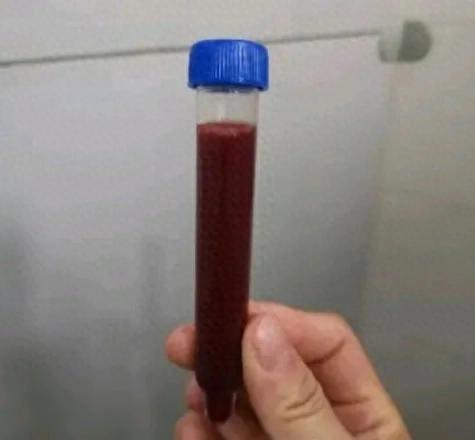
First, when the prostate enlarges due to hyperplasia, the number and dilation of blood vessels on its surface also increase. These vessels are prone to rupture and bleed when subjected to compression, friction, or other stimuli, leading to hematuria.
Second, the hyperplastic prostate tissue compresses the urethra, causing difficulty in urination. During forceful urination, increased abdominal pressure may rupture small blood vessels within the prostate, resulting in hematuria.
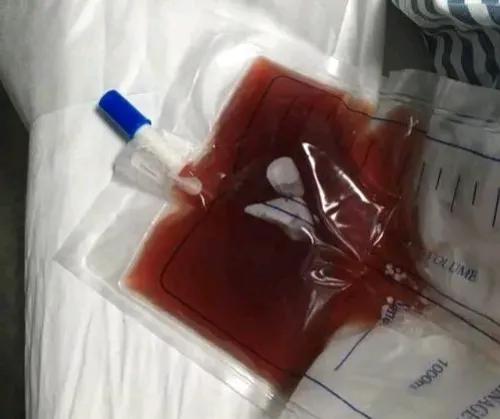
Furthermore, BPH may be accompanied by infection or stones. Inflammation or friction from stones against the prostate tissue and surrounding blood vessels can also increase the risk of vascular rupture and bleeding, leading to hematuria.
Additionally, long-term obstruction caused by BPH can elevate pressure within the bladder, leading to dilation and congestion of blood vessels in the bladder wall. In severe cases, this may also result in rupture and bleeding, manifesting as hematuria.

In summary, hematuria caused by BPH is the result of multiple factors working together. Once hematuria symptoms appear, it is important to seek medical attention promptly to identify the cause and receive appropriate treatment. It is also necessary to rule out other causes of hematuria, such as infection, tumors, or stones, and avoid fixed thinking patterns.