What are the risk factors for male erectile dysfunction?
Erectile dysfunction is a common condition in andrology that severely affects the emotional bond between partners and family harmony, representing a significant psychological trauma for men themselves.
There are numerous risk factors influencing male erectile function, which are briefly summarized here. Some factors can be avoided, while others, though unavoidable, can be mitigated through self-adjustment. Of course, some factors are simply natural laws that we cannot change.

So, what are these factors?
1. Age
As age increases, the prevalence of erectile dysfunction rises, particularly among middle-aged and elderly individuals. This is an unavoidable reality and a natural progression. The decline in local neural responsiveness and aging of vascular endothelial function in older adults are the primary causes of reduced erectile function.
2. Cardiovascular Diseases
Male penile erection requires healthy vascular function. Conditions such as atherosclerosis can impair local penile vascular function, affecting blood engorgement.
3. Smoking
Smoking is a lifestyle habit that severely impacts health. The various harmful substances in tobacco can damage the function of vascular endothelial cells in the corpus cavernosum and affect the surrounding nerves, thereby impairing erectile function.

4. Diabetes
Diabetes is a very common cause of erectile dysfunction in clinical practice, even among many young men. Peripheral neuropathy induced by diabetes is the main culprit behind reduced erectile function in the corpus cavernosum.
5. Metabolic Syndrome
Metabolic syndrome is not a single disease but encompasses multiple conditions, such as hypertension, diabetes, dyslipidemia, and obesity. It contributes to male erectile dysfunction through various mechanisms, involving both neural and vascular abnormalities.
6. Depression
Psychological factors are not uncommon causes of erectile dysfunction. Depression, a prevalent psychological disorder, can lead to excessive inhibition of sexual nerves, thereby affecting erectile function.
7. Lack of Exercise
A sedentary lifestyle can lead to obesity, hypertension, diabetes, and dyslipidemia. Thus, this factor also influences erectile function from a metabolic perspective.
8. Alcohol Abuse
Excessive alcohol intake affects both central and peripheral nervous system functions, thereby impairing erection. Additionally, alcohol abuse can lead to metabolic issues such as fatty liver disease and alcoholic liver disease, indirectly affecting erectile function.
9. Hyperuricemia
Hyperuricemia is the primary cause of gout, mainly due to excessive intake of purine-rich foods such as seafood, soy products, beer, and animal organs. It is often associated with hyperlipidemia and hyperglycemia, potentially exacerbating vascular damage.
10. Premature Ejaculation
Erectile dysfunction and premature ejaculation often coexist, a condition medically referred to as "comorbidity." In many cases, improvement in premature ejaculation can lead to better erectile function, and vice versa.
11. Chronic Prostatitis
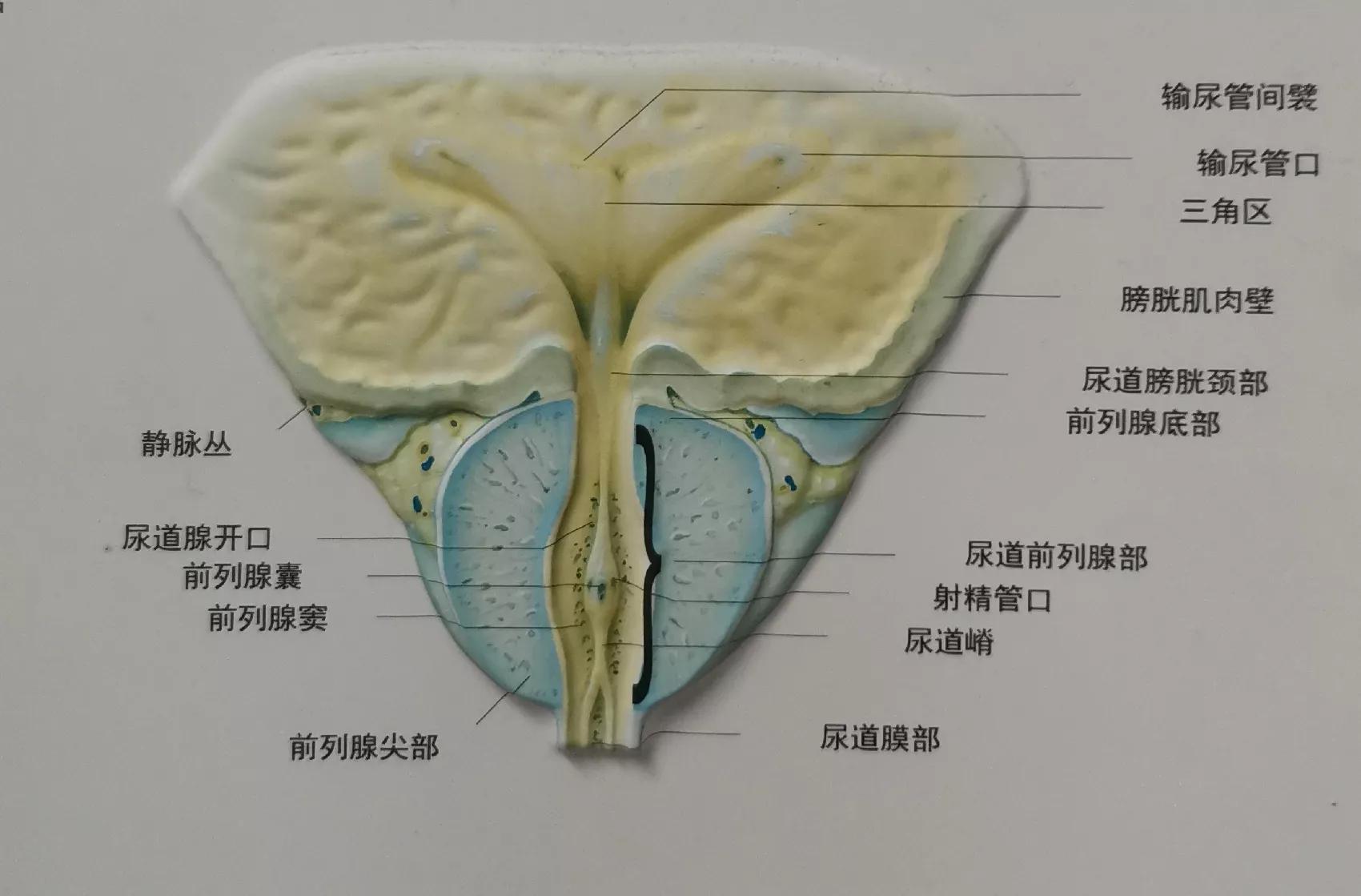
Chronic prostatitis is clinically common. Inflammation can cause dysfunction in the erectile-related nerves surrounding the prostate, thereby affecting erectile function.
The above are just some common risk factors for erectile dysfunction. Other factors include medication side effects, trauma, and surgery. Do you know of any other factors that can affect male erectile function? Feel free to share your comments!