What are the warning signs before prostatitis occurs, and how can it be resolved if it happens?
Since prostatitis seriously affects men's physical and mental health and reduces their quality of life, many men want to know the warning signs before it occurs. If there were indeed such signs, the probability of developing prostatitis could be significantly reduced.
In reality, there are no so-called "warning signs" before prostatitis occurs; once it happens, a series of symptoms associated with the condition will appear. For instance, acute bacterial prostatitis presents with symptoms such as fever, lower abdominal distension and pain, as well as frequent, urgent, and painful urination. In the case of chronic prostatitis, there may be urinary symptoms like frequency, urgency, hesitancy, and split stream, along with sensations of distension and pain in the perineum. Some individuals may also experience functional decline, such as ED or PE. A diagnosis can generally be confirmed through routine prostate fluid analysis, bacterial culture, and prostate ultrasound.
Although there are no so-called "premonitions" for the onset of prostatitis, its occurrence is often triggered by certain factors. These include prolonged sitting (such as long-distance drivers or IT professionals), chronic alcohol abuse, excessive consumption of spicy and irritating foods, excessive sexual activity, unprotected sexual contact, or genital issues; some cases may even be triggered by seasonal changes. Some instances of chronic prostatitis result from the failed or improper treatment of acute bacterial prostatitis. Of course, many cases of prostatitis develop without any obvious underlying cause.

If prostatitis occurs, it is essential to distinguish whether it is acute bacterial prostatitis or chronic prostatitis. In the case of acute bacterial prostatitis, anti-infective treatment must be strengthened. The use of antibiotics must be for the full course and in sufficient dosage, as thorough treatment can reduce the probability of it transitioning into chronic prostatitis.
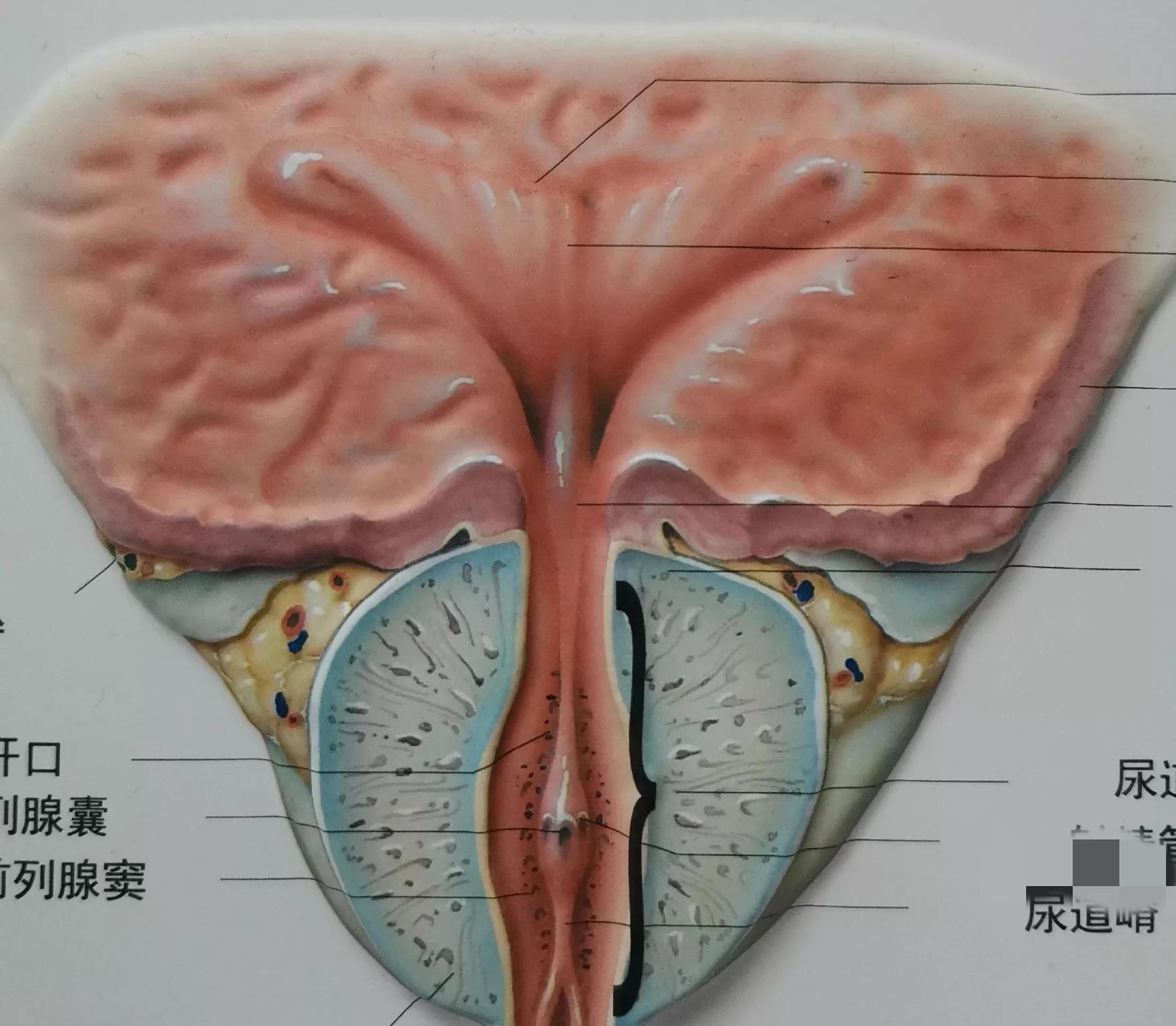
If it is chronic prostatitis, a comprehensive treatment approach is emphasized. This includes oral medications (such as sensitive antibiotics, α-blockers, non-steroidal anti-inflammatory drugs, Traditional Chinese Medicine, and proprietary Chinese medicines), transrectal administration (including Indomethacin suppositories, Qianliean suppositories, etc.), and physical therapies (including transrectal microwave therapy, transrectal herbal enemas combined with microwave therapy, biofeedback therapy, and low-energy extracorporeal shock wave therapy). There are also transurethral treatments (including transurethral prostate microwave therapy and transurethral drug injections; however, these are less commonly chosen due to their invasive nature and the risk of secondary infection). Regular prostate massage therapy is recommended, primarily for men who lack regular ejaculation through sexual activity. Additionally, patients can perform warm sitz baths at home (this is mainly for married men who have already completed their families; it is not recommended for men who still wish to father children). If local hygiene issues exist, circumcision is suggested. In Traditional Chinese Medicine, oral herbal formulas are highly effective in improving prostatitis symptoms and are widely used in clinical practice.