How is chronic non-bacterial prostatitis treated in Western medicine?
Chronic prostatitis mainly includes chronic bacterial prostatitis, chronic non-bacterial prostatitis, and asymptomatic prostatitis. Among these, chronic non-bacterial prostatitis accounts for the vast majority (90-95%). Therefore, discussing the treatment methods for chronic non-bacterial prostatitis is of great significance. So, how does Western medicine treat chronic non-bacterial prostatitis?
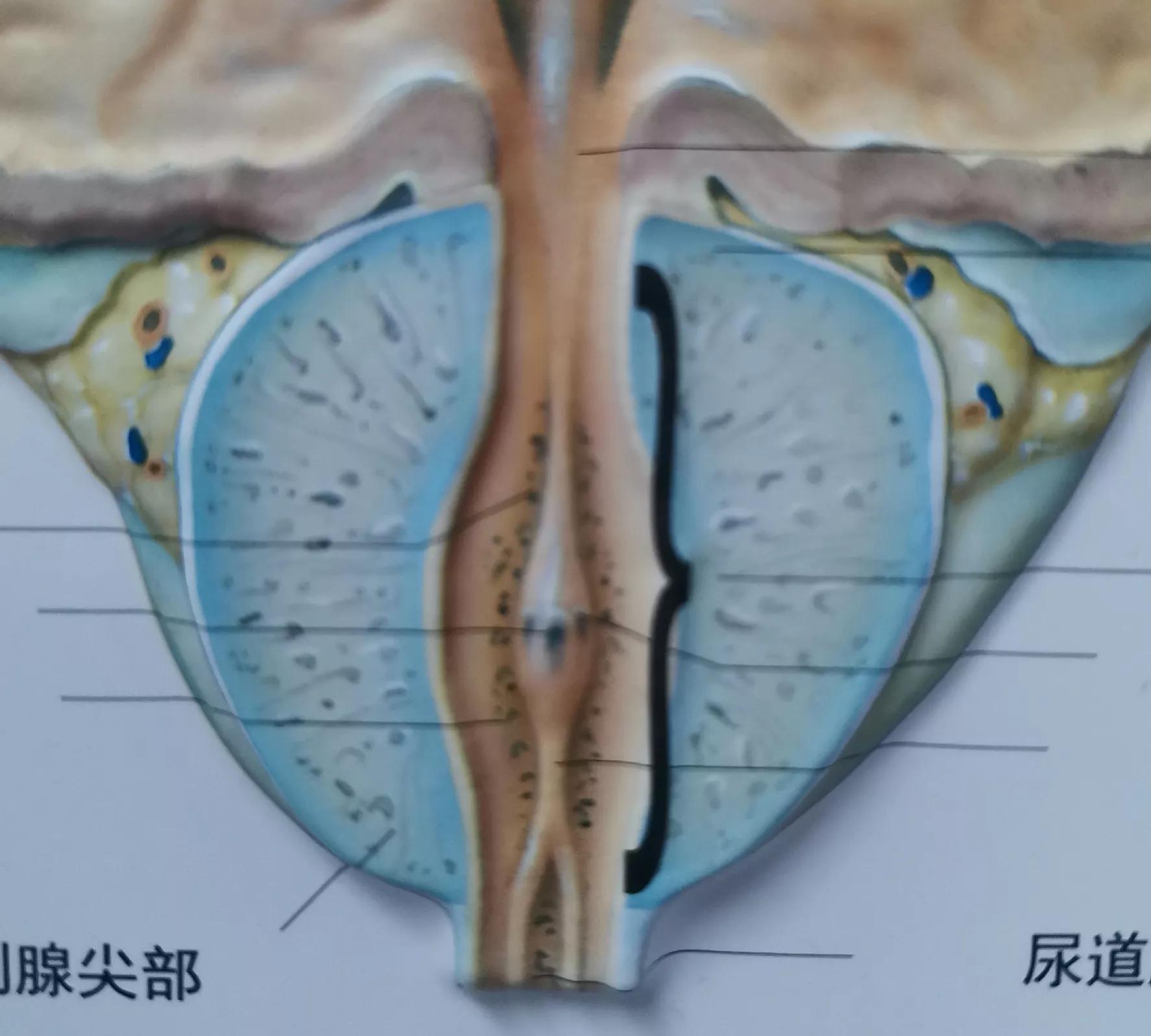
1. Antibiotic therapy
Although bacterial cultures of prostatic fluid are negative in cases of chronic non-bacterial prostatitis, the possibility of a false negative cannot be entirely ruled out. Even in the absence of bacterial infection, other pathogenic microorganisms such as mycoplasma or chlamydia may still be present. Therefore, a short course of antibiotics, such as levofloxacin or roxithromycin, can be selected for treatment, with a typical duration of approximately 2 to 4 weeks.

2. Oral alpha-blockers
The use of alpha-blockers can achieve control over three types of symptoms, including improving urinary discomfort, alleviating pain in the pelvic region, and improving male sexual stamina. Commonly used medications include prazosin, alfuzosin, terazosin, tamsulosin, and doxazosin.
3. Painkillers
For patients with significant pain in the pelvic region, non-steroidal anti-inflammatory drugs (NSAIDs) can be taken orally as appropriate. The most commonly used medications include Celecoxib and Meloxicam. Additionally, rectal medications such as Indomethacin suppositories may also be used.
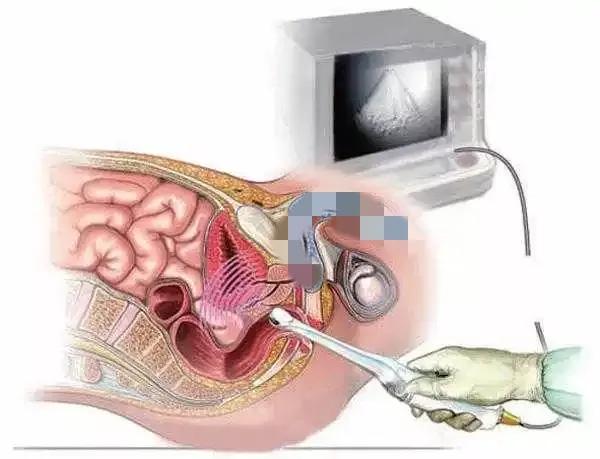
4. Physical Therapy
Physical therapy is widely used for chronic non-bacterial prostatitis and is often combined with oral medications. Common physical therapy methods include transrectal microwave therapy, transrectal ultrasound, and biofeedback therapy. In recent years, low-energy shock wave therapy has also shown certain efficacy in treating chronic prostatitis.