What are the precautions for oral medications for benign prostatic hyperplasia (BPH)?
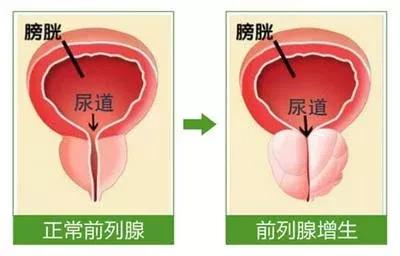
Benign prostatic hyperplasia (BPH) is a common chronic disease among middle-aged and elderly men. It causes significant urinary symptoms, including increased nocturia and difficulty urinating, and can even lead to urinary retention, severely impacting a man's quality of life. Oral medication is a common method for treating BPH. So, what are the precautions for taking these oral medications?
1. Timing of medication administration
Alpha-blockers are commonly used medications for treating benign prostatic hyperplasia (BPH) as they can improve urinary symptoms. This class of drugs primarily includes Tamsulosin sustained-release capsules and Doxazosin. Due to their potential blood pressure-lowering effects, they are generally taken at bedtime to avoid orthostatic hypotension.

2. Monitor changes in PSA
5-alpha reductase inhibitors are also common medications for treating BPH, primarily including Epristeride and Finasteride. They work by inhibiting the conversion of testosterone to dihydrotestosterone, thereby reducing the volume of the prostate. Naturally, this process may lower Prostate-Specific Antigen (PSA) levels; therefore, the reductive effect of 5-alpha reductase inhibitors must be taken into account when evaluating PSA results.
3. Changes in sexual function
Taking α-receptor blockers may lead to retrograde ejaculation, while taking 5-α reductase inhibitors may cause a decline in sexual function and symptoms of erectile dysfunction (ED).

4. Pay attention to the effectiveness of the medication
While these two major classes of oral medications are effective for some patients, others may find the treatment results unsatisfactory or even ineffective. In such cases, alternative treatments must be considered. If complications arise—such as recurrent urinary tract infections, bladder stones, or repeated urinary retention—surgical intervention should be evaluated.