How does Traditional Chinese Medicine (TCM) treat mid-intercourse loss of erection in men?
Mr. Jiang is 35 years old and originally from a remote rural area in Anhui, so he married quite young. After getting married, the frequency of intimacy was relatively high. Following the outbreak of the pandemic, he was separated from his wife for long periods. Due to his high libido, he developed a habit of frequent masturbation. Now that pandemic restrictions have been lifted, the couple can be together regularly, but problems have arisen in the bedroom—specifically, he experiences loss of firmness during intercourse. Recently, the situation seems to have worsened to the point where he can hardly complete the act at all. This has caused great distress for both of them; it is incredibly frustrating to finally be able to enjoy their time together only to find things aren't working properly. He tried taking some Western medications for this issue, but the results were poor, so he decided to seek Traditional Chinese Medicine (TCM) treatment. So, how does TCM treat impotence?

1. TCM's understanding of impotence
Mid-intercourse loss of erection in men is actually one of the common manifestations of ED, so it naturally falls under the category of "impotence" in traditional Chinese medicine. There have long been important discussions or monographs on this disease in traditional medicine, such as the "Treatise on Impotence" (Yang Wei Lun).
2. Emphasizing modern medical examination methods
Traditional Chinese Medicine (TCM) treatment for impotence should not be limited solely to the traditional methods of "looking, listening, smelling, and asking." Before seeking TCM treatment, modern diagnostic tools should not be overlooked. Commonly used clinical examinations include blood glucose, blood lipids, sex hormones, cavernous artery Doppler ultrasound, NPTR (Nocturnal Penile Tumescence and Rigidity), and AVSS (Audiovisual Sexual Stimulation). These tests can evaluate the functional state of the corpus cavernosum. If issues are identified through these examinations, it is crucial to regulate the body's baseline health, such as adjusting blood pressure, blood sugar, and blood lipids.
3. Detailed differentiation of syndrome types
The biggest difference between TCM and Western medicine in treating diseases is the emphasis on the "syndrome" (Zheng) rather than just the "disease." Western medicine often uses one specific drug for one specific disease, whereas a single TCM formula may be used for several different diseases, provided that the underlying "syndrome" is the same.
Regarding impotence, common clinical syndrome types include Kidney Essence Deficiency, Kidney Yang Deficiency, Spleen and Kidney Deficiency, Liver Qi Stagnation, Kidney Deficiency with Blood Stasis, and Phlegm-Dampness Obstruction. Medication must be selected based on these specific syndrome types.
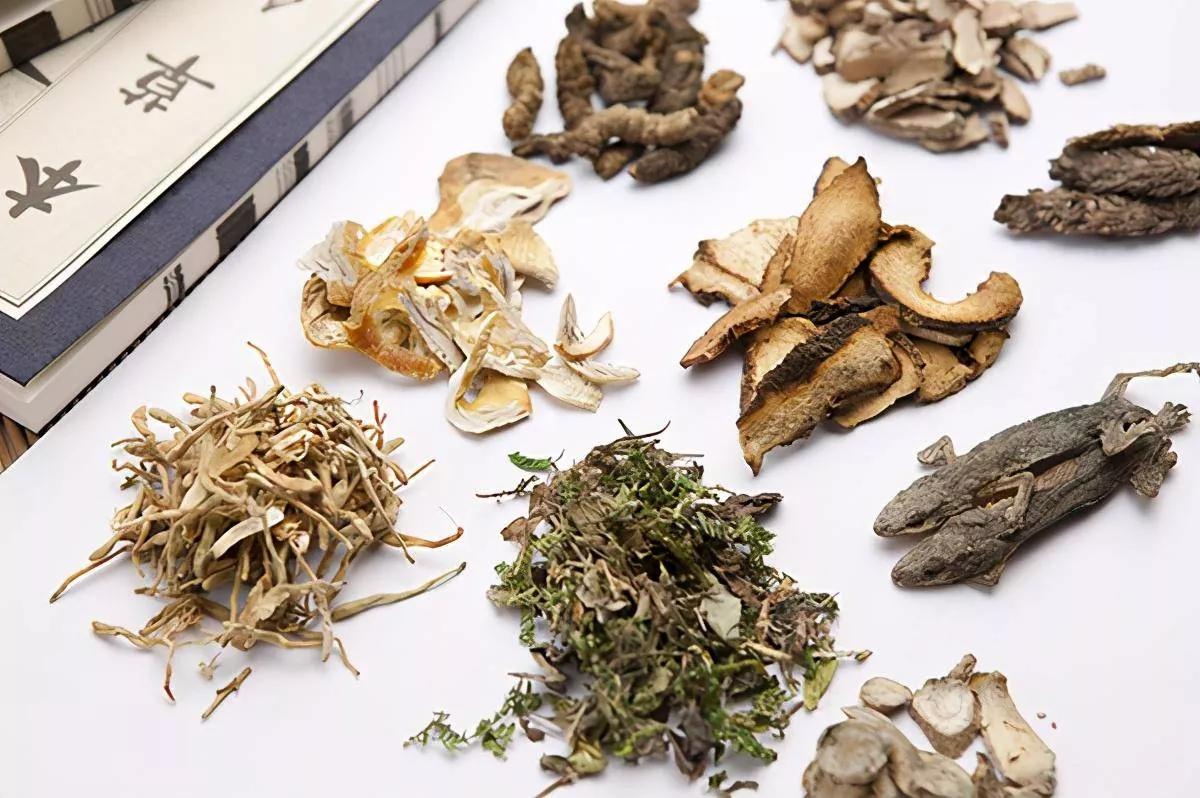
Classic Chinese herbal formulas clinically used to treat impotence include Wuzi Yanzong Pill, Jingui Shenqi Pill, Liuwei Dihuang Pill, Yougui Pill, Zuogui Pill, Shenling Baizhu Powder, Sini Powder, and Erchen Decoction. The use of these formulas is not fixed; they serve as foundational prescriptions and basic medications. During application, modifications must be made by adding or subtracting ingredients based on different syndrome types and concurrent conditions. For example, if a patient has Kidney Yang Deficiency accompanied by blood stasis, ingredients such as Danshen (Salvia miltiorrhiza), Sanleng (Sparganium), and Ezhu (Curcuma zedoaria) can be added to the Yougui Pill base to achieve the effect of promoting blood circulation and resolving stasis.
4. Frequently used empirical Chinese medicines
In the process of conditioning and treating mid-way softening in men, the following categories of medicine are commonly used:
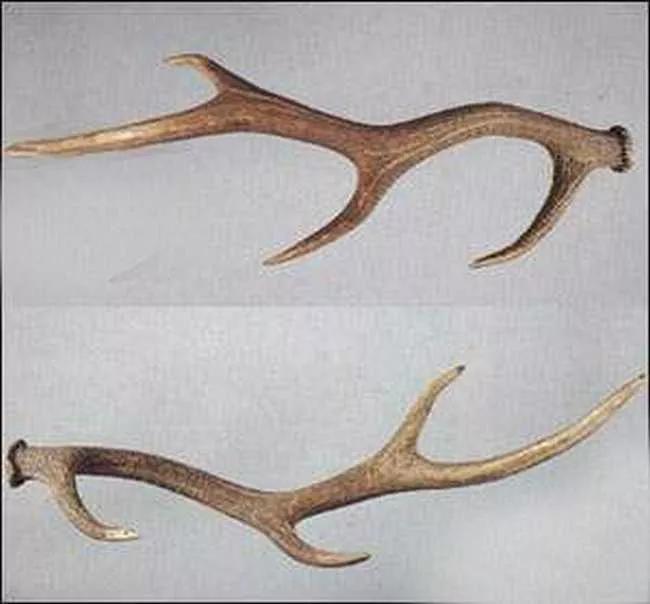
4.1 Kidney-tonifying and Yang-strengthening herbs: These include Lujiao (Deer Antler), Yinyanghuo (Epimedium), Bajitian (Morinda root), Xianmao (Curculigo), Suoyang (Cynomorium), and Roucongrong (Cistanche). These herbs possess yang-warming properties and exhibit androgen-like effects;
4.2 Blood-activating and collateral-unblocking herbs: Including Salvia miltiorrhiza, Sparganium, Curcuma, Angelica sinensis, Chuanxiong, Centipede, Earthworm, etc. These herbs primarily function to promote blood circulation and resolve stasis, which can improve the function of the cavernous vascular endothelium, thereby enhancing erectile function;
4.3 Liver-soothing and depression-relieving herbs: Including Aurantii Fructus Immaturus, Bupleurum, White Peony Root, Tangerine Peel, Cyperus Rotundus, etc. These herbs serve to soothe the liver and regulate Qi, showing significant efficacy particularly for psychogenic ED;
4.4 Phlegm-transforming and dampness-removing herbs: Including Pinellia, Tangerine Peel, Poria Cocos, Atractylodes, Magnolia Bark, Coix Seed, etc. These herbs function to transform phlegm and remove dampness, playing a vital role for ED patients with an obese body type and a phlegm-dampness constitution.
5. Other TCM Treatments
In addition to oral herbal medicine, Traditional Chinese Medicine (TCM) treatments for ED include acupuncture, acupoint application, external application of Chinese medicine combined with vacuum suction, and more. These methods can be used in conjunction with oral medication for better results. Detailed introductions to these non-oral TCM treatments for male ED will be provided in the future.