Women who continue to have "marital relations" after menopause can experience 5 health benefits, which are worth understanding.
Aunt Wang is 55 years old and experienced menopause last year. Initially, she often felt that "her role as a woman was complete," and her relationship with her husband became somewhat distant. However, during a recent community health check-up, a doctor’s words completely changed her perspective: "Appropriate marital intimacy is actually very beneficial for the physical and mental well-being of postmenopausal women. Don’t let go of this opportunity for health!" Aunt Wang was intrigued. "Could there really be so much to consider about this for one’s health?"
She didn’t dare ask immediately, but after returning home, she discussed it with her husband and gradually rekindled their past intimacy. Unexpectedly, her mood improved significantly, and even minor health issues diminished.
Many women share similar doubts and misconceptions after menopause: Should marital intimacy be avoided after menopause? Could it be harmful to the body? Is it considered "shameful"? In fact, extensive recent authoritative research indicates that menopause is not the "end" of a woman’s fulfilling life. On the contrary, healthy and regular marital intimacy can bring five unexpected benefits.
Especially the fourth point, which you may have overlooked all along.
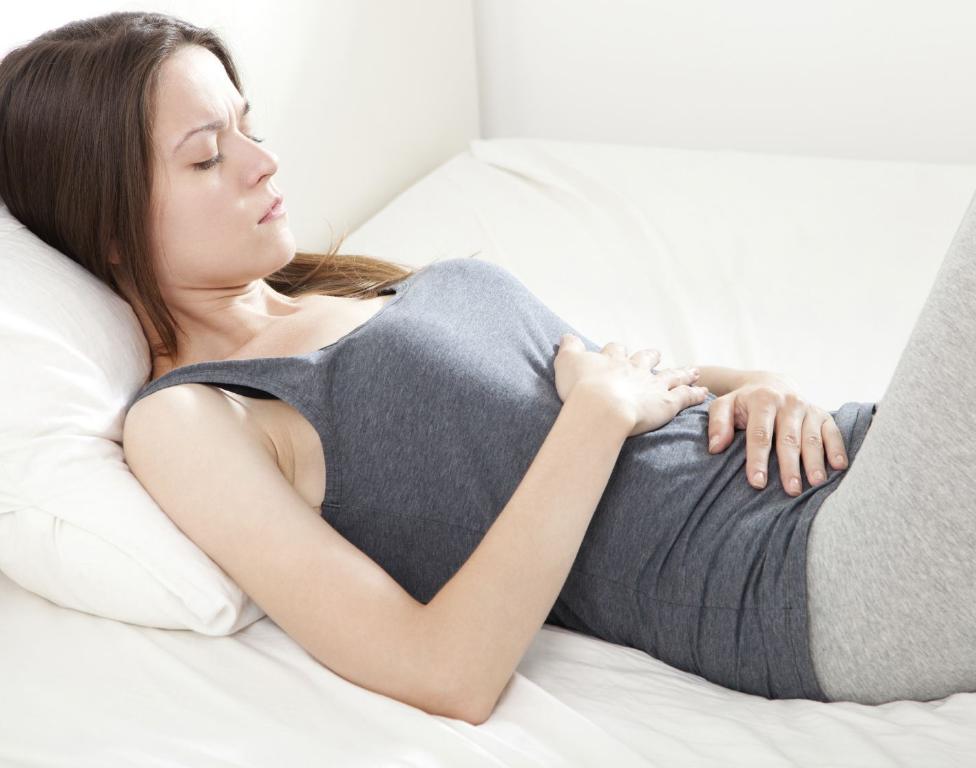
Is it truly beneficial for women to continue marital intimacy after menopause? Experts provide authoritative explanations.
Menopause is a normal physiological stage for women, signifying the gradual decline of ovarian function and a significant drop in estrogen levels. This also means the body undergoes a series of changes, such as menopausal symptoms like hot flashes, insomnia, mood swings, and vaginal dryness. These issues often lead to the misconception that one must completely "bid farewell" to marital intimacy, fearing harm to the body or the onset of diseases.
This is not the case. Multiple medical studies (such as those published in the Chinese Journal of Practical Gynecology and Obstetrics and the Chinese Journal of Obstetrics and Gynecology) show that moderate marital intimacy after menopause does not harm bodily functions. Instead, it can bring positive changes, such as relaxation, stress reduction, and improved hormone levels, through the regulation of neurotransmitters (endorphins and oxytocin). Moreover, moderate intimate contact has been proven to strengthen emotional bonds and boost self-confidence, serving as "dual nourishment" for both body and mind.

Maintaining Marital Intimacy After Menopause May Bring These 5 Benefits
1. Alleviates Menopausal Symptoms and Stabilizes Mood
Over 58% of postmenopausal women experience irritability, hot flashes, sleep disturbances, and other issues. However, studies have found that women with active marital intimacy show increased secretion of endorphins and oxytocin, with anxiety levels decreasing by an average of 22.4% and sleep quality improving by up to 28.6%. These "happy hormones" not only improve mood but also reduce stress hormones, effectively alleviating menopausal discomfort. This approach is more scientific than relying solely on health tonics or supplements.
2. Promotes Cardiovascular Health and Reduces Disease Risk
Marital intimacy is actually a form of mild aerobic exercise. Medical data indicate that middle-aged and elderly women with regular sexual activity have a 12% to 18% lower risk of cardiovascular diseases. During intimacy, the secretion of nitric oxide increases, a substance that dilates blood vessels and lowers blood pressure. Long-term consistency can also improve vascular elasticity, helping to prevent and control risks of common chronic conditions such as hypertension, coronary heart disease, and myocardial infarction. For those who are less physically active, this serves as a "little secret" for cardiovascular health.

3. Boosts Immunity and Reduces Susceptibility to Colds and Inflammation
After menopause, decreased estrogen levels lead to reduced immunity in 30% to 40% of women, increasing the risk of infections. However, according to statistics from the Chinese Journal of Human Sexuality, women with regular marital intimacy have 21% to 24% higher levels of immunoglobulin A (IgA) compared to those without sexual activity. IgA is a critical defense of the immune system against viruses and bacteria, significantly reducing the incidence of colds, inflammation, and urinary system diseases. Additionally, individuals with higher psychological satisfaction show lower levels of chronic inflammation markers, which is highly beneficial for overall health.
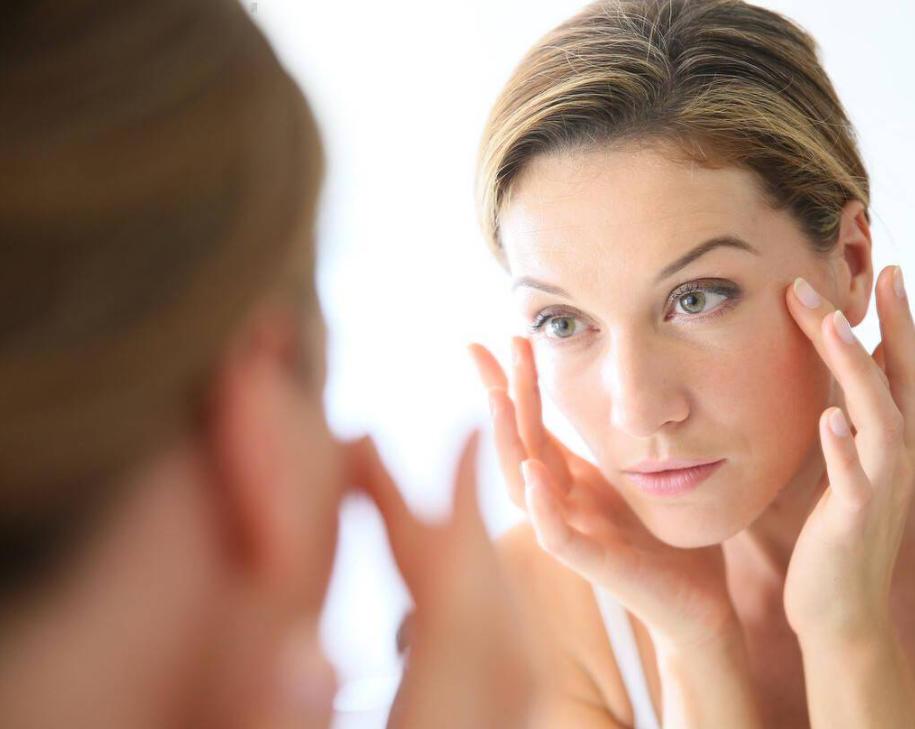
4. Delays Aging and Enhances Beauty from Within
Don’t underestimate the "little joys" in life! During marital intimacy, the body secretes large amounts of growth hormone, enhancing its ability to synthesize collagen. This means plumper skin, reduced wrinkles, tighter pores, and even a rosy, radiant complexion. Practical surveys have found that women with regular marital intimacy often have skin that appears 1 to 3 years "younger" than their peers with less sexual activity. No wonder it’s said that happy women don’t age.
5. Improves Intimate Relationships and Enhances Happiness
After menopause, women commonly experience decreased confidence and emotional distance from their partners. Statistics indicate that women with regular sexual activity have a 32% lower risk of depression and 19% higher marital satisfaction compared to those who abstain. The secretion of oxytocin during intimacy also promotes emotional communication between partners, alleviating misunderstandings and conflicts. This "love hormone" fosters a sense of security and belonging for both partners, achieving true "harmony of body and mind."
Recommendations for Maintaining Healthy Marital Intimacy
Of course, healthy marital intimacy requires scientific approaches and appropriate frequency. Doctors advise that postmenopausal women need not force frequency. Instead, they should communicate with their partners, let things happen naturally, and aim for 1 to 2 times per week to maintain the aforementioned health benefits. Additionally, pay attention to the following points:
Enhance Communication. Have open and honest discussions with your partner about physical changes and emotional needs to avoid misunderstandings and awkwardness.
Maintain Hygiene. Keep the intimate area clean, and consult a doctor if necessary to use appropriate lubricants to prevent dryness and discomfort.
Seek Medical Attention for Discomfort. If you experience severe discomfort, pain, or abnormal discharge, seek medical evaluation immediately instead of self-treating.
Focus on Overall Health. Maintain a healthy diet, engage in moderate exercise, and boost immunity, as these are foundational for sustaining intimate relationships.
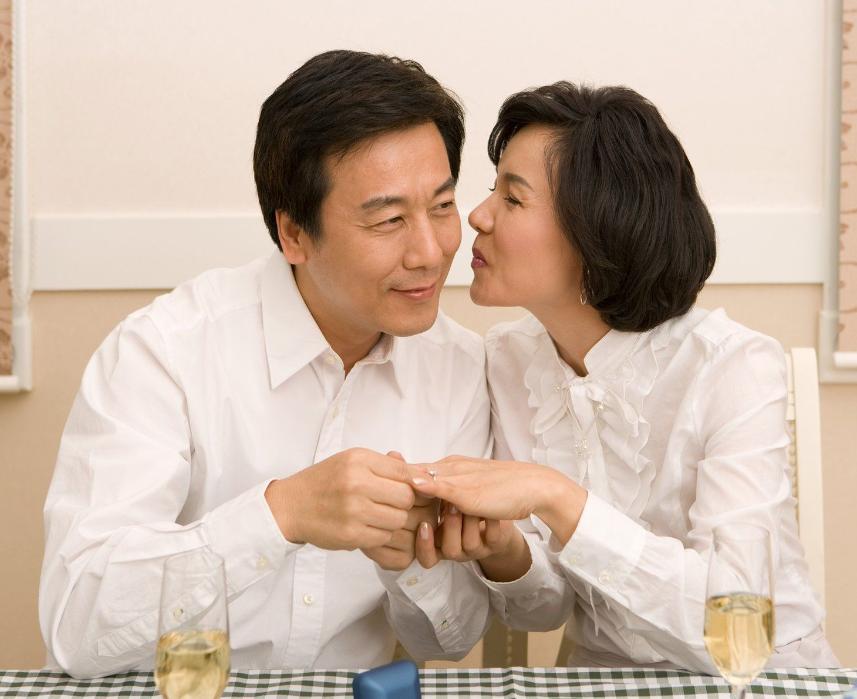
Don’t let "age" and "misconceptions" hinder your happiness. As long as your health permits, regular and harmonious marital intimacy is a "little secret" for middle-aged and elderly women to naturally radiate youthfulness and confidence.