Fudan University Study: Adhering to Three Habits Increases the Chance of Living to 100 by 60%, and It's Never Too Late to Start
At six in the morning, 68-year-old Aunt Li, as usual, left her residential complex on time and jogged slowly around the park for half an hour. She is not a fitness enthusiast, nor does she chase after "trendy health methods"; she simply feels refreshed and clear-headed doing this. Whenever her neighbor Uncle Wang sees her, he always smiles dismissively and says, "Why bother at this age? When you're old, it's more comfortable to just lie down and rest." However, a recent physical examination report has changed everyone's perspective: Aunt Li's various health indicators are better than those of her peers. The doctor even remarked with admiration, "Aunt Li, if you keep this up, your physical condition is comparable to someone in their 50s!"
Perhaps you have also heard that longevity depends on "good genes," but authoritative scientific research offers a different answer. Just last month, a follow-up survey result released by the Shanghai Medical College of Fudan University attracted widespread social attention:
As long as three lifestyle habits are consistently maintained, regardless of current age, the probability of living to 100 years old can increase by approximately 60%. This conclusion is quietly changing many people's views on health preservation. Do you think longevity depends on innate talent or "luck"? On the contrary, it's never too late to start doing certain things now.
What exactly are these three good habits? What unexpected physical changes does each elderly person who adheres to them experience? If you are wondering, "Is there still a chance to change my health destiny as I age?" perhaps today's content will completely refresh your understanding.
Scientific Revelation: Three Habits Closely Related to Longevity
Many people believe that health in old age depends on genetics, not on acquired factors. In reality, multiple international authoritative studies and large-scale domestic surveys in China have confirmed that lifestyle habits have a far more decisive impact on lifespan than genes.
According to data analysis from years of follow-up on 25,000 Shanghai residents aged 60 and above by the Fudan University medical team, even those who started improving their habits at age 70 or later still benefited significantly.
Three key habits stood out:
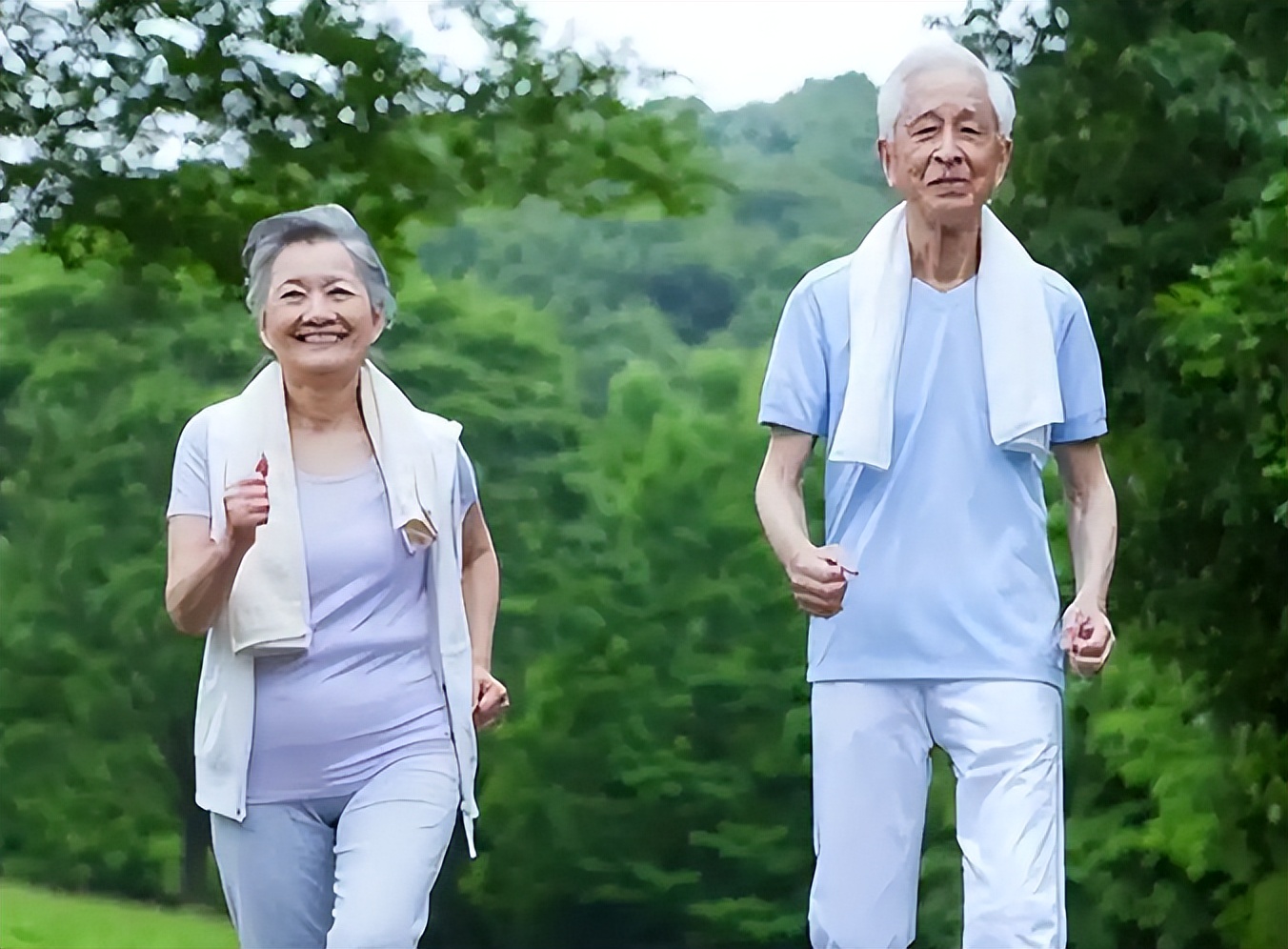
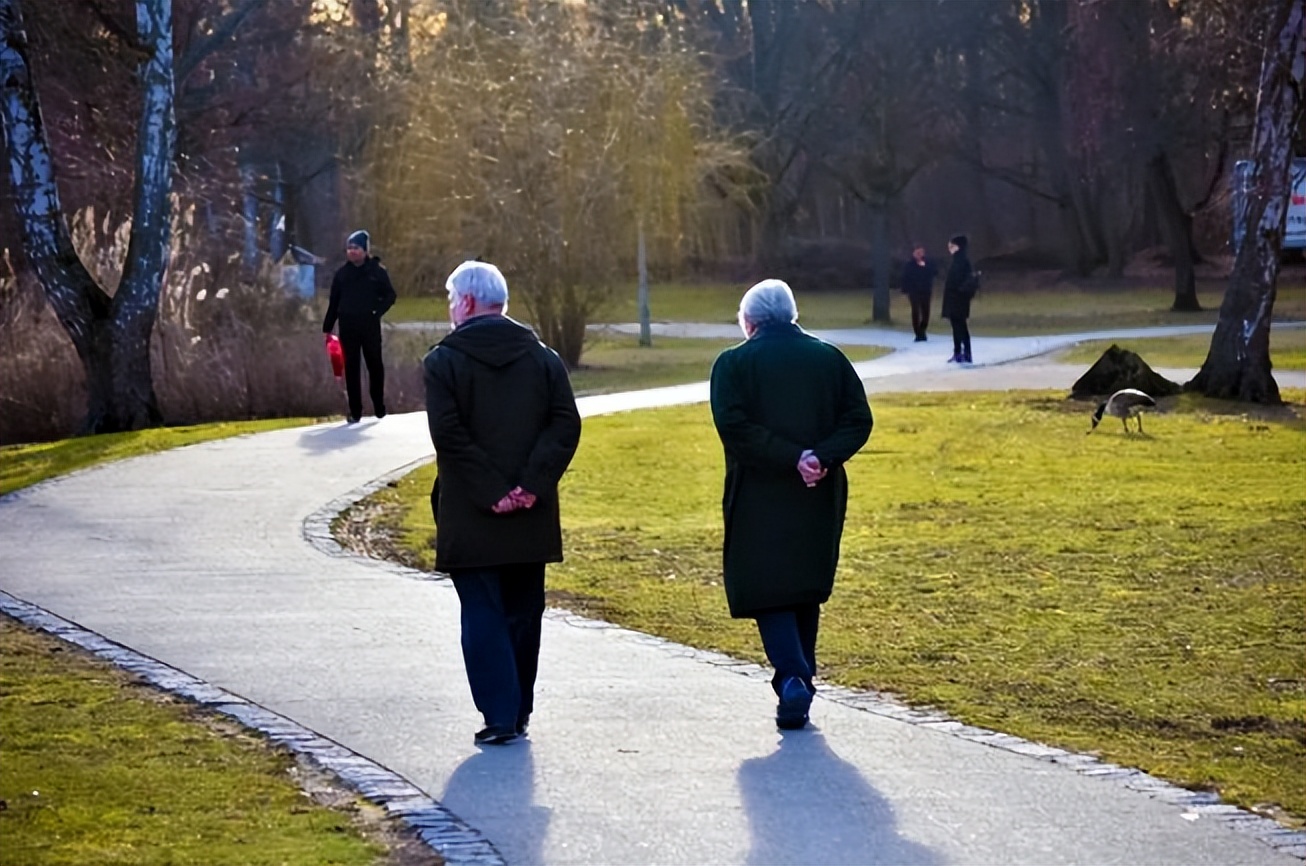
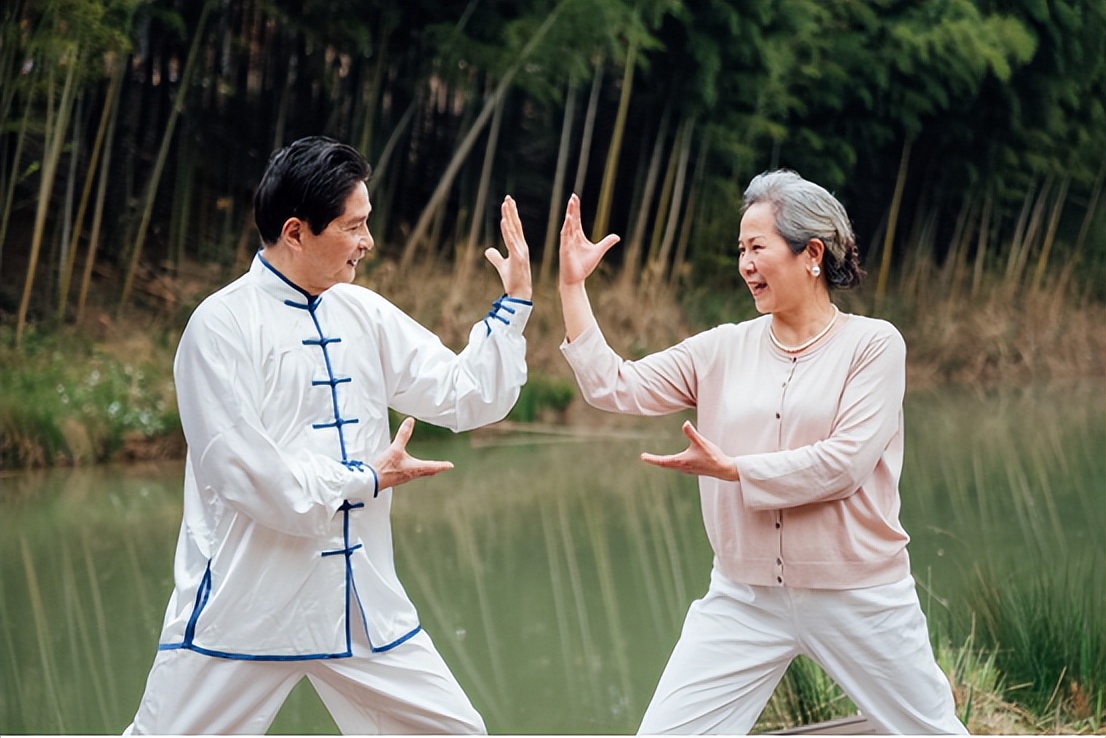
Regular Exercise. Researchers divided participants into groups based on physical activity levels. Those who engaged in sustained moderate-intensity exercise (such as brisk walking, Tai Chi, or jogging) experienced a 39.7% reduction in the risk of cardiovascular and cerebrovascular diseases after ten years, and the incidence of stroke decreased by over 25%. Particularly, those who accumulated more than 150 minutes of exercise per week showed the most significant trend of "reversing" aging speed.
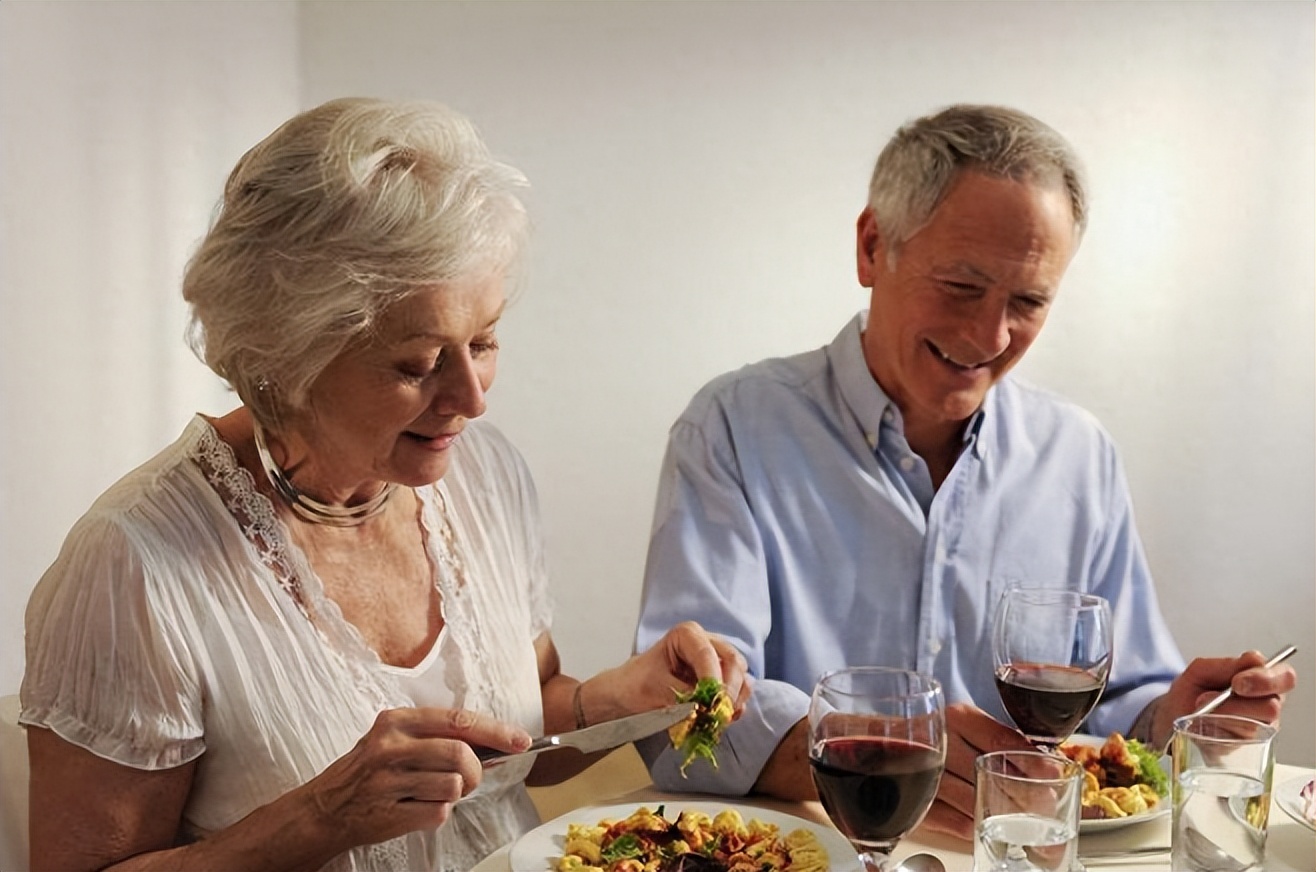
Balanced Diet. In the elderly group, if the average daily intake included fruits, vegetables, whole grains, nuts, moderate amounts of fish, poultry, and high-quality protein, the incidence of diabetes in old age was 33% lower compared to those who paid little attention to their diet. Interestingly, merely adjusting the structure of breakfast and dinner and adhering to the "three lows and one high" principle (low oil, low salt, low sugar, high fiber) could also reduce the proportion of abnormal blood lipids by nearly 20%.
Active Social Engagement and Mental Adjustment. The Fudan team even quantified with big data: Elderly individuals who participated in community activities 1-2 times per week or maintained close friendships experienced a delay in cognitive decline of approximately 2.3 years and a 32% reduction in the risk of depression. Communicating with others and proactively resolving conflicts further help stimulate the secretion of dopamine and serotonin in the brain, indirectly improving immunity and anti-inflammatory levels.
What Specific Changes Occur in the Body by Adhering to Good Habits?
Many people worry, "Is it still useful to exercise and adjust diet at an older age?" Follow-up data from the Fudan team shows that, regardless of the starting age, consistently maintaining these three habits can bring about the following concrete physical changes:
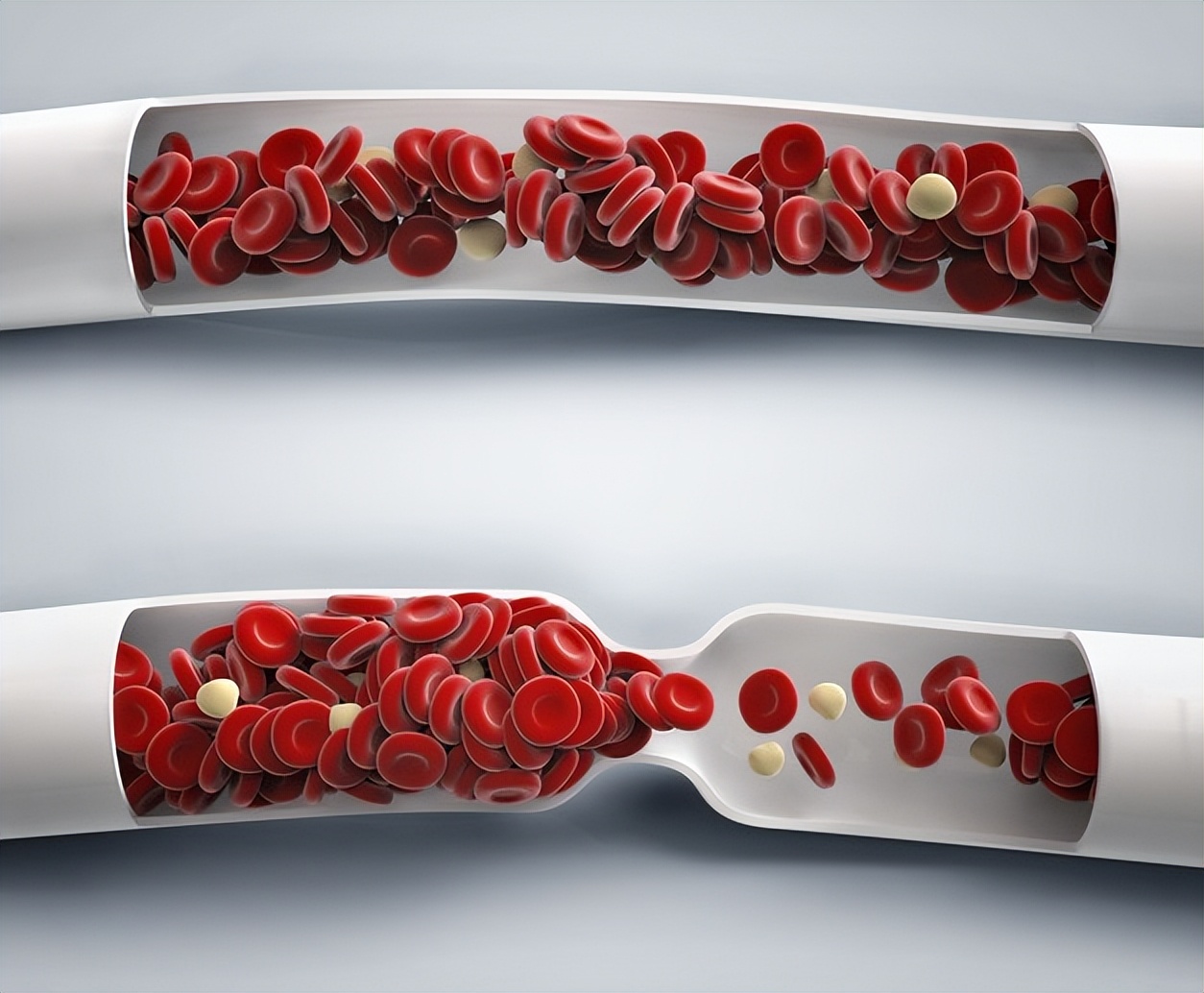
Significant Improvement in Cardiovascular Function. Over half of those who persisted with exercise and a healthy diet experienced an average blood pressure reduction of about 8.4 mmHg, and vascular elasticity tests returned to levels 7-12 years younger than their actual age. Doctors often analogize: "Blood vessels are like old pipes; regular maintenance prevents blockages."
Comprehensive Enhancement of Metabolism and Immune System. Data indicates that even after age 70, adjusting diet can significantly reduce the risk of abnormal blood sugar and obesity. Glycated hemoglobin levels decreased by an average of 0.37%, and annual weight gain was controlled within 0.5 kg. More surprisingly, immune function tests (such as T-cell activity) showed results approximately 18% higher than the control group.
Significant Benefits for Cognitive and Mental Health. Among community-dwelling elderly groups, maintaining a good social network significantly reduced the incidence of Alzheimer's disease, and self-assessed depression and anxiety decreased by about 44%. Increasing evidence shows that elderly individuals who "often laugh and chat" experience a delay in brain aging by at least two years.
Substantial Improvement in Overall Quality of Life and Self-Care Ability. Middle-aged and elderly individuals who adhered to the above habits for five years or more maintained an independent living ability rate as high as 85% (compared to only 61% in the control group), greatly alleviating the pressure on families and society regarding elderly care. These changes are reflected not only in indicators but also in daily good complexion, good sleep, and good mood.
How to Implement the Three Longevity Habits? A Complete Guide with Practical Suggestions
Having read this far, you might be eager to try, but faced with practical challenges like "age," "laziness," and "difficulty changing habits," how exactly should you proceed scientifically? In fact, the suggestions from the Fudan research team and several top-tier hospitals are very specific. Three simple steps can help you start walking the talk from today:
Develop a Personalized Exercise Plan Based on Age. There's no need to pursue high intensity relentlessly. Brisk walking for 30 minutes daily or practicing Tai Chi, swimming, or square dancing three times a week are all effective. For older individuals, using "being able to talk without gasping but feeling slightly sweaty" as a guideline and acting within one's capacity is advisable.
Adjust Dietary Structure Starting with Small Changes in Each Meal. For example, breakfast could be a glass of low-fat milk + an egg + whole-wheat bread; lunch should include more vegetables and legumes; dinner should be low in salt and high in fiber. Special reminder: whole grains (brown rice, oats) and dark leafy green vegetables are powerful tools for controlling the "three highs" (hypertension, hyperlipidemia, hyperglycemia).
Actively Participate in Community Activities or Cultivate Communication Channels. You can meet with old friends once a week, visit exhibitions, or sign up for online interest groups or book clubs to keep your brain "unlocking new skills." When experiencing emotional fluctuations, proactively seek help from a psychologist or family members; early intervention yields the best results.