What are the small fleshy bumps on the neck and underarms? Can they be pulled off by hand? Here are the answers.
Aunt Jiang recently noticed a few small fleshy bumps on her neck and underarms while looking in the mirror. They felt soft, neither painful nor itchy, but their appearance made her feel uneasy.
"Are these serious? Could they be tumors? Can I just pull them off?" she quietly mentioned to her family, yet felt too embarrassed to make a special trip to the hospital. In fact, it's not just Aunt Jiang; many middle-aged and elderly people around her have encountered these "small fleshy bumps." They are quite "unsightly," but what exactly are they?
Is it really safe to just pull them off by hand? Online discussions about "small fleshy bumps" are "all over the place," but the truth might surprise you. Today, we will address this health concern that puzzles countless people, especially point 2, which many tend to overlook!
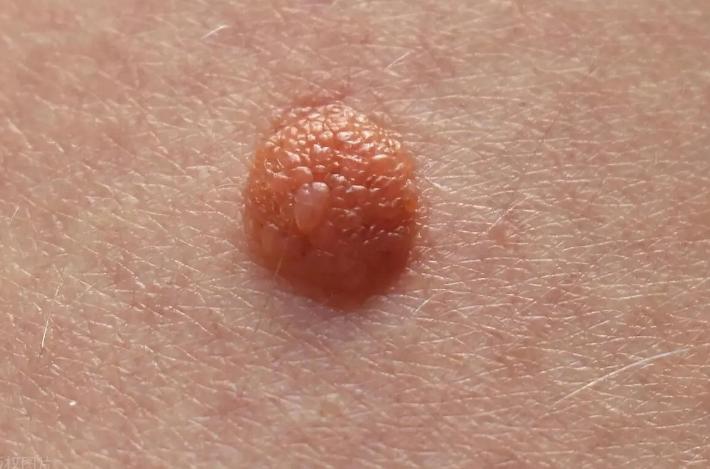
What Exactly Are the Small Fleshy Bumps on the Neck and Underarms? Mostly Benign Hyperplasia
In the vast majority of cases, small fleshy bumps on the neck and underarms are actually "skin tags" or "warts." They are benign skin growths:
Skin tags, medically known as soft fibromas, are common benign skin tumors, colloquially called "warts" or "small fleshy bumps." They are typically light brown, grayish-white, or similar to the skin tone, feel soft, and range in size from millet grains to peas. Some may have a stalk, while others appear as slender, thread-like protrusions.
Skin tags are common in middle-aged and elderly individuals, with an incidence rate of up to 46% in people over 40. They often appear in skin folds such as the neck, underarms, and groin. Warts are mostly caused by human papillomavirus (HPV) infection, presenting as small raised bumps with a rough surface or a granular texture. They can occur singly or in clusters and are distributed on the neck, underarms, hands, feet, and other areas. Warts are somewhat contagious and can easily spread in daily life.
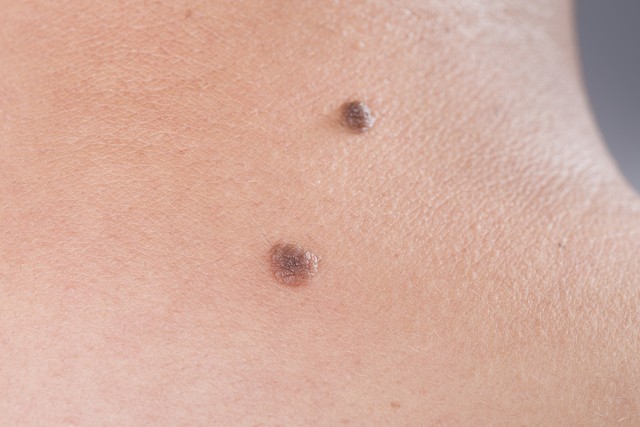
Latest data shows that most skin tags and common warts are benign, do not become cancerous, and do not affect overall health. However, if a small fleshy bump suddenly enlarges, turns black, or ulcerates and bleeds, it should raise concern, and medical attention should be sought promptly to rule out the risk of malignancy.
Can Small Fleshy Bumps Be Pulled Off by Hand? Doctors Warn: Do Not Act Impulsively
Upon seeing "small fleshy bumps," many people instinctively try to pick, pull, or even "DIY" remove them with scissors. However, doing so can easily cause harm:
Fingers and nails often carry bacteria. Directly pulling or cutting off small fleshy bumps can easily lead to local infection, ulceration, or even bleeding. Improper handling may also damage the epidermis, trigger secondary infections, or result in larger scars. If the "small fleshy bump" is a wart, forcibly pulling it off may cause the virus to spread, affecting a larger area of the skin.
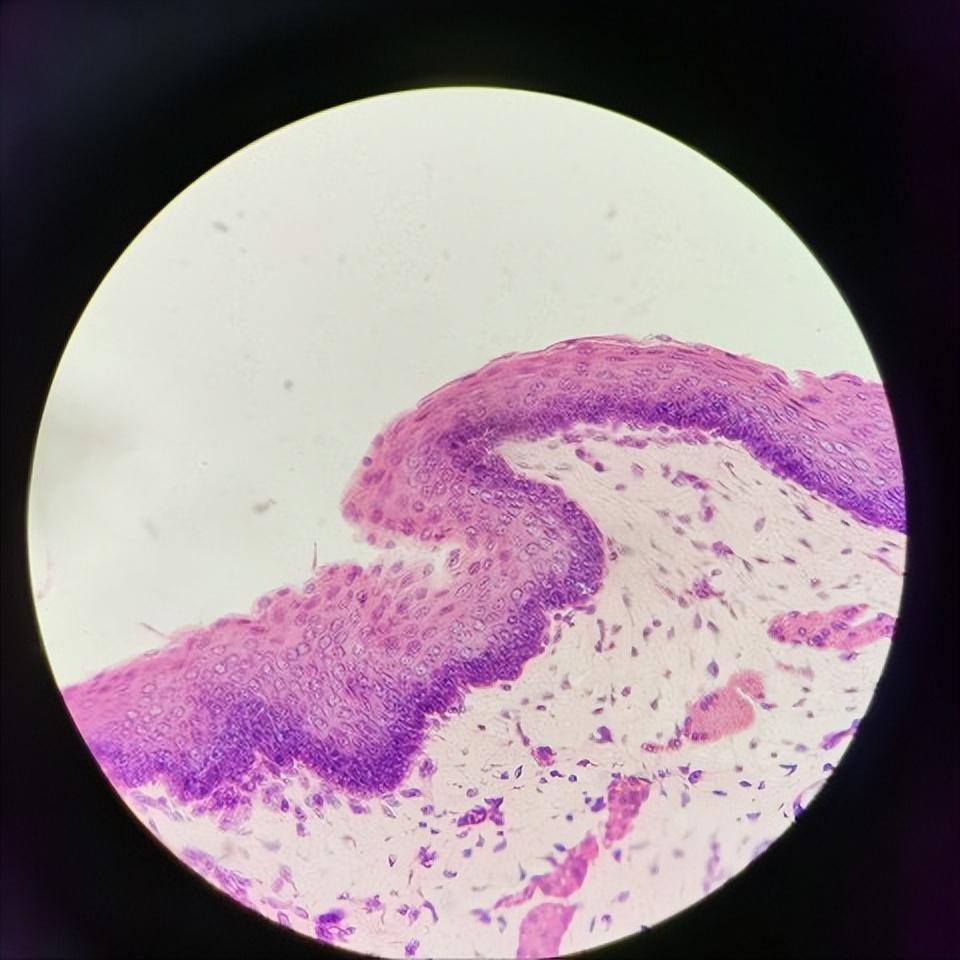
Statistics from dermatology clinics show that after self-removal of small fleshy bumps, about 27% of patients experience infection or enlarged scars, whereas the complication rate after minor surgical procedures in hospitals is less than 8%. Medical experts advise: If you notice "small fleshy bumps," be sure to visit a professional dermatology department for a clear diagnosis and appropriate treatment plan from a doctor.
Why Do Small Fleshy Bumps Appear? Three Major Causes—Are You Affected?
Most people are often left scratching their heads when they discover small fleshy bumps, but the factors influencing their appearance are actually quite clear:
Skin Friction: Areas like the neck and underarms, which have folds and secrete more sweat, are prone to frequent friction and thickening of the skin's keratin layer. Over time, this can lead to the formation of skin tags. Obesity, wearing necklaces, or tight clothing can increase the likelihood.
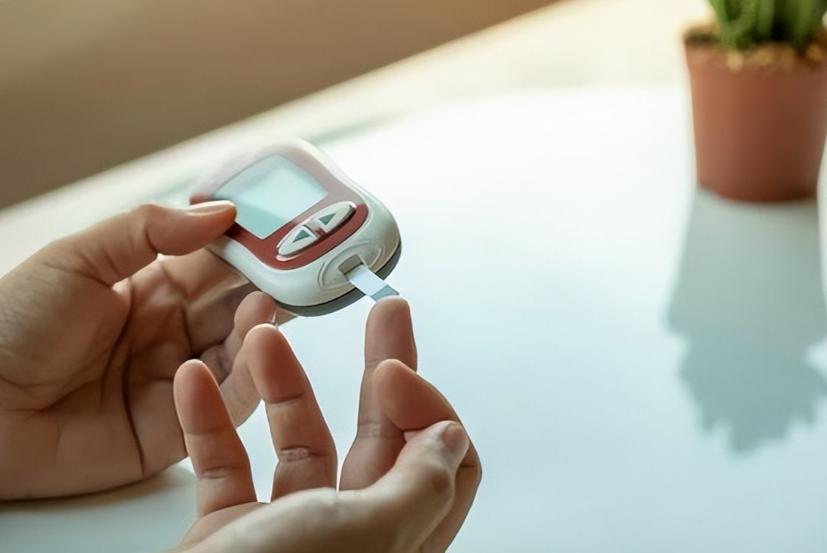
Endocrine and Metabolic Factors: Studies have found that the incidence of small fleshy bumps on the body surface is 2.6 times higher in individuals with diabetes, obesity, or metabolic syndrome compared to the general population. Hormonal fluctuations and metabolic abnormalities can make the skin more prone to local hyperplasia.
Viral Infection: Some small fleshy bumps are warts caused by HPV infection, which are contagious and can potentially spread among family members. Interestingly, high stress and irregular lifestyles can also affect endocrine function, thereby "assisting" the growth of small fleshy bumps.

How to Scientifically Manage and Care for Small Fleshy Bumps? Daily Management Tips
If you already have small fleshy bumps on your neck or underarms, consider managing them as follows:
Keep the skin dry and clean, especially during summer or when prone to sweating. Avoid frequent friction and prolonged moisture. Reduce wearing necklaces and tight clothing to allow the skin to "breathe." Maintain a balanced diet, control high-fat and high-sugar intake, and consume plenty of fresh fruits, vegetables, and whole grains, ensuring a daily dietary fiber intake of at least 25 grams. Pay attention to work-life balance, maintain regular sleep patterns, and reduce long-term stress and anxiety. If you notice any abnormalities in the bumps—such as sudden enlargement, color changes, ulceration, bleeding, or a rapid increase in number—seek medical attention promptly. If removal is necessary, choose a reputable hospital's dermatology or cosmetic clinic. Let a doctor assess the condition and recommend appropriate treatments such as cryotherapy, laser therapy, or surgical removal.