Doctors Discover: Diabetic Patients Who Live to 80 Mostly Stop Doing These 4 Things After Diagnosis
"Uncle Li, didn't you used to love late-night snacks and beer? Why have you given them up now?"
In the community park, 68-year-old Uncle Li cheerfully said to his old friend beside him, "It's not that I've changed, but my body sounded an 'alarm'—I developed diabetes, so many things had to start over.
Over these years, I've reined in my temper and cravings completely. During last year's check-up, the doctor even praised my condition. Who would have thought I could control my blood sugar almost like a normal person, and even have hope of seeing my grandson go to college?"
Around us, diabetes seems to have become an unavoidable hurdle, especially for middle-aged and elderly people. Many view blood sugar control as a form of "suffering," but have you noticed that some 'sugar friends' over eighty years old around you are still energetic and in good health?
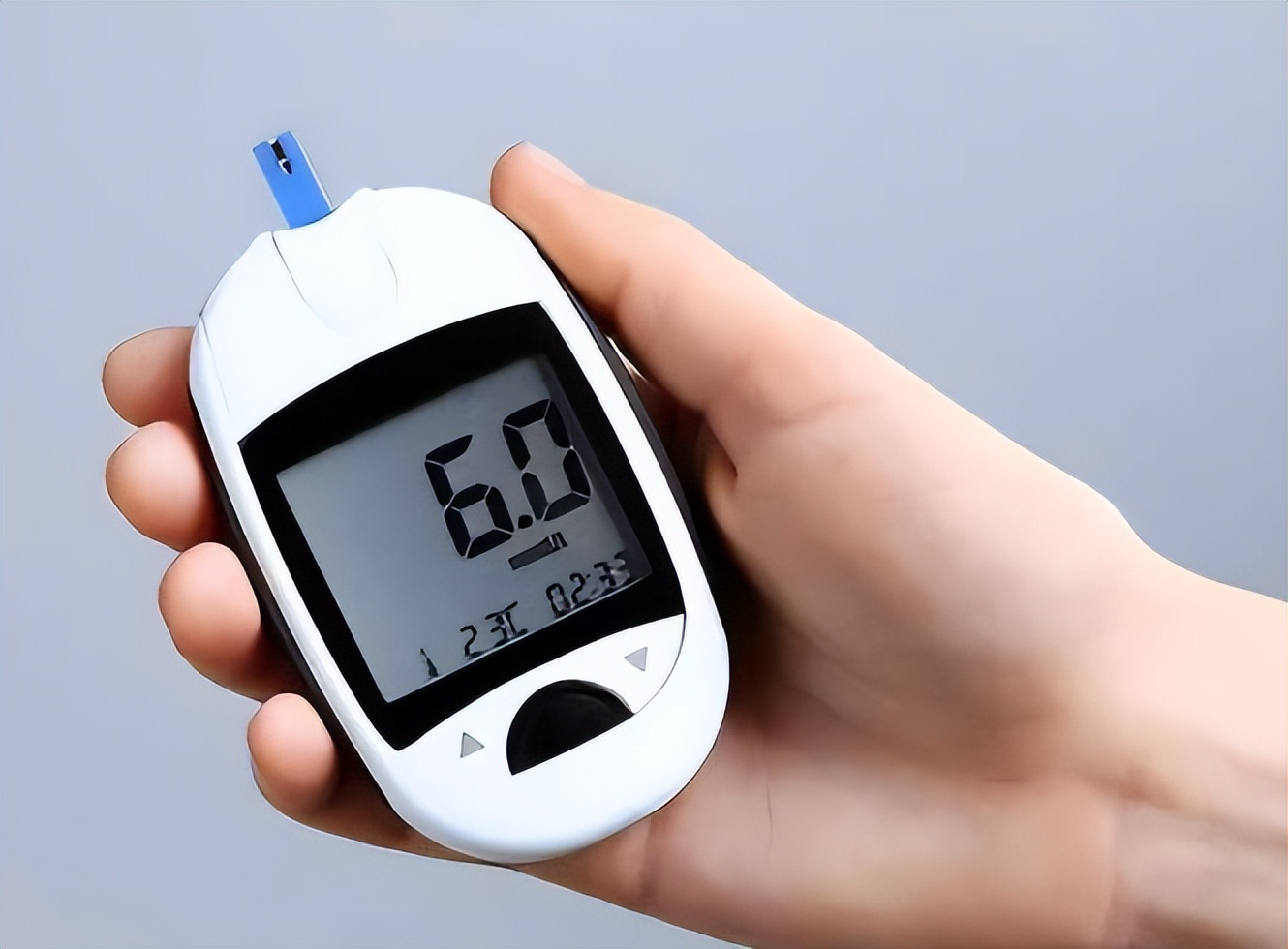
Are they just naturally blessed with good constitutions? In fact, extensive follow-up by doctors and chronic disease clinic data reveal that most diabetic patients who live to 80 decisively bid farewell to four daily bad habits after diagnosis. What exactly are these four things?
Why do they affect the lifespan and quality of life of 'sugar friends'? Especially the third one, which many people overlook year after year, actually harbors significant risks. This article will take you to explore the details.
Why is the 'secret to longevity' for diabetic patients so remarkable? Do they have a natural advantage?
Actually, not at all—what they truly get right is a comprehensive transformation in diet, lifestyle, and mindset. The following will break down these four taboos for you, combining authoritative data, real cases, and expert advice, and teach you how to respond scientifically, helping every sugar friend embark on a path to health.

After Diabetes, Long-Lived Patients Firmly Avoid These 4 Things
According to follow-up data from major tertiary hospitals and chronic disease clinics, about 89% of diabetic patients who live past 80 make the following changes early after diagnosis. From a medical perspective, these changes are backed by solid scientific evidence.
Say Goodbye to Overeating and Irregular Meals!
Many newly diagnosed sugar friends take their medication while 'letting themselves go': skipping meals one day, overindulging the next, even treating late-night snacks as breakfast. Over time, this not only causes blood sugar to spike and plummet but also severely exacerbates pancreatic islet function damage.
A 12-year follow-up study from Harvard University showed that individuals with irregular eating patterns had, on average, HbA1c levels 11.8% higher than the control group, with a greater risk of complications. In contrast, elderly sugar friends who consistently adhere to 'fixed times, fixed portions, and eating as needed' experience a 12.6% reduction in cardiovascular events and an average lifespan extension of 4.7 years.
Resolutely Stay Away from a Sedentary Lifestyle and Prolonged Sitting!
Don't underestimate the harm of being a 'couch potato': insufficient exercise and prolonged sitting significantly reduce blood sugar utilization efficiency. Chronic disease guidelines issued by the Chinese Medical Association indicate that 30 minutes of regular daily walking increases insulin sensitivity by 19.5%, while those who remain sedentary for years almost double their incidence of complications like kidney and retinal issues.

Over 72% of diabetic patients aged 80 and above maintain a lifelong habit of 'daily activity,' such as walking, tai chi, or jogging. The goal isn't to 'sweat from exhaustion'—the key is consistency, moderation, and perseverance.
Change Must Happen for Those Prone to Bottling Up Emotions, Anxiety, and Irritability!
'A calm mind leads to a healthy body' is far more than just an old saying. Research indicates that negative emotions like anger and anxiety cause adrenaline to surge, leading to short-term blood sugar spikes of up to 36%. Clinically, the root cause for many 'hard-to-control sugar friends' often lies in psychological stress.
Conversely, long-lived sugar friends place great importance on emotional self-regulation. Even when facing troubles, they know how to communicate proactively, relax their mindset, and seek help promptly. The state of one's mental health almost changes in sync with blood sugar control and disease progression.
Absolutely Do Not Try Self-Medicating, Arbitrarily Stopping Medication, or Believing in Folk Remedies!
Many patients eagerly 'stop their medication' as soon as they see their blood sugar drop, or they listen to various folk remedies and health supplements. However, this behavior of not following medical advice and discontinuing medication arbitrarily leads to blood sugar rebound and accelerates complications.
Data from authoritative institutions show that the readmission rate for those who stop medication on their own is 28.6% higher than for the group adhering to standard treatment, and the progression of diabetes significantly accelerates. Over 92% of sugar friends who live to eighty practice 'proactive follow-up visits, regular check-ups, and following all doctor's instructions.'

Will the Body Truly Undergo Positive Changes with Persistent Scientific Management?
In real life, many people question: 'Can changing these small daily habits really help diabetic patients live longer?' Both data and experience provide a definitive yes.
Stable Blood Sugar, Improved Quality of Life:
Patients who follow a regulated diet and exercise routine maintain an average HbA1c level between 6.9% and 7.4%, far better than the over 8% seen in those with lax management.
Significant Reduction in Complication Risk:
Regular monitoring of blood pressure and lipids, combined with persistent treatment, reduces the risk of heart and kidney complications by 19.3% and 13.2%, respectively. The incidence of dental caries and retinopathy also decreases accordingly.

Simultaneous Improvement in Mental Health:
The depression rate among sugar friends who engage in social activities and interest groups is only 9.7%, compared to 21.8% in the group with low mood.
Extended Lifespan, Supported by Real Cases:
A national multicenter retrospective survey shows that 'proactively managed' patients after diagnosis have an average lifespan of 81.6 years, while the 'neglectful' group averages only 73.9 years.
How Can Diabetic Patients Achieve Scientific Management? These 4 Strategies Are Key
To live a long and high-quality life, one can start by changing daily 'small things':
Regular Meals, Eat According to Needs:
Advocate for 'small, frequent meals.' Ensure each meal combines staples, protein, and whole grains. Avoid overeating and late-night snacking habits. Keeping vegetables and low-fat protein at home makes this easier to implement.
Daily Activity for Half an Hour, Choose Comfortable Methods:
Walking, practicing tai chi, or doing household chores are all effective. It's best to fix a daily time. Even in bad weather, stretching exercises at home are possible.

Cultivate Hobbies, Proactively Manage Emotions:
Fitness, chess, calligraphy, or gardening can all help relax the mind. Seek help from family, friends, or a doctor promptly for serious emotional issues.
Regular Check-ups, Do Not Arbitrarily Stop Medication:
Get blood sugar, blood pressure, and kidney function checked every three months. Adjust medication as per doctor's instructions. Do not believe in 'magical folk remedies.' Consult a doctor promptly with any medication questions.