Harvard University Study Finds: The Relationship Between Sun Exposure and Mortality Rate, Does Long-Term Sun Exposure Lead to Longer Life?
In a small park in the afternoon, 60-year-old Aunt Zhang chats with her neighbor, Aunt Wang, on a bench as the sun lazily shines on them. Aunt Zhang is accustomed to taking a daily walk and enjoying some sunbathing, while Aunt Wang believes that sun exposure accelerates skin aging and prefers to stay in the shade.
Recently, a community health lecture mentioned that "long-term sun exposure may contribute to longevity," sparking lively discussions.
Is sun exposure the "secret to longevity" or a health risk? Particularly regarding the relationship between sun exposure and mortality, various opinions abound. Some firmly believe that "more sun is beneficial," while others worry about "potential problems." What is the truth?

A 20-year large-scale follow-up study from Harvard University provides a surprising answer: People who get moderate sun exposure have a 12%–18% lower mortality rate compared to those who rarely get sun exposure. What is the scientific basis behind this?
Is everyone suitable for more sun exposure? How should one balance the amount of sun exposure? Don’t worry. This article will gradually uncover the "secrets" of sun exposure and provide practical advice, especially point 3, which many people tend to overlook. To find out how to sunbathe healthily, keep reading.
Why Sun Exposure Is Linked to Longevity
Do you think sun exposure only leads to "tanning and aging"? In fact, the opposite is true!
The Harvard University team analyzed health tracking data from nearly 100,000 people over 20 years and found that sunlight not only helps the skin synthesize vitamin D but is also strongly associated with reduced all-cause mortality and cardiovascular event risks.
Latest data show that people who ensure moderate outdoor sun exposure weekly can reduce their mortality rate by 12%–18% and lower their heart disease risk by approximately 10%.

How can this relationship be explained? First, vitamin D is a key substance for calcium metabolism and immune function in the human body. Its deficiency is closely linked to conditions such as osteoporosis, weakened immunity, and hypertension.
Ultraviolet B (UVB) rays in sunlight promote the body’s natural synthesis of vitamin D, effectively compensating for gaps that dietary supplements may not cover.
Additionally, sun exposure directly affects the body’s circadian rhythm and emotional well-being. Regular sun exposure helps enhance daytime alertness and nighttime sleep, reducing psychological burdens such as depression and anxiety. Chronic insomnia and low mood are significant "hidden killers" that impact longevity.
However, the study also indicates that excessive sun exposure and high UV intensity can increase the risk of skin cancer and photoaging. The key to longevity is not "the more sun, the better" but rather finding a reasonable balance.
Noticeable Changes in the Body After Long-Term Moderate Sun Exposure
After 1–3 months of consistent moderate sun exposure, the following positive changes may quietly occur in the body:
Significant Increase in Blood Vitamin D Levels: Daily sun exposure of 15–30 minutes can increase vitamin D levels by an average of 15%–30%, improving bone health and immunity while significantly reducing issues like colds and chronic pain.

Improved Cardiovascular Health Indicators: Moderate sun exposure reduces the incidence of hypertension by 12% and slows the progression of arteriosclerosis. Surveys show that individuals who stay indoors and avoid sunlight for extended periods face an 8%–17% increased risk of heart attacks and strokes.
Enhanced Mood and Cognitive State: During regular outdoor activities, sunlight stimulates the skin and eyes, increasing the secretion of melatonin and serotonin. Studies indicate that consistent sun exposure for over two months can reduce insomnia rates by 28% and mild anxiety incidence by 15%.
Reduced Risk of Certain Chronic Diseases: Moderate sun exposure regulates immunity and reduces inflammation, lowering the risk of diabetes, certain cancers, and autoimmune diseases to varying degrees.
Remember, the benefits of sun exposure depend on the word "moderate." Overexposure, especially during midday in summer, increases the risk of sunburn and skin cancer. High-risk individuals (e.g., those with fair skin or a history of malignant tumors) should exercise extra caution.

Correct Methods and Precautions for Sun Exposure: Three Key Strategies
Scientific sun exposure does not mean "the longer, the better." Here are some recommendations:
Choose the Right Time and Duration
The optimal times for sun exposure are 9:00–10:30 AM and 4:00–5:30 PM, when UV levels are lower and beneficial. Expose areas like the face, arms, and calves for 15–30 minutes per session. Individuals with fair skin should shorten the duration appropriately.
Avoid Overexposure and Combine with Protection
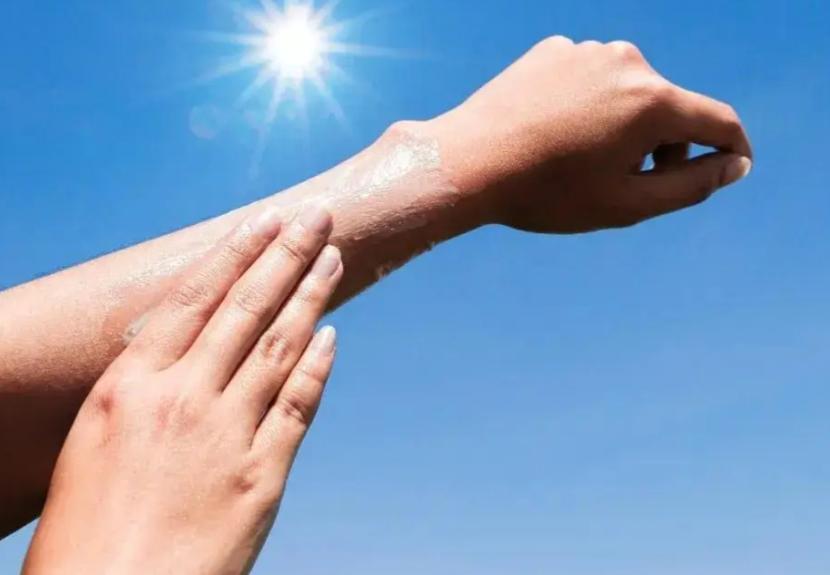
During summer, midday, or intense sunlight, always take sun protection measures (e.g., hats, clothing, and physical sunscreen when necessary). Elderly individuals have thinner skin and reduced sun tolerance. On cloudy or winter days, sun exposure time can be moderately extended, but individual reactions should still be monitored.
Consider Individual Special Conditions and Proceed Gradually
Middle-aged and elderly individuals with a history of skin diseases, tumors, or those taking photosensitive medications should consult a doctor in advance to tailor a sun exposure schedule. On rainy, foggy, or smoggy days when outdoor sun exposure is not possible, vitamin D supplements can serve as an alternative.