Sugarcane Gains Attention Again! Doctors Discover: Influenza A Patients Eating Sugarcane May Show Several Signs of Improvement
In the community hospital clinic on a winter morning, 55-year-old Aunt Yang entered rubbing her hands, coughing weakly as she said, "Doctor, my throat feels like it's been scraped with sandpaper. I cough so much at night that I can't sleep, and drinking water feels like swallowing ice shards."
Her high fever from influenza A had just subsided, but dry throat, coughing, and fatigue left her completely drained. A neighbor brought her a fresh piece of sugarcane: "Chew a bit to soothe your throat." Aunt Yang tried a small amount and found not only her throat feeling more comfortable, but her nighttime coughing also eased significantly.
You may have heard the saying, "Don't eat sugarcane when you have a fever; it's too cooling," but surprisingly, doctors across many regions of the country have recently observed among influenza A patients that moderate consumption of sugarcane may bring about some positive physical changes.
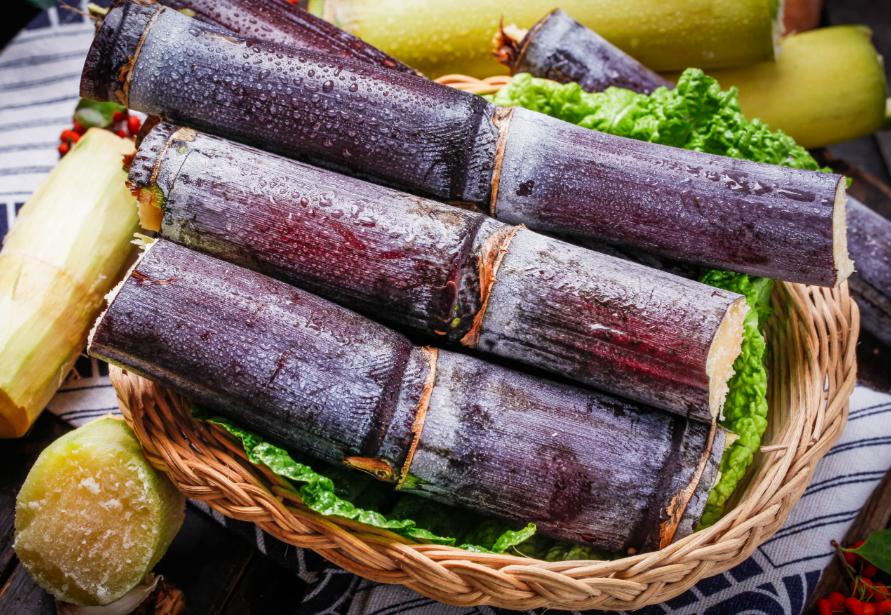
Is this merely a coincidence, or is there hidden scientific reasoning behind it? Could sugarcane become a "sweet remedy" to help alleviate symptoms in influenza A patients? And which groups need to be particularly cautious? Let's break down the answers in detail.
Many people's first impression of sugarcane is that it is "high in sugar and loved by children," while traditional beliefs about influenza A emphasize "avoiding cold and sweet foods."
However, in clinical practice, doctors have noticed that an increasing number of influenza A patients experience symptom relief after consuming moderate amounts of sugarcane. This is not merely coincidental but stems from the clever interplay of food components and physiological mechanisms.
Influenza A virus typically presents with high fever, sweating, dry mouth, sore throat, and coughing. These symptoms often persist even after the fever subsides, with dry throat pain and persistent dry cough being particularly troublesome.
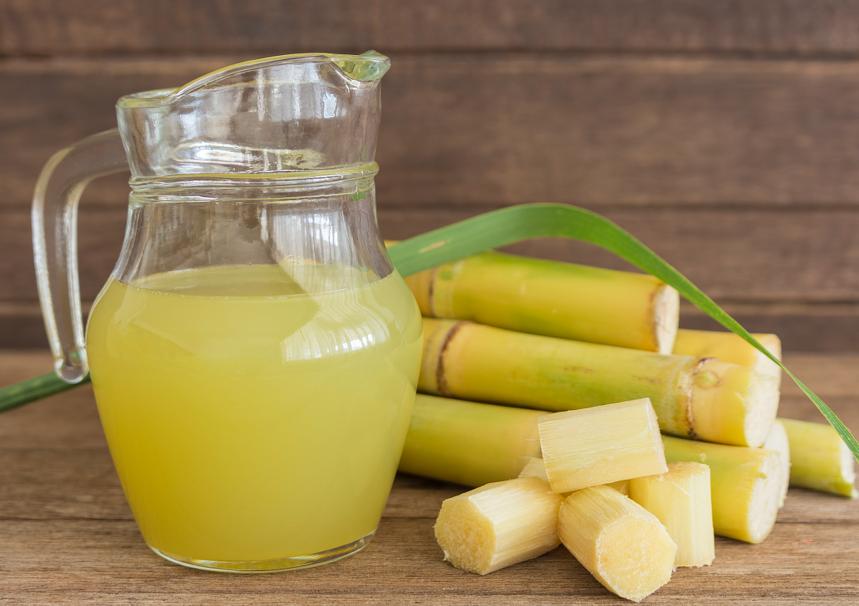
Medical observations have revealed that the abundant water, natural sucrose, and fructose in sugarcane help replenish lost fluids and provide quick energy. Even a small amount can efficiently restore fluids and sugars lost through high fever and sweating.
Additionally, the subtle mechanical stimulation and the juice produced during chewing help activate saliva gland secretion in the oral and throat mucosa, playing a significant role in alleviating dry throat and reducing the dry cough reflex.
The second noteworthy aspect is the soluble fiber and trace elements in sugarcane. Although sugarcane contains only about 1.2 grams of fiber per 100 grams, it offers a mild "tongue-scraping" effect and helps regulate intestinal rhythm for patients experiencing significant depletion from fever and fluctuating digestive function during recovery.
Trace elements such as potassium, zinc, and B vitamins, though present in small amounts, provide some buffering against electrolyte imbalances caused by fever.
Furthermore, the sweetness and unique aroma of sugarcane juice help stimulate patients' appetite. During periods of "loss of taste" and "low mood" caused by influenza A, this taste stimulation should not be underestimated.
Many case reports indicate that chewing a few bites of sugarcane sparked a desire to eat other foods, alleviating physical weakness. However, it is important to note that sugarcane has a cooling nature and can easily irritate the gastrointestinal tract, making it unsuitable for raw consumption by everyone.
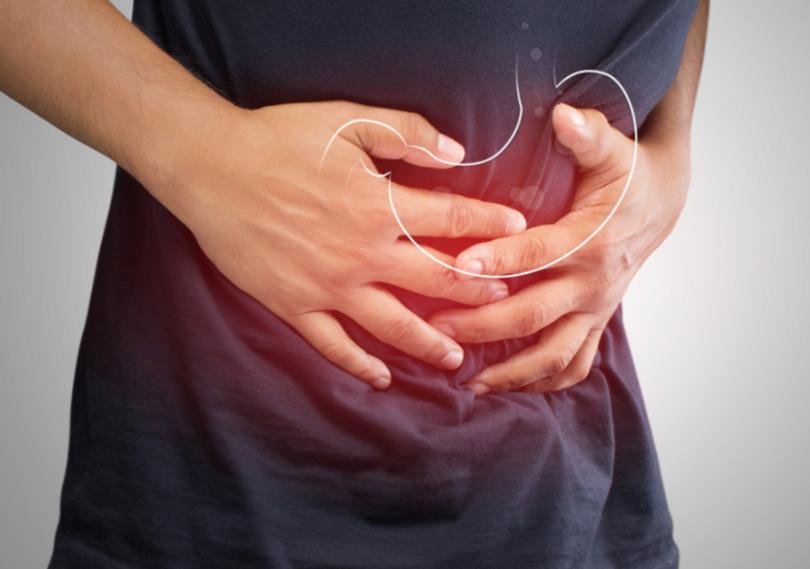
Individuals with diabetes, unstable blood sugar control, or weak digestive systems should consume it with caution. Doctors also recommend that children and those with weaker constitutions try boiling sugarcane in water and consuming it warm to retain nutrients while reducing its cooling effects.
Consistent Moderate Consumption of Sugarcane May Yield These Signs of Improvement During Influenza A Recovery
Statistics from clinical practice and small-sample epidemiological data from some regions indicate that after consuming moderate amounts of sugarcane, influenza A patients in recovery may exhibit the following four positive signals:
Relief from Dry Throat Pain
Sugarcane juice forms a moisturizing film on the throat surface, reducing mechanical irritation and significantly alleviating coughing and swallowing pain. Medical observations show that approximately 68.4% of influenza A patients reported that sugarcane noticeably reduced nighttime coughing and dry throat sensations, and it was more readily accepted by the affected mucosa than plain water.
Improved Energy and Reduced Fatigue
During the high fever phase of influenza A, energy expenditure is intense. Sugarcane, primarily composed of sucrose, glucose, and fructose, is quickly absorbed by the digestive tract without complex breakdown, helping replenish lost energy.
Its pleasant taste also stimulates appetite, reducing nutritional risks associated with poor eating during recovery. Clinical checks indicate that about 70% of recovering patients reported significant relief from fatigue after eating sugarcane, with no excessive blood sugar fluctuations.

Mild Relief from Dehydration and Support for Rehydration
During influenza A, frequent sweating due to high fever leads to significant fluid loss, often compounded by limited water intake. Sugarcane is over 90% water, with an electrolyte profile relatively close to that of the human body. Moderate consumption helps alleviate mild dehydration, with dry mouth and dark urine often improving relatively quickly.
Gradual Normalization of Intestinal Function and Appetite Stimulation
Loss of appetite, bloating, and constipation are common during high fever and illness. The synergistic stimulation from sugarcane's soluble dietary fiber and sugars gently promotes digestive tract motility, re-establishing regular bowel movements and restoring hunger sensations, helping patients return to a normal diet sooner.
Additionally, some doctors have observed that with appropriate energy and fluid supplementation, influenza A patients tend to sleep more soundly at night, reducing insomnia caused by throat irritation.

It is crucial to emphasize that sugarcane is only a supplementary food and cannot replace medical treatment or scientific recovery management. In cases of severe high fever, persistent coughing, difficulty breathing, or other serious symptoms, timely medical attention and standardized treatment are still necessary.
Balancing Treatment and Recovery: Doctor-Recommended Ways to Use Sugarcane for Support
When using sugarcane as a dietary aid during recovery, it is essential to strictly follow proper methods and quantities:
Avoid consuming large amounts on an empty stomach: Sugarcane is high in sugar and can irritate the gastrointestinal tract. The recommended daily amount is approximately "half to one section," or 100-200 grams of fresh sugarcane, consumed slowly in multiple sittings.

To maximize its "throat-soothing" and "rehydrating" effects, individuals with weaker digestion or children can first cut the sugarcane into sections, boil it in water, and consume it warm for greater safety. When eating raw, always peel and consume immediately, ensuring there are no moldy spots to avoid ingesting harmful substances like arthrinium toxins.
Individuals with diabetes, high blood sugar, cold stomach, or chronic liver disease should use it cautiously; persistent coughing requires timely medical attention.
During recovery, sugarcane is just one component to "help with hydration and energy." A balanced diet, regular routine, proper medical treatment, and adequate rest form the "iron triangle" for combating influenza A. Do not neglect scientific management and follow-up examinations due to temporary "sweet benefits."