Storing it in the refrigerator creates a breeding ground for leukemia. For the health of your family, discard it as soon as possible!
The home refrigerator is hailed as the "guardian of family health," storing a wide variety of ingredients. It seems that as long as the door is closed, everything is safe and sound.
However, when retired Aunt Li recently underwent a physical examination, her blood test results showed abnormalities. Her family couldn't understand why—despite emphasizing a healthy diet and maintaining a regular daily routine—such issues could still arise.
It wasn’t until one day when Aunt Li accidentally came across a report shared by her neighbor that she discovered the hidden culprit in the refrigerator: unpackaged food and plastic bag packaging.
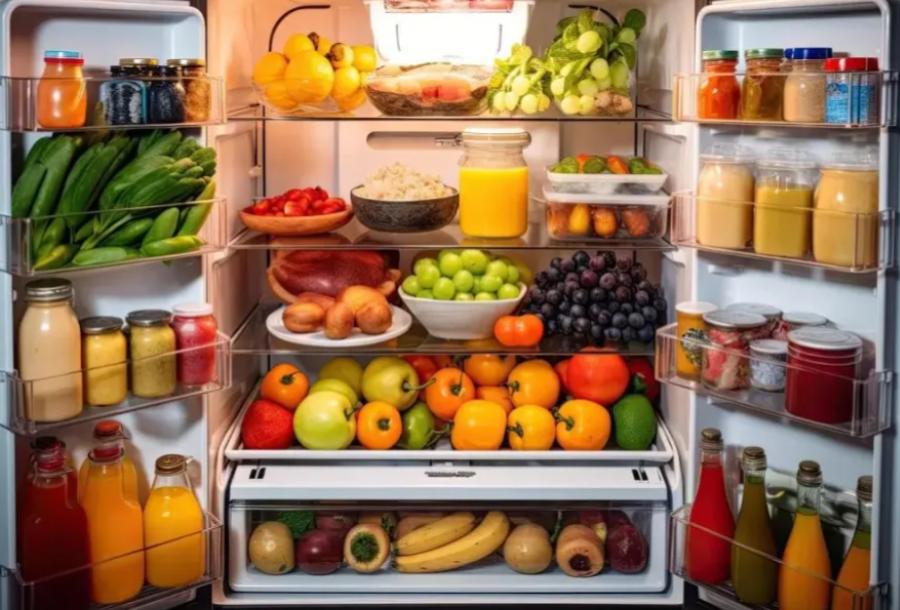
The health risks behind this are chilling. How many family members have unknowingly fallen victim? Is your refrigerator still safe?
According to reports from health channels in Jiangsu Province, some families neglect proper refrigerator storage practices, leading to the growth of harmful substances inside. Certain plastic products, cling film, and unpackaged vegetables and meat mixed in low-temperature environments not only fail to "preserve freshness" but may also become hidden drivers of disease.
Experts warn that some substandard plastic products or unpackaged food stored in refrigerators for extended periods may be one of the risk factors for blood system diseases such as leukemia.
In particular, cheap, non-compliant plastic bags and "unlabeled" cling film can decompose harmful substances like formaldehyde, benzene, and plasticizers at low temperatures, which may quietly enter your body.
You might think, "I buy only legitimate products, so it should be fine, right?" But think carefully: Does your refrigerator still contain those "colorful bags" from the market? Are those unpackaged frozen meat, leftover seafood, and uncovered leftovers in the freezer really safe?
All of these could be invisible health traps. And the refrigerator, this "family safe," may have long harbored unexpected risks.

Which behaviors are becoming a "breeding ground" for leukemia? You do them every day without ever being alert. The truth will be revealed to you right away!
Is Unpackaged Refrigerator Storage Really Safe?
Many people use their refrigerators by simply placing purchased vegetables, meat, and even leftovers directly inside or wrapping them haphazardly in plastic bags or off-brand cling film.
On the surface, most people only focus on "whether the food will spoil," overlooking the risk of harmful substances leaching from packaging materials into food during prolonged low-temperature contact.
Research from the Harvard School of Public Health indicates that some low-quality plastics and non-food-grade cling films can release trace amounts of formaldehyde, aromatic hydrocarbons, and plasticizers in low-temperature environments. These substances enter food and are ingested by the body, accumulating over time.
They can affect the blood-forming system, liver, and kidney function, and in some individuals, become potential risk factors for blood system diseases, including leukemia.
Experiments from the Chinese Academy of Sciences Health Research Center show that when refrigerator temperatures remain below 8°C year-round, the leaching rate of harmful substances from some plastic bags can increase to 2-3 times the normal rate. These "invisible and odorless" chemicals are precisely what the body can continuously absorb.
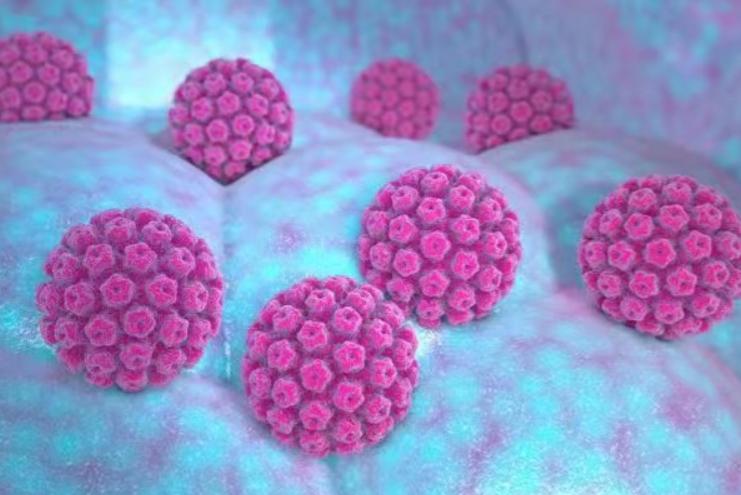
An eight-year follow-up study abroad also revealed that households habitually using uncertified plastic products for food storage and refrigeration had a higher incidence of leukemia among adults compared to those who did not adopt such practices, with a related risk increase of approximately 11.2%.
Moreover, the "China Food Composition Table (Sixth Edition)" clearly states that compounds like formaldehyde and benzene have long-term toxicity to hematopoietic stem cells and can cause chromosomal damage.
Some hospitals in Jiangsu Province have reported cases involving recalled or toxic refrigerator components, reminding us that the refrigerator is not a "safe blind spot." On the contrary, improper use can turn it into an invisible source of danger.
Persisting with Improper Storage: Long-Term Health Changes That May Arise
Blindly stuffing food into the refrigerator using "colorful bags" or inferior cling film can, over time, lead to gradual warnings from the body. Some middle-aged and elderly families, unaware of the risks, have practiced this for years, only discovering during routine check-ups that family members exhibited:
A 7%-14% decrease in white blood cell count, with some even showing symptoms of anemia, fatigue, and frequent declines in immunity.
Outpatient data compiled by a top-tier hospital's hematology department also indicates that approximately 6% of leukemia or chronic blood system abnormality cases share the common habit of "long-term improper refrigerator storage." Long-term consumption of chemically contaminated food may also lead to:

Chronic dizziness, fatigue, and loss of appetite, with some individuals also experiencing mouth ulcers and skin itching; increased burden on the liver and kidneys, leading to abnormal indicators such as elevated alanine aminotransferase levels; children and individuals with weaker constitutions are particularly sensitive and may exhibit physical discomfort more quickly;
Heavy refrigerator odors can easily cause cross-contamination, increasing the rate of gastrointestinal infections; some "unlabeled" plastic products may also trigger endocrine disorders and hormonal fluctuations.
Beijing Union Medical College Hospital has issued a specific risk warning: Haphazardly storing food in the home refrigerator not only affects nutritional safety but also serves as an invisible trigger for increased risks of chronic and blood diseases.
These changes are often masked by daily "habits," making them difficult to detect immediately. By the time the body "sounds the alarm," significant risks may have already accumulated.
Standardizing Refrigerator Management to Stay Away from Health Risks: Discard These Items and Master Three Key Points
To protect your family's health, start by thoroughly inspecting your refrigerator today and say "no" to the following items:
All off-brand, uncertified plastic bags and cling film: If the packaging lacks labels indicating "suitable for food packaging" or is of unknown origin, discard them immediately and replace them with nationally recognized food-grade packaging.
Legitimate food-grade cling film and plastic bags must be labeled with materials such as PE (polyethylene) or PP (polypropylene). Only these can be safely in direct contact with food.
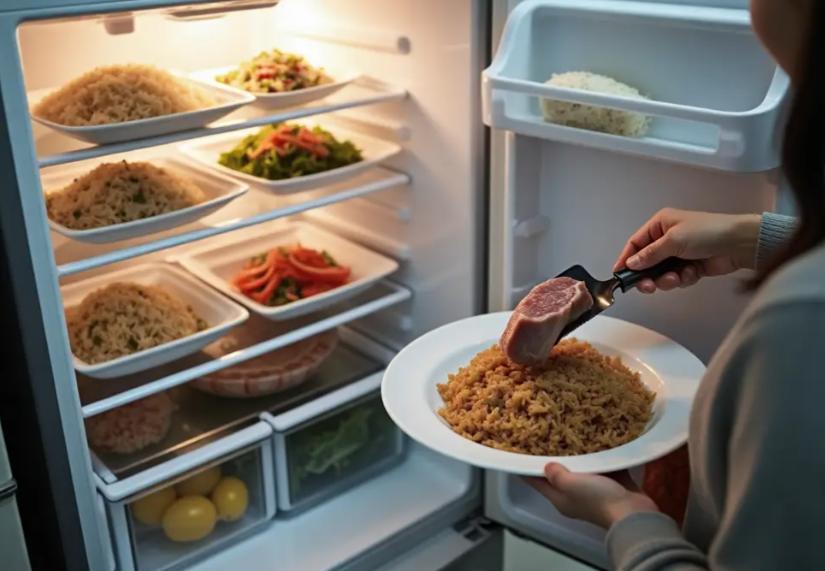
Unpackaged raw meat, fresh seafood, and leftovers: All food should be properly sealed and stored, preferably in glass, ceramic, or food-grade plastic containers, to avoid leaving them "exposed" in the freezer or refrigerator.
As experienced fishermen suggest, when storing high-risk ingredients like crabs, cover them with a damp cloth and ensure basic sealing, with refrigerator temperatures controlled between 5-10°C to reduce the chance of cross-contamination.
Long-term stored, repeatedly used plastic lunch boxes and takeout containers: These containers are prone to aging and cracking with repeated use, making it easier for harmful substances to leach out. Frequent low-temperature contact with food doubles the risk. It is recommended to replace them regularly and opt for stable materials like glass or ceramic whenever possible.
In addition, clean the refrigerator regularly every week to maintain internal ventilation and dryness. If odors or a "sticky feeling" are detected, conduct a comprehensive inspection.
The refrigerator is not a permanent safe. Any food stored for more than three days without guaranteed safety should be discarded decisively, rather than saving it "bite by bite." Health truly lies in the small daily actions we take.