Should People Over 60 Rest More or Exercise More? A Survey of 1,194 Middle-Aged and Elderly Adults Finally Provides an Answer
68-year-old Uncle Zhao is a retired teacher who had hoped to enjoy a peaceful life surrounded by his children and grandchildren. However, over the past few months, he has often felt that "something isn't quite right with his knees": every time he takes a short walk around the neighborhood, his knee joints ache faintly when going downstairs.
His elderly neighbors all say, "When you're older, you should rest more and avoid overexertion." Yet, his old friends, Uncle Li and Sister Zhu, wake up early every day for morning exercises, brisk walking, and occasionally even square dancing, each seeming more energetic than the last.
Uncle Zhao is puzzled: After turning 60, should one prioritize rest or exercise more? Is it "the more you move, the more you harm your body," or is it "lack of movement that accelerates aging"?
Perhaps you also think: The older you get, the more fragile your body becomes, so it's better to move less to avoid health issues. But is this really true? A recent large-scale follow-up survey of 1,194 middle-aged and elderly individuals provides some surprising answers.
Even more interesting is a detail that many have overlooked, yet it may determine the "turning point" of life in old age.
Should one be "as still as a statue" or "as active as a rabbit"? How should the elderly make the right choice? Let's see what experts and real data have to say. The final conclusion may surprise many!
Rest May Not Truly Preserve Health; Exercise Is the Secret to Longevity
Many seniors believe that "retirement should be a time for more rest," fearing they might "wear out their bodies" or that their knees, waist, and legs cannot withstand too much activity.
In fact, the knee joint is indeed the most prone to "premature aging." According to World Health Organization statistics, 18% of women and 9.6% of men over 60 suffer from osteoarthritis. But is "resting more when in pain" the best choice?
Recently, authoritative international institutions such as Harvard University conducted a 10-year follow-up study on 1,194 middle-aged and elderly individuals aged 45 to 79.
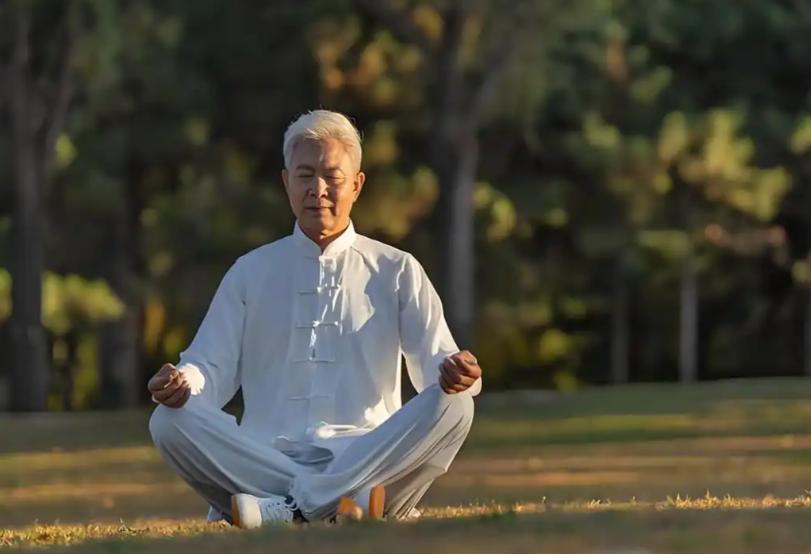
They found that those who chose long-term rest and reduced activity after experiencing "minor joint discomfort" were more likely to see their condition worsen. Prolonged lack of activity not only leads to muscle atrophy and joint stiffness but also increases the risk of osteoporosis, cardiovascular diseases, and other health issues.
In contrast, those who engaged in moderate exercise, even just 2–3 times per week of light to moderate activity, reduced their risk of knee osteoarthritis by 30%. Their self-care abilities and sense of well-being were also significantly higher than their sedentary peers.
Their blood pressure, blood sugar, and metabolism indicators were noticeably better than those who only rested. This finding challenges the common intuition that "less exercise leads to faster aging." Scientific exercise, in fact, helps sustain vitality and independence longer!
Three Surprising Benefits of Consistent Exercise in Old Age
More Flexible Joints and Reduced Pain
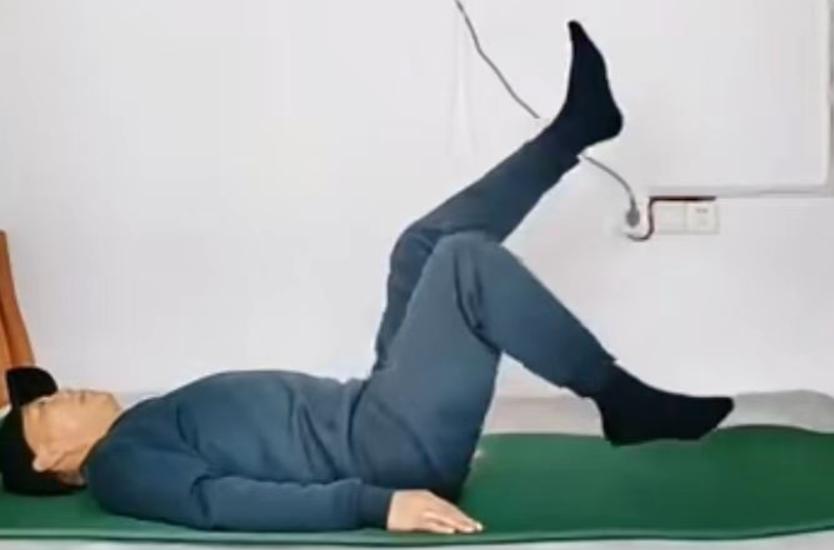
Statistics from Shanghai University of Traditional Chinese Medicine show that elderly individuals who exercise regularly experience a 28%–33% reduction in knee osteoarthritis pain and a 21% average improvement in mobility. Moderately strengthening muscles around the joints, such as through quadriceps training, straight leg raises, and slow walking, can help "lighten the load" on the joints.
Significantly Lower Risk of Chronic Diseases
Exercise not only improves mobility but also optimizes overall metabolism. Data shows that individuals over 60 who engage in moderate-intensity exercise 2–3 times per week have a 19.4% lower incidence of cardiovascular diseases compared to those who rest more. Chronic conditions such as hypertension, diabetes, and fatty liver are also easier to manage and improve.
Improved Mood and Sleep Quality
Physical activity releases substances like dopamine and serotonin, significantly enhancing mood and stress resistance. Many survey respondents admitted that after exercising, they felt less irritable, slept more soundly, and had a greater sense of purpose in life.
It is worth noting that the belief that exercise "worsens joint damage" is actually the opposite of the truth. Geriatric experts worldwide agree that joints require moderate "activity nutrition." Without it, cartilage loses nourishment and ages more quickly.
Moderate activity helps "nourish" cartilage, promotes soft tissue repair, and prevents "knee deformation," with effects better than many might expect.
Safety First in Exercise: How to Achieve the Best Results
Note: Experts do not encourage "the more, the better." Exercise after 60 must follow three principles: safety, moderation, and personalization.
Prioritize low-impact, flexibility-focused activities: such as brisk walking, square dancing, tai chi, swimming, elliptical training, and bodyweight stretching. Avoid frequent stair climbing, intense weight-bearing exercises, and prolonged deep squats to protect the knee joints.
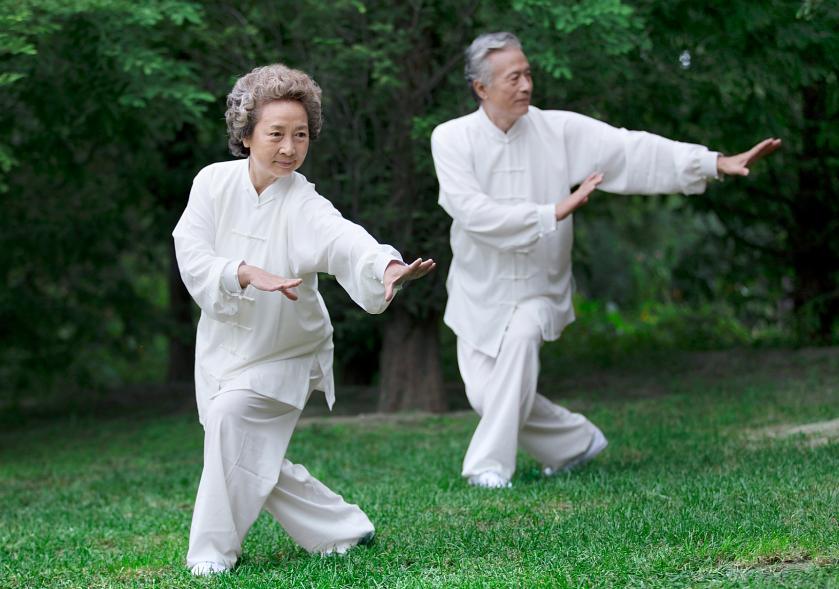
Exercise 2–3 times per week, 30–40 minutes each session: Beginners can start with two 15-minute sessions and gradually extend the duration. A pace where "you can talk but not sing" is ideal. The goal is to feel "slightly warm, with an increased heart rate and mild sweating," without pushing to the limit.
Strengthen the quadriceps to protect the knees: Simple home exercises like straight leg raises (lying down), seated leg extensions, and wall squats help enhance knee joint stability and support.
Warm up for 10 minutes before exercise and stretch afterward: If mild discomfort occurs after exercise, apply ice or heat as needed. If knee pain persists, pause exercise and seek medical advice promptly. Do not push through the pain.

In terms of diet, supplement with high protein and vitamin D to prevent "cartilage starvation and bone loss."