Potassium is a nemesis of hypertension, yet it is often misunderstood! A simple effort can achieve two goals at once.
"Doctor, I really don't eat much salty food anymore, so why does my blood pressure still keep fluctuating?" During a community free clinic, Auntie Wang, a 57-year-old woman, tugged at my sleeve with a face full of confusion, her voice filled with anxiety.
In her recent check-ups, her blood pressure has been fluctuating significantly, especially in the early morning or after using the bathroom at night, sometimes even higher than before. She repeatedly reviewed her daily diet but couldn't figure out where she went wrong.
Looking at her, I fell into deep thought for a moment: What is it that everyone is overlooking?

In fact, people like Auntie Wang are not uncommon. Many middle-aged and elderly individuals, while diligently "controlling salt," often overlook potassium, the unsung hero that helps maintain stable blood pressure.
Ironically, there are many misconceptions about potassium in society—such as "too much potassium is bad for the body" or "people with high blood sugar or hypertension should avoid potassium-rich fruits"—that often dominate family dinner tables.
Little do people know that insufficient potassium intake, much like a high-sodium diet, can make managing blood pressure increasingly difficult. So, what important role does potassium play in hypertension? What low-risk methods can help us maintain stable and safe daily intake? The answers may lie in small, everyday adjustments.
When many people hear the word "potassium," their first thought is of supplements like calcium, iron, or vitamins.
However, what truly concerns the medical community is potassium's multiple roles in regulating blood pressure, maintaining vascular stability, and aiding metabolism.
Especially for those with hypertension, learning to supplement potassium properly may help address both blood pressure and metabolic issues, achieving a "two birds with one stone" health effect. Next, let's uncover the mystery of potassium and debunk common misunderstandings on the path to managing blood pressure.

Potassium: The "Nemesis" of Hypertension, Often Misunderstood
Hypertension is not a "single enemy." It often hides behind it a chain of risks, including vascular hardening, heart failure, stroke, and even kidney failure.
In this health tug-of-war, almost everyone knows the importance of "reducing sodium intake," but very few pay attention to whether their own potassium intake meets the recommended standards.
Medically, the sodium-potassium balance is like a tug-of-war inside and outside the cells. When sodium ions increase in the body, extracellular osmotic pressure rises, drawing water into the blood vessels, "raising the water level," and thereby increasing blood pressure.
Potassium ions, on the other hand, work in the opposite direction. They help the kidneys "expel" excess sodium, promote sodium excretion, dilate blood vessels, and ultimately lower blood pressure. This is not mere speculation but a physiological mechanism based on cell membranes and ion channels.
More importantly, several authoritative studies have confirmed that adequate potassium supplementation can significantly reduce the risk of stroke and cardiovascular events.
National guidelines, such as the "2020 Chinese Guidelines for Hypertension Prevention and Treatment" and the "2022 Dietary Guidelines for Chinese Residents," recommend that adults should consume no less than 3,500 milligrams of potassium daily.
However, the reality is harsh: surveys show that the average daily potassium intake for most residents in China is less than 2,500 milligrams, far below the recommended standard.
Although potassium is a helpful ally in controlling blood pressure, the dietary structure of many middle-aged and elderly individuals is actually "high sodium, low potassium"—they prefer salty foods like salt and soy sauce but avoid potassium-rich foods such as spinach, legumes, bananas, and potatoes.
If potassium intake remains below the recommended level for an extended period, the kidneys struggle to excrete excess sodium ions, making it difficult to achieve optimal blood pressure control even with prescribed antihypertensive medication.
Interestingly, common antihypertensive medications like diuretics often accelerate potassium loss in the body. Without proper compensation, this can lead to complications such as hypokalemia-induced arrhythmias, palpitations, and fatigue.

However, not everyone is suitable for blindly "supplementing potassium." Especially for individuals with kidney dysfunction, severe heart failure, or those taking certain specific medications, unsupervised excessive potassium supplementation can lead to hyperkalemia, which may be life-threatening in severe cases.
Therefore, scientific and reasonable supplementation is essential, with an emphasis on "food sources over supplements."
Reasonable Potassium Supplementation: Simple Efforts Yield "Two Birds with One Stone" Rewards
In daily life, incorporating one potassium-rich ingredient into your meals or side dishes each day is the best way to correct a "high sodium, low potassium" dietary structure. The following recommendations are simple and effortless:
Leafy Greens: Spinach, bok choy, kale, etc. Aim for around 200 grams daily to supplement potassium and protect blood vessels.
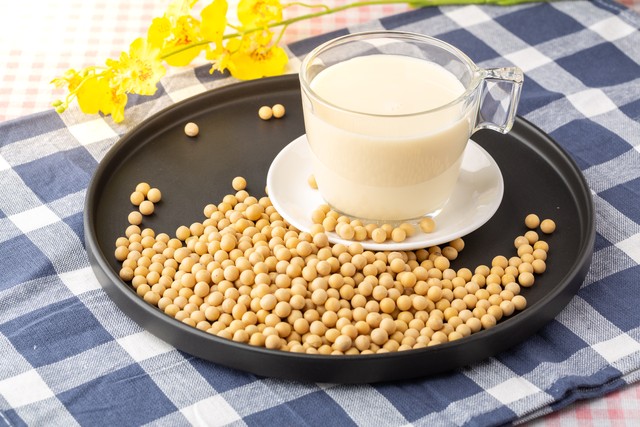
Legumes and Their Products: Soybeans, tofu, and soy milk are rich in potassium. Including them three times a week is beneficial.
Fresh Fruits: Such as bananas, kiwis, and persimmons. Half a banana or one medium-sized kiwi daily is generally sufficient.
Root Vegetables: Carrots, purple sweet potatoes, pumpkins, and potatoes are "potassium powerhouses." For example, 100 grams of potatoes contain about 300 milligrams of potassium, slightly more than bananas.
Nutritionally Balanced Substitutions: Moderately replace some staple foods with sweet potatoes, pumpkins, or purple sweet potatoes. This not only adds variety to your diet but also provides additional dietary fiber, helping control blood sugar and lipids.
Here’s a simple example: Grandma Liu, in her 70s, was long concerned about blood sugar and weight, avoiding potatoes and bananas entirely and being picky with vegetables. Over a year, her blood pressure fluctuated significantly, and even medication was ineffective.

We simply added a "potassium package" to her existing diet: stir-fried spinach, carrot and tofu stew, and one small banana daily. Two months later, her blood pressure stabilized, and the fluctuation range between morning and evening decreased by 10 mmHg.
Even better, the dietary fiber improved her constipation, and her post-meal blood sugar did not rise significantly. This achieved both blood pressure control and vascular health—truly "two birds with one stone."
Another important point to note: Excessive sweating, diarrhea, misuse of laxatives, or even long-term excessive water intake and frequent urination can also lead to potassium loss.

Many elderly individuals frequently take laxatives to prevent constipation, which can lead to electrolyte imbalances and make blood pressure harder to control. Therefore, in addition to supplementation, it is crucial to avoid potassium loss.
Hypertension patients should develop the habit of testing their blood potassium levels at least once a year. This is especially important for those already taking diuretics, as regular check-ups ensure adjustments are made within safe ranges.
Scientific Potassium Supplementation Requires Individualized Management
Health management has no one-size-fits-all "silver bullet." Potassium is not a miracle cure, nor is daily supplementation always necessary. However, it is indeed an underestimated aid in managing hypertension for middle-aged and elderly individuals.
The medical consensus is clear: The diet for hypertension patients should be "low sodium, high potassium," relying on natural foods and reasonable combinations as the safest and most reliable adjustment method.
It is crucial to be highly vigilant: Patients with kidney dysfunction, those taking certain potassium-sparing diuretics, or individuals with severe heart conditions must not blindly use potassium supplements without a doctor’s evaluation!
Before supplementing potassium, it is recommended to test blood potassium levels and seek evaluation from a family doctor or specialist if necessary. Do not blindly believe myths like "supplements work faster" or "more is better."