Man Dies from Diabetic Ketoacidosis! Doctor: Better to Eat More Fruit Than Do These Things
As the night deepened, the lights in the emergency room remained glaring. Mr. Wang, who had just turned thirty-five, was supported by his family as he was pushed through the door—breathing rapidly, lips purple, and barely able to speak clearly.
Just the day before, he had been enjoying a lively gathering with friends, sipping soda and eating skewers, always believing that "as long as I don't eat sugar, my blood sugar won't rise."
But unexpectedly, overnight, his condition took a sharp turn for the worse. While organizing the rescue efforts, the doctor said with deep regret, "In fact, it's better to eat more fruit than to desperately 'avoid sugar' and recklessly strain your body!"
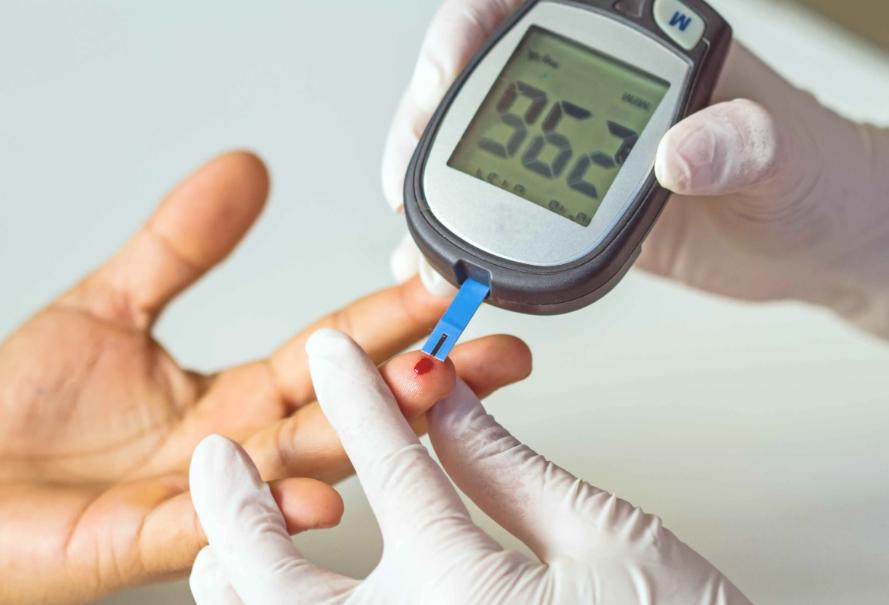
This is not an isolated case. In recent years, diabetic ketoacidosis (DKA) has claimed the health and even lives of many individuals. Many patients, who were originally young and living comfortably, ended up in irreversible tragedies due to misunderstandings about the disease and neglect of lifestyle habits.
Do you think simply "watching what you eat" can prevent diabetes? On the contrary, these seemingly harmless habits are the hidden culprits behind the scenes.
Which behaviors are actually more dangerous than eating fruit? Is diabetes really that "simple"? Perhaps your daily routine is teetering on the edge of health, especially the third misconception, which many people fail to realize.
When it comes to diabetes, the first reaction for most people is that "sweets are harmful." However, in reality, simply controlling sugar intake is far from enough.
10%-20%
Clinically, patients with diabetic ketoacidosis caused by incorrect blood sugar control concepts account for 10% to 20% of all acute complications. More and more young people are being sent to the emergency room because of "what they believe to be healthy methods."
The Three Most Common Deadly Misconceptions—Have You Fallen for Them?
Misconception 1: Cutting Out Sugar = Stable Blood Sugar
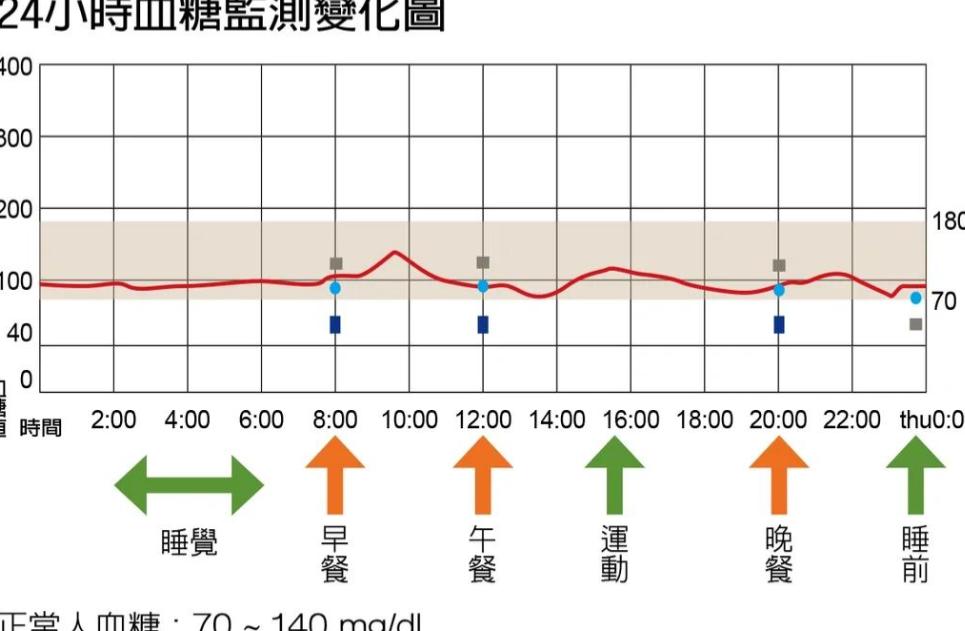
Some people even strictly control their intake of staple foods and vegetables, or simply refuse all carbohydrates, yet their blood sugar still fluctuates. The reason is simple: blood sugar is not solely determined by diet; insulin secretion, exercise levels, and even sleep have a significant impact. Blindly restricting food intake can lead to severe energy deficiency in the body, which may instead cause excessive "fat burning," producing large amounts of ketones and leading to acidosis.
Misconception 2: No Discomfort = No Problem
For a considerable period of time, the symptoms of diabetes are very mild, and many people rely on "physical sensations" to judge whether their blood sugar is stable. Actual surveys show that about 70% of diabetic patients experience no noticeable discomfort in the early stages of the disease. By the time they feel dizzy, fatigued, or have difficulty breathing, it is often too late.
Misconception Three: Relying on Medication as a Lifesaver Equals Peace of Mind
。
Many patients believe that taking hypoglycemic drugs means they can "rest easy," allowing them to stay up late, socialize, and neglect exercise. However, reality is much harsher. Medication is an auxiliary means of regulation, not a universal solution. A loss of control over one's lifestyle can still lead to serious consequences. Research shows that individuals who fail to manage their lifestyle have a 2-4 times higher risk of ketoacidosis compared to those who maintain regular self-discipline.
Ketoacidosis: The Body's "Nuclear Alarm" Signal
What is Diabetic Ketoacidosis (DKA)? Many people think it is simply "high blood sugar," but in reality, its true dangers far exceed imagination. The occurrence of DKA signifies a complete metabolic disorder in the body and is an acute crisis of diabetes.
When the body lacks sufficient insulin, glucose cannot be utilized by cells, fat mobilization is "maximized," ketone bodies surge, and the blood becomes acidic—like a broken boiler resorting to burning wood, nearly sparking a fire.
The mortality rate of severe DKA can be as high as 5%–10%, and even higher in some patients with underlying conditions.
It is worth noting that not only the elderly and critically ill patients, but also young people, thin individuals, and even those undiagnosed with diabetes may trigger DKA, especially:
Staying up late for long periods and having an irregular lifestyle; experiencing intense emotional fluctuations and long-term stress; blindly dieting, losing weight drastically, or over-exercising; arbitrarily adjusting medication doses or stopping medication.
”
These habits are far more dangerous than eating a few extra pieces of fruit! Doctors bluntly state, "Relying on bland diets is unreliable. Placing health hopes on 'not eating' makes it easier for major disasters to strike without warning."

Instead of "avoiding sugar," it’s better to balance diet and life scientifically.
"Better to eat more fruit than to keep doing these things!" The doctor's advice is not alarmist. "Although fruits are sweet, they are rich in dietary fiber, vitamins, and natural antioxidants. The key is to consume them in moderation and choose the right varieties."
So, what exactly is the truly effective way to manage blood sugar in daily life?
Prioritize a balanced diet, avoiding picky or selective eating habits.
When it comes to staple foods, don’t blindly go "carb-free" or rely solely on refined rice and white flour. Instead, opt for low-glycemic foods like whole grains, oats, and sweet potatoes. Ensure adequate protein intake with foods like eggs and tofu, and pair them with a variety of vegetables and fruits. For fruits, choose those with a low glycemic index, such as apples, grapefruits, and blueberries. Aim for a portion about the size of your fist each time, and try to consume them between meals.
Don’t overlook the importance of sleep and emotional management.
Maintaining a regular daily routine can improve insulin sensitivity and reduce the phenomenon of "high blood sugar" in the morning. For those who stay up late for extended periods, blood sugar fluctuations increase significantly. Emotional irritability and anxiety are also "invisible killers." It is advisable to relieve stress and prevent endocrine disorders through meditation, deep breathing, and moderate relaxation exercises.

Exercise should be moderate; avoid extreme exertion
Is More Exercise Always Better? Actually, daily brisk walking for 30 minutes, gentle Tai Chi, or swimming can help regulate blood sugar more effectively than sudden intense bursts of exercise. Once an exercise routine is established, fasting insulin levels can drop by an average of 12.6%, which is highly beneficial for stabilizing blood sugar.
Scientific Medication Management: Don’t Neglect Regular Blood Sugar Monitoring
Adjusting medication doses arbitrarily, skipping doses, relying on folk remedies, or trusting unverified online information all carry significant risks. Monitoring blood sugar isn’t just about "checking the numbers"—it’s about tracking trends and adjusting your plan in a timely manner. Especially when blood sugar levels fluctuate unpredictably, it’s crucial to communicate with your doctor promptly.
Small Lifestyle Tips Can Help Prevent Problems Before They Arise
Stand for 10 minutes after a meal, then take a slow walk to help prevent a sudden spike in blood sugar.
Increasing protein intake at breakfast helps stabilize blood sugar fluctuations throughout the day.
Soaking feet before bed and gentle stretching can improve evening blood circulation and reduce the risk of nighttime blood sugar spikes.